Frontera Wu-Yue
Durante siglos, un solo canal en Fengjing separó no solo tierras, sino reinos enteros.
La historia completa se desbloquea en el tour
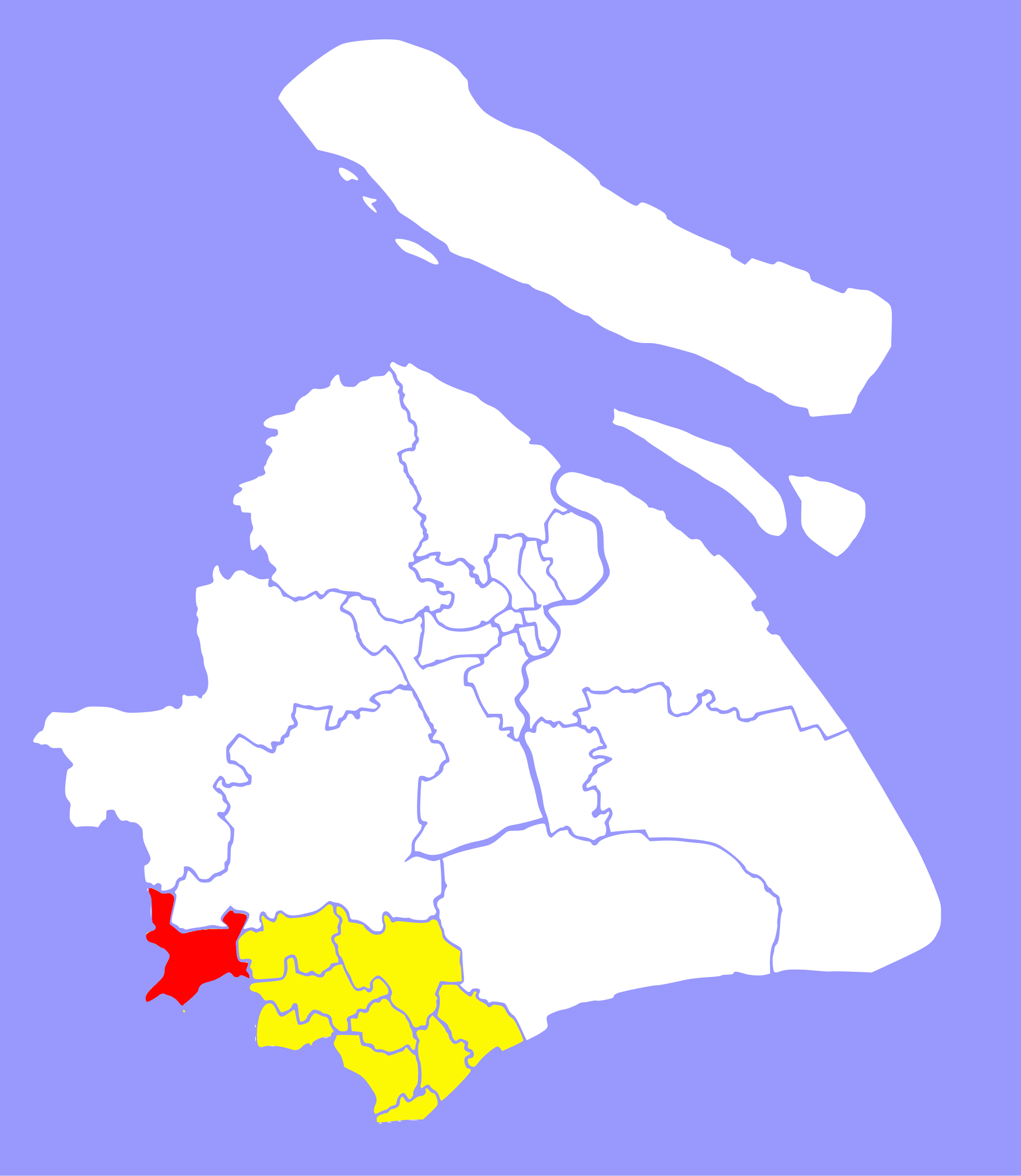 Camphora / Public domain, via Wikimedia Commons
Tour de audio autoguiado de Fengjing — ruta GPS a pie, reproducción offline, narración en 32 idiomas.
“Donde antiguos canales delinean dos reinos.”
No las postales. Las historias que ni los locales conocen — al oído, justo donde ocurrieron.
Durante siglos, un solo canal en Fengjing separó no solo tierras, sino reinos enteros.
Algunos puentes en Fengjing ofrecen más que un simple cruce; revelan una alineación precisa.
Más allá de los conocidos 'Cuatro Tesoros', Fengjing guarda un secreto culinario para los exploradores nocturnos.
Descubre todos los secretos de Fengjing
Cada dirección, cada revelación al completo — a tu oído, justo donde ocurrió.
Eliges tus paradas. Caminas. La voz te revela lo que los demás ignoran.


Tu tour de audioguía por Fengjing te espera — elige tus lugares, tu idioma y empieza al llegar.
ComprarLume incluye una guía de realidad aumentada. Levanta el móvil y su cámara muestra la calle que tienes delante, con una flecha luminosa sobre la imagen real que siempre apunta a tu próxima parada — sin mapas que descifrar, sin giros equivocados. Como todo en Lume, funciona completamente sin conexión.
La Ciudad Antigua de Fengjing, ubicada en el distrito de Jinshan de Shanghái, ofrece un escape tranquilo del pulso urbano de la ciudad. Esta tradicional ciudad acuática, una de las cuatro más renombradas del sur de China, se caracteriza por su intrincada red de canales y puentes de piedra históricos. Con una historia que abarca más de 1.500 años, Fengjing conserva una cautivadora mezcla de arquitectura antigua y costumbres locales.
Los visitantes pueden pasear por callejones empedrados de piedra azul, observar residencias centenarias con paredes encaladas y techos de tejas negras, y experimentar un ritmo de vida más lento. La atmósfera auténtica de la ciudad, menos comercializada que otras ciudades acuáticas, permite una visión genuina de la cultura tradicional china.
Fengjing no es solo un destino pintoresco, sino también un centro de patrimonio cultural, conocido por sus artes populares, su cocina distintiva y ser la cuna de las Pinturas Campesinas de Jinshan. Es un lugar donde la historia no solo se exhibe, sino que se vive activamente, desde los ecos de las óperas locales hasta el aroma del cerdo estofado en salsa de soja que emana de las cocinas tradicionales.
Los orígenes de la Ciudad Antigua de Fengjing se remontan a más de 1.500 años, con registros escritos de asentamientos que aparecen ya en el año 502 d.C. durante el período Tianjian de la Dinastía Liang. Su ubicación estratégica en la confluencia de cinco distritos y condados de Shanghái y Zhejiang, y su papel como conexión clave entre las provincias de Jiangsu y Zhejiang, la convirtieron en un importante centro comercial. Durante gran parte de su historia, un río central incluso dividió la ciudad, con la parte norte perteneciente al Reino de Wu y la parte sur al Reino de Yue, un legado aún marcado por estelas de piedra.
Durante las dinastías Ming y Qing, Fengjing experimentó una importante prosperidad económica, dejando una gran cantidad de exquisitos edificios antiguos y calles antiguas que aún son visibles hoy en día. Muchas de las estructuras conservadas son edificios de dos pisos de ladrillo y madera, con paredes encaladas y techos de tejas negras, a menudo incluyendo habitaciones de ala, patios y pasillos. Solo las cuatro calles principales de la ciudad abarcan 48.750 metros cuadrados de residencias antiguas, con nueve ubicaciones reconocidas como Reliquias Culturales Inmuebles de Shanghái.
La importancia cultural de Fengjing es igualmente profunda. Se celebra como la cuna de la Pintura Campesina de Jinshan, una forma de arte popular animada que surgió en la década de 1970 y ha ganado reconocimiento nacional e internacional por su estilo único y su representación de la vida cotidiana. La ciudad también es la cuna de la ópera folclórica tradicional, como el "Nongtangxi" (Ópera de Calle), y ha producido figuras notables en el arte y la cultura chinos, incluido el dibujante Ding Cong y el pintor tradicional chino Cheng Shifa. En 2005, Fengjing fue reconocida oficialmente como una "Ciudad Antigua Histórica y Cultural China" y más tarde se convirtió en un lugar escénico nacional AAAA en 2008.
Comience su exploración en los Tres Puentes de Fengjing, un hito icónico donde convergen los puentes Qingfeng, Zhuxing y Beifeng, ofreciendo pintorescos reflejos en el agua. El Puente Zhihe, un puente de piedra de la Dinastía Yuan de 700 años de antigüedad, es particularmente notable. Pasee por los numerosos callejones de la ciudad, pavimentados con losas de piedra azul y bordeados de puertas y ventanas de madera desgastadas, donde a menudo cuelgan farolillos rojos bajo los aleros.
Realice un relajante paseo en sampán por los tranquilos canales para experimentar la ciudad desde una perspectiva diferente, especialmente hermoso al atardecer cuando el agua brilla dorada. Visite la Aldea de Pintura Campesina de Jinshan para ver el animado arte popular que se originó aquí, o explore la Sala de Exposiciones de Dibujos Animados de Ding Cong para ver las obras del renombrado dibujante. El Corredor Largo de Fengxi, un rústico pasillo cubierto junto al agua, proporciona refugio y vistas íntimas de la vida junto al río. Para una inmersión más profunda en la cultura local, busque el Gremio de Bomberos del Distrito Este, hogar de la última brigada de bomberos acuática de China, donde puede subir a un barco de bomberos de la década de 1930. No pase por alto la Librería Duoyun, un espacio literario único ubicado dentro de la ciudad antigua.
Los momentos más oportunos para visitar la Ciudad Antigua de Fengjing son de marzo a mayo y de finales de septiembre a noviembre. Durante estos períodos, el clima es agradable, con suaves brisas primaverales y flores en flor o aire fresco de otoño, ideal para excursiones al aire libre. Se recomiendan las mañanas de los días laborables para evitar las multitudes y experimentar una atmósfera más tranquila.
La Ciudad Antigua de Fengjing se encuentra a unos 57 kilómetros (35 millas) de la ciudad de Shanghái. Las opciones de transporte público incluyen tomar la Línea 1 del Metro hasta la estación de Jinjiang Park, luego tomar el autobús de la Línea Feng Mei hasta Fengjing. Alternativamente, un tren de alta velocidad hasta la estación más cercana seguido de un viaje en taxi de 10 minutos también es una opción. Si conduce, el viaje es de aproximadamente 1,5 horas desde el centro de Shanghái, y hay aparcamientos oficiales disponibles.
La entrada a la ciudad en sí es gratuita, pero un billete combinado para algunas atracciones internas cuesta alrededor de 50 RMB. Considere reservar billetes combinados en línea con antelación para posibles ahorros y para evitar colas. Se recomienda un día completo para experimentar plenamente la ciudad, dejando tiempo para paseos tranquilos, delicias locales y un paseo en barco al atardecer. Se aconseja llevar calzado cómodo debido a las distancias a pie.
Fengjing en coreano, en chino o en hebreo — y 29 idiomas más, cada parada narrada por una voz nativa. La mayor variedad de idiomas de cualquier audioguía autoguiada.
Disponible en: