The original 'Grand Island'
Before there was a city, an island so significant shaped the future of the region, yet its location might surprise you.
Full story unlocks in the tour
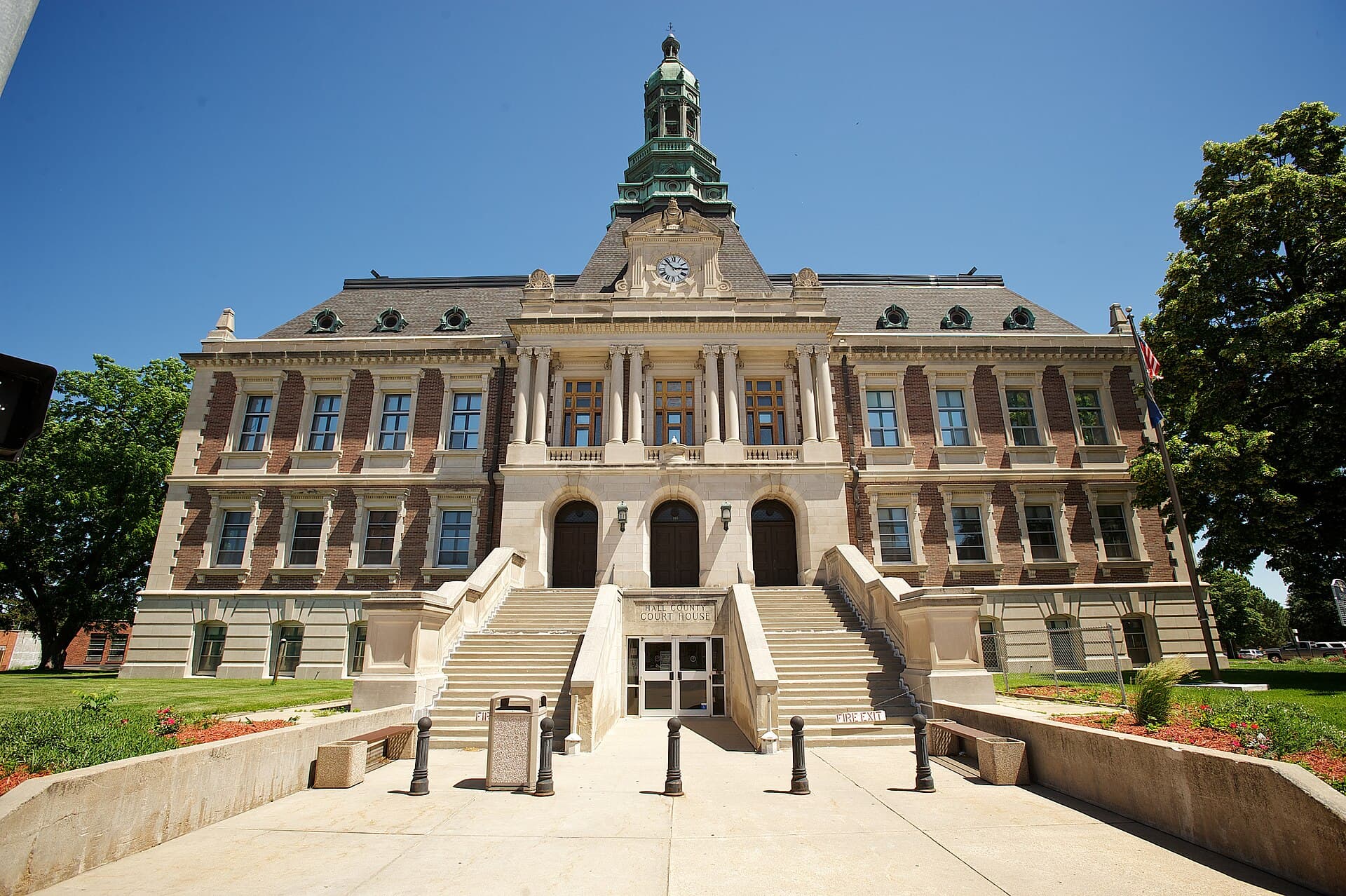 Brad Mellema / CC BY-SA 4.0, via Wikimedia Commons
Self-guided audio walking tour of Grand Island — GPS route, offline playback, story-driven narration in 32 languages.
“Where the prairie meets the rails, and history finds its stride.”
Not the postcards. The stories even locals don't know — whispered in your ear, right where they happened.
Before there was a city, an island so significant shaped the future of the region, yet its location might surprise you.
Grand Island once planned a hotel that promised metropolitan luxury in the heart of Nebraska, but its construction faced significant hurdles.
An ordinary-looking hill in Grand Island holds a surprising and somber secret about a devastating night.
Discover every secret of Grand Island
Every address, every reveal in full — in your ear, right where it happened.
You pick your stops. You walk. The voice reveals what the others miss.
Your self-guided audio tour of Grand Island is ready — pick your landmarks, choose your language, and start the moment you arrive.
BuyGrand Island, Nebraska, is a city woven into the fabric of the American prairie, where the echoes of wagon trains and the whistle of locomotives still resonate. Situated in the heart of central Nebraska, it serves as a dynamic center for agriculture, commerce, and culture. From its origins as a calculated settlement along a crucial westward migration route to its present-day status as a regional hub, Grand Island offers a compelling blend of historical depth and modern energy.
More than just a point on the map, Grand Island is a place where significant events unfold, from the annual Spring Migration of over a million Sandhill Cranes along the Platte River to the Nebraska State Fair and Husker Harvest Days, the world's largest fully-irrigated farm show. The city's dedication to preserving its past while embracing the present is evident in its living history museum, Stuhr Museum of the Prairie Pioneer, and the historic Railside district.
Grand Island invites visitors to explore its unique heritage, experience genuine Midwestern hospitality, and discover why this community, named for a significant yet vanished island in the Platte, continues to draw people year after year.
## From La Grande Isle to Railroad Hub Grand Island's story begins not with a city, but with a significant geographical feature: a long, wooded island in the Platte River, which French fur trappers in the late 1700s christened 'La Grande Isle.' This island, stretching 40-50 miles, was a crucial landmark for early expeditions and the countless wagon trains that traversed the Great Platte River Road between 1840 and 1870, including those on the California and Mormon Trails.
In 1857, a group of 35 German-speaking immigrants from Davenport, Iowa, made a calculated investment, settling near the eastern end of this island. They anticipated the construction of a transcontinental railroad, a foresight that would prove entirely correct. While their dream of a national capital in the plains never materialized, their settlement laid the groundwork for what was to come.
## The Iron Horse Arrives The Union Pacific Railroad arrived in 1866, platting the town of Grand Island a few miles west of the original German settlement. The railroad's arrival was transformative, turning the small outpost into a focal point of the central plains. Grand Island became a major engine and crew change point, with a depot and locomotive maintenance shops established and enlarged over time. The Pawnee tribe, regarded as peaceful by the U.S. government, even aided in the railroad's construction, fending off hostile raiding parties.
The city's identity as a railroad town was further cemented with the arrival of the St. Joseph and Western Railroad in 1879 and the Burlington line in 1884. With three major railroads converging at its depot, Grand Island earned the moniker 'the hub of the wheel,' experiencing a population surge of 700% between 1870 and 1890.
## Growth, Industry, and Challenges Throughout the late 19th and 20th centuries, Grand Island continued to grow. In 1869, a U.S. General Land Office was established, and the city was incorporated in 1872. By 1890, Grand Island was home to the first sugar beet processing factory in the United States, an industry celebrated with the unique Grand Island Sugar Palace.
The city also played a significant role during World War II with the construction of the Cornhusker Army Ammunition Plant, which produced munitions for multiple conflicts. Grand Island has also faced its share of challenges, notably the devastating supercell storm of June 3, 1980, which spawned seven tornadoes and left a lasting mark on the community, including the creation of 'Tornado Hill' from debris.
Today, Grand Island remains a dynamic regional center, honoring its extensive past through institutions like the Stuhr Museum of the Prairie Pioneer, which preserves the broader saga of the central plains and the legacy of Grand Island.
Begin your exploration at the Stuhr Museum of the Prairie Pioneer, a 200-acre living history museum that transports you back to an 1890s prairie village. Here, you can wander through 'Railroad Town,' see original period structures, and even visit the preserved birthplace of actor Henry Fonda. The museum houses over 140,000 artifacts, offering a comprehensive look at early settler life in central Nebraska.
For a dose of local quirk, seek out Fred's Flying Circus, a unique roadside attraction featuring whimsical, upcycled vehicles creatively transformed and displayed on poles. It's a testament to local ingenuity and a fun photo opportunity.
Experience the natural spectacle of the Sandhill Crane migration along the Platte River, particularly in the spring. Over a million cranes gather here, making it a world-renowned event for wildlife enthusiasts.
Explore the Railside district, Grand Island's historic downtown, which offers an eclectic mix of antique shops, boutiques, and dining options, all set against the backdrop of the city's railroad heritage.
If you're interested in local events, check the schedule for Fonner Park, which hosts the Nebraska State Fair and numerous regional and national livestock events, showcasing Grand Island's deep agricultural roots.
The best time to visit Grand Island largely depends on your interests. Spring, particularly March and April, is ideal for witnessing the spectacular Sandhill Crane migration, with mild temperatures perfect for outdoor activities. Summer, especially July, offers the clearest skies and warmest weather, with average high temperatures around 88°F, making it suitable for exploring outdoor attractions and enjoying local events. Fall brings pleasant temperatures and is a good time for those interested in agricultural events like Husker Harvest Days. Winters are cold, with average high temperatures in the mid-30s Fahrenheit.
Grand Island is served by the Central Nebraska Regional Airport (GRI), offering regional flights. For getting around the city, a car is highly recommended to access various attractions and surrounding natural areas. While public transportation options may be limited, the city's layout is generally easy to navigate by car. Grand Island operates on Central Standard Time (CST), observing Daylight Saving Time (CDT) during the warmer months. The city is the fourth most populous in Nebraska, with a population of 53,131 as of the 2020 census, and serves as the county seat of Hall County. It's advisable to check the operating hours of specific attractions, especially during off-peak seasons, as they may vary.
Grand Island in Korean, in Chinese or in Hebrew — and 29 more languages, every stop narrated by a native voice. The widest language range of any self-guided audio tour.
Available in: