Robber's Cave
Sous les avenues de Lincoln se cache un labyrinthe de tunnels de grès au passé mystérieux.
L'histoire complète se débloque dans le tour
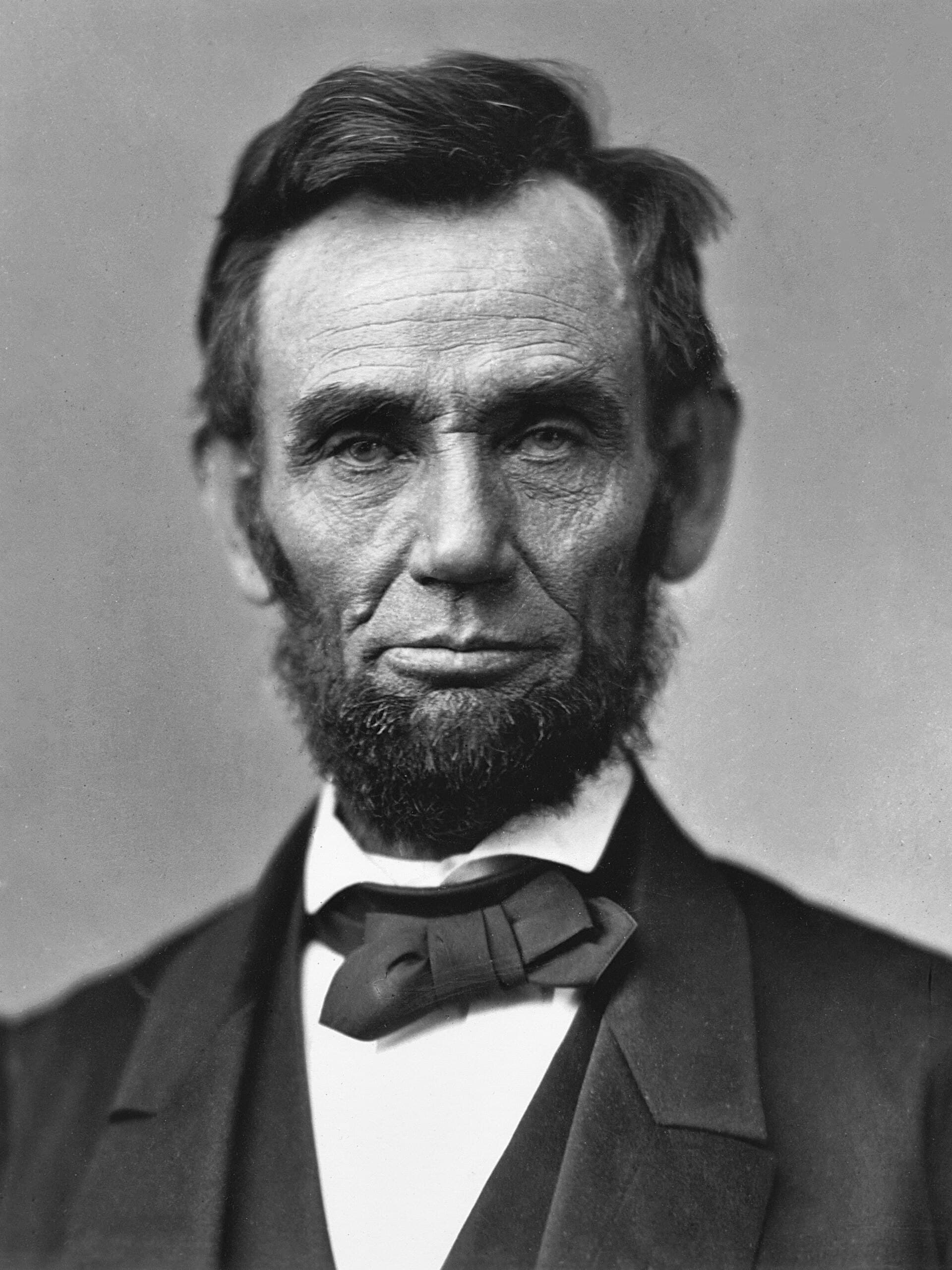 Alexander Gardner / public domain, via Wikimedia Commons
Visite audio autoguidée de Lincoln — parcours GPS à pied, lecture hors ligne, narration en 32 langues.
“Sel, étoiles et secrets d'État : À la découverte des facettes inattendues de Lincoln”
Pas les cartes postales. Les histoires que même les habitants ignorent — soufflées à l'oreille, là où elles se sont passées.
Sous les avenues de Lincoln se cache un labyrinthe de tunnels de grès au passé mystérieux.
Le majestueux Capitole de l'État du Nebraska est plus qu'un triomphe architectural ; il recèle un secret qui a littéralement façonné ses fondations.
Dispersées dans le Pioneers Park, vous remarquerez peut-être de grandes colonnes classiques qui semblent un peu déplacées pour un parc du Nebraska.
Découvrez tous les secrets de Lincoln
Chaque adresse, chaque révélation en entier — dans ton oreille, là où elle s'est passée.
Tu choisis tes lieux. Tu marches. La voix te révèle ce que les autres ignorent.


Votre visite audioguidée de Lincoln vous attend — choisissez vos lieux, votre langue, et lancez-vous dès votre arrivée.
AcheterLincoln, Nebraska, la capitale de l'État et deuxième plus grande ville, offre un mélange surprenant de charme du Midwest et de sophistication urbaine. Située à mi-chemin entre Chicago et Denver, c'est une ville qui équilibre l'énergie d'une ville universitaire dynamique avec la sérénité de vastes parcs et de paysages naturels. De son bâtiment distinctif du capitole à son quartier animé de Historic Haymarket, Lincoln invite à l'exploration, révélant des couches d'histoire, de culture et de plaisirs inattendus.
Le caractère de la ville est façonné par son rôle de centre gouvernemental et la présence prééminente de l'Université du Nebraska-Lincoln. Cette combinaison cultive un environnement dynamique avec un riche éventail de musées, de lieux artistiques et une culture sportive passionnée centrée autour des bien-aimés Cornhuskers. Que vous soyez attiré par les récits historiques, les expressions artistiques ou simplement une atmosphère conviviale, Lincoln offre une expérience accueillante et engageante à chaque visiteur.
## Des marais salants à la capitale de l'État Les origines de Lincoln remontent à 1856, lorsqu'elle a été établie sous le nom de village de Lancaster, construite sur les marais salants uniques de ce qui deviendrait le comté de Lancaster. Les premiers colons ont été attirés par la promesse du célèbre Bassin Salant, envisageant une future ville bâtie sur sa prospérité potentielle.
Le chemin du Nebraska vers le statut d'État en 1867 a entraîné un débat houleux sur l'emplacement de la nouvelle capitale de l'État. Omaha, la capitale territoriale, était jugée trop éloignée. Après de longues délibérations, y compris une proposition de nommer la capitale 'Capital City', le petit village de Lancaster, avec ses seulement 30 habitants, a été choisi. Cette décision a été en partie influencée par la volonté de ses colons méthodistes de donner des terres à l'État. Dans un geste pour honorer le président Abraham Lincoln, récemment assassiné, Lancaster a été officiellement renommée Lincoln en 1869, solidifiant son nouveau rôle de capitale de l'État.
## L'évolution d'un Capitole L'impressionnant bâtiment du Capitole de l'État du Nebraska, une caractéristique proéminente de l'horizon de Lincoln, témoigne de la croissance et de l'ambition de la ville. Cependant, il n'a pas été construit sans défis. Le capitole actuel est en fait la troisième itération. Le premier, construit entre 1867 et 1868, était une structure en calcaire de deux étages qui s'est rapidement détériorée en raison de matériaux de mauvaise qualité. Un second capitole, conçu dans le style néo-Renaissance, a été construit par étapes de 1879 à 1888. Malgré son envergure plus grande, il a également rencontré des problèmes structurels, y compris une fissure notable causée par la rupture d'une arche au-dessus d'une ancienne sablière. Reconnaissant le besoin d'un symbole plus durable de l'État, la législature a adopté un projet de loi en 1919 pour construire un nouveau capitole. Le résultat est le chef-d'œuvre conçu par Bertram Grosvenor Goodhue, achevé en 1932, qui est reconnu comme le deuxième plus haut bâtiment du capitole du pays et le premier à incorporer une tour fonctionnelle dans sa conception.
## Croissance et innovation La population de Lincoln a considérablement augmenté suite à sa désignation comme capitale de l'État, passant de 2 500 habitants en 1870 à 55 000 en 1890. La création de l'Université du Nebraska à Lincoln en 1869 a encore alimenté son développement, en faisant un centre éducatif et économique important. La ville a également été un centre d'innovation, étant notamment le lieu de naissance de l'Arbor Day et du développement du système national de communication d'urgence 911. Dans les années 1970, Lincoln a acquis une réputation de ville 'accueillante pour les réfugiés', accueillant diverses communautés du monde entier et contribuant à son riche caractère culturel.
Commencez votre exploration au Capitole de l'État du Nebraska, une merveille architecturale dont la tour de 122 mètres offre des vues imprenables sur la ville. Plongez dans l'histoire au Musée d'État de l'Université du Nebraska (Morrill Hall), qui abrite Archie, le plus grand squelette de mammouth du monde, et de vastes collections de fossiles. Pour les amateurs d'art, le Sheldon Museum of Art sur le campus universitaire et les fascinantes peintures murales de Gallery Alley sont des destinations incontournables. L'International Quilt Study Center & Museum abrite la plus grande collection de courtepointes au monde, couvrant des siècles.
Remontez le temps dans le Historic Haymarket District, un quartier piétonnier avec des avenues historiques, des boutiques locales, des cafés et une atmosphère animée. Ceux qui apprécient la nature trouveront leur bonheur dans les Sunken Gardens, un jardin magnifiquement conçu et fleuri en saison, et le Pioneers Park Nature Center, offrant un segment de paysage de prairie. Pour un voyage souterrain unique, explorez la Robber's Cave, un labyrinthe de grès au passé légendaire. Les fans de sport peuvent vivre l'atmosphère électrique d'un match des Nebraska Cornhuskers au Memorial Stadium, une expérience de football universitaire vraiment emblématique. Ne manquez pas le Speedway Motors Museum of American Speed, qui préserve une vaste collection d'histoire de la course et de l'automobile.
La meilleure période pour visiter Lincoln pour les activités par temps chaud s'étend de début juin à mi-septembre, lorsque les températures sont agréables et le ciel souvent dégagé. Mai et début juin offrent des températures douces et des fleurs épanouies, idéales pour les activités de plein air et les événements comme le Lincoln Arts Festival. L'automne, en particulier septembre et octobre, apporte un feuillage saisissant, des températures douces et l'excitation de la saison de football des Cornhuskers. Bien que les hivers soient froids avec des chutes de neige occasionnelles, ils offrent une atmosphère festive avec des événements de fin d'année et des attractions intérieures. Pour les voyageurs soucieux de leur budget, janvier et février connaissent généralement une demande et des prix plus bas.
Lincoln est facilement accessible en voiture, située sur les principales autoroutes inter-États. L'aéroport de Lincoln (LNK) propose des vols régionaux, tandis que l'aéroport Eppley d'Omaha (OMA) est à environ une heure pour des connexions plus larges. Une fois en ville, StarTran assure le transport public par bus avec 18 lignes régulières et un service de navette dans le centre-ville, fonctionnant du lundi au samedi. Les tarifs sont abordables, avec des trajets individuels à 1,25 $ et des passes de 31 jours disponibles. Vous pouvez payer en espèces à bord ou utiliser l'application Token Transit. Pour le suivi des bus en temps réel et la planification de trajets, utilisez le RideLNK Bus Tracker. Le centre-ville de Lincoln est assez praticable à pied, surtout le quartier historique de Haymarket. Le stationnement est disponible dans les garages et les parkings de la ville. Le Lincoln Visitors Center au 201 N. 7th St. est une ressource précieuse pour les cartes, les brochures et les informations locales, ouvert du lundi au vendredi et le samedi matin.
Lincoln en coréen, en chinois ou en hébreu — et dans 29 autres langues, chaque étape narrée par une voix native. La plus large gamme de langues de tous les audioguides autoguidés.
Disponible en :