Calles de Guthrie
Imagina una ciudad que se materializó casi de la noche a la mañana, con servicios municipales e incluso estacionamiento subterráneo, todo a los pocos meses de su fundación.
La historia completa se desbloquea en el tour
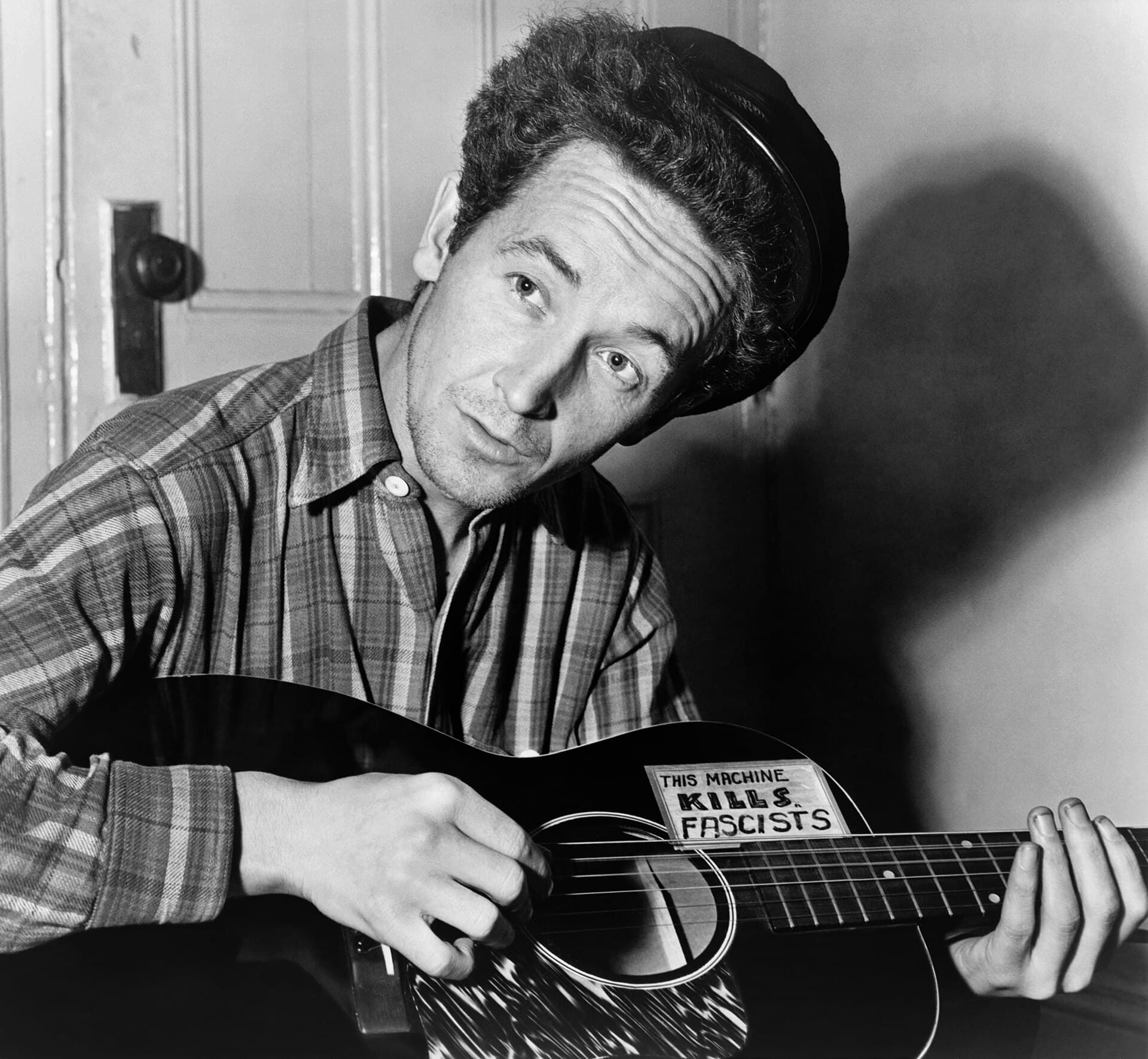 Al Aumuller/New York World-Telegram and the Sun (uploaded by User:Urban) / public domain, via Wikimedia Commons
Tour de audio autoguiado de Guthrie — ruta GPS a pie, reproducción offline, narración en 32 idiomas.
“Donde la Grandeza Victoriana se Encuentra con la Garra del Salvaje Oeste”
No las postales. Las historias que ni los locales conocen — al oído, justo donde ocurrieron.
Imagina una ciudad que se materializó casi de la noche a la mañana, con servicios municipales e incluso estacionamiento subterráneo, todo a los pocos meses de su fundación.
Este edificio histórico guarda un secreto sobre la estadidad de Oklahoma que fue entregado no por decreto oficial, sino por telégrafo.
Hay un importante espacio verde en Guthrie que alguna vez fue un próspero vecindario afroamericano.
Descubre todos los secretos de Guthrie
Cada dirección, cada revelación al completo — a tu oído, justo donde ocurrió.
Eliges tus paradas. Caminas. La voz te revela lo que los demás ignoran.
Tu tour de audioguía por Guthrie te espera — elige tus lugares, tu idioma y empieza al llegar.
ComprarGuthrie, Oklahoma, es una ciudad suspendida en un momento de gran ambición. Nacida de la energía frenética de la Carrera por la Tierra de 1889, se transformó rápidamente de una polvorienta parada de la pradera en un bullicioso centro urbano, sirviendo brevemente como capital territorial y primera capital estatal de Oklahoma. Hoy, su centro urbano es el Distrito Histórico urbano más grande de Oklahoma y uno de los más grandes de los Estados Unidos, abarcando más de 2,000 edificios en 1,400 acres.
Caminar por Guthrie es como entrar en un set de filmación viviente, con sus calles bordeadas de arquitectura comercial de finales del siglo XIX y principios del XX meticulosamente conservada. Esta integridad arquitectónica, en gran parte intacta por el desarrollo moderno debido a un giro del destino, ofrece una rara visión de las aspiraciones de una época pasada. Más allá de su sorprendente atractivo visual, Guthrie late con una animada escena cultural, ofreciendo desde teatro profesional hasta tiendas únicas y festivales anuales que celebran su perdurable herencia.
La historia de Guthrie comienza con un estallido, literalmente. El 22 de abril de 1889, las Tierras No Asignadas del Territorio Indio se abrieron para el asentamiento en lo que se conoció como la Carrera por la Tierra, o 'Harrison's Hoss Race'. Al anochecer de ese mismo día, una parada de ferrocarril llamada Deer Creek había explotado en una ciudad de tiendas de campaña de 10,000 personas. Esta metrópolis instantánea, rápidamente rebautizada como Guthrie en honor al jurista John Guthrie, fue elegida como una de las oficinas federales de tierras donde los colonos presentaban sus reclamaciones.
El crecimiento de la ciudad fue asombroso. En cuestión de meses, las tiendas de campaña fueron reemplazadas por edificios de ladrillo y arenisca, y Guthrie desarrolló rápidamente agua municipal, electricidad e incluso un sistema de transporte masivo, lo que le valió el apodo de 'Reina de la Pradera'. En 1890, con la aprobación de la Ley Orgánica, Oklahoma se convirtió en Territorio de los EE. UU., y Guthrie fue designada su capital territorial. Su prominencia continuó, y el 16 de noviembre de 1907, cuando Oklahoma se convirtió oficialmente en estado, Guthrie sirvió orgullosamente como su primera capital estatal.
El reinado de Guthrie como capital estatal fue de corta duración. Una lucha política entre el gobernador y la legislatura, junto con el rápido crecimiento de otras ciudades, llevó a una elección estatal anticipada en 1910 para decidir la capital permanente. Por mayoría de votos el 11 de junio de 1910, se seleccionó Oklahoma City, y el gobierno estatal se trasladó al sur. Esta partida, aunque inicialmente un golpe, resultó ser una notable bendición disfrazada para el patrimonio arquitectónico de Guthrie.
Mientras otras ciudades adoptaban la 'renovación urbana' y demolían estructuras antiguas para nuevos desarrollos, el declive económico y la pérdida de población de Guthrie significaron que carecía de los recursos para hacer lo mismo. Este estancamiento preservó inadvertidamente su magnífica elegancia victoriana, dejando un núcleo histórico intacto que hoy se erige como un Hito Histórico Nacional. El Distrito Histórico de Guthrie, reconocido en 1999, es el distrito urbano histórico más grande de Oklahoma, con más de 2,000 edificios que muestran la arquitectura comercial de finales del siglo XIX y principios del XX. La ciudad ha adoptado proactivamente la preservación, con la Sociedad Histórica del Condado de Logan activamente involucrada en la restauración de edificios y marcadores históricos, y una Comisión de Preservación Histórica que revisa las alteraciones exteriores dentro del distrito.
La principal atracción de Guthrie es su extenso Distrito Histórico, un Hito Histórico Nacional con más de 2,000 edificios de la era victoriana. Pasea por las aceras de ladrillo para admirar la arquitectura, que incluye elementos románicos, italianos, Beaux-Arts y neoclásicos. Muchos edificios albergan tiendas únicas, galerías de arte y restaurantes.
Sumérgete en el pasado en el Museo Territorial de Oklahoma y la Biblioteca Carnegie, que ofrecen información sobre el camino de Oklahoma hacia la estadidad. Al lado, la Biblioteca Carnegie, construida en 1902, es la biblioteca Carnegie más antigua existente en el estado. El Museo de la Farmacia Fronteriza de Oklahoma ofrece una fascinante mirada a las prácticas medicinales territoriales, con un jardín de boticario. Explora el Museo de Publicaciones de la Capital del Estado, una antigua imprenta donde el presidente Theodore Roosevelt telegrafió la declaración de estadidad de Oklahoma.
Para una gran experiencia arquitectónica, recorre el Templo Masónico del Rito Escocés, uno de los centros masónicos más grandes del mundo. El Teatro Pollard, la compañía de teatro profesional de temporada completa más antigua de Oklahoma, ofrece una diversa gama de actuaciones en vivo en un entorno histórico. Para un tipo diferente de recorrido, considera un Guthrie Ghost Walk para escuchar sobre los fantasmas locales.
Guthrie experimenta un clima templado con cuatro estaciones distintas. Para el clima más cómodo, planifica tu visita para finales de primavera (abril a mayo) u otoño (mediados de septiembre a octubre). Durante estos meses, las temperaturas son suaves, la humedad es menor y hay abundante sol, ideal para explorar el distrito histórico a pie. Los veranos (junio a principios de septiembre) pueden ser calurosos y húmedos, siendo julio el mes más caluroso, con un promedio de 94°F. Los inviernos (diciembre a febrero) son fríos pero no duros, con ligeras nevadas. Guthrie también alberga varios festivales durante todo el año, incluyendo los '89er Days, Red Brick Nights y las Celebraciones Navideñas Territoriales de Guthrie.
Guthrie se encuentra a solo 31 millas al norte del centro de Oklahoma City, fácilmente accesible a través de la Interestatal 35. Aunque Guthrie no tiene su propio aeropuerto, el Aeropuerto Mundial Will Rogers (OKC) en Oklahoma City es la opción más popular, con vuelos regulares de las principales aerolíneas. Una vez en Guthrie, el centro histórico es transitable a pie, lo que permite a los visitantes explorar las tiendas, museos y arquitectura a pie. Considera un recorrido histórico en tranvía para una visión general del distrito.
Para obtener información para visitantes, visita la Cámara de Comercio de Guthrie en 113 W. Oklahoma Avenue o el sitio web oficial de turismo. La ciudad ofrece una variedad de opciones de alojamiento, incluyendo numerosos bed and breakfasts en encantadores edificios de la época victoriana, hoteles boutique y parques de casas rodantes. Si planeas realizar alteraciones exteriores a un edificio dentro del distrito histórico, ten en cuenta que estos son revisados por la Comisión de Preservación Histórica de la Ciudad de Guthrie.
Guthrie en coreano, en chino o en hebreo — y 29 idiomas más, cada parada narrada por una voz nativa. La mayor variedad de idiomas de cualquier audioguía autoguiada.
Disponible en: