Museo de la Corte Suprema Nacional Cheroqui
Este edificio guarda un secreto sobre el tejido mismo de la comunicación para el pueblo cheroqui.
La historia completa se desbloquea en el tour
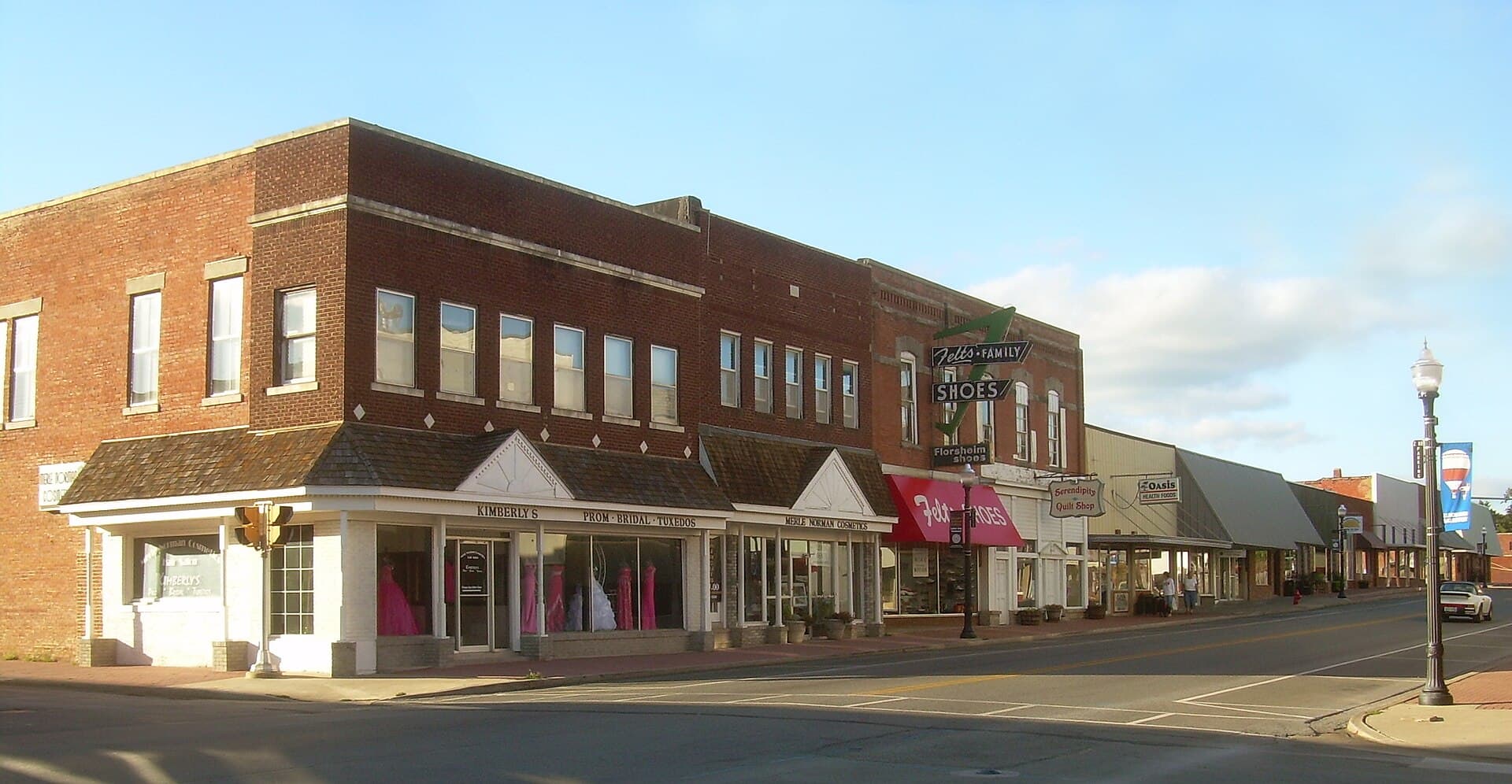 Caleb Long / CC BY-SA 2.5, via Wikimedia Commons
Tour de audio autoguiado de Tahlequah — ruta GPS a pie, reproducción offline, narración en 32 idiomas.
“Donde el espíritu perdurable de la Nación Cheroqui resuena en cada calle y en cada historia.”
No las postales. Las historias que ni los locales conocen — al oído, justo donde ocurrieron.
Este edificio guarda un secreto sobre el tejido mismo de la comunicación para el pueblo cheroqui.
Una mansión de antes de la guerra cerca de Tahlequah sobrevivió a la Guerra Civil, pero sus dueños originales nunca regresaron a vivir en ella.
Este edificio capitolino de estilo italianizante tiene una sorprendente historia posterior a la estadidad.
Descubre todos los secretos de Tahlequah
Cada dirección, cada revelación al completo — a tu oído, justo donde ocurrió.
Eliges tus paradas. Caminas. La voz te revela lo que los demás ignoran.


Tu tour de audioguía por Tahlequah te espera — elige tus lugares, tu idioma y empieza al llegar.
ComprarTahlequah, Oklahoma, es más que una ciudad; es el corazón palpitante de la Nación Cheroqui, un lugar donde la resiliencia, la cultura y la historia convergen. Establecida en 1839 como la capital de la Nación Cheroqui después del arduo Sendero de Lágrimas, Tahlequah se erige como un poderoso testimonio de la perseverancia del pueblo cheroqui. Aquí, las señales de las calles a menudo son bilingües, mostradas tanto en inglés como en el distintivo silabario cheroqui, ofreciendo una conexión tangible con la herencia lingüística que prospera dentro de la comunidad.
Tahlequah es también un vibrante centro en las estribaciones de las montañas Ozark, parte del País Verde de Oklahoma. La ciudad sirve como sede del condado de Cherokee y es el hogar de la Universidad Estatal del Noreste, la institución de educación superior más antigua de Oklahoma. Ya sea que te atraigan las narrativas de la historia nativa americana, la escena artística local o el encanto de las aventuras al aire libre en el cercano río Illinois y los lagos, Tahlequah ofrece una experiencia única y profundamente enriquecedora.
Mientras paseas por Tahlequah, descubrirás una comunidad que abraza con orgullo su pasado mientras moldea activamente su futuro. Es un lugar donde cada esquina guarda una historia, cada edificio habla de resistencia, y el espíritu de la Nación Cheroqui es palpable, invitando a los visitantes a escuchar, aprender y conectar.
## Un Nuevo Comienzo Después del Sendero de Lágrimas La historia de Tahlequah está inextricablemente ligada a uno de los capítulos más sombríos de la historia estadounidense: el Sendero de Lágrimas. Tras la expulsión forzada del pueblo cheroqui de sus tierras ancestrales en el sureste de los Estados Unidos, llegaron al Territorio Indio (actual Oklahoma). En 1839, la Nación Cheroqui restableció su gobierno y designó a Tahlequah como su nueva capital, un profundo acto de resiliencia y autodeterminación. El sitio de la ciudad fue formalmente trazado en los terrenos del consejo cheroqui en 1843, marcando el comienzo de una nueva era para la Nación.
## Crecimiento y División En sus primeros años, Tahlequah creció rápidamente hasta convertirse en una comunidad próspera. Para 1842, contenía cuatro tiendas, y en 1843, fue sede de una importante reunión intertribal a la que asistieron aproximadamente diez mil personas de 21 tribus nativas americanas diferentes. El Edificio de la Corte Suprema Nacional Cheroqui, construido en 1844, se erige hoy como el edificio público más antiguo de Oklahoma. El Cherokee Advocate, el primer periódico en el Territorio de Oklahoma, comenzó a imprimirse desde este mismo edificio en 1844, difundiendo noticias tanto en inglés como en el silabario cheroqui. Las instituciones educativas también florecieron, con la apertura del Seminario Masculino Cheroqui en 1851 y el Seminario Femenino Nacional Cheroqui (el precursor de la Universidad Estatal del Noreste) también establecido en 1851.
Sin embargo, este período de crecimiento fue interrumpido por la Guerra Civil Americana. La Nación Cheroqui se dividió, y muchos de los edificios gubernamentales originales de madera y armazón de Tahlequah fueron destruidos durante el conflicto. Una notable excepción fue la Casa Murrell, una mansión de plantación de antes de la guerra cerca de Tahlequah, que sobrevivió de manera única a la guerra.
## Reconstrucción e Identidad Moderna Después de la Guerra Civil, la Nación Cheroqui comenzó el proceso de reconstrucción. Un nuevo edificio de ladrillo para el capitolio, el Capitolio Nacional Cheroqui, se completó en 1869, sirviendo como sede del gobierno hasta la estadidad de Oklahoma en 1907. Después de la estadidad, el edificio sirvió brevemente como el Palacio de Justicia del Condado de Cherokee antes de ser devuelto a la Nación Cheroqui en 1970. A finales del siglo XIX también se produjo el establecimiento de la primera compañía telefónica en la zona en 1886 y la reconstrucción del Seminario Femenino Cheroqui en Tahlequah en 1889 después de un incendio.
Hoy, Tahlequah sirve con orgullo como capital de dos tribus cheroquis reconocidas federalmente: la moderna Nación Cheroqui y la Banda Unida Keetoowah de Indios Cheroquis. Sigue siendo un centro para la cultura, el idioma y la gobernanza cheroqui, trabajando continuamente para preservar y promover su patrimonio mientras abraza los avances modernos, como el Centro Lingüístico Durbin Feeling, una inversión significativa en el futuro del idioma cheroqui.
Comienza tu exploración en el Distrito Histórico Original de Tahlequah, donde las señales de las calles en inglés y el silabario cheroqui guían tu camino. Visita el Museo de Historia Nacional Cheroqui, ubicado en el histórico Edificio del Capitolio Nacional Cheroqui, para adentrarte en la perdurable historia de la tribu desde su antiguo pasado hasta el presente. A pocos pasos, el Museo de la Corte Suprema Nacional Cheroqui (el edificio público más antiguo de Oklahoma) ofrece información sobre el sistema legal de la Nación Cheroqui y la historia del periódico Cherokee Advocate. No te pierdas el Museo de la Prisión Nacional Cheroqui, que ofrece una visión de la justicia del siglo XIX dentro de la Nación Cheroqui.
Para una inmersión más profunda en la cultura cheroqui, dirígete al Centro del Patrimonio Cheroqui. Aquí, puedes explorar el Pueblo Cheroqui Diligwa 1710, una exhibición de historia viva que representa un municipio cheroqui del siglo XVIII, y el Pueblo Rural Adams Corner, que muestra la vida cheroqui en la década de 1890. El centro también presenta una poderosa exhibición del Sendero de Lágrimas y el Centro de Investigación Familiar Cheroqui. Un corto trayecto en coche te llevará a la Casa Murrell (Hogar del Cazador), la única mansión de plantación de antes de la guerra que sobrevive en Oklahoma, ofreciendo una perspectiva única sobre la compleja historia de la región. Para los entusiastas del aire libre, el río Illinois ofrece oportunidades para flotar, hacer kayak y pescar, mientras que el cercano Lago Tenkiller proporciona amplias actividades recreativas.
Las mejores épocas para visitar Tahlequah para disfrutar de un clima agradable y actividades al aire libre son generalmente desde principios de mayo hasta principios de octubre, o más específicamente, abril, mayo, septiembre y octubre. Durante estos meses, puedes esperar temperaturas agradables, ideales para explorar sitios históricos y disfrutar del pintoresco río Illinois o los lagos cercanos. El otoño, en particular, ofrece la belleza adicional del colorido follaje en las estribaciones de los Ozarks. Los veranos pueden ser muy cálidos y húmedos, siendo julio el mes más caluroso, mientras que los inviernos son fríos, con enero registrando temperaturas mínimas promedio de alrededor de -2°C (28°F).
Tahlequah se explora mejor en coche, ya que muchas atracciones están distribuidas por la ciudad y sus alrededores. Si vuelas, el Aeropuerto Internacional de Tulsa (TUL) es la opción más conveniente. Las opciones de alojamiento van desde hoteles y moteles hasta cabañas y campamentos, satisfaciendo diversas preferencias. Al visitar los museos y sitios culturales de la Nación Cheroqui, consulta sus sitios web para conocer los horarios de funcionamiento actuales y las tarifas de entrada, ya que algunos ofrecen entrada gratuita para ciudadanos cheroquis reconocidos federalmente. Muchas empresas locales, especialmente en el centro histórico, son de propiedad local, ofreciendo experiencias únicas de compras y restaurantes. Para actividades al aire libre en el río Illinois, varios proveedores ofrecen alquiler de canoas, kayaks, balsas y tubos. Es aconsejable reservar con antelación, especialmente durante la temporada alta. Recuerda llevar protector solar y equipo de protección para las excursiones por el río.
Tahlequah en coreano, en chino o en hebreo — y 29 idiomas más, cada parada narrada por una voz nativa. La mayor variedad de idiomas de cualquier audioguía autoguiada.
Disponible en: