Sydekumstraße
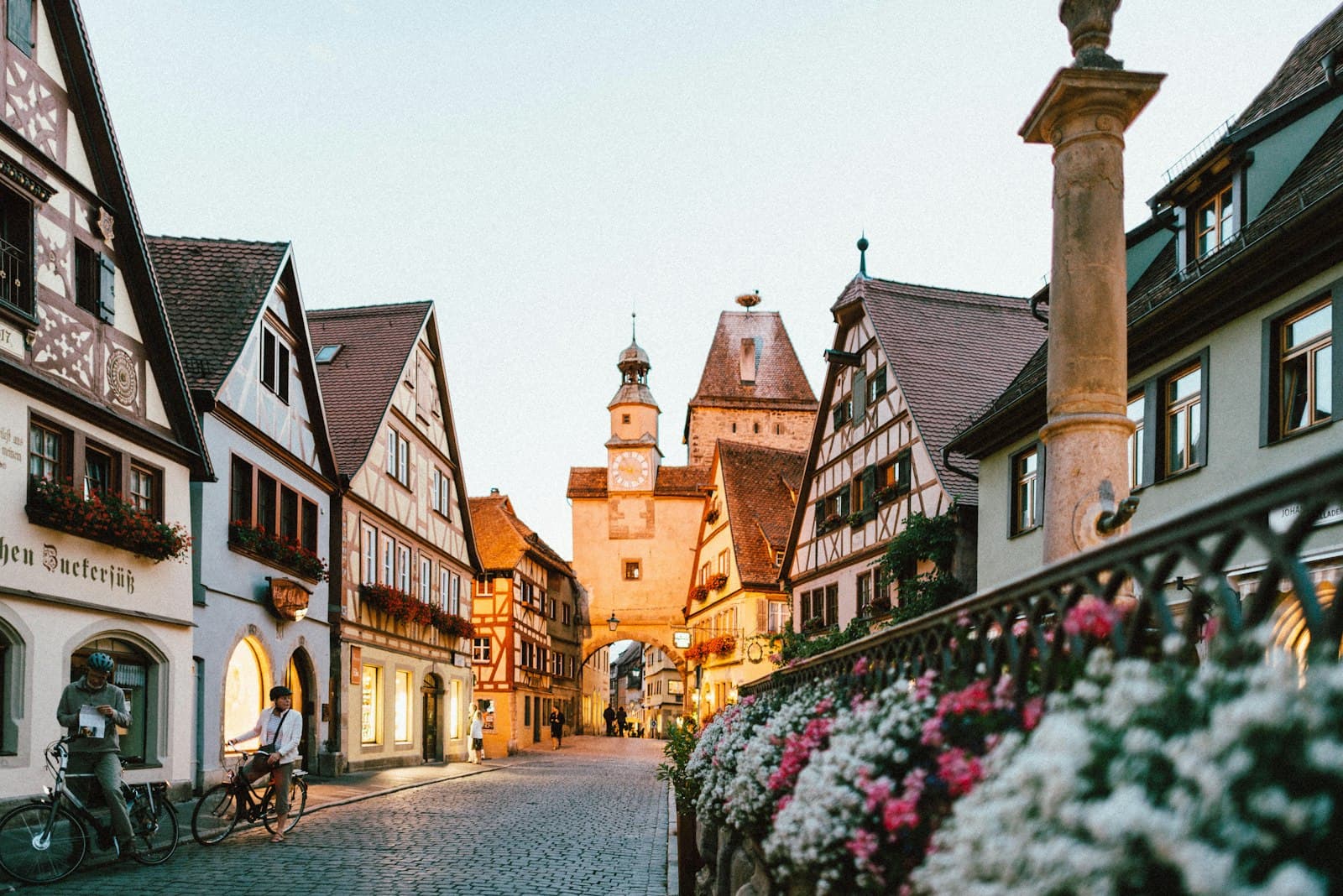
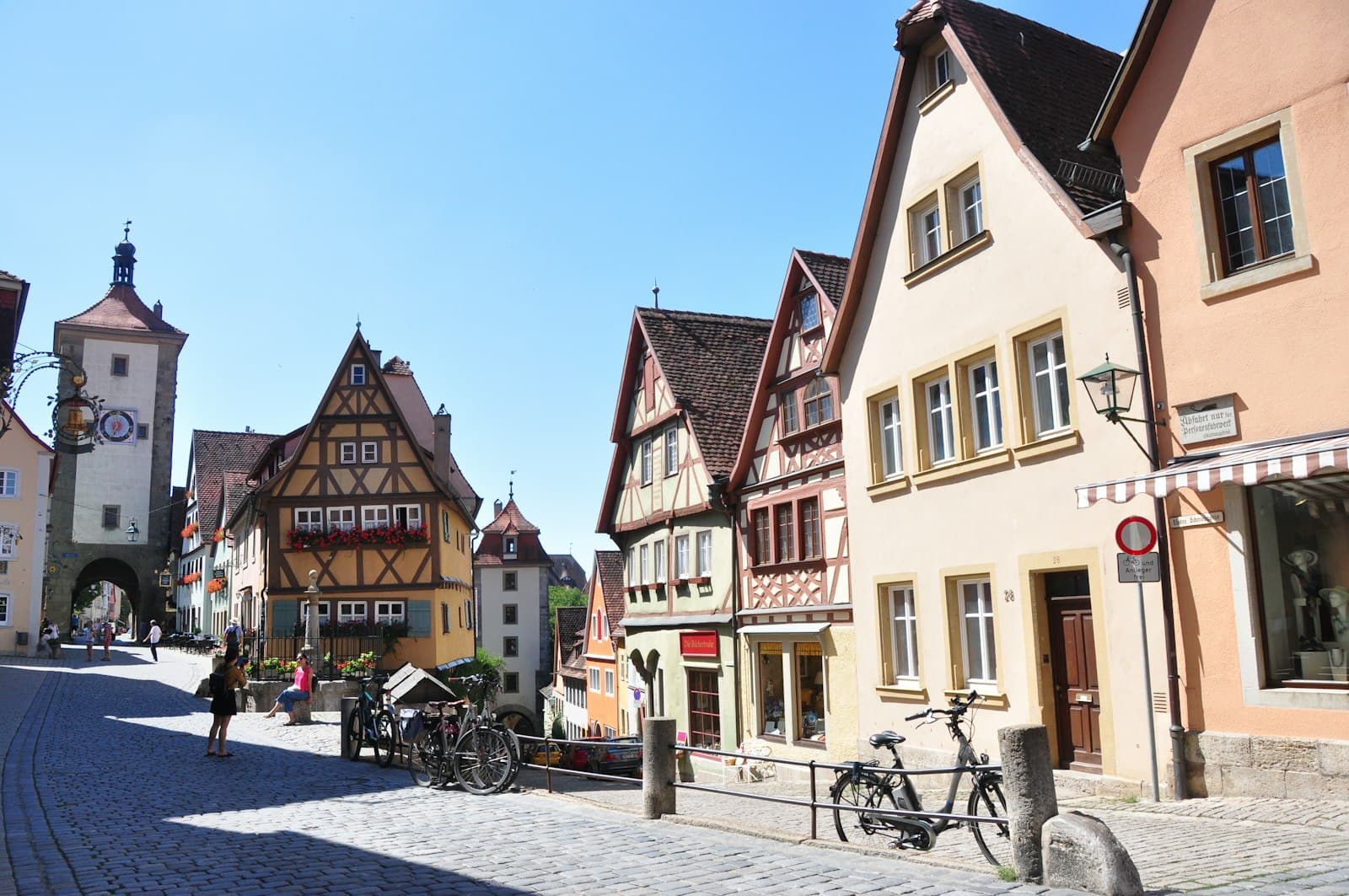
Une rue particulière de Hann. Münden semble presque épargnée par la modernité, avec des maisons qui semblent avoir leur propre caractère.
L'histoire complète se débloque dans le tour
 Axel Hindemith / Public domain, via Wikimedia Commons
Visite audio autoguidée de Hann. Münden — parcours GPS à pied, lecture hors ligne, narration en 32 langues.
“Là où trois rivières convergent, et l'histoire est gravée dans le bois.”
Pas les cartes postales. Les histoires que même les habitants ignorent — soufflées à l'oreille, là où elles se sont passées.
Une rue particulière de Hann. Münden semble presque épargnée par la modernité, avec des maisons qui semblent avoir leur propre caractère.
À un point précis de Hann. Münden, une pierre marque un événement géographique qui impacte un fleuve allemand majeur.
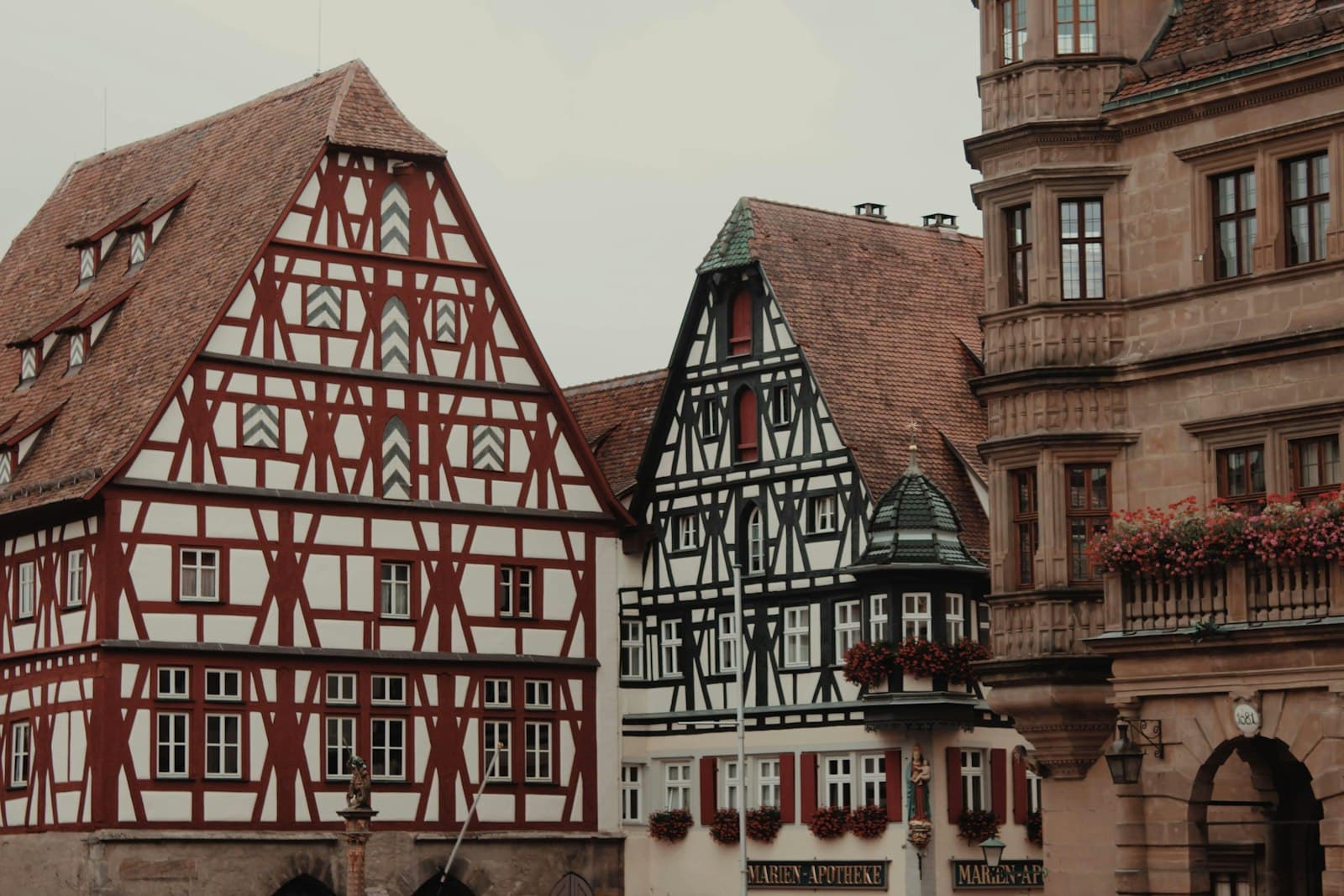
Trois fois par jour, le pignon orné de l'Hôtel de Ville de Hann. Münden offre un bref spectacle musical qui raconte une histoire locale.
Découvrez tous les secrets de Hann. Münden
Chaque adresse, chaque révélation en entier — dans ton oreille, là où elle s'est passée.
Tu choisis tes lieux. Tu marches. La voix te révèle ce que les autres ignorent.
Votre visite audioguidée de Hann. Münden vous attend — choisissez vos lieux, votre langue, et lancez-vous dès votre arrivée.
AcheterLume intègre un guide en réalité augmentée. Levez votre téléphone : sa caméra montre la rue devant vous, avec une flèche lumineuse posée sur l'image réelle qui pointe toujours vers votre prochain arrêt — aucune carte à déchiffrer, aucun mauvais virage. Comme tout dans Lume, ça fonctionne entièrement hors-ligne.
Hann. Münden, souvent simplement appelée Münden par les locaux, est une ville de Basse-Saxe, en Allemagne, réputée pour son caractère médiéval et sa position géographique unique. Elle repose au confluent de trois rivières : la Werra et la Fulda, qui se rejoignent pour former la Weser. Cette étreinte aquatique, associée aux forêts environnantes, crée un cadre pittoresque qui a inspiré Alexander von Humboldt, qui l'aurait qualifiée de l'une des sept villes les mieux situées au monde. Avec une population d'environ 24 000 habitants, Hann. Münden offre une évasion tranquille dans un paysage où nature et histoire s'entremêlent.
La ville est une étape importante sur la Route allemande des maisons à colombages, et pour cause. Son centre historique abrite plus de 700 maisons à colombages bien conservées, certaines datant de plus de 600 ans, présentant un riche éventail de styles architecturaux. Se promener dans ses ruelles atmosphériques révèle de magnifiques bâtiments ornés d'inscriptions complexes, d'oriels et de portes historiques. Au-delà de sa splendeur architecturale, Hann. Münden est également profondément liée à la légende du Docteur Eisenbart, le célèbre chirurgien baroque, dont l'histoire est tissée dans l'identité de la ville.
Les origines de Hann. Münden remontent au village de Gimundi, mentionné pour la première fois en 802 dans des documents détaillant une donation à l'abbaye de Fulda. Le nom de la ville, « Münden », signifie lui-même « confluence » en vieux allemand, une référence directe à son emplacement pivot où les rivières Werra et Fulda s'unissent pour former la Weser. Les droits de cité ont probablement été accordés dans la seconde moitié du XIIe siècle, ouvrant la voie à sa croissance.
Un moment charnière dans l'histoire de Hann. Münden survient en 1247 lorsque le duc Otto Ier de Brunswick accorde à la ville le « Stapelrecht », ou le droit d'empiler les marchandises. Ce puissant privilège exigeait que tous les navires de passage déchargent leurs marchandises à Hann. Münden et les proposent à la vente aux citoyens de la ville pendant trois jours. Cet avantage économique a apporté une prospérité et une richesse considérables, qui sont encore visibles aujourd'hui dans l'impressionnante collection de bâtiments à colombages et d'architecture de la Renaissance de la Weser.
La ville n'a pas été épargnée par les conflits qui ont balayé l'Europe. Pendant la Guerre de Trente Ans, Hann. Münden fut attaquée par le comte Tilly en 1626, entraînant d'importantes pertes humaines. Plus tard, pendant la Guerre de Sept Ans à partir de 1757, les troupes françaises occupèrent la ville. Un petit plateau militaire sur la montagne de Questenberg, connu sous le nom de Franzosenschanze, sert de rappel de ces temps.
Malgré ces défis, Hann. Münden a favorisé le développement culturel et intellectuel. En 1707, l'inventeur français Denis Papin a navigué un bateau à aubes propulsé par une pompe à vapeur sur la rivière Fulda, de Kassel à Münden, un exploit pionnier dans la navigation à vapeur. En 1868, le roi Guillaume Ier de Prusse a fondé une université forestière à Hann. Münden, ce qui a conduit à la création du Forstbotanischer Garten, un jardin botanique dédié aux arbres. Cette académie a ensuite fusionné avec l'Université de Göttingen. La ville entretient également un lien significatif, bien que quelque peu embelli, avec Johann Andreas Eisenbart, un chirurgien renommé de l'époque baroque qui y est décédé en 1727. Son héritage est célébré à travers divers mémoriaux et représentations dans la ville.
L'engagement de Hann. Münden à préserver son patrimoine architectural lui a valu de nombreuses distinctions, dont une médaille d'or au concours national « Urbanisme et protection des monuments dans l'aménagement urbain » et le prix « Europa Nostra ». Depuis les années 1960, la ville emploie activement des conservateurs pour maintenir son caractère historique, et elle a été cofondatrice de la « Route allemande des maisons à colombages ». Aujourd'hui, avec son centre médiéval bien conservé et ses efforts continus pour intégrer son paysage fluvial à travers des projets comme l'art interactif « Wasserspuren » (Traces d'eau), Hann. Münden témoigne de son histoire durable et de son dévouement à son identité unique.
Le centre historique de Hann. Münden est un plaisir à explorer à pied, avec ses plus de 700 maisons à colombages présentant des styles variés et des détails complexes. Commencez par l'Hôtel de Ville de la Renaissance de la Weser, un bâtiment impressionnant du début du XVIIe siècle avec une façade ornementale élaborée, des maisons naines uniques et un oriel à deux étages. À l'intérieur, des fresques des années 1920 représentent des scènes de l'histoire de la ville, et des marques de hautes eaux sur le mur rappellent les inondations passées. Ne manquez pas le carillon dans le pignon, qui joue trois fois par jour, illustrant une scène de la vie du Docteur Eisenbart.
À quelques pas se trouve l'Église Saint-Blaise (St. Blasius Kirche), une église-halle gothique datant des XIVe et XVe siècles, qui abrite le sarcophage du duc Éric Ier de Brunswick-Calenberg. À proximité, l'Église Sainte-Aegidien (St. Aegidien Kirche) abrite la pierre tombale du Docteur Eisenbart. Sa maison mortuaire, l'ancienne auberge « Zum Wilden Mann » au Lange Straße 79, est également marquée d'une statue en bois.
Traversez le Vieux Pont de la Werra (Alte Werra Brücke), l'un des plus anciens ponts en pierre de la région, qui relie la ville au quartier historique de Blume. Continuez jusqu'au Weserstein, un monument marquant le point exact où les rivières Werra et Fulda convergent pour former la Weser. Pour des vues imprenables sur la ville et le paysage fluvial environnant, montez à la Tour Tillyschanze, une tour d'observation construite en mémoire du siège de 1626. Le Welfenschloss, un ancien château gothique et de la Renaissance de la Weser, abrite désormais les archives municipales, le tribunal de district et un musée. Pour une évasion paisible, explorez le Forstbotanischer Garten, un arboretum établi pour l'ancienne Académie royale prussienne de foresterie.
Hann. Münden est une destination qui offre quelque chose en toute saison, bien que les mois les plus chauds offrent généralement le plus d'opportunités pour les activités de plein air. De mai à octobre, des excursions en bateau et des croisières sur les rivières Fulda et Weser sont disponibles, permettant de profiter sereinement des paysages fluviaux idylliques. Cette période est également idéale pour faire du vélo le long de l'un des nombreux itinéraires longue distance qui partent de Hann. Münden, ou pour la randonnée dans les parcs naturels environnants. En hiver, la ville se transforme avec un marché de Noël traditionnel et le festival « Magie de la Lumière », créant une atmosphère chaleureuse.
Hann. Münden est facilement accessible en voiture, située juste à côté de l'autoroute A7 entre Kassel et Göttingen. La ville est agréable pour les piétons, son centre historique étant mieux exploré à pied. Un parking est disponible en périphérie du centre-ville. Les transports en commun relient Hann. Münden aux villes voisines comme Kassel et Göttingen par train. La monnaie officielle est l'Euro, et l'allemand est la langue principale parlée. Une variété d'options d'hébergement sont disponibles, y compris des hôtels comme l'Hotel im Anker, le Trans World Hotel Auefeld et l'Hotel Aegidienhof, qui offrent différentes commodités et gammes de prix. De nombreux hôtels sont adaptés aux cyclistes, offrant des services adaptés aux vélos. Des informations touristiques sont disponibles à l'Hôtel de Ville.
Hann. Münden en coréen, en chinois ou en hébreu — et dans 29 autres langues, chaque étape narrée par une voix native. La plus large gamme de langues de tous les audioguides autoguidés.
Disponible en :