Kalvarienberg Church
This church holds a curious connection to a very specific, and rather unusual, Viennese tradition.
Full story unlocks in the tour
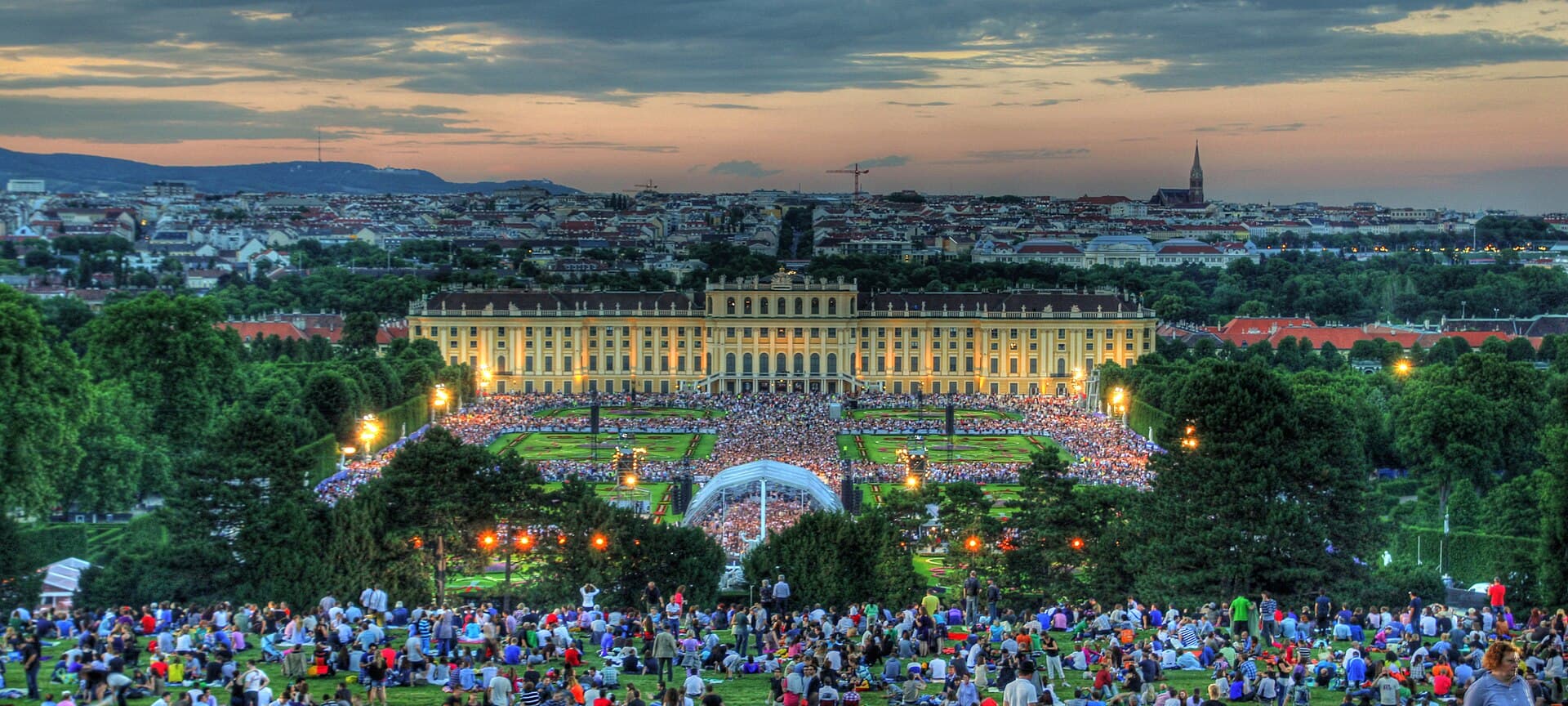 Superbass / cc by-sa 3.0, via Wikimedia Commons
Self-guided audio walking tour of Hernals — GPS route, offline playback, story-driven narration in 32 languages.
“Where Vienna's urban pulse meets vineyard whispers.”
Not the postcards. The stories even locals don't know — whispered in your ear, right where they happened.
This church holds a curious connection to a very specific, and rather unusual, Viennese tradition.
Among the quiet graves here lies a man whose name is synonymous with a certain sweet, and very Viennese, indulgence.
A seemingly ordinary building once hosted a meeting that shaped the future of a global musical movement.
Discover every secret of Hernals
Every address, every reveal in full — in your ear, right where it happened.
You pick your stops. You walk. The voice reveals what the others miss.

Your self-guided audio tour of Hernals is ready — pick your landmarks, choose your language, and start the moment you arrive.
BuyLume has a built-in augmented-reality guide. Hold your phone up and its camera shows the street ahead of you, with a glowing arrow laid over the real view that always points to your next stop — no map to puzzle over, no wrong turns. Like everything in Lume, it works fully offline.
Hernals, Vienna's 17th district, offers a compelling blend of urban vibrancy and tranquil green spaces. Situated in the western part of the city, it stretches from the Gürtel, Vienna's inner ring road, up into the Wienerwald (Vienna Woods). This district is characterized by its diverse architecture, ranging from grand Gründerzeit buildings to charming vineyard cottages, reflecting its evolution from a rural village to an integral part of the metropolis.
Beyond its picturesque streets, Hernals is a district with a distinct character, shaped by its proximity to both the city center and nature. It's a place where you can find bustling shopping streets alongside serene parks and vineyards, offering a unique Viennese experience that feels both authentic and inviting. The district's elevation provides wide-ranging views of the city, especially from its higher reaches.
## From Roman Roads to Imperial Retreats Hernals's story stretches back to Roman times, with evidence of a Roman road, part of the 'Limes Germanicus,' running through what is now the Hernalser Hauptstraße. The name 'Hernals' itself is believed to derive from 'Herrn Alhart's Aue' (Lord Alhart's Meadow), first mentioned in documents from the 12th century. For centuries, Hernals remained a largely agricultural area, known for its vineyards and market gardens that supplied Vienna with fresh produce.
## The Rise of a Suburb The 17th century saw Hernals gain prominence as a popular summer retreat for Viennese nobility and wealthy citizens, drawn by its fresh air and scenic beauty. Grand villas and palaces, such as Neuwaldegg Palace, began to dot the landscape, transforming the rural character of the area. The district's strategic location along important trade routes also contributed to its growth, fostering the development of inns and taverns, some of which became cultural hubs. Ludwig van Beethoven, for instance, was a frequent visitor to the Hernalserhof, where he even penned significant works.
## Industrialization and Integration The 19th century brought significant changes with the advent of industrialization. Factories, particularly breweries, emerged, attracting a new wave of residents and altering the district's social fabric. In 1892, Hernals, along with several surrounding villages, was incorporated into the city of Vienna, officially becoming the 17th district. This integration led to further urban development, including the construction of public buildings, schools, and improved infrastructure. Despite these changes, Hernals managed to retain much of its charm, with its vineyards and green spaces continuing to be cherished elements of the district's identity.
Begin your exploration at the Kalvarienberg Church, a baroque masterpiece known for its unique Palm Sunday procession. Wander through the peaceful Dornbach Cemetery, where you can find the grave of August Zang, credited with introducing the croissant to Vienna. For a glimpse into imperial grandeur, visit Neuwaldegg Palace and its expansive park, once home to an exotic animal collection. Nature lovers will appreciate the Wienerwald (Vienna Woods) on the district's western edge, offering numerous hiking and biking trails. Do not miss the wide-ranging views from the Jubiläumswarte (Jubilee Tower), built to commemorate Emperor Franz Joseph I's 50-year reign. For a taste of local life, stroll along the Hernalser Hauptstraße, the district's main thoroughfare, with its shops and cafes. Football enthusiasts might enjoy seeing the historic Sportclub-Platz, home to the Wiener Sport-Club.
Hernals is delightful year-round. Spring and autumn offer pleasant temperatures for exploring the vineyards and parks, with rich foliage in the fall. Summer brings lively outdoor activities and open-air events. Winter, while colder, provides a charming, quieter atmosphere, and the proximity to the Vienna Woods can offer opportunities for winter walks. For specific cultural events like the 'Palmesel' procession, plan your visit around Palm Sunday.
Hernals is well-connected to Vienna's public transport network. The U6 subway line (stations Michelbeuern-AKH, Alser Straße, and Thaliastraße) provides easy access to the city center. Numerous tram lines (e.g., 2, 9, 43, 44) and bus routes also serve the district. For exploring the higher, greener parts of Hernals, comfortable walking shoes are recommended. Many establishments accept credit cards, but having some euros for smaller purchases or local markets is advisable. The official language is German, but English is widely understood in tourist-frequented areas. Tipping is customary in restaurants and cafes, usually around 5-10%.
Hernals in Korean, in Chinese or in Hebrew — and 29 more languages, every stop narrated by a native voice. The widest language range of any self-guided audio tour.
Available in: