Hohenems Palace Library
Two of the three most important manuscripts of a foundational German epic were once thought lost to history, only to resurface in a most unexpected place.
Full story unlocks in the tour
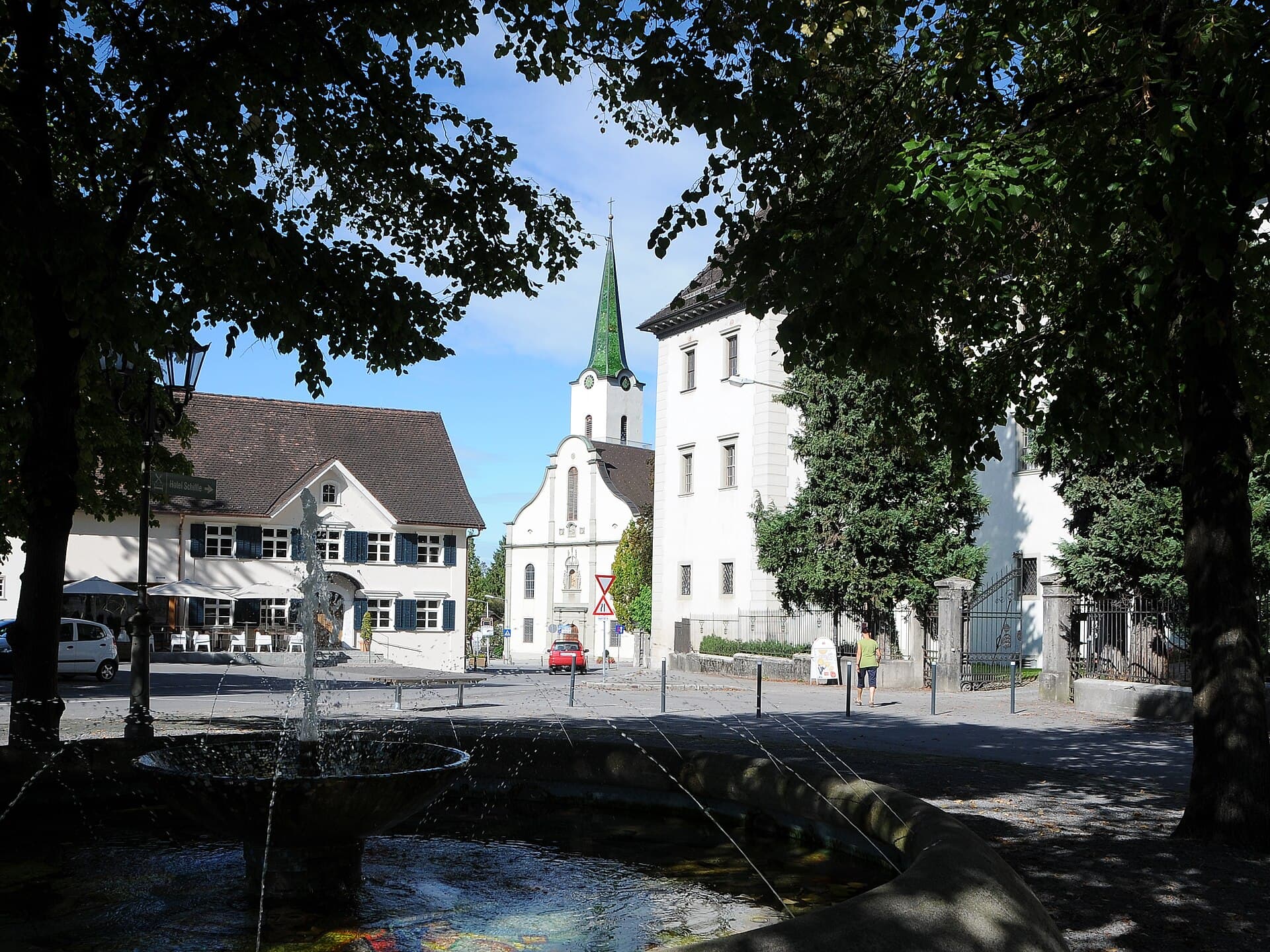 böhringer friedrich / CC BY-SA 3.0, via Wikimedia Commons
Self-guided audio walking tour of Hohenems — GPS route, offline playback, story-driven narration in 32 languages.
“Where medieval epics and Renaissance grandeur intertwine with a profound Jewish heritage.”
Not the postcards. The stories even locals don't know — whispered in your ear, right where they happened.
Two of the three most important manuscripts of a foundational German epic were once thought lost to history, only to resurface in a most unexpected place.
The remnants of a once-mighty fortress stand above Hohenems, hinting at a scale that rivaled the largest in Central Europe.
A singular urban ensemble tells a story of centuries of coexistence, though not without its challenges.
Discover every secret of Hohenems
Every address, every reveal in full — in your ear, right where it happened.
You pick your stops. You walk. The voice reveals what the others miss.
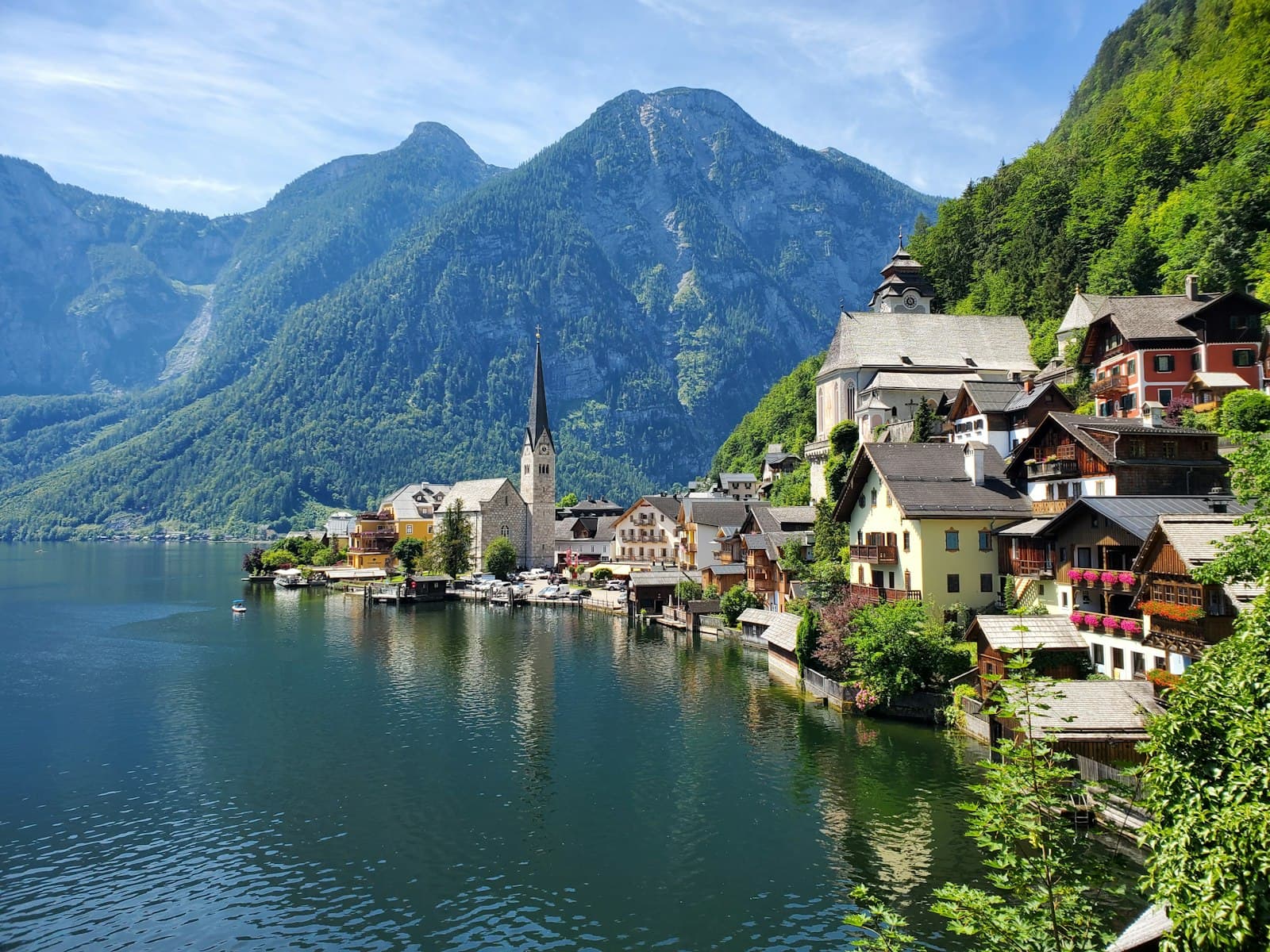
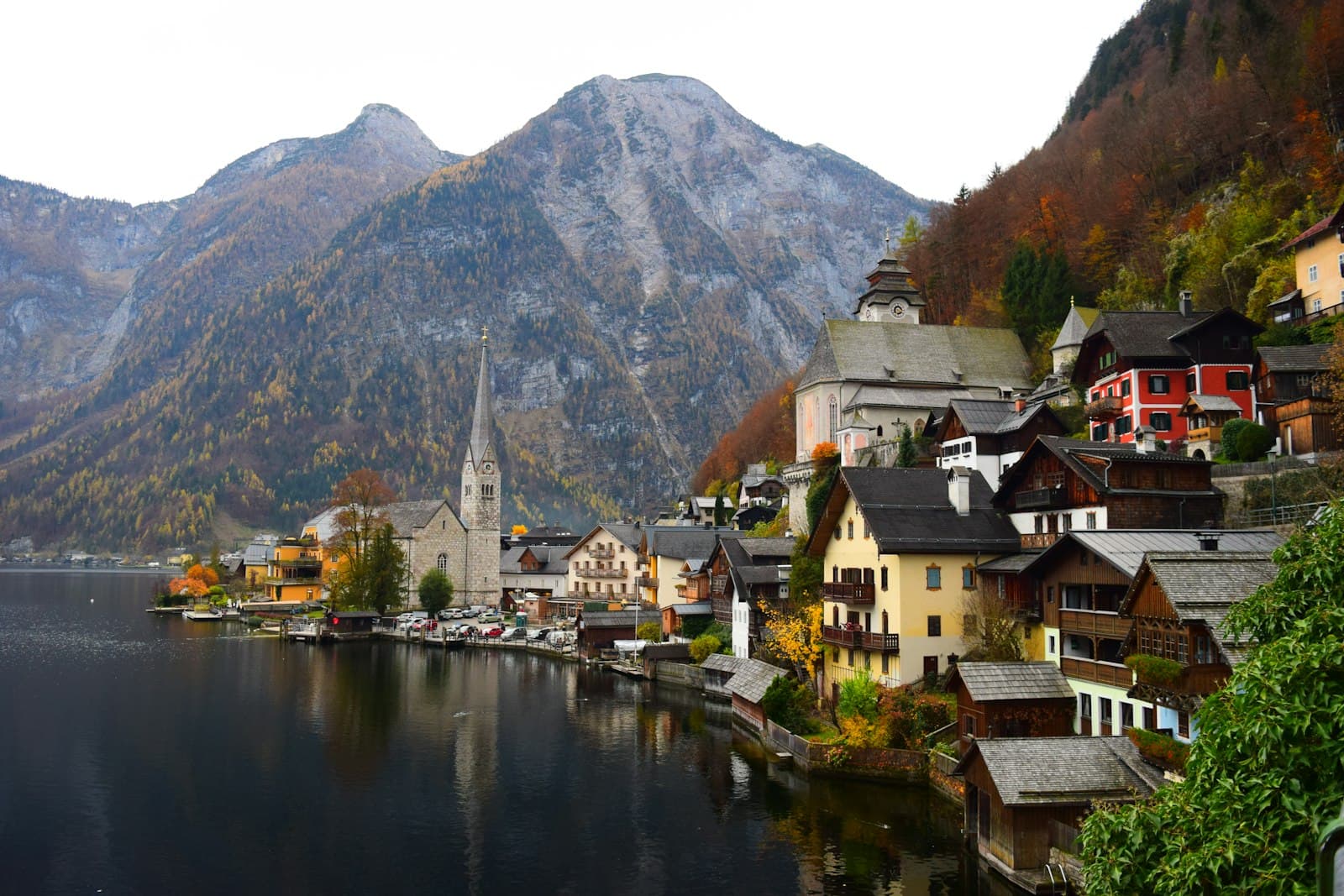
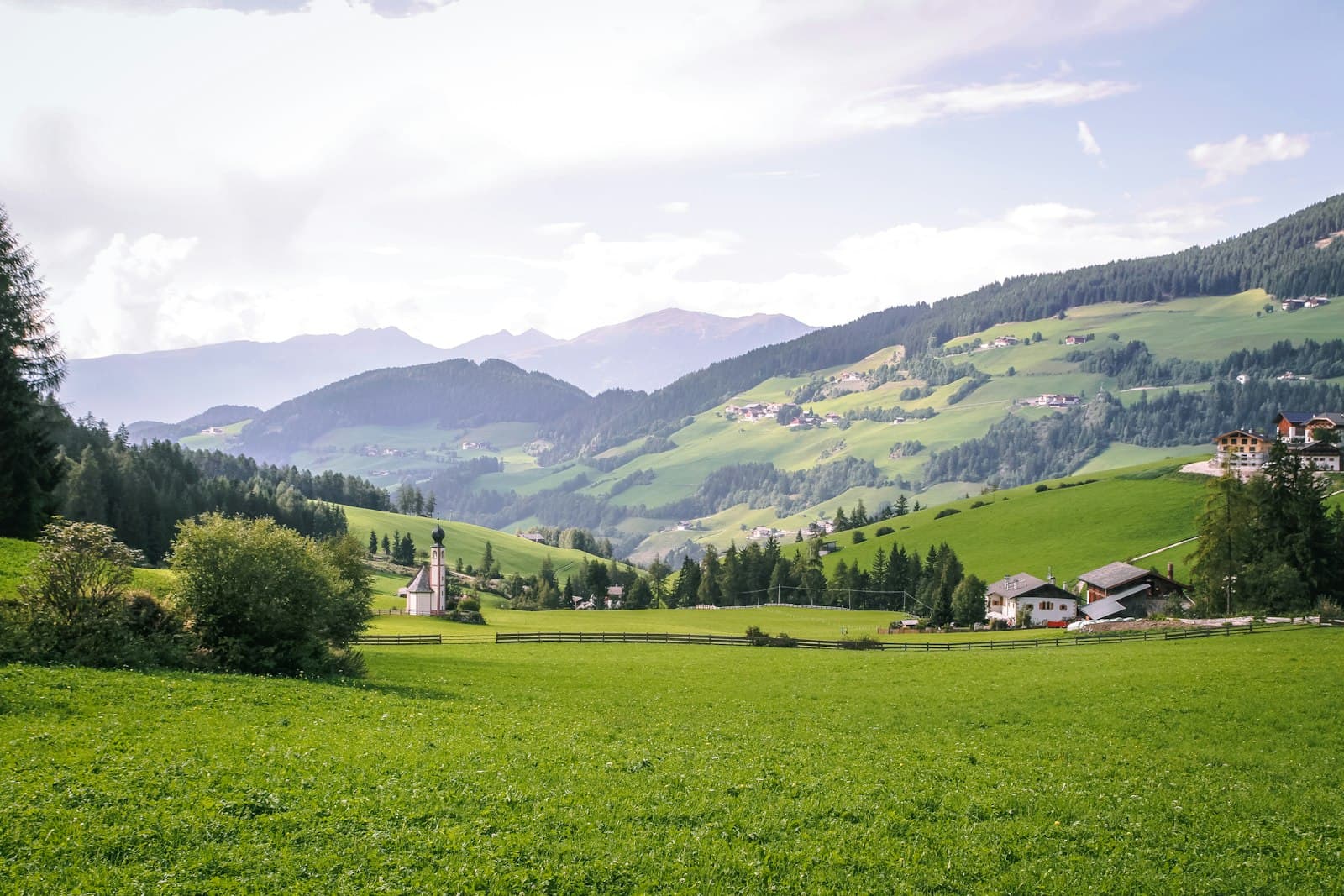
Your self-guided audio tour of Hohenems is ready — pick your landmarks, choose your language, and start the moment you arrive.
BuyLume has a built-in augmented-reality guide. Hold your phone up and its camera shows the street ahead of you, with a glowing arrow laid over the real view that always points to your next stop — no map to puzzle over, no wrong turns. Like everything in Lume, it works fully offline.
Hohenems, a picturesque town in Austria's westernmost state of Vorarlberg, offers a captivating blend of Renaissance elegance, profound cultural depth, and compelling natural beauty. Situated in the Rhine Valley, close to the Swiss border, it provides a serene escape with a surprisingly deep history.
Despite its modest size and a population of around 17,000, Hohenems plays a significant role in the cultural life of the region. A stroll through its streets feels like a journey through time, where grand palaces stand alongside a remarkably preserved Jewish Quarter, and the echoes of medieval epics resonate through its historical sites.
## From Castle Stronghold to Renaissance Seat Hohenems traces its origins back to a 9th-century castle, Alt-Ems, which grew to become one of the largest fortifications in the south of the German kingdom by the 12th century. This extensive stronghold, stretching up to 800 meters, served as a residence for numerous lords and knights and even as a prison for notable figures like King William III of Sicily.
While Hohenems was granted municipal rights in 1333, it didn't fully utilize them until 1983, when it officially received city status. The town's history is inextricably linked to the noble family of the Counts of Ems. Their fortunes soared in the 16th century, particularly after a family connection to Pope Pius IV, which led to their elevation to Counts Imperial.
This newfound status prompted the construction of Hohenems Palace between 1562 and 1567, a magnificent Renaissance edifice designed by Italian architect Martino Longhi. The palace, with its Italianate architecture, remains one of the most significant Renaissance buildings in western Austria and is still owned by the Waldburg-Zeil family.
## A Flourishing Jewish Community Beyond its aristocratic heritage, Hohenems is distinguished by its unique Jewish Quarter. In 1617, Count Kaspar of Hohenems issued a 'charter of protection,' inviting Jewish families to settle and establish a community to stimulate the local economy. This led to the development of a flourishing Jewish community with its own synagogue, school, ritual bath (mikvah), and cemetery.
The Jewish community prospered, reaching its demographic peak in the first half of the 19th century. Hohenems Jews became successful merchants, particularly in Switzerland and Italy, as they were initially prohibited from doing business in Vorarlberg province. However, the late 19th century saw a decline in the community's numbers due to emigration and the rise of anti-Semitism. By 1939, only a handful of Jews remained, and the community was forcibly dissolved in 1940, with the remaining members deported. Today, the Jewish Museum Hohenems stands as an internationally acclaimed institution, preserving and sharing the history of this significant community.
Begin your exploration at the majestic Hohenems Palace (Palast Hohenems), a striking Renaissance monument and one of western Austria's most important architectural treasures. While a private residence, its exterior and the surrounding Schlossplatz offer a glimpse into centuries of aristocratic legacy.
Adjacent to the palace, discover the Jewish Quarter, a beautifully preserved architectural ensemble singular in the region. Here, the Jewish Museum of Hohenems provides a profound insight into the history and coexistence of different cultures. The former synagogue, now the Salomon Sulzer Saal, hosts cultural events, and the square in front of it has been thoughtfully redesigned.
For expansive vistas, embark on a hike to the ruins of Alt-Ems Castle on the Schlossberg. This moderately challenging ascent rewards you with sweeping 360-degree views of the Rhine Valley, the Swiss Alps, and even Lake Constance.
Do not miss the Schubertiade Museum and Franz Schubert Museum, dedicated to the life and works of the renowned composer, especially if you are a classical music enthusiast. Another singular attraction is Stoffels Säge-Mühle, an open-air museum showcasing the history of sawmilling and grinding technologies. For a relaxing stroll, the 'Old Rhine' (Alter Rhein) recreation area offers picturesque paths for walking, jogging, and cycling.
The best time to visit Hohenems for general outdoor tourist activities and comfortable exploration is from late June to early September. During these summer months, average daytime temperatures hover around a pleasant 21–22°C, ideal for walks and outdoor excursions. Spring (March to May) and early autumn (mid-September through October) also offer enjoyable weather with fewer crowds and blooming scenery or vivid fall colors, respectively. Be prepared for the possibility of rain throughout the year, so an umbrella or waterproof jacket is always a good idea.
Hohenems is easily accessible by train, with its own railway station offering connections from Lindau and Bregenz. While the town is compact and walkable, especially the historic center, having a car can be beneficial for exploring the surrounding Vorarlberg region and its proximity to Switzerland and Liechtenstein. The town center offers a modest urban ambiance with hotels, shops, and restaurants.
For local information and assistance, the Hohenems Tourist Office is located at Marktstraße 2. The local currency is the Euro (€). While credit cards are widely accepted, it's always wise to carry some cash for smaller establishments. Hohenems is considered a very safe and quiet town for tourists.
Hohenems in Korean, in Chinese or in Hebrew — and 29 more languages, every stop narrated by a native voice. The widest language range of any self-guided audio tour.
Available in: