The Moat surrounding Lamphun Old Town
Lamphun's ancient moat is more than a waterway; it is a lively ecosystem with an unexpected, feathered, and furry population.
Full story unlocks in the tour
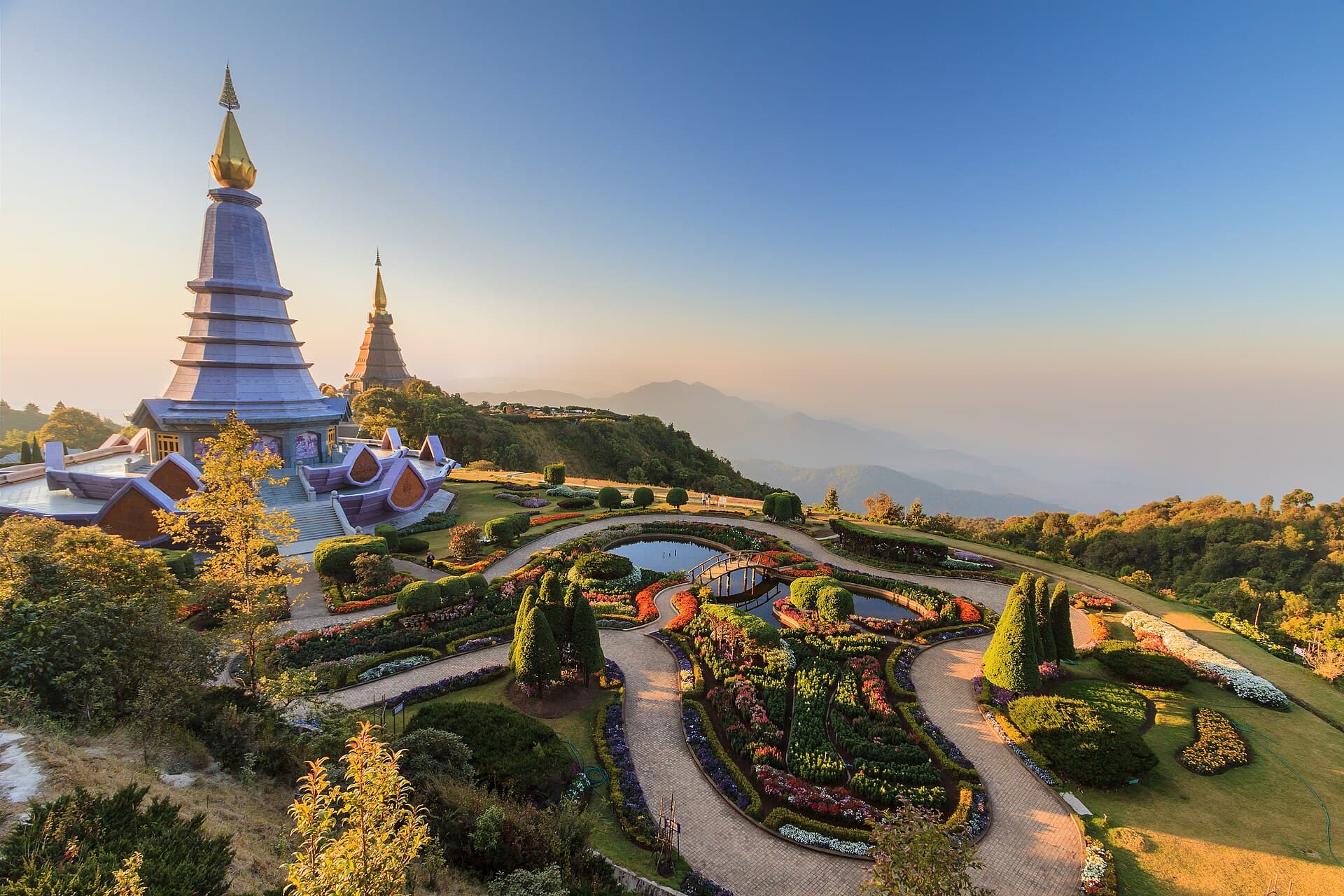 Khunkay / cc by-sa 3.0, via Wikimedia Commons
Self-guided audio walking tour of Lamphun — GPS route, offline playback, story-driven narration in 32 languages.
“Lamphun: Where ancient legends unfold from golden chedis and tranquil moats.”
Not the postcards. The stories even locals don't know — whispered in your ear, right where they happened.
Lamphun's ancient moat is more than a waterway; it is a lively ecosystem with an unexpected, feathered, and furry population.
The origin story of the sacred Buddha relic within Lamphun's most revered temple involves a rather unusual, winged messenger.
This ancient temple, dedicated to Lamphun's legendary founder, holds a secret about her final resting place.
Discover every secret of Lamphun
Every address, every reveal in full — in your ear, right where it happened.
You pick your stops. You walk. The voice reveals what the others miss.


Your self-guided audio tour of Lamphun is ready — pick your landmarks, choose your language, and start the moment you arrive.
BuyLume has a built-in augmented-reality guide. Hold your phone up and its camera shows the street ahead of you, with a glowing arrow laid over the real view that always points to your next stop — no map to puzzle over, no wrong turns. Like everything in Lume, it works fully offline.
Lamphun, often a quiet counterpoint to its bustling neighbor Chiang Mai, offers a captivating journey back in time, providing a tranquil and authentic Northern Thai experience. As Thailand's oldest continuously occupied city, its roots stretch back over 1,300 years, to its founding as the capital of the Hariphunchai Kingdom. This serene province, situated between the Kuang and Ping rivers, embodies a harmonious blend of Dvaravati, Mon, and Lanna heritage, drawing visitors with its timeless atmosphere and profound cultural offerings.
Stepping into Lamphun means embracing a slower pace of life, where ancient temples stand as testaments to centuries of faith and tradition. The city's compact size makes it wonderfully walkable, allowing for reflective days spent exploring its significant sights, from golden chedis to quiet markets. Lamphun offers a unique glimpse into Thailand's past, making it an ideal destination for those seeking cultural immersion and a peaceful escape from more crowded tourist hubs.
Lamphun's story begins over 1,343 years ago as Mueang Hariphunchai, an ancient city founded by Wasuthep the Hermit. He gathered the Mon people and built the town between the Kuang and Ping rivers. Princess Chammathewi of Mueang Lawo (modern-day Lopburi) was invited to become its first queen and ruler, establishing a dynasty that governed the region for centuries. Under Queen Chammathewi, Lamphun flourished, becoming the most powerful Mon center in the North and a significant hub for Theravada Buddhism.
The city's strategic location in the fertile Kuang River valley ensured stable agriculture and access to trade routes, while its unique oval shape, surrounded by a double ring of moats and walls, provided strong defenses. Lamphun maintained its independence as an enclave of the Dvaravati Mon civilization for a long time, developing a high level of cultural sophistication.
In 1281, the city was conquered by King Mengrai the Great, founder of the Lanna Kingdom, who made Chiang Mai its capital. However, Lamphun's cultural and religious significance was preserved, serving as a model for art and culture within the new Lanna state. The city later came under Burmese influence from 1558 to 1775, a period that saw its destruction and depopulation in 1762, before its eventual restoration. Lamphun was then incorporated into the Kingdom of Siam, and after the last monarch, Major General Chao Jukkham, passed away in 1943, it was reinstated as a province of Thailand. Today, Lamphun remains a vital center of Buddhist civilization in the Lanna region, with its ancient temples reflecting its deep historical roots.
Begin your exploration at the spiritual heart of Lamphun, Wat Phra That Hariphunchai. This revered temple, dating back to the 11th century, features a magnificent 46-meter-tall golden chedi, believed to enshrine a Buddha relic. Its intricate Lanna-style architecture and peaceful courtyards offer a profound sense of history and devotion.
Just outside the old city moat, discover Wat Chammathewi (also known as Wat Ku Kut). Founded in the 8th century, its most notable feature is the unique square chedi, a stepped pyramid adorned with 60 Buddha statues, and believed to house the ashes of Queen Chammathewi.
Wander through Lamphun Old Town, where ancient city walls, traditional wooden houses, and local shops evoke the enduring legacy of the Hariphunchai Kingdom. Pay respects at the Phra Nang Cham Devi Statue, a central monument dedicated to the city's founder, where locals gather to pray for good fortune.
For a deeper dive into the region's past, the Hariphunchai National Museum, adjacent to Wat Phra That Hariphunchai, showcases artifacts from the Dvaravati, Hariphunchai, Lanna, and Rattanakosin periods. Do not overlook Ku Chang-Ku Mah, a revered shrine dedicated to Queen Chammathewi's war elephant and horse, where locals seek blessings for strength.
Beyond the city center, consider a visit to Wat Phra Phutthabat Tak Pha in Pa Sang district, known for its sacred Buddha footprint and expansive mountain views from its hillside setting. For nature lovers, Doi Khun Tan National Park offers verdant forests and hiking trails. For a truly local experience, explore the Lamphun Walking Street on Friday afternoons, a lively market along the Kuang River offering food and handicrafts.
The ideal time to visit Lamphun for pleasant weather and outdoor activities is from mid-November to early March. During this cool and dry season, you can expect clear skies and low humidity, making it perfect for temple visits and exploring the city on foot. Temperatures are more moderate, with evenings and mornings being pleasantly cool, though afternoons can still be warm.
Avoid the hot season from March to May, when temperatures can rise significantly, especially in April. The burning season in March and April can also bring haze, impacting air quality and visibility. The monsoon season from June to October brings regular afternoon rain, though Lamphun's rainfall is generally milder than in southern Thailand, with mornings often remaining clear. August is a special time to visit for the annual Longan Festival, celebrating the province's famous fruit with parades and local treats.
Lamphun is easily accessible, located only about 26-40 kilometers south of Chiang Mai. Most visitors come for a day trip from Chiang Mai, though spending a night or two allows for a more relaxed exploration. You can reach Lamphun by bus or songthaew (a converted pickup truck) from Chiang Mai, with tickets costing around 20 Baht and taking about an hour by bus. Ordinary trains are also an option, taking about 30 minutes from Chiang Mai.
Once in Lamphun, the compact city center is easily navigable on foot or by bicycle. Samlors (bicycle rickshaws) are available for short journeys, and a tourist tram service covers nine key sites. For exploring areas outside the city, having your own transport is recommended. While Lamphun is generally very safe, it is always wise to negotiate fares with moto-taxis or samlors before starting your journey. Dress modestly when visiting temples.
Lamphun in Korean, in Chinese or in Hebrew — and 29 more languages, every stop narrated by a native voice. The widest language range of any self-guided audio tour.
Available in: