Mirador de la Torre Mount Tarrengower
La imponente torre de observación en Mount Tarrengower ofrece vistas expansivas, pero su construcción implicó un viaje bastante inusual para un componente clave.
La historia completa se desbloquea en el tour
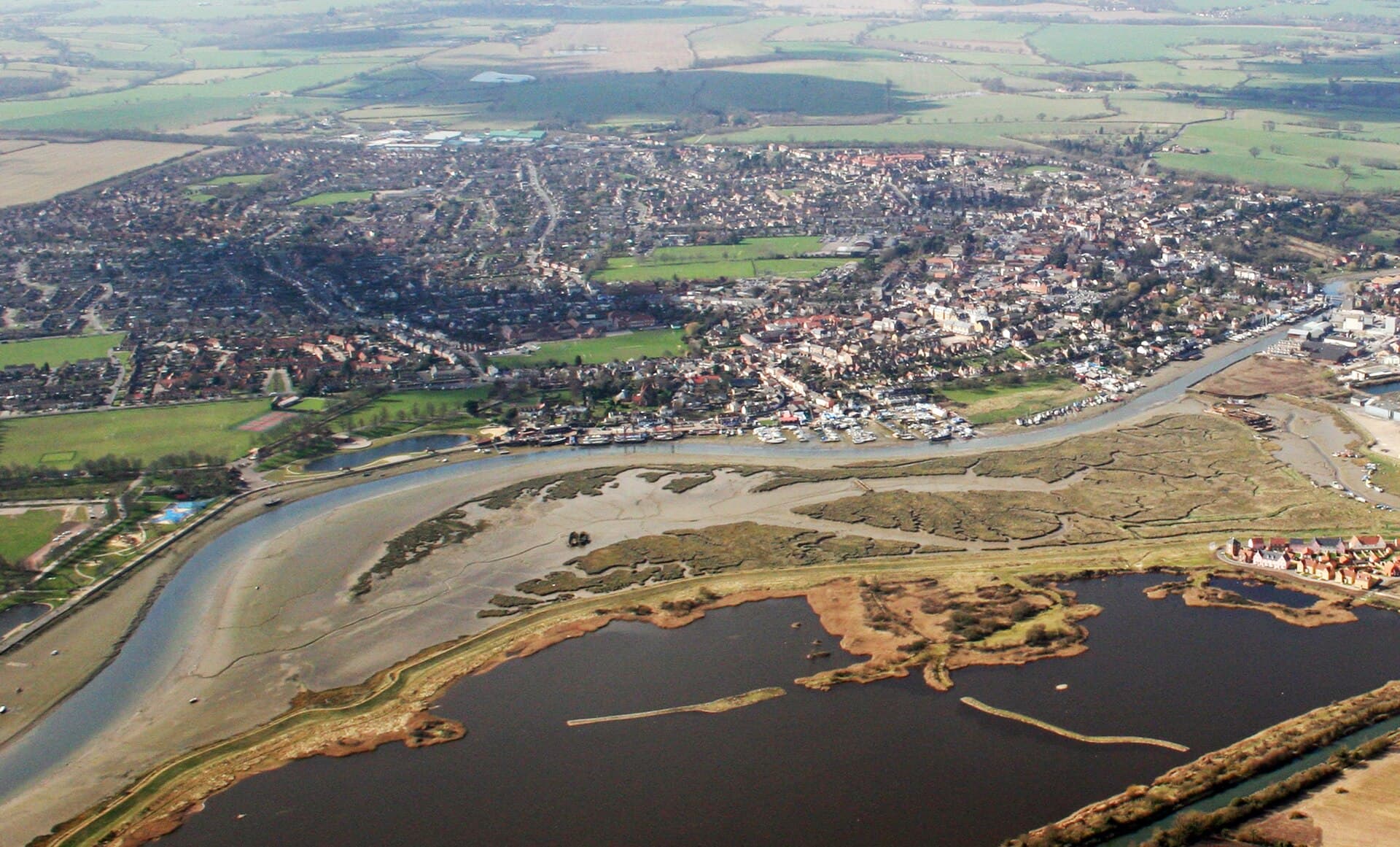 Maldon_060309.jpg: Terryjoyce derivative work: oneblackline (talk) / CC BY-SA 3.0, via Wikimedia Commons
Tour de audio autoguiado de Maldon — ruta GPS a pie, reproducción offline, narración en 32 idiomas.
“Donde los ecos de la fiebre del oro aún resuenan en cada calle y piedra.”
No las postales. Las historias que ni los locales conocen — al oído, justo donde ocurrieron.
La imponente torre de observación en Mount Tarrengower ofrece vistas expansivas, pero su construcción implicó un viaje bastante inusual para un componente clave.
Antes, los visitantes podían adentrarse en las profundidades de una antigua mina de oro, experimentando de primera mano las condiciones mineras del siglo XIX, pero los tours ya no están disponibles.
El aroma a productos recién horneados ha sido una constante en Maldon durante un tiempo asombrosamente largo, ligado a una pieza única de construcción temprana.
Descubre todos los secretos de Maldon
Cada dirección, cada revelación al completo — a tu oído, justo donde ocurrió.
Eliges tus paradas. Caminas. La voz te revela lo que los demás ignoran.


Tu tour de audioguía por Maldon te espera — elige tus lugares, tu idioma y empieza al llegar.
ComprarLume incluye una guía de realidad aumentada. Levanta el móvil y su cámara muestra la calle que tienes delante, con una flecha luminosa sobre la imagen real que siempre apunta a tu próxima parada — sin mapas que descifrar, sin giros equivocados. Como todo en Lume, funciona completamente sin conexión.
Maldon, una ciudad en Victoria, Australia, es un lugar donde el pasado no solo se recuerda; está visiblemente presente. Declarada 'Primera Ciudad Notable de Australia' por el National Trust de Australia en 1965, Maldon es celebrada por su paisaje urbano del siglo XIX notablemente conservado, un testimonio de sus orígenes en la fiebre del oro. Esta designación reconoce la importancia histórica y arquitectónica general de la ciudad, particularmente sus edificios de la época del oro y la variedad de estilos arquitectónicos. Pasear por Maldon se siente como retroceder en el tiempo, con amplias galerías, canaletas de piedra y reliquias mineras que dan forma a la experiencia.
Situada en el Shire de Mount Alexander, aproximadamente a 141 kilómetros de Melbourne, Maldon ofrece una visión distintiva de una época pasada. Su encanto reside en su coherencia y escala, permitiendo a los visitantes explorar fácilmente el centro, comprender la historia de los campos de oro y disfrutar de las vistas desde los puntos estratégicos cercanos. El compromiso de la ciudad con la preservación de su patrimonio, al mismo tiempo que abraza a los artesanos locales y las delicias culinarias, la convierte en un destino único en los Campos de Oro de Victoria Central.
La historia de Maldon está inextricablemente ligada a la fiebre del oro victoriana de la década de 1850. El distrito fue ocupado originalmente por el pueblo indígena Dja Dja Wurrung durante milenios. La colonización europea comenzó a finales de la década de 1830 y 1840 con pastores que establecieron granjas de ovejas. El oro fue descubierto por primera vez en diciembre de 1853 cerca de Cairn Curran, al pie de Mount Tarrengower, atrayendo rápidamente a miles de mineros a la zona, entonces conocida como 'Tarrangower Fields'.
A diferencia de algunos campos de oro que tuvieron auges aluviales de corta duración, el oro de Maldon estaba principalmente encerrado en arrecifes de cuarzo, lo que requería esfuerzos mineros más intensivos y persistentes. Esto llevó al rápido desarrollo de una industria minera de cuarzo, con cabezales de pozo, casas de máquinas y baterías de trituración convirtiéndose en características prominentes del paisaje. Maldon rápidamente ganó una reputación como uno de los centros de minería de cuarzo más ricos de Victoria, con registros históricos que indican que el campo de oro produjo más de 1.7 millones de onzas de oro. El Nuggetty Reef, en particular, fue excepcional, produciendo la asombrosa cantidad de 301,000 onzas con una ley promedio de 187 gramos por tonelada, lo que la convirtió en la mina de oro de mayor ley de Australia en ese momento.
Maldon fue proclamada ciudad en febrero de 1854 por el gobierno victoriano, y para 1861, la población de la ciudad y las excavaciones circundantes alcanzó un estimado de 8,000 a 9,000 personas. La ciudad fue declarada municipio en 1858, lo que llevó a la construcción de importantes edificios públicos como un juzgado, bancos, iglesias, un edificio de mercado y un hospital. Incluso frente a la grave depresión de la década de 1890, las minas profundas de Maldon continuaron produciendo riqueza, y el desarrollo persistió hasta principios del siglo XX. La apariencia perdurable del siglo XIX de la ciudad, reconocida por el National Trust en 1966, refleja esta prosperidad sostenida y una cuidadosa preservación.
El encanto de Maldon reside en su capacidad para transportar a los visitantes a la era de la fiebre del oro. Comience con un paseo por Main y High Streets, donde el intacto paisaje urbano patrimonial revela una variedad de edificios del siglo XIX, boutiques, galerías de arte y tiendas de antigüedades. El Museo del Distrito de Maldon, ubicado en el histórico antiguo Edificio del Mercado, ofrece una inmersión profunda en artefactos locales e historia familiar. Para una perspectiva diferente del pasado industrial de la ciudad, el Museo de Maquinaria Antigua de Maldon exhibe máquinas de vapor y generadores de la década de 1870.
Una visita a la imponente Chimenea de la Mina Beehive, completada en 1863, es un vínculo tangible con las operaciones de minería de cuarzo que definieron a Maldon. Para vistas expansivas de Maldon y la región circundante de Goldfields, ascienda a la Torre de Observación de Mount Tarrengower. El Ferrocarril de los Campos de Oro de Victoria ofrece un nostálgico viaje en tren de vapor entre Maldon y Castlemaine, proporcionando un viaje escénico y la oportunidad de experimentar el ferrocarril patrimonial. No se pierda el Mercado de Maldon, que se celebra el segundo domingo de cada mes, con productos locales, artículos hechos a mano y música en vivo.
Maldon experimenta importantes cambios de temperatura a lo largo de sus estaciones. Las épocas más cómodas para visitar son durante enero, febrero, marzo, abril, octubre, noviembre y diciembre, cuando las temperaturas diurnas promedio oscilan entre 21°C y 30°C. La lluvia es moderada anualmente, siendo septiembre típicamente el mes más húmedo. Una estación seca distintiva ocurre de enero a abril. Considere visitar durante el festival Maldon en Invierno en junio y julio para eventos comunitarios, música en vivo y exposiciones de arte, o el Festival Folclórico de Maldon, que se celebra anualmente el fin de semana anterior a la Melbourne Cup.
Maldon se encuentra aproximadamente a 141 kilómetros al noroeste de Melbourne, lo que la hace accesible para una excursión de un día o una estancia más larga. Las opciones de alojamiento en Maldon incluyen moteles, casas de huéspedes y alquileres vacacionales, muchos de los cuales reflejan el encanto patrimonial de la ciudad. Las opciones gastronómicas van desde cafés que ofrecen pasteles caseros y té de la tarde hasta pubs que sirven platos clásicos y restaurantes con cocina australiana moderna. El Centro de Información Turística de Maldon, ubicado en 93 High Street, está abierto todos los días de 9:00 AM a 5:00 PM (cerrado el 25 de diciembre) y puede proporcionar mapas, recorridos a pie autoguiados e información sobre eventos locales. Muchas atracciones se encuentran a poca distancia del centro de la ciudad.
Maldon en coreano, en chino o en hebreo — y 29 idiomas más, cada parada narrada por una voz nativa. La mayor variedad de idiomas de cualquier audioguía autoguiada.
Disponible en: