Le cimetière de Sandhill
À un kilomètre le long d'une plage sauvage, au-delà des sentiers familiers, un secret particulier repose sous les sables mouvants.
L'histoire complète se débloque dans le tour
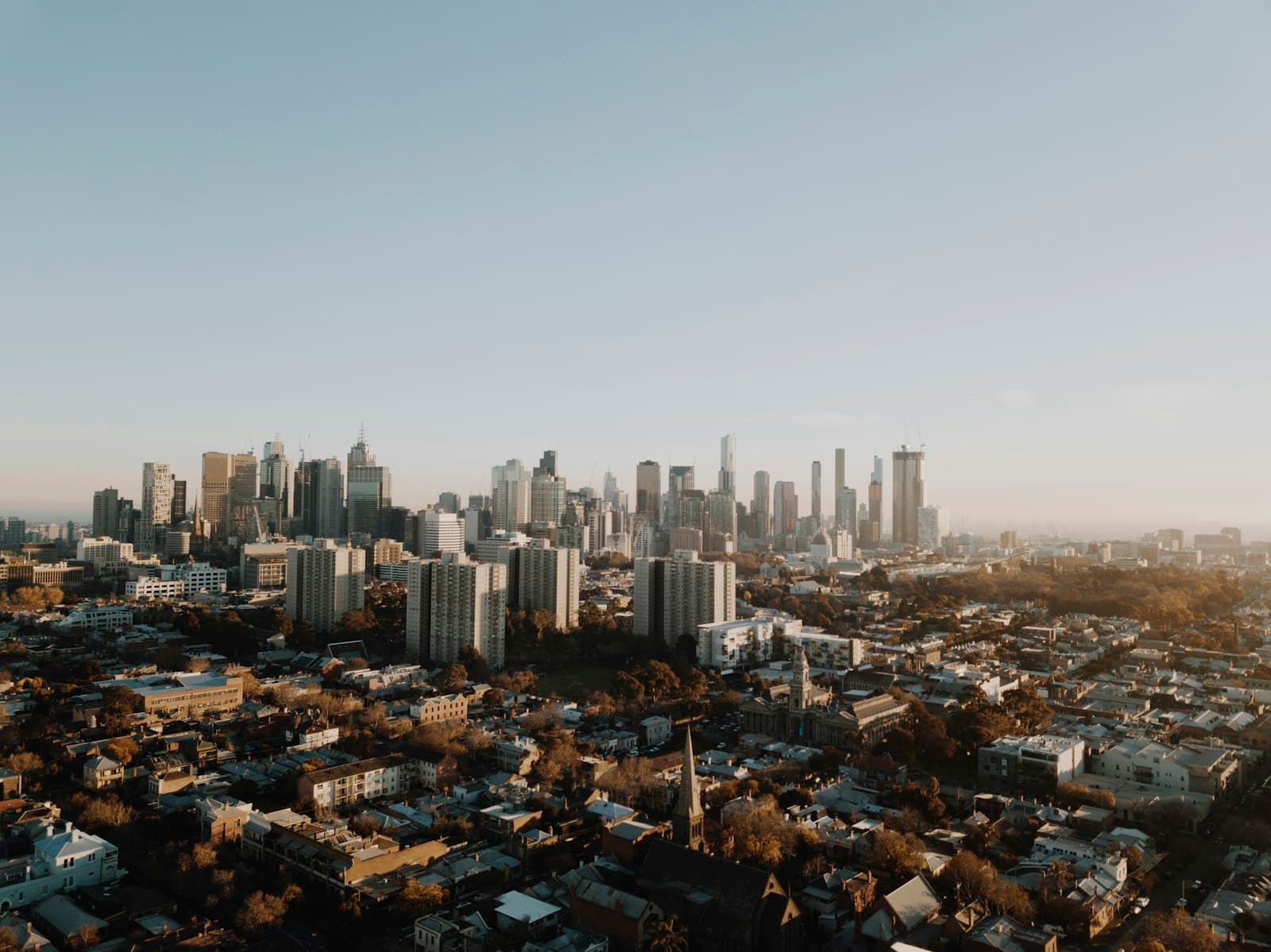 Photo: Simona Sergi / Unsplash
Visite audio autoguidée de Port Fairy — parcours GPS à pied, lecture hors ligne, narration en 32 langues.
“Là où le rugissement de l'océan Austral porte les murmures de la mémoire maritime.”
Pas les cartes postales. Les histoires que même les habitants ignorent — soufflées à l'oreille, là où elles se sont passées.
À un kilomètre le long d'une plage sauvage, au-delà des sentiers familiers, un secret particulier repose sous les sables mouvants.
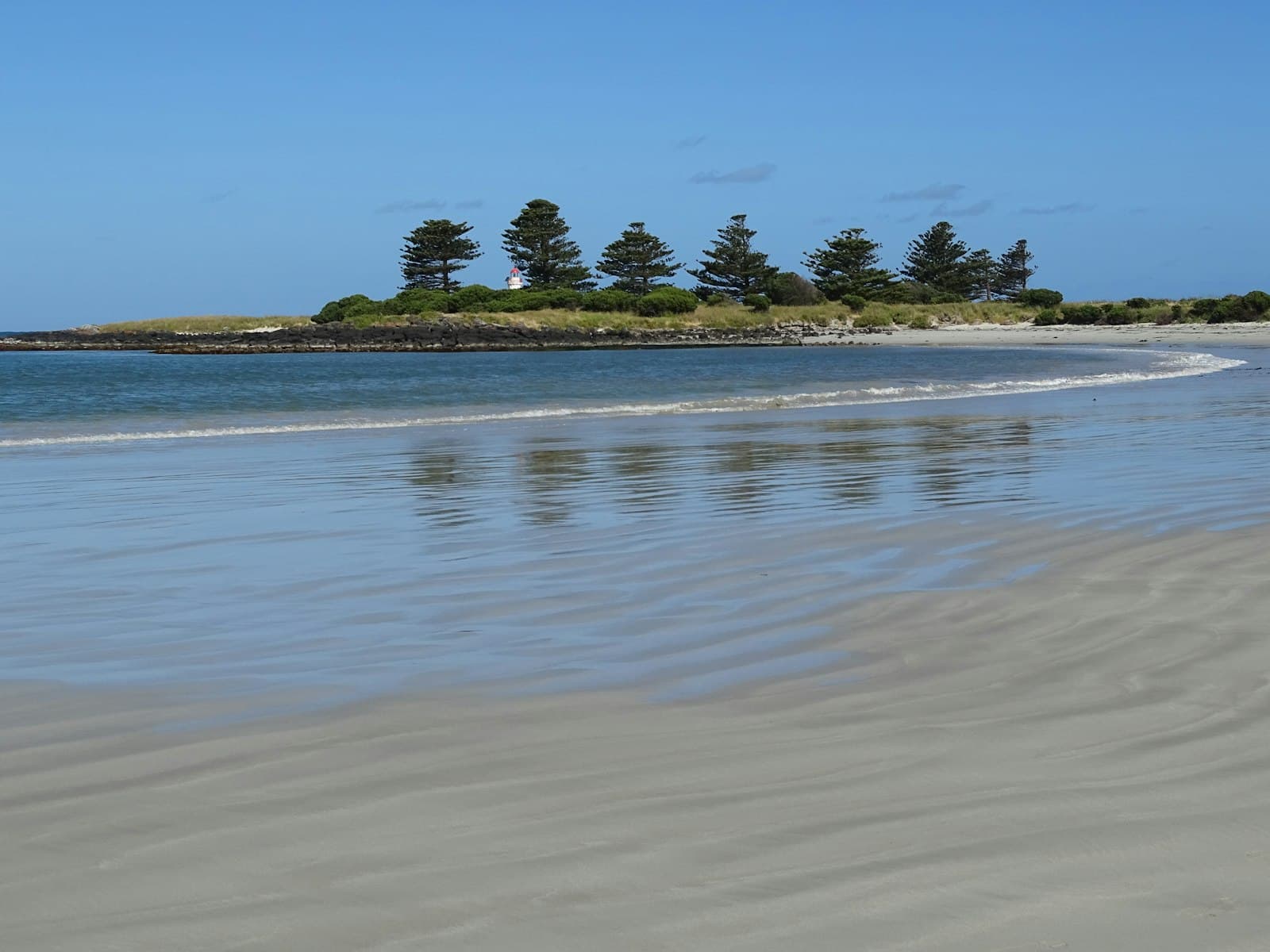
L'emblématique phare en pierre bleue de Griffiths Island, un guide lumineux pour les marins depuis 1859, se dresse comme un témoin silencieux d'une industrie disparue.
La paisible rivière Moyne, aujourd'hui bordée de bateaux de pêche et de plaisance, a autrefois joué un rôle crucial dans la formation de l'identité de Port Fairy, et son nom a une origine curieuse.
Découvrez tous les secrets de Port Fairy
Chaque adresse, chaque révélation en entier — dans ton oreille, là où elle s'est passée.
Tu choisis tes lieux. Tu marches. La voix te révèle ce que les autres ignorent.
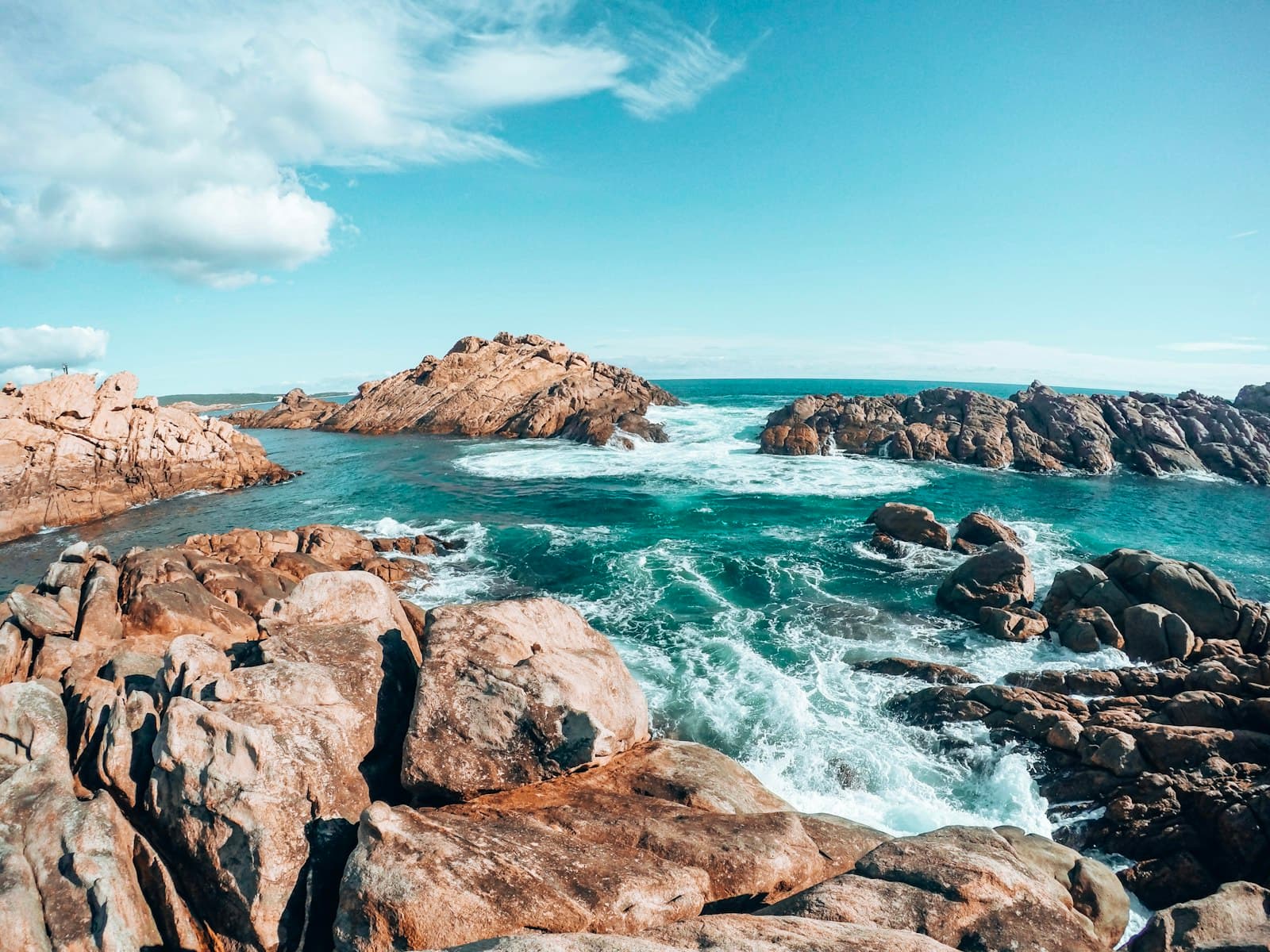
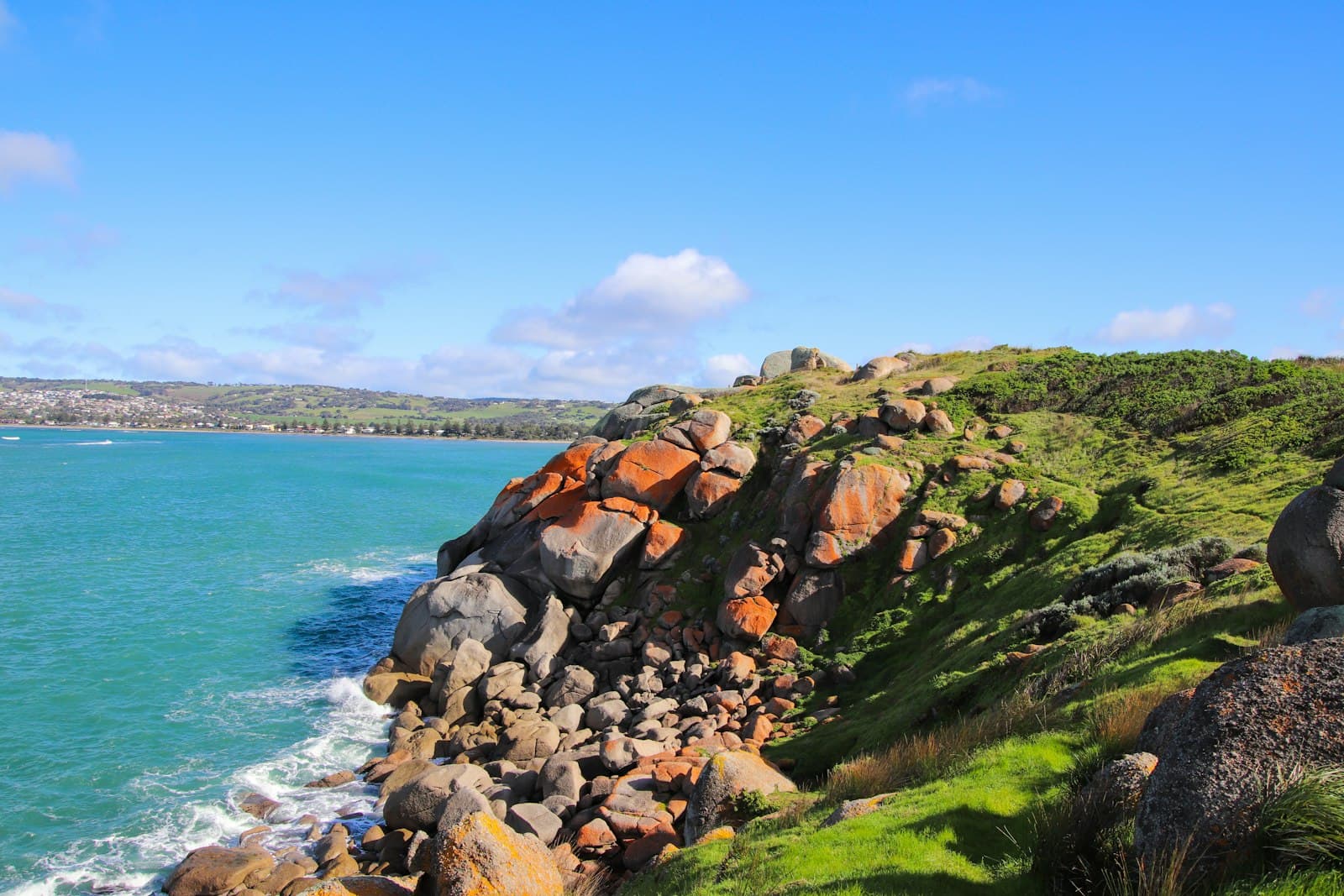
Votre visite audioguidée de Port Fairy vous attend — choisissez vos lieux, votre langue, et lancez-vous dès votre arrivée.
AcheterLume intègre un guide en réalité augmentée. Levez votre téléphone : sa caméra montre la rue devant vous, avec une flèche lumineuse posée sur l'image réelle qui pointe toujours vers votre prochain arrêt — aucune carte à déchiffrer, aucun mauvais virage. Comme tout dans Lume, ça fonctionne entièrement hors-ligne.
Port Fairy, une ville côtière captivante à l'extrémité ouest de la Great Ocean Road de Victoria, offre un mélange d'histoire maritime, d'architecture du 19e siècle préservée et de splendeur naturelle. Autrefois un port baleinier animé, elle est devenue un village de pêcheurs réputé pour ses rues larges, ses pins de Norfolk et ses cottages en pierre bleue. Le lien de la ville avec la mer est omniprésent, de sa flotte de pêche active aux vestiges historiques d'épaves le long de la côte accidentée.
Reconnue comme l'une des communautés les plus agréables à vivre au monde en 2012, Port Fairy invite les visiteurs à explorer son passé, à s'engager dans sa scène artistique animée et à profiter de son environnement naturel diversifié. Qu'il s'agisse d'observer la faune indigène, de se promener le long de plages immaculées ou de se plonger dans les histoires que recèlent ses bâtiments historiques, Port Fairy présente une expérience australienne distinctive où les échos de son passé résonnent avec son attrait actuel.
La région autour de Port Fairy est le foyer du peuple Gunditjmara depuis des milliers d'années, les systèmes fluviaux ayant une importance culturelle et spirituelle significative. La colonisation européenne dans la région a commencé de manière informelle dans les années 1830 avec les baleiniers et les chasseurs de phoques. Une station baleinière a été établie sur Griffiths Island en 1835 par Penny et Reiby, plus tard achetée par John Griffiths, dont l'île porte maintenant le nom. Cette industrie a eu un tel succès que dans les années 1840, les populations de baleines étaient épuisées et la station baleinière a fermé.
La ville a commencé à prospérer dans les années 1840 après que James Atkinson ait obtenu le "Belfast" Special Survey de la Couronne en 1843 et ait aménagé une ville sous ce nom. Bien que la ville soit connue sous le nom de Belfast, le port lui-même a conservé son nom d'origine, Port Fairy, qui proviendrait du cotre de Captain James Wishart, 'The Fairy', qui a cherché refuge dans le port vers 1810 ou 1827-28. En 1857, la municipalité avait une population de 2 190 habitants et était, pendant un certain temps, l'un des ports les plus fréquentés de la colonie, deuxième seulement après Melbourne. La richesse des sols et les opportunités commerciales dans le Western District en expansion ont attiré les colons.
Cependant, la rivière Moyne s'est finalement ensablée, entraînant la fermeture du port aux grands navires et le déclin de la ville en tant que port majeur. En 1887, par un acte spécial du parlement, la ville a été officiellement renommée Port Fairy. Aujourd'hui, Port Fairy est un port maritime du 19e siècle bien préservé, avec plus de 50 bâtiments classés par le National Trust, offrant un lien tangible avec son passé. L'histoire de la ville comprend également une période plus sombre entre 1837 et 1844, lorsque des milliers d'Aborigènes ont été massacrés dans la région, un fait commémoré par un monument sur Bank Street.
Port Fairy est également la destination finale de la célèbre Shipwreck Coast de Victoria, une portion de littoral allant de Cape Otway, connue pour ses eaux dangereuses. L'explorateur Matthew Flinders l'a un jour décrite comme "une section de littoral plus effrayante". Il y a environ 638 épaves connues le long de la côte de Victoria, dont seulement environ 240 ont été découvertes. Le Historic Shipwreck Trail met en lumière certains de ces sites, révélant des histoires de tempêtes, d'erreurs humaines et même de coup monté. Une épave notable est le Thistle, qui a transporté les premiers Européens à s'installer à Portland en 1834 et a été échoué à Port Fairy le jour de Noël 1837.
Port Fairy offre une gamme d'attractions qui mettent en valeur son histoire et sa grandeur naturelle. Une visite à Griffiths Island est essentielle, accessible par une chaussée. Ici, vous pouvez parcourir le circuit jusqu'au phare historique en pierre bleue, construit en 1859, et observer une colonie de puffins à queue courte (muttonbirds) revenant à leurs terriers au crépuscule de septembre à avril. L'île abrite également une petite troupe de wallabies des marais.
Promenez-vous le long de la Moyne River pour observer la flotte de pêche active de Port Fairy, l'une des plus fréquentées de Victoria, et regardez les pêcheurs décharger leurs prises de langoustes et d'ormeaux. La ville elle-même est un plaisir à explorer à pied, avec ses rues larges bordées de cottages du 19e siècle, d'anciennes églises en pierre et de plus de 50 bâtiments classés par le National Trust. Pensez à suivre l'une des promenades patrimoniales auto-guidées, telles que la promenade du patrimoine maritime et des naufrages ou la promenade du patrimoine des bâtiments historiques, disponibles au centre d'information touristique.
Pour une perspective différente, visitez Battery Hill, un site patrimonial avec des canons et des fortifications offrant des vues imprenables sur la baie de Port Fairy. East Beach est une longue plage de sable blanc aux eaux calmes, idéale pour la baignade ou la marche, tandis que Southcombe Beach offre des vues plus accidentées et des spots de surf. À une courte distance en voiture, la réserve faunique de Tower Hill, un volcan éteint, offre la possibilité de voir des animaux indigènes comme des émeus, des koalas, des kangourous et des échidnés dans leur habitat naturel.
Port Fairy est attrayante toute l'année, chaque saison offrant sa propre atmosphère distincte. L'été (décembre à février) est populaire pour le temps chaud, les plages et les activités de plein air. L'automne (mars à mai) apporte des températures plus douces et est le moment du Port Fairy Folk Festival, l'un des plus grands festivals de musique d'Australie. L'hiver (juin à août) est plus calme, idéal pour profiter des cafés locaux et de la scène artistique. C'est aussi la saison d'observation des baleines le long de la côte victorienne, de mai à octobre. Le printemps (septembre à novembre) voit les fleurs s'épanouir et les événements en plein air. Pour les activités par temps chaud, début janvier à mi-mars est considéré comme la meilleure période.
Port Fairy est située à l'ouest de Melbourne et peut être atteinte en voiture via la Princes Highway ou la plus pittoresque Great Ocean Road. Le trajet depuis Melbourne dure environ 3,5 à 4 heures. Les options de transport en commun incluent les services de train V/Line jusqu'à Warrnambool, avec des services de car de correspondance vers Port Fairy.
Le centre d'information touristique de Port Fairy et de la région est une ressource précieuse pour les cartes, les visites à pied auto-guidées et les informations locales. Les options d'hébergement vont des maisons de vacances et des parcs de caravanes aux séjours de luxe, avec de nombreuses maisons historiques disponibles à la location. La ville offre une variété de boutiques, de magasins d'antiquités, de galeries d'art et de restaurants, en particulier le long de ses rues principales. Le marché communautaire de Port Fairy a lieu le deuxième et le quatrième samedi de chaque mois, proposant des produits locaux et des articles faits à la main.
Port Fairy en coréen, en chinois ou en hébreu — et dans 29 autres langues, chaque étape narrée par une voix native. La plus large gamme de langues de tous les audioguides autoguidés.
Disponible en :