Подземные маслобойни
Под яркими улицами Остуни скрывается мир, который веками питал город.
Полная история открывается в туре
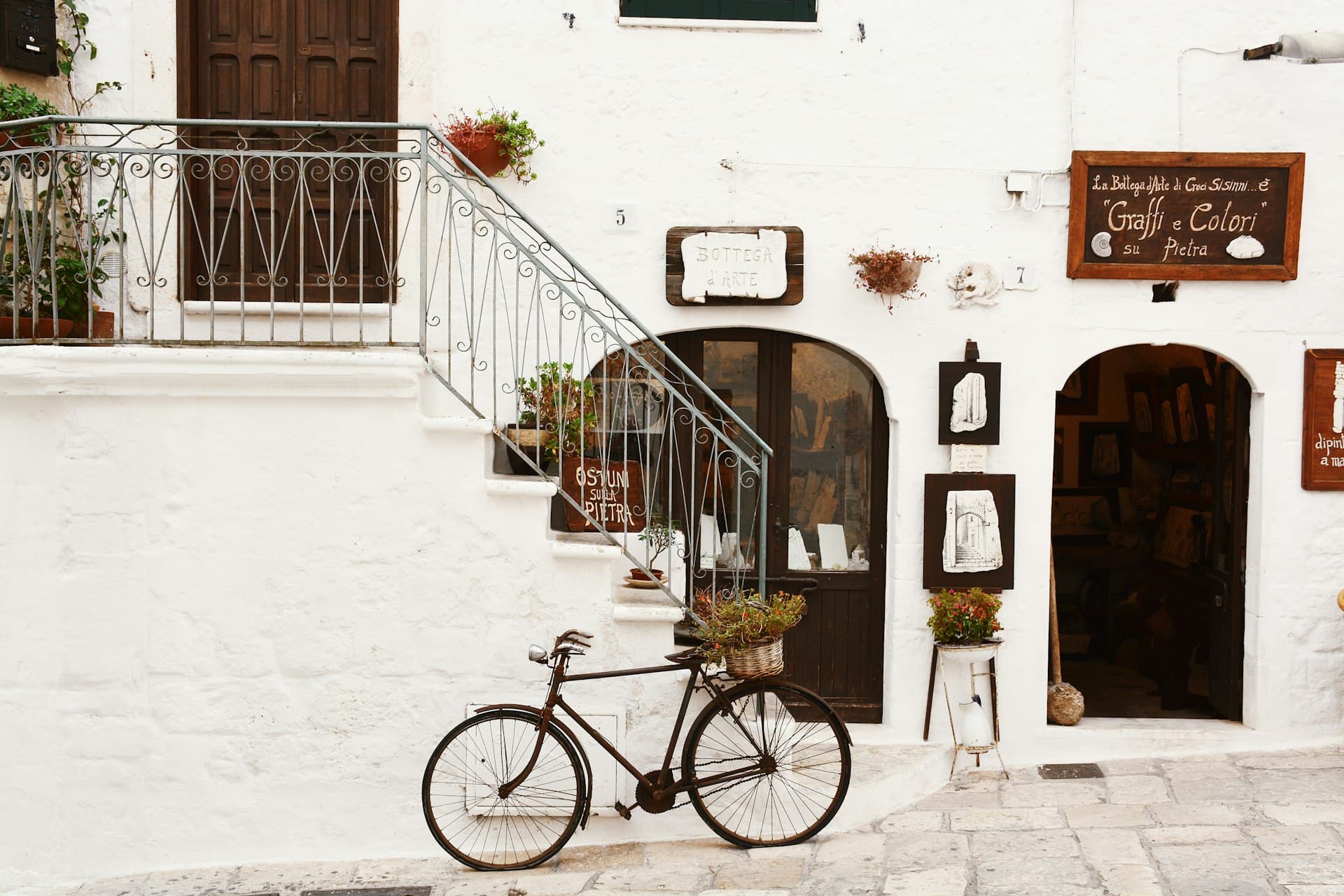 Photo: Bogdan Dada / Unsplash
Самостоятельная аудиопрогулка по Остуни — GPS-маршрут, офлайн-воспроизведение, увлекательное повествование на 32 языках.
“Белый город: Где древние оливковые рощи встречаются с синевой Адриатики.”
Не открытки. Истории, которые не знают даже местные жители — шепотом в вашем ухе, прямо там, где они произошли.
Под яркими улицами Остуни скрывается мир, который веками питал город.
Ослепительная белизна Остуни — это не просто эстетика; она служила жизненно важной цели во времена кризиса.
Каждый август Остуни взрывается зрелищем преданности и парада.
Откройте для себя каждый секрет Остуни
Каждый адрес, каждое полное раскрытие — в вашем ухе, прямо там, где это произошло.
Вы выбираете остановки. Вы гуляете. Голос раскрывает то, что упускают другие.


В Lume встроен гид дополненной реальности. Поднимите телефон: камера показывает улицу перед вами, а поверх реального изображения светится стрелка, всегда указывающая на вашу следующую остановку — не нужно разбираться с картой и сворачивать не туда. Как и всё в Lume, это работает полностью офлайн.
Остуни, известный как «Белый город» (La Città Bianca), драматично возвышается на холме в Апулии, на юге Италии. Его лабиринтообразный исторический центр, каскад выбеленных зданий, сверкает под средиземноморским солнцем, предлагая захватывающие виды на древние оливковые рощи, простирающиеся до Адриатического моря. Этот укрепленный город с его узкими улочками, извилистыми лестницами и бугенвиллеями приглашает к исследованию и обещает путешествие сквозь века непреходящей культуры.
Помимо своего поразительного внешнего вида, Остуни — это место, где история переплетается с повседневной жизнью. Местные жители и гости собираются на его площадях, а аромат традиционной апулийской кухни доносится из тратторий, расположенных под каменными арками. Город служит отличной базой для изучения долины Итрия с ее характерными домами-трулли и живописными прибрежными городками, предлагая уникальное сочетание исторической привлекательности и оживленной атмосферы.
История Остуни восходит к каменному веку, с свидетельствами обитания неандертальцев более 40 000 лет назад. Мессапии, древнее италийское племя, основали первое поселение, которое позже было разрушено Ганнибалом во время Пунических войн. Восстановленный греками, город получил название «Асту неон», что означает «новый город», от которого Остуни и получил свое нынешнее название.
После падения Западной Римской империи Остуни пережил череду правителей, включая остготов, лангобардов, сарацин и византийцев, каждый из которых оставил свой след в архитектуре и культуре города. В 996 году нашей эры норманны завоевали Остуни и заложили его средневековую планировку, построив укрепленный город вокруг холма с замком и четырьмя воротами. С XIV века он входил в состав Таранто, а позже, в XV веке, Остуни расцвел под властью Изабеллы Неаполитанской, герцогини Бари. Этот период, во время итальянского Возрождения, ознаменовался обилием ренессансной архитектуры и культурным ростом.
В XVII веке Остуни столкнулся с разрушительной чумой, охватившей южную Италию. Легенда гласит, что Святой Оронцо, покровитель города, защитил Остуни от этой болезни. Эта вера укрепила традицию побелки домов известью, практика, которая, как считалось, обладала дезинфицирующими свойствами. В 1860 году Остуни присоединился к объединению Италии под руководством Гарибальди.
Сегодня Остуни также известен значительными археологическими находками, включая 26 000-летний скелет беременной женщины, ласково известной как «Делия» или «Остуни 1», найденный в Пещерах Санта-Мария-ди-Аньяно. Эта находка, наряду с другими артефактами, дает представление о неолитическом и палеолитическом прошлом региона.
Начните свое исследование с Исторического центра Остуни (Centro Storico), очаровательного лабиринта выбеленных аллей, лестниц и небольших площадей. Бродите без плана, чтобы открыть для себя неожиданные виды, очаровательные цветы и красочные двери. В центре современного города находится Пьяцца делла Либерта (Piazza della Libertà), оживленная площадь, окруженная историческими зданиями, такими как Палаццо Сан-Франческо и Церковь Сан-Франческо. Здесь вы найдете возвышающуюся Колонну Сант-Оронцо (Colonna di Sant'Oronzo), барочный обелиск, посвященный покровителю города.
Поднимитесь на самую высокую точку города, чтобы добраться до Кафедрального собора Санта-Мария-Ассунта XV века, готического собора Остуни, известного своим искусно вырезанным окном-розой. Неподалеку элегантная Арка Скоппа (Arco Scoppa), каменная арка, соединяет Епископский дворец с семинарией и является часто фотографируемым ориентиром. Для широких панорам бесконечных оливковых рощ и Адриатического моря найдите одну из многочисленных панорамных точек вдоль городских стен, например, те, что находятся недалеко от Корсо Витторио Эмануэле II. Рассмотрите возможность посещения Массерии (Masseria), традиционной укрепленной фермы в окрестностях, для дегустации оливкового масла и изучения древних оливковых деревьев региона.
Идеальное время для посещения Остуни — весна (май–июнь) и осень (сентябрь–начало октября). Весной погода теплая, но не чрезмерно жаркая, оливковые рощи зеленеют, а полевые цветы добавляют красок пейзажу. Осень предлагает приятные температуры, меньше туристов и начало сбора оливок — уникальный культурный опыт. Лето (июль–август) — самый оживленный и жаркий период, с температурами, часто достигающими 33–35°C (91–95°F), и большим количеством туристов. Хотя это время все еще привлекательно, в эти месяцы рекомендуется бронировать жилье и столики в ресторанах заранее.
До Остуни легко добраться: аэропорт Бриндизи (BDS) находится примерно в 35 км, а аэропорт Бари (BRI) — примерно в 85 км. Настоятельно рекомендуется арендовать автомобиль для исследования Остуни и всего региона Апулия, что дает гибкость для однодневных поездок в близлежащие города и массерии. Если вы путешествуете поездом, в Остуни есть станция примерно в 3 км от центра города, с автобусным или такси сообщением с исторической частью.
В пределах исторического центра основным способом передвижения по узким мощеным улицам является пешая ходьба. Имейте в виду зоны ZTL (ограниченного движения), если вы едете на машине, так как туристам обычно не разрешается ездить в историческом центре. Парковка доступна за пределами старого города. Многие считают, что 2–3 дней достаточно для осмотра основных достопримечательностей Остуни и наслаждения его кулинарными предложениями, а более длительное пребывание рекомендуется, если вы используете его как базу для региональных экскурсий.
Остуни: корейский, китайский, иврит и ещё 29 языков — каждую остановку озвучивает носитель языка. Самый широкий выбор языков среди аудиоэкскурсий без гида.
Доступные языки: