The old Jewish Quarter
Ouezzane was once a haven for Andalusian Jewish refugees, and their legacy is still visible in the city's architecture.
Full story unlocks in the tour
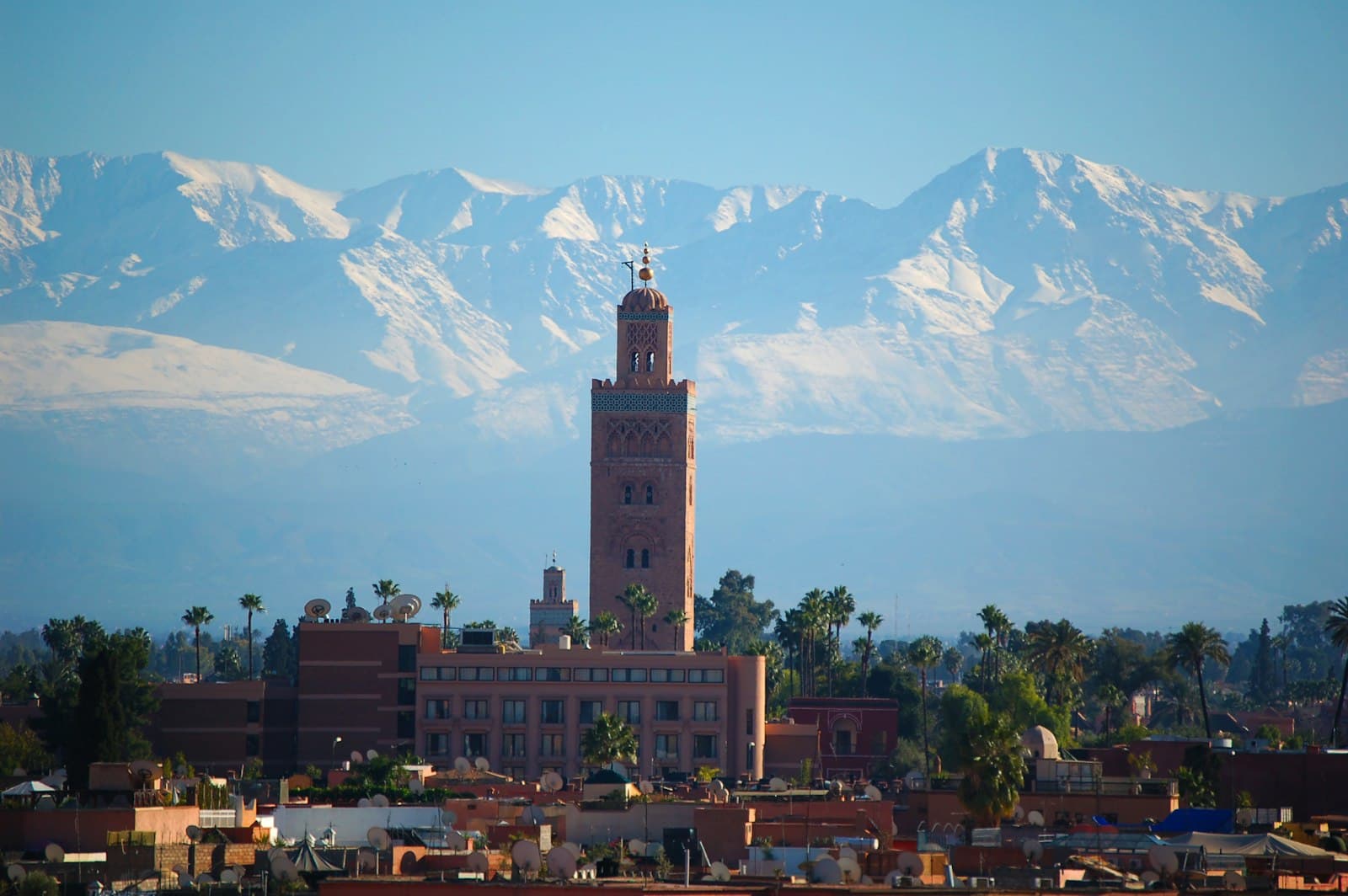 Photo: Paul Macallan / Unsplash
Self-guided audio walking tour of Ouezzane — GPS route, offline playback, story-driven narration in 32 languages.
“Ouezzane: Where green hills meet spiritual echoes and ancient secrets.”
Not the postcards. The stories even locals don't know — whispered in your ear, right where they happened.
Ouezzane was once a haven for Andalusian Jewish refugees, and their legacy is still visible in the city's architecture.
A quiet grove outside Ouezzane holds a burial site associated with miracles, drawing pilgrims from across the globe.
A historic Swiss-made timepiece in Ouezzane once fell silent for decades before being revived for a special purpose.
Discover every secret of Ouezzane
Every address, every reveal in full — in your ear, right where it happened.
You pick your stops. You walk. The voice reveals what the others miss.

Your self-guided audio tour of Ouezzane is ready — pick your landmarks, choose your language, and start the moment you arrive.
BuyLume has a built-in augmented-reality guide. Hold your phone up and its camera shows the street ahead of you, with a glowing arrow laid over the real view that always points to your next stop — no map to puzzle over, no wrong turns. Like everything in Lume, it works fully offline.
Ouezzane, often called "Dar Dmana" or "House of Safety," is a city in northern Morocco that offers a distinct experience from the country's more bustling tourist hubs. Situated at the southern edge of the Rif Mountains, it's a place where spiritual significance intertwines with a quiet, authentic daily life. The city is a revered spiritual capital for both Muslims and Jews, drawing pilgrims to its numerous saintly tombs and Sufi lodges.
Beyond its religious importance, Ouezzane captivates with its unique character. Its medina, unlike many others in Morocco, was never walled, contributing to its "House of Safety" moniker. The architecture reflects a blend of influences, particularly an Andalusian feel in its old Jewish quarter. Visitors will find a city that has preserved its identity as a rooted, spiritual place, where life unfolds at a calmer pace, surrounded by green hills and olive groves.
Ouezzane's origins stretch back to Roman times, serving as a crucial trading route between Tangier and Volubilis. However, the city truly began to flourish in the 17th century with the establishment of a significant Sufi zawiya (religious school) by Moulay Abdullah Sherif. This transformed Ouezzane into a major center of Islamic learning and spirituality, earning it the reputation of a spiritual capital within the Islamic world.
In the mid-to-late 1400s, Ouezzane became a refuge for Andalusian Jewish refugees and even criminals, contributing to its nickname "Dar Dmana," or "House of Safety." This period saw the integration of Andalusian influences, particularly evident in the architecture of the old Jewish quarter. The city's religious importance for the Jewish community is underscored by the annual pilgrimages to the tomb of Rabbi Amram ben Diwan, an 18th-century rabbi whose burial site is associated with miracles.
The 18th century also saw descendants of Moulay Idriss form the Taibia, who became the town's ruling body. Moulay Brahim then became the head holy man, or Shreef, a highly respected figure who served as a religious mediator. During the Rif rebellion in 1925–1926, Ouezzane played a strategic role as an important supply base for the French Army. The city was even connected by a narrow-gauge railway to Port Lyautey (now Kenitra), forming part of an extensive French-built network.
Throughout its history, Ouezzane has maintained its identity as a spiritual and cultural hub, resisting the urge to become a city of political or military power. Instead, it has remained a place of influence, where people sought knowledge, safety, and blessings, preserving its quiet, rooted character through centuries of change.
Begin your exploration in Ouezzane's medina, a labyrinth of narrow, winding lanes (azqiya) that invite slow discovery. Notice the distinctive neon-mint green hues on some of the medina walls. The southern part of the medina reveals the old Jewish quarter, with its extravagant houses and Andalusian-style balconies. Seek out the Qaisariya in the Saqfa district, the craftsmen's quarter, known for its woolen goods and wooden mashrabiyas.
Visit the Grand Mosque of Ouezzane, a historic mosque within the Zawiya of the Tabia, notable for its octagonal green minaret. The Moulay Abdallah Cherif Mausoleum is another significant religious site. For those interested in the city's unique spiritual heritage, a visit to the Sanctuary of Sidi Hamza is also recommended. Don't miss the Ouezzane Clock Tower, an intriguing historical landmark from 1890, recently restored to chime again.
Beyond the city's spiritual core, you can explore traditional bathhouses (hammams) and the traditional bread oven. For a peaceful escape, Ain Sbaa Park offers beautiful landscapes and a tranquil lake, perfect for a stroll or picnic. The surrounding Rif Mountains also offer opportunities for hiking and nature walks.
The best times to visit Ouezzane are during spring (March to May) or fall (September to November). During these seasons, the weather is mild and pleasant, with comfortable temperatures for exploring the city and its surroundings. Spring brings lush green hills after winter rains and spectacular wildflower displays. Autumn offers ideal conditions for hiking and coincides with the olive harvest season, a special time to witness local traditions. Visiting during Ramadan offers a unique cultural experience, as the Ouezzane Clock Tower plays a special role in marking the fast.
Ouezzane is accessible by road from major northern Moroccan cities like Chefchaouen, Meknes, Tangier, and Fes. Shared taxis (grands taxis) are a practical and affordable option, though they depart when full, so be prepared for a potential wait. Comfortable walking shoes are essential for navigating the city's narrow lanes. While Ouezzane is generally considered safe for travelers, it's advisable to be aware of your surroundings. The local cuisine is rich in traditional Moroccan dishes such as tagine, couscous, and harira, and the region is particularly known for its olive oil and honey. Accommodations range from cozy guesthouses to boutique hotels, ensuring a comfortable stay. If you're interested in guided tours or local workshops, inquire with your accommodation for recommendations.
Ouezzane in Korean, in Chinese or in Hebrew — and 29 more languages, every stop narrated by a native voice. The widest language range of any self-guided audio tour.
Available in: