Hattem once defended itself with a formidable castle, known as 'Dikke Tinne' (Thick Battlements). Its walls were so wide, they were the stoutest in all the Netherlands. Yet, a chilling secret resided within its towers.
arch / Public domain, via Wikimedia CommonsHattem
Samodzielna audio-wycieczka po Hattem — trasa GPS pieszo, odtwarzanie offline, wciągająca narracja w 32 językach.
“Where medieval character meets artistic fancy on the Veluwe's edge.”
Hattem, jak nikt o nim nie opowiada.
Nie pocztówki. Historie, których nawet miejscowi nie znają — szeptane do ucha, dokładnie tam, gdzie się wydarzyły.
Even after the imposing Dikke Tinne Castle was largely dismantled, a portion of its fortified bailey complex endured, acquiring a reputation for spectral activity. Locals whisper of a ghostly inhabitant that still roams its grounds.
Hattem's last remaining medieval city gate, the Dijkpoort, stands as a testament to the town's defensive past. Observe its brickwork closely, and you will discern a distinct change in color near its apex.
Odkryj każdy sekret Hattem
Każdy adres, każde pełne odkrycie — w Twoim uchu, dokładnie tam, gdzie się wydarzyło.
Ty wybierasz przystanki. Ty spacerujesz. Głos ujawnia to, co inni przegapiają.


Ile masz czasu w Hattem?
Twój samodzielny audioprzewodnik po Hattem jest gotowy — wybierz swoje punkty orientacyjne, wybierz język i rozpocznij w momencie przybycia.
KupSkieruj telefon, podążaj za strzałką, nigdy nie zabłądź
Lume ma wbudowanego przewodnika w rozszerzonej rzeczywistości. Unieś telefon: kamera pokazuje ulicę przed tobą, a na rzeczywistym obrazie świeci strzałka, która zawsze wskazuje twój następny przystanek — bez rozszyfrowywania mapy, bez błędnych skrętów. Jak wszystko w Lume, działa całkowicie offline.
Historia Hattem
Hattem, skromne miasto hanzeatyckie we wschodniej Holandii, zaprasza w podróż w czasie. Położone tam, gdzie lasy Veluwe spotykają się z łąkami nad rzeką IJssel, jego średniowieczny układ ulic, mury obronne i zabytki są niezwykle dobrze zachowane. To urokliwe miasto, które uzyskało prawa miejskie w 1299 roku, przeplata wieki historii z tętniącą życiem atmosferą kulturalną, czyniąc je zapraszającym miejscem dla tych, którzy szukają spokojnego wypoczynku.
Poza historycznym sercem, Hattem stanowi bramę do zróżnicowanych krajobrazów, od rozległych terenów zalewowych na północy, po lasy na południowym zachodzie i pozostałości torfowisk i wrzosowisk na południowym wschodzie. Niezależnie od tego, czy przyciąga Cię sztuka, historia, czy piękno holenderskiej wsi, Hattem obiecuje niezapomniane i wzbogacające doświadczenie. Jego zwarty śródmieście jest łatwe do zwiedzania pieszo lub rowerem, odkrywając zabytkowe kościoły, kamienice kupieckie i przytulne tarasy, gdzie można delektować się lokalnymi specjałami.
Średniowieczne Fundamenty i Wpływy Hanzeatyckie
Hattem's recorded events extend back to approximately 800 AD, with the earliest mention of two farmhouses being given to an abbey. The town's religious foundations were laid in 1176 when it became a parish, with its first chapel built on the 'Gaedsberg' or 'Gods-mountain' before the main church in the city center. Hattem formally received its city rights in 1299 from Reinoud I van Gelre, empowering it to govern itself and construct defenses. A fortified town plan was established around the existing 12th-century church tower, relocating both religious and legal centers to this new hub.
During the Middle Ages, while cities like Amsterdam and Rotterdam were still developing, the Hanseatic towns in the eastern Netherlands, including Hattem, thrived as powerful centers of commerce. The Hanseatic League, an alliance of merchants formed around 1150, facilitated free and secure trade, strengthening their position against feudal lords. Although Hattem's role in the League was not as prominent as larger trading cities like Kampen or Zwolle, its location on the IJssel River was vital for waterborne trade. Evidence suggests that bricks from Hattem were even traded across the water, potentially serving as valuable counterweights on merchant boats.
Fortyfikacje i Inspiracje Artystyczne
In 1401, Duke William of Guelders granted the Hoenwaard area to Hattem's citizens for animal grazing and brick production. A significant defensive structure, St. Lucia Castle, also called 'Dikke Tinne' (Thick Battlements) due to its exceptionally wide walls—seven meters in some places—was constructed around 1404. This castle played a strategic role on the border of Guelders and the opposing territory of Utrecht. Despite its might, the castle was eventually dismantled in 1778, with its bricks repurposed for new houses. Today, the outlines of its massive towers are etched into the pavement of Tinneplein Square, a visible reminder of its imposing past.
Hattem's beauty has long drawn artists, inspiring painters and illustrators to capture its essence. This artistic legacy is honored in its museums, displaying works by local talents and the imaginative creations of Anton Pieck. The town's well-preserved cityscape, with its medieval street patterns and historic buildings, continues to attract visitors seeking to immerse themselves in its tangible history.
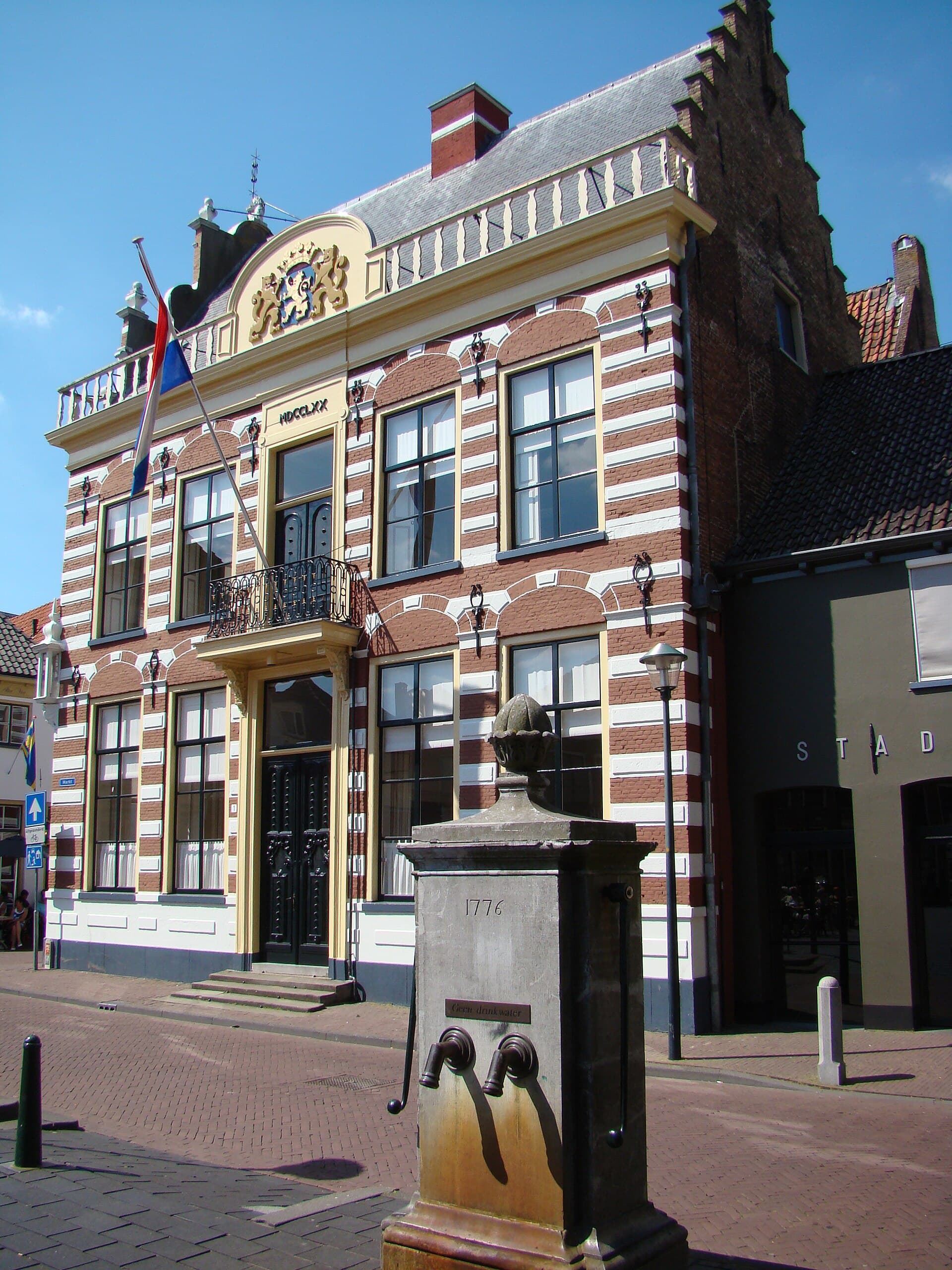
Begin your exploration at the Dijkpoort, Hattem's only surviving medieval city gate, dating to around 1400. Once a critical entry point, it now hosts arts and craft exhibitions. Wander through the historic center, where the medieval street pattern remains evident, leading to the Markt square with its 17th-century houses and Renaissance town hall. Observe the working water pump from 1776 in front of the town hall.
Hattem offers three distinctive museums. The Anton Pieck Museum celebrates the cherished Dutch illustrator, whose imaginative drawings inspired the Efteling theme park. The Voerman Museum explores Hattem's art and history, presenting works by landscape painter Jan Voerman and his son, alongside archaeological finds. For a hands-on experience, the Dutch Bakery Museum provides demonstrations, tastings, and activities for all ages.
Other notable sights include Molen De Fortuin, an octagonal windmill from 1816 that still operates on Saturdays, with a shop selling artisan bread and cake mixes on its ground floor. The Grand or Saint Andreas Church, with its 13th-century Romanesque tower and 15th-century Gothic additions, is also worth a visit. For those who appreciate the outdoors, Hattem lies at the edge of the Veluwe, one of the Netherlands' largest nature reserves, offering extensive cycling and hiking routes.
The most pleasant time to visit Hattem for warm-weather activities is from late June to early September. During these months, the weather is mild, ideal for exploring museums, enjoying outdoor terraces, and taking riverside walks. Spring and autumn also offer agreeable conditions, with blooming flowers or colorful foliage adding to the town's appeal. While winter can be cold and wet, it is a quieter period, and smaller towns like Hattem may feel more subdued.
Hattem is readily accessible by road, with good connections from Zwolle, Apeldoorn, and the broader Gelderland region. From Zwolle station, one can take bus 203 to Hattem. Parking is available on the outskirts of the historic center, helping to maintain the town's tranquil atmosphere. The Euro (EUR) is the local currency, and cards are widely accepted. Dutch is the official language, but English is commonly spoken in areas frequented by visitors. Free Wi-Fi is often available in cafes and hotels. For a distinctive crossing to Zwolle, consider taking the pedestrian and bicycle ferry, 't Kleine Veer, which operates from April to October. Public restrooms are available at the City Hall and in shops displaying the 'Hoge Nood' emblem.
- Jakie są główne atrakcje Hattem?
- Główne atrakcje Hattem to Brama Miejska Dijkpoort, Muzeum Antoniego Piecka, Muzeum Voermana, Holenderskie Muzeum Piekarnictwa, wiatrak Molen De Fortuin i Kościół Wielki lub Świętego Andrzeja.
- Czy Hattem jest odpowiednim miejscem dla rodzin?
- Tak, Hattem jest odpowiednim miejscem dla rodzin. Holenderskie Muzeum Piekarnictwa oferuje interaktywne doświadczenia, a parki i place zabaw w mieście, a także zajęcia na świeżym powietrzu w Veluwe, czynią je przyjaznym dla rodzin.
- Jak mogę podróżować do Hattem?
- Do Hattem można dojechać samochodem autostradami A50 i A28. Z dworca w Zwolle można dojechać autobusem 203. Prom dla pieszych i rowerzystów również łączy Hattem ze Zwolle.
- Jakie zajęcia na świeżym powietrzu są dostępne w Hattem?
- Hattem oferuje liczne zajęcia na świeżym powietrzu, w tym spacery, jazdę na rowerze, jazdę konną, grę w golfa i bule. Rzeka IJssel oferuje możliwości kajakarstwa, żeglarstwa, wędkarstwa i obserwacji ptaków.
- Czy oferowane są jakieś wycieczki z przewodnikiem po Hattem?
- Tak, spacery po mieście oferowane są od maja do października w środy i soboty, rozpoczynając się w Punkcie Informacji Turystycznej. Inne dni można ustalić na życzenie.
- Jakie lokalne specjały powinienem spróbować w Hattem?
- Chociaż konkretne potrawy nie są szczegółowo opisane, Hattem oferuje przytulne tarasy i restauracje, gdzie można delektować się lokalnymi specjałami, a Molen De Fortuin sprzedaje rzemieślniczy chleb i mieszanki ciast.
Hattem in your own language — all 32· 32
Hattem in koreański, in chiński or in hebrajski — and 29 more languages, every stop narrated by a native voice. The widest language range of any self-guided audio tour.
Available in:
- AngielskiEnglish
- FrancuskiFrançais
- HiszpańskiEspañol
- NiemieckiDeutsch
- WłoskiItaliano
- PortugalskiPortuguês
- NiderlandzkiNederlands
- Polski
- SzwedzkiSvenska
- DuńskiDansk
- NorweskiNorsk
- FińskiSuomi
- RosyjskiРусский
- UkraińskiУкраїнська
- TureckiTürkçe
- CzeskiČeština
- WęgierskiMagyar
- RumuńskiRomână
- BułgarskiБългарски
- GreckiΕλληνικά
- Japoński日本語
- Koreański한국어
- Chiński中文
- Arabskiالعربية
- Hebrajskiעברית
- Hindiहिन्दी
- Tajskiไทย
- WietnamskiTiếng Việt
- IndonezyjskiBahasa Indonesia
- MalajskiBahasa Melayu
- KatalońskiCatalà
- BaskijskiEuskara