La Vischpoort (Puerta del Pescado)
Esta icónica puerta alguna vez sirvió un doble propósito mucho más allá de la mera entrada y defensa.
La historia completa se desbloquea en el tour
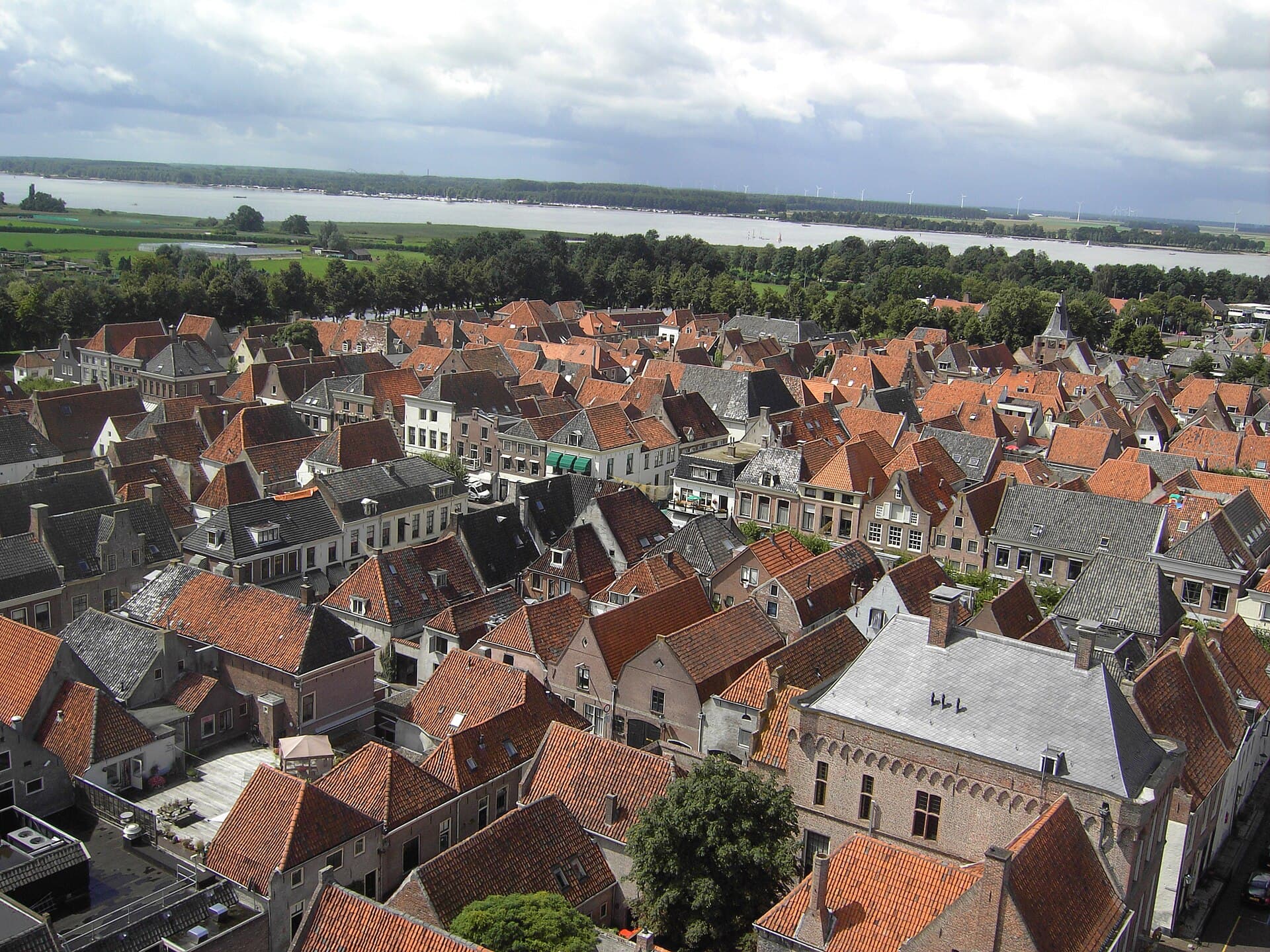 Spotter2 / CC BY-SA 3.0, via Wikimedia Commons
Tour de audio autoguiado de Elburg — ruta GPS a pie, reproducción offline, narración en 32 idiomas.
“Una cuadrícula medieval renacida, donde los ecos hanseáticos se encuentran con un presente tranquilo.”
No las postales. Las historias que ni los locales conocen — al oído, justo donde ocurrieron.
Esta icónica puerta alguna vez sirvió un doble propósito mucho más allá de la mera entrada y defensa.
A diferencia de muchas ciudades medievales que crecieron orgánicamente, el casco antiguo de Elburg tiene un diseño sorprendentemente moderno, casi romano.
La iglesia principal de la ciudad se encuentra inusualmente a un lado de la cuadrícula central, un testimonio de una construcción apresurada.
Descubre todos los secretos de Elburg
Cada dirección, cada revelación al completo — a tu oído, justo donde ocurrió.
Eliges tus paradas. Caminas. La voz te revela lo que los demás ignoran.


Tu tour de audioguía por Elburg te espera — elige tus lugares, tu idioma y empieza al llegar.
ComprarLume incluye una guía de realidad aumentada. Levanta el móvil y su cámara muestra la calle que tienes delante, con una flecha luminosa sobre la imagen real que siempre apunta a tu próxima parada — sin mapas que descifrar, sin giros equivocados. Como todo en Lume, funciona completamente sin conexión.
Elburg, una ciudad fortificada en la provincia holandesa de Güeldres, ofrece un cautivador viaje en el tiempo. Su centro medieval notablemente conservado, rodeado de fosos y restos de sus murallas, invita a los visitantes a pasear por callejones estrechos y admirar la arquitectura histórica. Una vez un próspero puerto pesquero y comercial hanseático en el Zuiderzee, el atractivo particular de Elburg radica en su cuadrícula de calles rectangular meticulosamente planificada, un testimonio del innovador diseño urbano del siglo XIV.
Al cruzar la Vischpoort, la característica puerta del siglo XV de la ciudad, se entra en un mundo compacto donde siglos de historia son palpables. Desde sus oficios tradicionales, como la fabricación de cuerdas y el ahumado de anguilas, hasta su conmovedor patrimonio judío, Elburg revela una colección de historias. Hoy, aunque ya no está directamente en el mar, la ciudad abraza su ubicación junto al agua en el Veluwemeer, ofreciendo una mezcla de exploración histórica y serena belleza natural.
La atmósfera tranquila de Elburg, especialmente en una mañana tranquila, evoca la sensación de entrar en una época pasada, lo que la convierte en un destino distintivo en los Países Bajos.
## Desde Asentamiento Neolítico hasta Potencia Hanseática Los orígenes de Elburg se remontan a tiempos neolíticos, con evidencia de asentamientos tempranos encontrados a través de herramientas de piedra y fragmentos de cerámica. Artefactos de la época romana también sugieren una presencia militar en el sitio. El registro escrito más antiguo de Elburg data del 796 d.C. Inicialmente, la ciudad floreció como una comunidad pesquera en el Almere, el precursor del Zuiderzee.
## Una Ciudad Renacida: El Rediseño del Siglo XIV Inundaciones catastróficas en 1362 y 1367, conocidas como las inundaciones de San Marcelo, impulsaron una decisión radical del duque Willem van Gulik de reubicar toda la ciudad. Entre 1392 y 1396, Elburg fue completamente reconstruida en un terreno más elevado según un revolucionario plano de calles en cuadrícula, diseñado por el alguacil local Arnoudt ten Boeckop. Este diseño innovador, que se asemeja a un tablero de damas o una ciudad romana, fue un desarrollo urbano de vanguardia para la Europa del siglo XIV. La reconstrucción rápida y costosa indica la considerable riqueza de Elburg durante el período medieval. Fue durante esta era, específicamente en 1367, que Elburg se convirtió en miembro de la poderosa Liga Hanseática, una confederación de ciudades comerciales que trajo una prosperidad significativa a través del comercio por vía fluvial.
## Declive y Adaptación: La Era Post-Hanseática A finales del siglo XVI, se construyeron nuevos fosos y terraplenes más altos para adaptarse a los avances en las técnicas de guerra. Sin embargo, el estatus comercial de Elburg comenzó a declinar aproximadamente un siglo después de su rediseño, lo que obligó a la ciudad a depender cada vez más de la pesca. El siglo XIX trajo desafíos adicionales; Elburg se negó célebremente a invertir en una estación de ferrocarril en 1863 debido a los altos precios de la tierra, lo que llevó a que la línea ferroviaria evitara la ciudad y obstaculizara el desarrollo industrial.
## La Transformación del Zuiderzee y un Nuevo Futuro El cambio más significativo en la identidad de Elburg llegó en el siglo XX. La construcción del Afsluitdijk en 1932 y la posterior creación del Flevopolder transformaron el Zuiderzee de agua salada en el IJsselmeer de agua dulce. Esta monumental obra de ingeniería cortó efectivamente a Elburg del mar abierto en 1956, lo que llevó a la desaparición de su industria pesquera tradicional. Al no ser ya viable la pesca, Elburg se volcó hacia el turismo, aprovechando su atractivo medieval bien conservado y su ubicación favorable en los lagos Veluwemeer y Drontermeer. Hoy en día, Elburg prospera como un popular destino turístico, su historia se mantiene viva a través de su arquitectura, museos y los icónicos 'botters' en su puerto.
El compacto centro medieval de Elburg es una delicia para explorar a pie. Comience en la Vischpoort (Puerta del Pescado), la icónica entrada del siglo XV de la ciudad, que alguna vez sirvió como torre defensiva y luego como faro costero. Desde su balcón, puede disfrutar de vistas sobre la ciudad. Pasee por las calles rectas y empedradas, una característica única de su plan de cuadrícula del siglo XIV, y observe los distintivos pavimentos de guijarros blancos y negros.
Visite el Museo Elburg, ubicado en el antiguo Agnietenconvent del siglo XV, para profundizar en la historia de la ciudad, incluida su capilla doble medieval. Explore las Casemates, algunas de las bodegas de cañones más antiguas que se conservan en los Países Bajos, parte de las fortificaciones de Elburg. La Grote Kerk (Iglesia Grande), con su inusual ubicación cerca de la muralla de la ciudad, también merece una visita.
Descubra el patrimonio marítimo de Elburg en el puerto, donde están amarrados los históricos botters (barcos de pesca de fondo plano) con sus características velas marrones. Incluso puede hacer un viaje en una de estas embarcaciones. No se pierda el Taller del Cordelero (Touwerij Deetman), donde las técnicas tradicionales de fabricación de cuerdas se han conservado durante siglos. Para una visión más profunda del pasado judío de la ciudad, visite el Museo Sjoel Elburg, ubicado en la antigua sinagoga, que cuenta las historias de las familias judías de la región. Otros lugares de interés notables incluyen el Jardín de Hierbas "De Groene Kruidhof" y la Herrería Museo "De Hoefkamer".
Elburg es encantador durante todo el año, pero la mejor época para visitarlo es durante los meses más cálidos, desde finales de primavera hasta principios de otoño (mayo a septiembre). El clima es generalmente agradable para caminar por las calles históricas y disfrutar de paseos en barco por el Veluwemeer. Durante este período, muchas de las atracciones de la ciudad, incluidos museos y talleres, están en pleno funcionamiento. Visitar entre semana podría ofrecer una experiencia más tranquila, ya que algunos museos pueden estar cerrados los domingos.
Elburg es fácilmente accesible en coche, con la autopista A28 cerca, que la conecta con las principales ciudades como Ámsterdam (aproximadamente una hora en coche). Aunque Elburg no tiene una estación de tren propia, la estación de tren de NS en 't Harde está a poca distancia, con conexiones entre Zwolle y Utrecht. Para aquellos que llegan en barco, el puerto de Elburg es accesible a través de los lagos Veluwemeer y Drontermeer.
El casco antiguo es compacto y se explora mejor a pie. Muchos museos y atracciones se encuentran a poca distancia unos de otros. Considere reservar una visita guiada por la ciudad para obtener una visión más profunda de la historia de Elburg. Numerosos restaurantes y cafeterías están disponibles dentro de las murallas de la fortaleza. Para alojamiento, el Hotel Elburg ofrece una experiencia boutique en el corazón del casco antiguo.
Elburg en coreano, en chino o en hebreo — y 29 idiomas más, cada parada narrada por una voz nativa. La mayor variedad de idiomas de cualquier audioguía autoguiada.
Disponible en: