Bovenkerk (Église Saint-Nicolas)
Une grande église gothique de Kampen cache un secret sous son impressionnante façade, un espace que peu de visiteurs voient.
L'histoire complète se débloque dans le tour
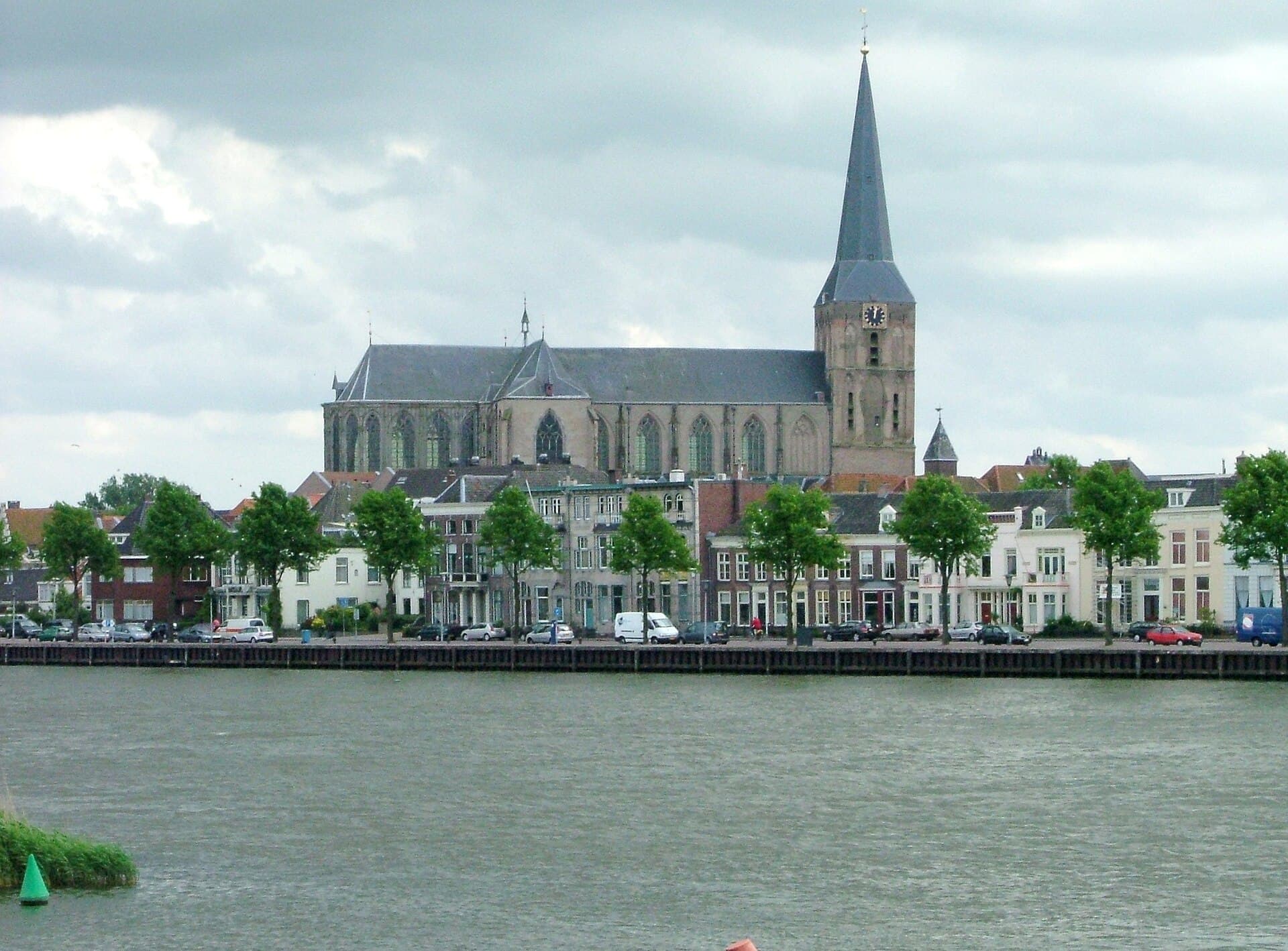 Hsf-toshiba at Dutch Wikipedia / Public domain, via Wikimedia Commons
Visite audio autoguidée de Kampen — parcours GPS à pied, lecture hors ligne, narration en 32 langues.
“Là où la grandeur hanséatique rencontre une charmante autodérision.”
Pas les cartes postales. Les histoires que même les habitants ignorent — soufflées à l'oreille, là où elles se sont passées.
Une grande église gothique de Kampen cache un secret sous son impressionnante façade, un espace que peu de visiteurs voient.
La principale rue commerçante de Kampen n'est pas seulement un lieu de commerce moderne ; c'est une galerie vivante de publicités oubliées.
Parmi les trois portes de ville médiévales de Kampen encore debout, l'une servait autrefois à un but étonnamment sinistre.
Découvrez tous les secrets de Kampen
Chaque adresse, chaque révélation en entier — dans ton oreille, là où elle s'est passée.
Tu choisis tes lieux. Tu marches. La voix te révèle ce que les autres ignorent.


Votre visite audioguidée de Kampen vous attend — choisissez vos lieux, votre langue, et lancez-vous dès votre arrivée.
AcheterLume intègre un guide en réalité augmentée. Levez votre téléphone : sa caméra montre la rue devant vous, avec une flèche lumineuse posée sur l'image réelle qui pointe toujours vers votre prochain arrêt — aucune carte à déchiffrer, aucun mauvais virage. Comme tout dans Lume, ça fonctionne entièrement hors-ligne.
Kampen, ville hanséatique historique de la province néerlandaise d'Overijssel, est gracieusement située sur les rives de la rivière IJssel. Avec des racines remontant aux établissements en bois vers 1150 et officiellement mentionnée en 1227, Kampen a rapidement pris de l'importance en tant que puissant centre commercial grâce à son emplacement stratégique. Elle était autrefois considérée comme l'une des villes les plus influentes du nord-ouest de l'Europe, témoignage de son passé captivant en tant que membre de la Ligue hanséatique.
Aujourd'hui, Kampen est souvent décrite comme un musée à ciel ouvert, présentant l'un des centres-villes anciens les mieux conservés des Pays-Bas. Sa silhouette, ponctuée de maisons historiques, de portes de ville médiévales et d'églises séculaires, évoque un sentiment d'attrait intemporel. Le lien étroit de la ville avec l'eau est toujours évident, du pont emblématique aux roues dorées enjambant l'IJssel au Koggewerf animé, où l'héritage maritime est activement préservé.
Au-delà de sa grandeur historique, Kampen possède un caractère unique, embrassant son folklore local et une réputation enjouée de « fautes ingénieuses » avec un bon sens de l'humour. C'est un endroit où l'histoire n'est pas seulement exposée mais vécue, offrant un mélange de profondeur culturelle, de paysages pittoresques et une atmosphère accueillante qui invite les visiteurs à explorer ses rues pavées et ses sentiers riverains à un rythme détendu.
## D'une puissance médiévale à la capitale du cigare L'histoire de Kampen commence avec d'humbles établissements en bois vers 1150, mais elle a rapidement obtenu les droits de cité en 1236, jetant les bases de son ascension rapide. Son emplacement privilégié près de l'embouchure de la rivière IJssel, où elle se jetait autrefois dans le Zuiderzee, en a fait un port naturel et un maillon vital des routes commerciales entre le Zuiderzee et le Rhin. Cette position stratégique a permis à Kampen de prospérer en tant que membre éminent de la Ligue hanséatique, une alliance commerciale influente de villes d'Europe du Nord. Pendant son âge d'or, Kampen était une force dominante, gagnant même le surnom de « Le Rotterdam du Moyen Âge » et possédant une flotte substantielle de navires 'kogge' qui sillonnaient la mer du Nord et la Baltique, chargés de marchandises comme le grain, le bois, le tissu et le sel.
La richesse de la ville pendant cette période était évidente dans sa confiance et son ambition. Au XIVe siècle, Kampen a même échangé le polder de Mastenbroek avec l'évêque d'Utrecht contre le droit d'agrandir l'IJsseldelta. Témoignage de ses prouesses d'ingénierie et de sa détermination, Kampen a construit un pont sur l'IJssel en cinq mois remarquables en 1448, malgré les objections d'autres villes hanséatiques. Cependant, l'ensablement de la rivière IJssel et la montée d'Amsterdam au XVIe siècle ont entraîné un déclin progressif de la domination maritime de Kampen.
Kampen a trouvé une seconde vie inattendue au XIXe siècle avec l'industrie florissante du cigare. À partir d'environ 1815, le tabac a tranquillement transformé la ville, et dans les années 1880, près de la moitié de la population de Kampen était employée dans ce secteur, produisant un nombre étonnant de 1,5 million de cigares par semaine dans ses nombreuses petites usines et ateliers à domicile. Bien que cette époque soit largement révolue, la fabrique de cigares De Olifant, en activité depuis 1832, reste un lien tangible avec ce chapitre unique du passé industriel de Kampen.
Commencez votre exploration par les trois portes de ville médiévales : la Koornmarktpoort, la Cellebroederspoort et la Broederpoort, chacune étant une merveille architecturale unique et un vestige des anciennes murailles de Kampen. Traversez le Stadsbrug, le pont de la ville orné de roues dorées, pour une vue emblématique de la ligne d'horizon historique de Kampen le long de l'IJssel.
Aucune visite n'est complète sans entrer dans la Bovenkerk (Église Saint-Nicolas), une spectaculaire basilique gothique avec un orgue impressionnant et de magnifiques vitraux. Plongez dans le passé de la ville au Stedelijk Museum Kampen, logé dans l'ancien hôtel de ville gothique-renaissance, où vous pourrez admirer la Schepenzaal du XVIe siècle magnifiquement conservée. À proximité, l'Ikonenmuseum offre une plongée profonde dans l'art de la chrétienté orthodoxe.
Pour un aperçu de l'héritage maritime de Kampen, visitez le Koggewerf, un chantier naval où une reconstruction navigante d'une cogge du XIVe siècle, la Kamper Kogge, donne vie au passé commercial de la ville. Promenez-vous le long de l'IJsselkade, le pittoresque front de mer, ou envisagez une excursion en bateau pour apprécier pleinement le lien de Kampen avec l'eau. Ne manquez pas l'occasion de flâner dans l'Oudestraat, la plus longue rue commerçante de Kampen, où les façades historiques révèlent de subtils détails Art nouveau et même d'anciennes fresques commerciales.
Kampen est une destination charmante toute l'année, mais pour le temps le plus agréable et les activités de plein air, envisagez de visiter de fin juin à début septembre. Ces mois offrent des températures chaudes, avec des maximales diurnes atteignant environ 23°C (73°F) en juillet, et plus de journées ensoleillées. Si vous préférez une atmosphère plus animée, le festival Kamper Ui(t)dagen en juillet et août remplit le centre-ville de marchés, de musique de rue et d'excursions en bateau. Pour une expérience magique et féerique, Noël dans le vieux Kampen le week-end avant Noël transforme la ville avec des bénévoles costumés. Le printemps et le début de l'automne offrent également un temps agréable pour l'exploration.
Kampen est facilement accessible en transports en commun ; la gare est située de l'autre côté de l'IJssel, à quelques pas du centre historique via le pont. La ville elle-même est compacte et se découvre mieux à pied, la plupart des attractions clés étant situées à l'intérieur ou juste à l'extérieur des portes de la ville. Pour explorer les zones naturelles environnantes comme le Reevediep, louer un vélo est une excellente option, avec plusieurs services de location disponibles. Kampen propose une gamme d'options d'hébergement, des B&B historiques aux hôtels de charme, offrant une expérience locale authentique. La ville présente une variété de restaurants locaux, de cafés confortables et de boutiques spécialisées, notamment le long de l'Oudestraat.
Pour des informations plus détaillées et une aide à la planification de votre visite, l'Office de Tourisme Kampen à De Stadskazerne est une ressource précieuse.
Kampen en coréen, en chinois ou en hébreu — et dans 29 autres langues, chaque étape narrée par une voix native. La plus large gamme de langues de tous les audioguides autoguidés.
Disponible en :