La Loggia Vénitienne
Dans la Loggia Vénitienne, une pierre particulière porte une curieuse inscription, à peine visible aujourd'hui.
L'histoire complète se débloque dans le tour
 Ghoongta / CC BY-SA 3.0, via Wikimedia Commons
Visite audio autoguidée de Port Lincoln — parcours GPS à pied, lecture hors ligne, narration en 32 langues.
“Là où les pierres anciennes rencontrent l'étreinte de la mer, et chaque recoin murmure une histoire tranquille.”
Pas les cartes postales. Les histoires que même les habitants ignorent — soufflées à l'oreille, là où elles se sont passées.
Dans la Loggia Vénitienne, une pierre particulière porte une curieuse inscription, à peine visible aujourd'hui.
Parmi les lourdes et anciennes machines du pressoir à olives, on peut presque sentir la faible odeur persistante d'huile.
Depuis les remparts balayés par le vent près du phare, la mer Égée s'étend, une étendue bleue infinie.
Découvrez tous les secrets de Port Lincoln
Chaque adresse, chaque révélation en entier — dans ton oreille, là où elle s'est passée.
Tu choisis tes lieux. Tu marches. La voix te révèle ce que les autres ignorent.
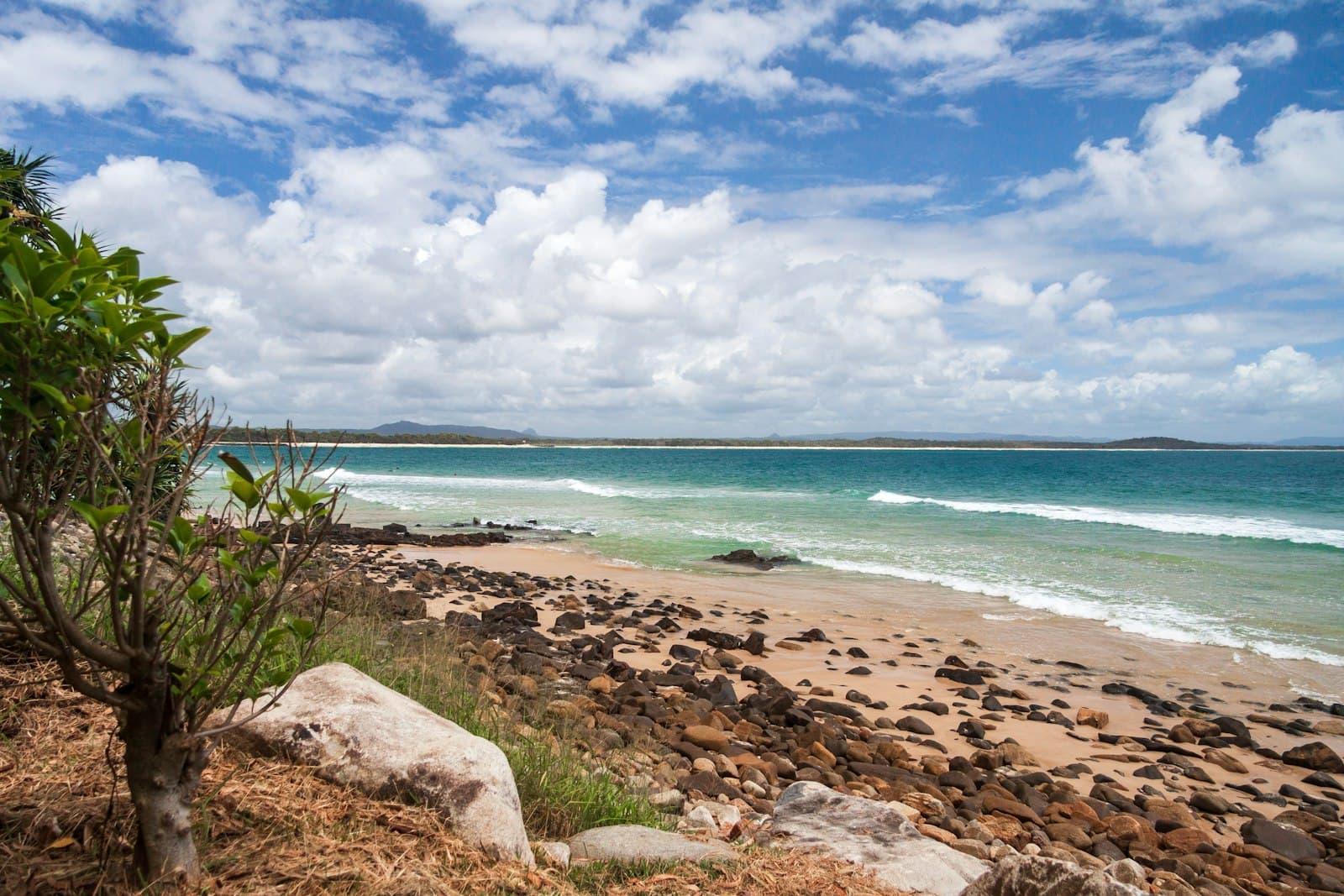
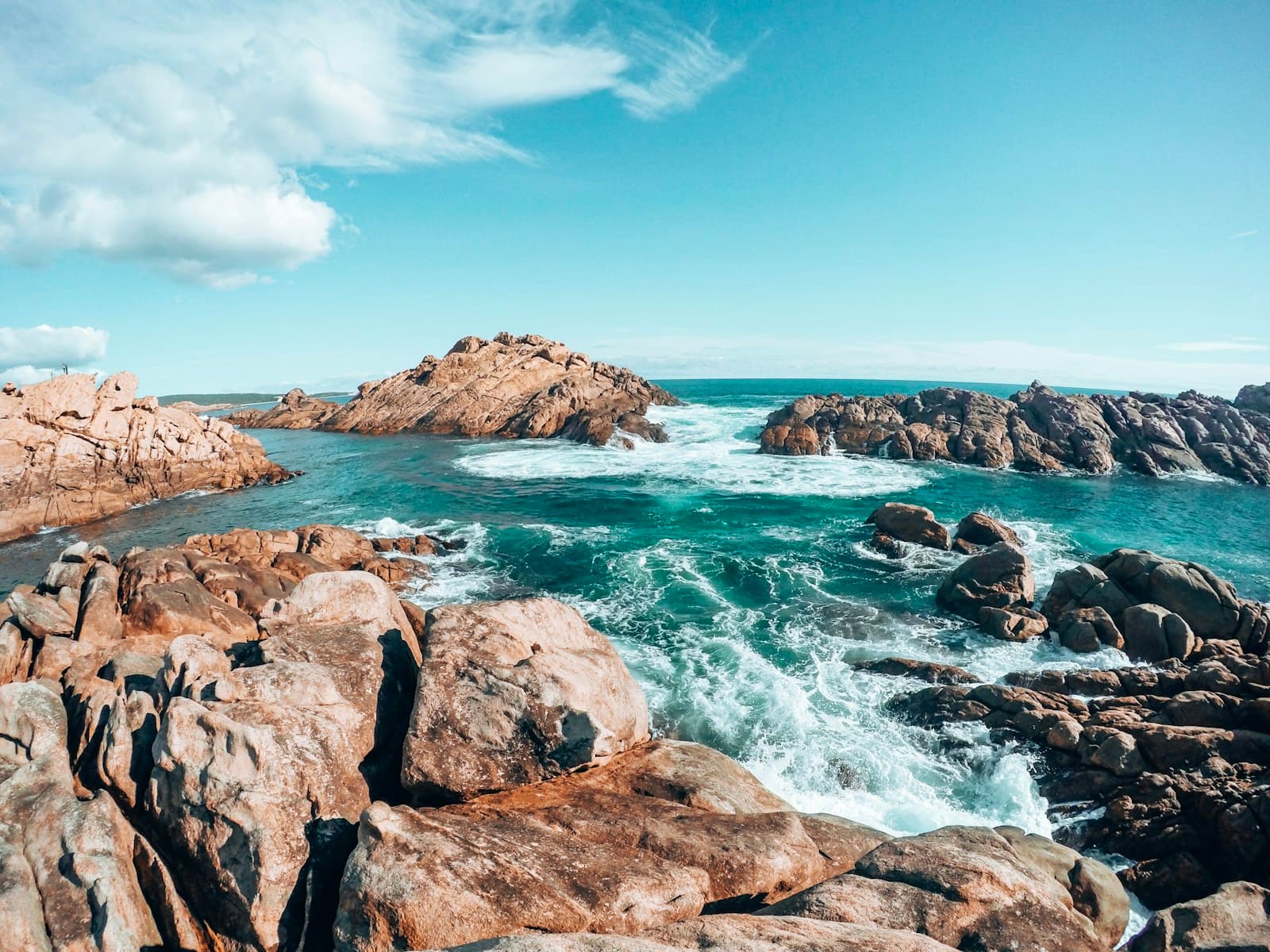
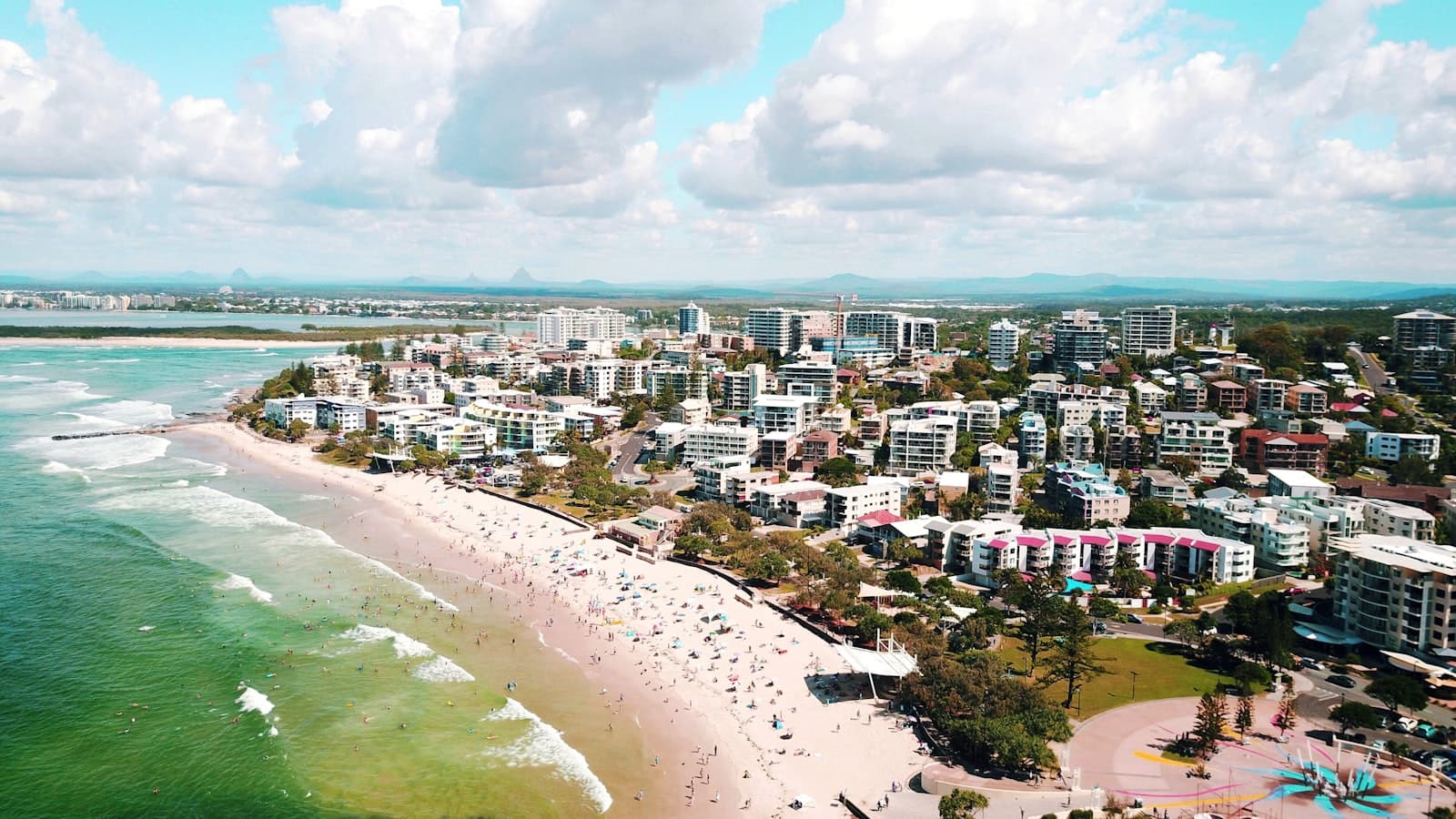
Votre visite audioguidée de Port Lincoln vous attend — choisissez vos lieux, votre langue, et lancez-vous dès votre arrivée.
AcheterLume intègre un guide en réalité augmentée. Levez votre téléphone : sa caméra montre la rue devant vous, avec une flèche lumineuse posée sur l'image réelle qui pointe toujours vers votre prochain arrêt — aucune carte à déchiffrer, aucun mauvais virage. Comme tout dans Lume, ça fonctionne entièrement hors-ligne.
Rethymnon, sur l'île de Crète, se déploie entre les Montagnes Blanches et la mer Égée. Son caractère est façonné par une histoire d'influences vénitiennes et ottomanes, visible dans l'architecture et l'agencement même de ses rues. La ville invite à l'exploration, des passages étroits de la Vieille Ville aux vues imprenables depuis sa forteresse perchée. La vie y suit un certain rythme, un mélange de la douceur insulaire et des échos des époques passées.
Le port de la ville, avec son phare vénitien, sert de point focal, attirant à la fois les bateaux de pêche et les visiteurs. Au-delà du front de mer immédiat, la Vieille Ville révèle un réseau de ruelles, chaque tournant présentant un nouveau détail : une porte ornée, une cour ombragée, ou le parfum de jasmin porté par la brise. Rethymnon maintient un lien tangible avec son passé, permettant aux visiteurs de traverser des couches de temps, expérimentant un lieu où l'histoire n'est pas seulement observée mais ressentie.
## Traces de vie minoenne Des preuves de la civilisation minoenne ont été découvertes dans la région de Rethymnon, indiquant une présence humaine il y a des milliers d'années. Bien que moins proéminents que des sites comme Knossos, ces découvertes suggèrent des colonies précoces et des liens avec le monde minoen plus large, jetant les bases des cultures ultérieures.
## Influence vénitienne L'ère vénitienne, débutant au XIIIe siècle, a profondément façonné Rethymnon. Les Vénitiens ont fortifié la ville, construisant l'impressionnante Fortezza, une citadelle conçue pour protéger contre les incursions ottomanes et les raids de pirates. Ils ont également laissé leur empreinte architecturale sur la Vieille Ville, avec ses arches, loggias et fontaines caractéristiques. La ville est devenue un centre administratif et commercial important durant cette période, son port facilitant le commerce à travers la Méditerranée.
## Occupation ottomane Au XVIIe siècle, les Ottomans ont capturé Rethymnon après un long siège. Leur présence a introduit de nouveaux éléments architecturaux, tels que des mosquées avec des minarets, dont certains sont encore visibles aujourd'hui, bien que souvent réaffectés. Le tissu culturel de la ville a commencé à s'entremêler avec les coutumes et traditions ottomanes, créant un mélange unique qui fait toujours partie de l'identité de Rethymnon. Cette période a vu la construction de nouveaux bâtiments publics et l'adaptation de structures vénitiennes existantes.
## Rethymnon moderne Après la fin de la domination ottomane et l'éventuelle union avec la Grèce, Rethymnon a continué d'évoluer. Le XXe siècle a apporté de nouveaux développements, mais des efforts ont été faits pour préserver le cœur historique de la ville. Aujourd'hui, Rethymnon équilibre son héritage historique avec la vie contemporaine, conservant son charme tout en répondant aux besoins modernes. La ville sert de centre culturel, attirant ceux qui s'intéressent à son passé stratifié et à son caractère actuel.
Explorez la Fortezza, une grande forteresse vénitienne offrant des vues imprenables sur la ville et la mer. Flânez dans les ruelles étroites de la Vieille Ville, découvrant des demeures vénitiennes, des minarets ottomans et la fontaine Rimondi. Le port vénitien, avec son ancien phare, offre un cadre pittoresque pour une promenade. Visitez le musée archéologique de Rethymnon pour admirer des artefacts allant de la période minoenne à l'époque romaine. Le musée historique et d'art populaire offre un aperçu des traditions et de l'artisanat locaux. Pour une expérience plus calme, trouvez une place ombragée et observez les rythmes quotidiens de la ville. La mosquée Neratze, avec son minaret saisissant, témoigne du passé ottoman de la ville.
Le printemps (avril-mai) offre des températures agréables, des paysages fleuris et moins de foule, idéal pour explorer la ville à pied. L'automne (septembre-octobre) offre des températures de mer chaudes pour la baignade et une atmosphère plus calme après la cohue estivale. L'été (juin-août) est animé et chaud, avec tous les établissements ouverts, bien qu'il puisse être très fréquenté.
Rethymnon est facilement navigable à pied, surtout dans la Vieille Ville. Des bus publics relient la ville aux autres parties de la Crète. Les taxis sont facilement disponibles. La monnaie locale est l'euro. De nombreux commerces acceptent les cartes de crédit, mais il est conseillé d'avoir de l'argent liquide pour les petits achats. L'eau du robinet est généralement potable, mais l'eau en bouteille est largement disponible. Une protection solaire est recommandée, surtout pendant les mois les plus chauds.
Port Lincoln en coréen, en chinois ou en hébreu — et dans 29 autres langues, chaque étape narrée par une voix native. La plus large gamme de langues de tous les audioguides autoguidés.
Disponible en :