Cape Dombey Obelisk
This towering red and white striped marker once appeared quite different, and its original function extended beyond guiding ships.
Full story unlocks in the tour
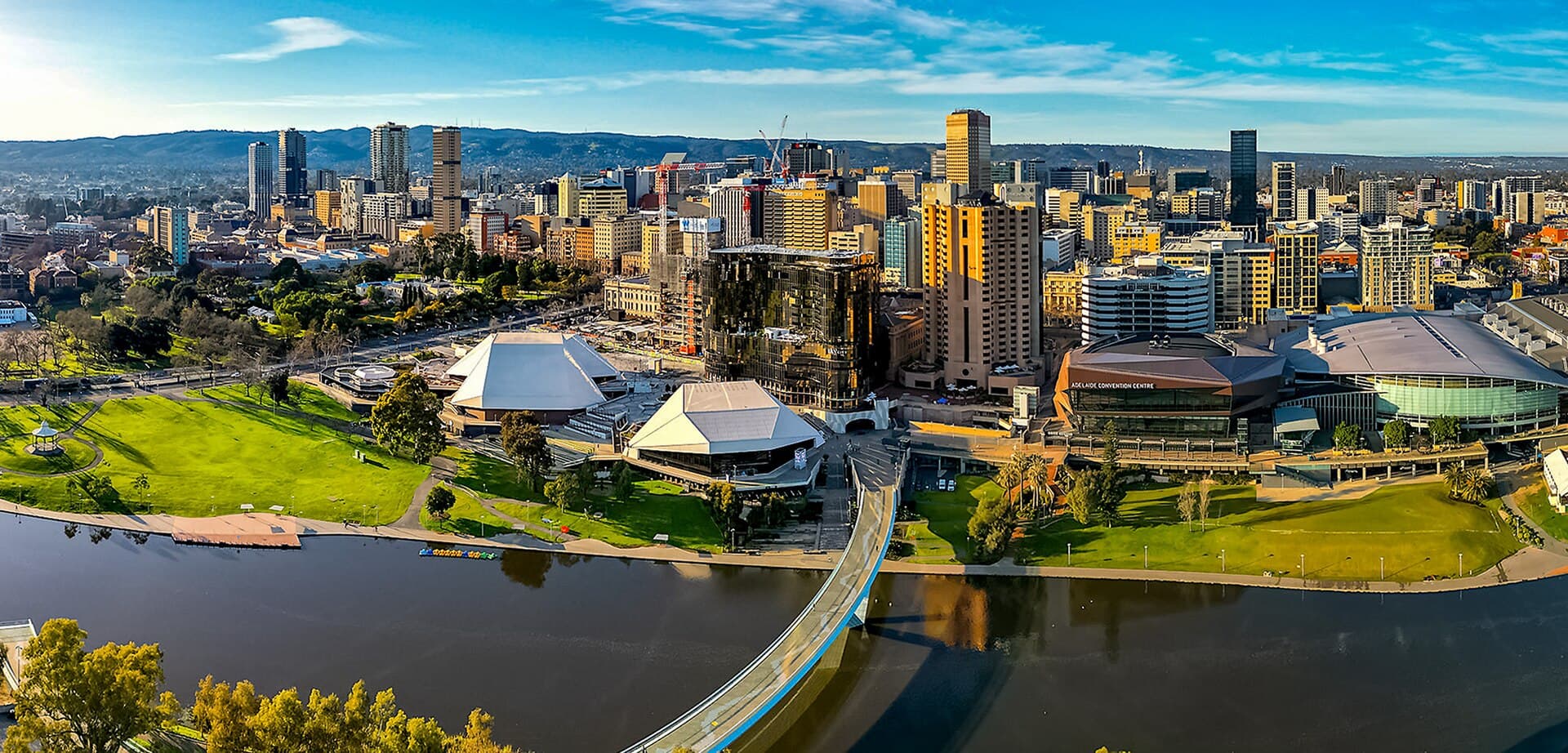 Photo of Adelaide, via Wikimedia Commons
Self-guided audio walking tour of Robe — GPS route, offline playback, story-driven narration in 32 languages.
“Where the sea breeze carries echoes of gold seekers and grand maritime journeys.”
Not the postcards. The stories even locals don't know — whispered in your ear, right where they happened.
This towering red and white striped marker once appeared quite different, and its original function extended beyond guiding ships.
This graceful stone edifice, now a museum, once played a pivotal role in shaping Australia's early commerce and even influenced a significant migration.
One of Robe's most frequented beaches offers more than just swimming and sunbathing; it serves as a unique thoroughfare with a surprising capacity.
Discover every secret of Robe
Every address, every reveal in full — in your ear, right where it happened.
You pick your stops. You walk. The voice reveals what the others miss.


Your self-guided audio tour of Robe is ready — pick your landmarks, choose your language, and start the moment you arrive.
BuyLume has a built-in augmented-reality guide. Hold your phone up and its camera shows the street ahead of you, with a glowing arrow laid over the real view that always points to your next stop — no map to puzzle over, no wrong turns. Like everything in Lume, it works fully offline.
Robe, a coastal settlement in South Australia's Limestone Coast region, presents an engaging blend of natural splendor and a deeply layered past. Overlooking the calm waters of Guichen Bay, the town is characterized by its rugged cliffs, expansive stretches of sand, placid lakes, and a distinctive collection of 19th-century stone buildings. Once a bustling international port, Robe has transformed into a popular holiday destination, drawing visitors with its relaxed atmosphere, fresh local produce, and fine wines.
For at least 30,000 years, the area was home to the Bunganditj and Meintangk Indigenous peoples, sustained by abundant local food sources like shellfish. Today, with a permanent population of approximately 1,200, Robe swells with visitors during peak seasons, eager to explore its unspoiled scenery and delve into its history. The town's compact nature allows for easy exploration of its historic sites and coastal pathways, revealing the stories that have shaped this singular South Australian locale.
The story of Robe reaches back tens of thousands of years, with the Bunganditj and Meintangk peoples serving as the traditional custodians of the land and waters surrounding Guichen Bay. European contact began with sealers visiting Guichen Bay long before the colony of South Australia was founded in 1836. French explorer Nicolas Baudin charted the bay in 1802, naming it Ances des Albatross, though it was later renamed Guichen Bay in honor of a French admiral.
The town of Robe itself was established on March 19, 1846, and named after South Australian Governor Frederick Holt Robe, who selected the site for a new port. The aim was to create a commercial and government center for the colony's expanding South-East, serving the needs of pastoralists who required a convenient shipping route for their wool. By 1859, Robe had become one of South Australia's busiest ports, and the second-largest out-port for wool, with over a million pounds of wool passing through within a decade, much of it bound for Europe.
One of the most remarkable chapters in Robe's history unfolded in the late 1850s, during the Victorian gold rushes. To avoid a £10 poll tax imposed by the Victorian government on Chinese immigrants, thousands of Chinese migrants began arriving in Robe. Beginning in 1856, and particularly in 1857 when some 15,000 Chinese disembarked, these individuals embarked on an arduous overland trek of over 400 kilometers (200 miles) through the bush to reach the Victorian goldfields. This journey became known as the 'Robe Walk'. The arrival of Chinese migrants significantly boosted Robe's economy, as they purchased supplies in the town before their long journey. Some Chinese immigrants even remained in South Australia, establishing market gardens or working as farmhands.
By the 1870s, Robe's importance as a commercial port began to diminish due to the opening of rival ports and the expansion of inland railways that bypassed the town. By the 1890s, its role as a trading port was largely over, and many of its original stone buildings fell into disrepair as the population declined. However, in the 1900s, Robe began to redefine itself as a holiday destination. The fishing industry, particularly for Southern Rock Lobster, also grew rapidly after World War II, further contributing to the town's revitalization. Today, Robe embraces its heritage, with over 80 historic buildings and sites, offering visitors a tangible connection to its storied past.
Begin your exploration with a walk along the Robe Coastal Trail, which links the town center to several key landmarks. The Cape Dombey Obelisk, a striking red and white striped navigational beacon built in 1855, stands prominently on Cape Dombey, offering expansive views of Guichen Bay. Nearby, you will find the Old Robe Gaol Ruins, a testament to the town's colonial past. Delve deeper into maritime history at the Robe Customs House Maritime Museum, housed in a 1863 limestone building that once served as the second-busiest customs office in South Australia.
For those who love the beach, Long Beach is a destination. Stretching for 10-17 kilometers, it is known for its firm sand, allowing cars to drive directly onto the beach, and is a popular spot for swimming, surfing, and beach fishing. Other pleasant swimming spots include Town Beach, Hoopers Beach, and Fox's Beach. Nature enthusiasts can explore Little Dip Conservation Park, an area of rugged limestone cliffs, stony reefs, and tide pools, ideal for four-wheel driving, fishing, and bushwalking. Be sure to see the Robe Lighthouse, a modern, automatic star-shaped concrete tower built in 1972, which replaced the historic Cape Jaffa Lighthouse.
In town, wander along Victoria Street, the main thoroughfare, to discover historic stone buildings, boutiques, art galleries, and cafes. The Lake Butler Marina is home to the local crayfishing fleet and recreational boats, offering a glimpse into Robe's enduring connection to the sea.
Robe experiences a warm-summer Mediterranean climate, characterized by mild, dry summers and cool, wet winters. The most pleasant time to visit is during the warmer months, from November to April, when temperatures are comfortable for swimming and outdoor activities, and rainfall is lower. February is often considered an ideal time to plan a trip. While summer (December to February) brings larger crowds, autumn and spring offer milder temperatures and fewer visitors, perfect for exploring and enjoying the region's natural beauty. Even winter can be appealing, with fewer crowds and the coastal parks and lagoons often more impressive after rainfall, making it a good time for bird-watching.
Robe is located approximately 337 km southeast of Adelaide, a drive of about 3.5 hours. From Mount Gambier, it is a 90-minute drive with scenic coastal views. The town center is compact and largely walkable, making it easy to explore on foot or by bike, reducing the need for a car for local excursions. For those planning to fish, permits can be purchased from the Council Office or the Robe Visitor Information Centre. The Robe Visitor Information Centre is a valuable resource for maps, historical information, and local insights. Accommodation options range from caravan parks to holiday houses and hotels. During peak seasons, particularly summer, it is advisable to book accommodations and popular eateries in advance. While some beaches allow vehicles, always check local regulations and conditions, especially regarding tides, for safe driving.
Robe in Korean, in Chinese or in Hebrew — and 29 more languages, every stop narrated by a native voice. The widest language range of any self-guided audio tour.
Available in: