Jaguar Rescue Center
Il centro porta il nome di un grosso felino, anche se è improbabile che ne incontrerai uno oggi.
La storia completa si sblocca nel tour
 Jsfouche / CC BY-SA 3.0, via Wikimedia Commons
Tour audio autoguidato di Puerto Viejo — percorso GPS a piedi, riproduzione offline, narrazione coinvolgente in 32 lingue.
“Dove la giungla saluta il mare e il tempo cede a un ritmo reggae.”
Non le cartoline. Le storie che nemmeno i locali conoscono — sussurrate nel tuo orecchio, proprio dove sono accadute.
Il centro porta il nome di un grosso felino, anche se è improbabile che ne incontrerai uno oggi.
Mentre numerose città costaricani presentano strade asfaltate, Puerto Viejo abbraccia un carattere distintivo sotto i piedi.
Nonostante il suo crescente fascino, Puerto Viejo ha in gran parte evitato i resort a grattacieli e l'edilizia estensiva vista altrove.
Scopri ogni segreto di Puerto Viejo
Ogni indirizzo, ogni rivelazione completa — nel tuo orecchio, proprio dove è accaduta.
Scegli le tue tappe. Cammini. La voce rivela ciò che gli altri perdono.
Il tuo tour audio autoguidato di Puerto Viejo è pronto — scegli i tuoi punti di interesse, seleziona la tua lingua e inizia nel momento in cui arrivi.
AcquistaLume include una guida in realtà aumentata. Alza il telefono: la fotocamera mostra la strada davanti a te, con una freccia luminosa sovrapposta all'immagine reale che punta sempre verso la tua prossima tappa — nessuna mappa da decifrare, nessuna svolta sbagliata. Come tutto in Lume, funziona completamente offline.
Puerto Viejo de Talamanca, o semplicemente Puerto Viejo per chi ci abita, è un insediamento costiero sulla costa caraibica meridionale del Costa Rica. È un luogo dove la vivace cultura afro-caraibica, la lussureggiante foresta pluviale e le spiagge incontaminate convergono, offrendo un'esperienza distinta dalla costa pacifica del paese. Qui, la vita si svolge a un ritmo dolce, sincronizzato con la cadenza della musica reggae e calypso, all'interno di una comunità che fonde influenze afro-caraibiche, indigene Bribri e latine.
La città è riconosciuta per la sua atmosfera accogliente, un variegato panorama culinario con sapori caraibici piccanti e un profondo legame con il mondo naturale. I viaggiatori si ritrovano spesso ad abbracciare uno stile di vita "Pura Vida", dove i giorni sono fluidi e le interazioni genuine. Che tu cerchi surf di livello mondiale, incontri con la fauna selvatica o semplicemente un ritiro pacifico, Puerto Viejo offre una fusione singolare di avventura e tranquillità.
La regione di Talamanca, dove si trova Puerto Viejo, era storicamente abitata dai popoli indigeni Bribri e Cabécar che si sostentavano con l'agricoltura, la pesca e il commercio. L'influenza coloniale spagnola in questa zona caraibica sud-orientale fu minima, permettendo ai gruppi indigeni di mantenere una relativa autonomia fino alla fine del XIX secolo.
La città ora identificata come Puerto Viejo si chiamava originariamente Old Harbour. A metà del 1800, individui afro-caraibici di lingua inglese, molti di origine giamaicana, si stabilirono lungo questa costa. Furono inizialmente portati sulla costa di Talamanca per la costruzione di ferrovie e successivamente lavorarono nelle piantagioni di banane. Questi coloni fondarono villaggi come Old Harbour, portando con sé le loro competenze agricole e di pesca, le arti culinarie e le pratiche culturali, tra cui le danze del May Pole e il cricket.
L'inglese e il creolo erano un tempo le lingue principali della zona. Tuttavia, quando il Costa Rica istituzionalizzò lo spagnolo come lingua nazionale, molti nomi di città furono modificati dall'inglese allo spagnolo o a lingue native americane. Old Harbour divenne Puerto Viejo, Fields divenne Bribrí e Bluff divenne Cahuita. Nonostante ciò, l'inglese rimane ampiamente parlato, rendendo la costa di Talamanca una delle regioni più bilingui del Costa Rica.
Per molti anni, Puerto Viejo rimase relativamente isolata, priva di accesso stradale diretto fino al 1979, che la collegò a Limón. L'elettricità arrivò nel 1986, seguita dalle linee telefoniche private nel 1996 e dall'internet ad alta velocità nel 2006. Questo isolamento permise alle culture afro-caraibiche e indigene locali di prosperare, forgiare un'identità unica separata dal resto del Costa Rica. Nel 1935, la Legge n. 166 fu promulgata per fornire certezza legale agli insediamenti afro-discendenti, delineando piani per lo sviluppo urbano e la titolazione delle terre. Tuttavia, a causa della lontananza della regione, la sua applicazione fu limitata, portando gran parte della popolazione a occupare terre informalmente. Successivamente, la Legge sulla Zona Marittimo-Terrestre del 1977 dichiarò i primi 200 metri di costa di dominio pubblico, creando ulteriori complessità riguardo alla proprietà terriera. Riforme successive hanno tentato di affrontare questi problemi, riconoscendo città come Puerto Viejo all'interno della Zona Marittimo-Terrestre.
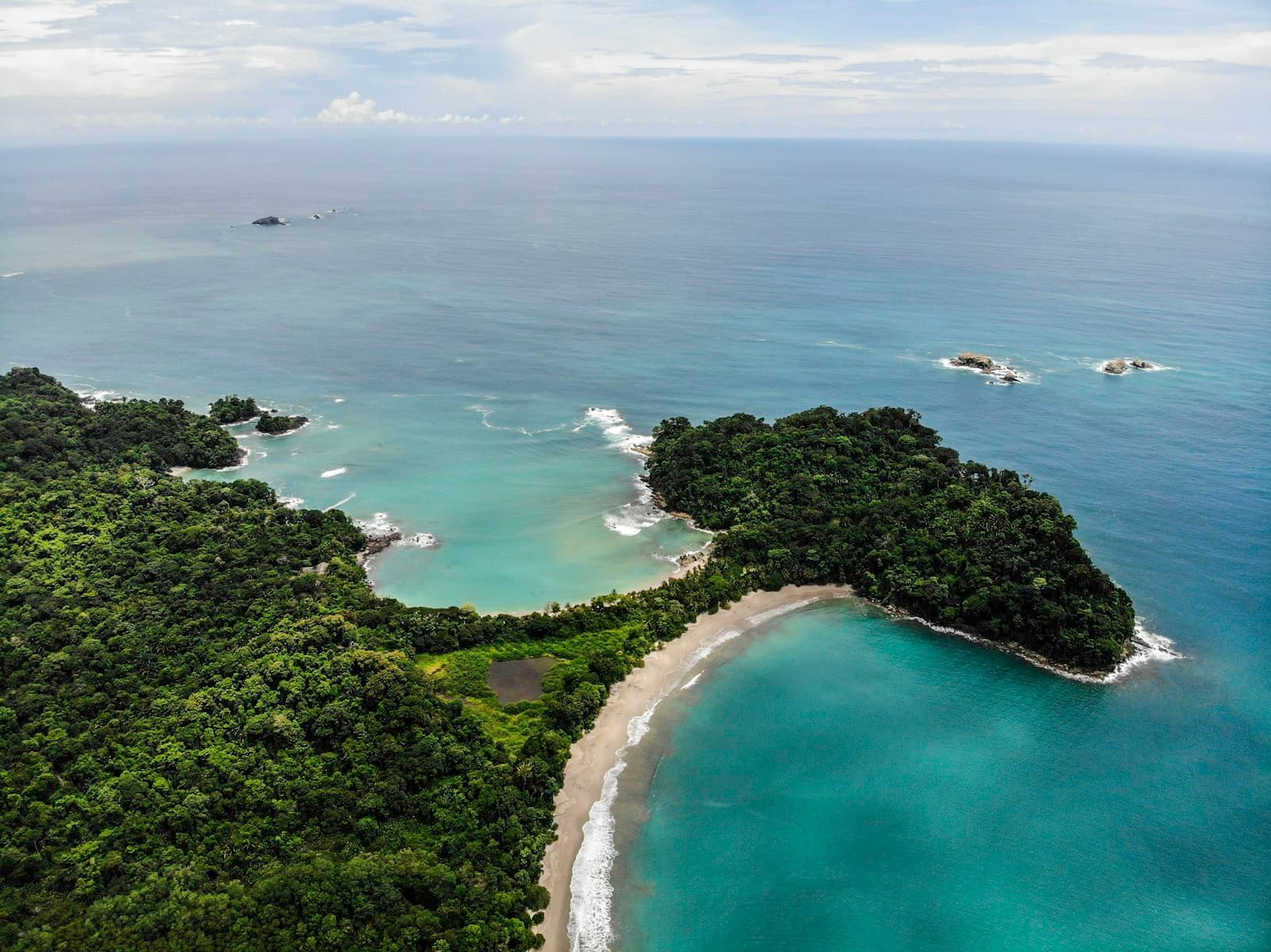
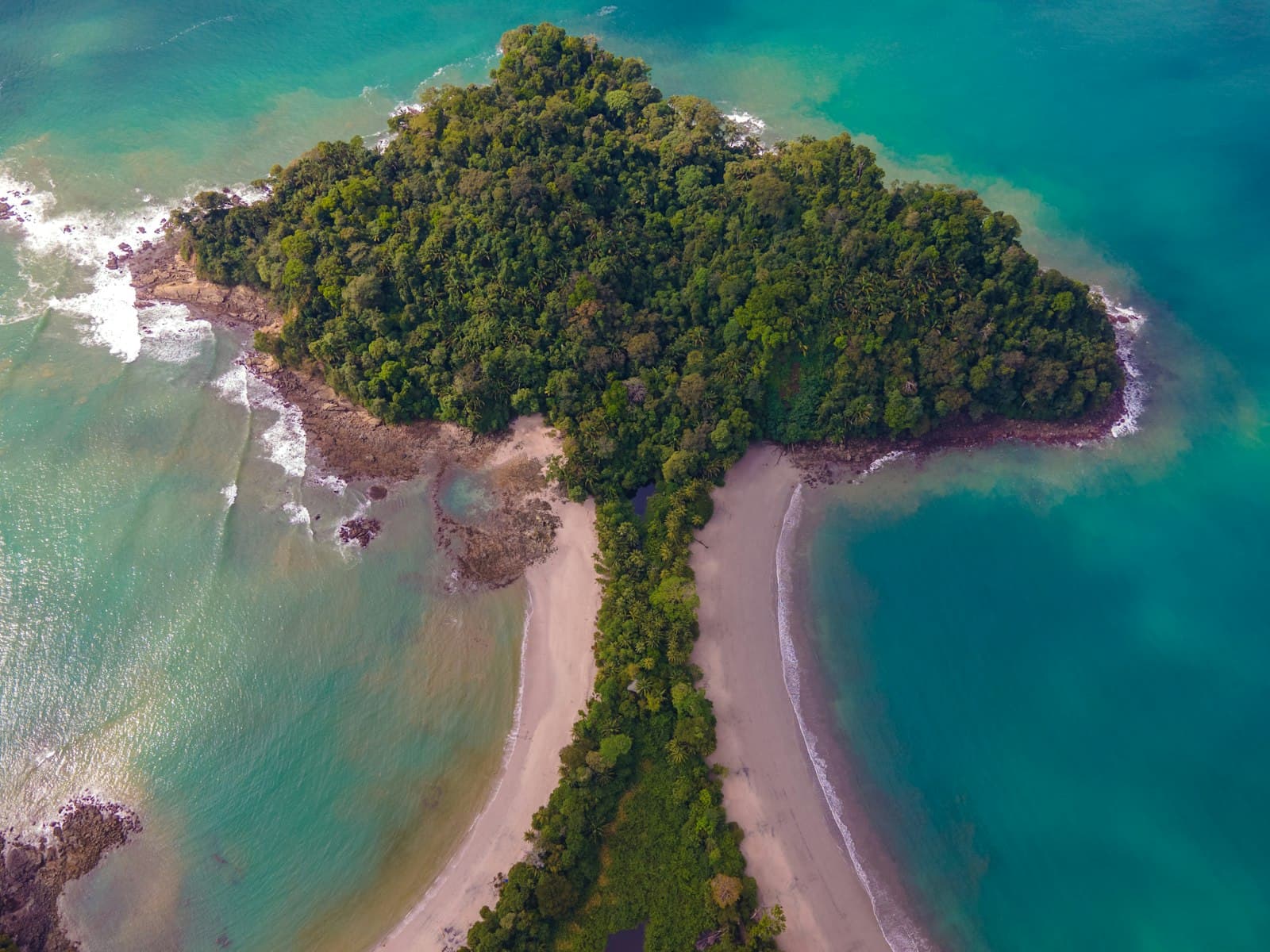
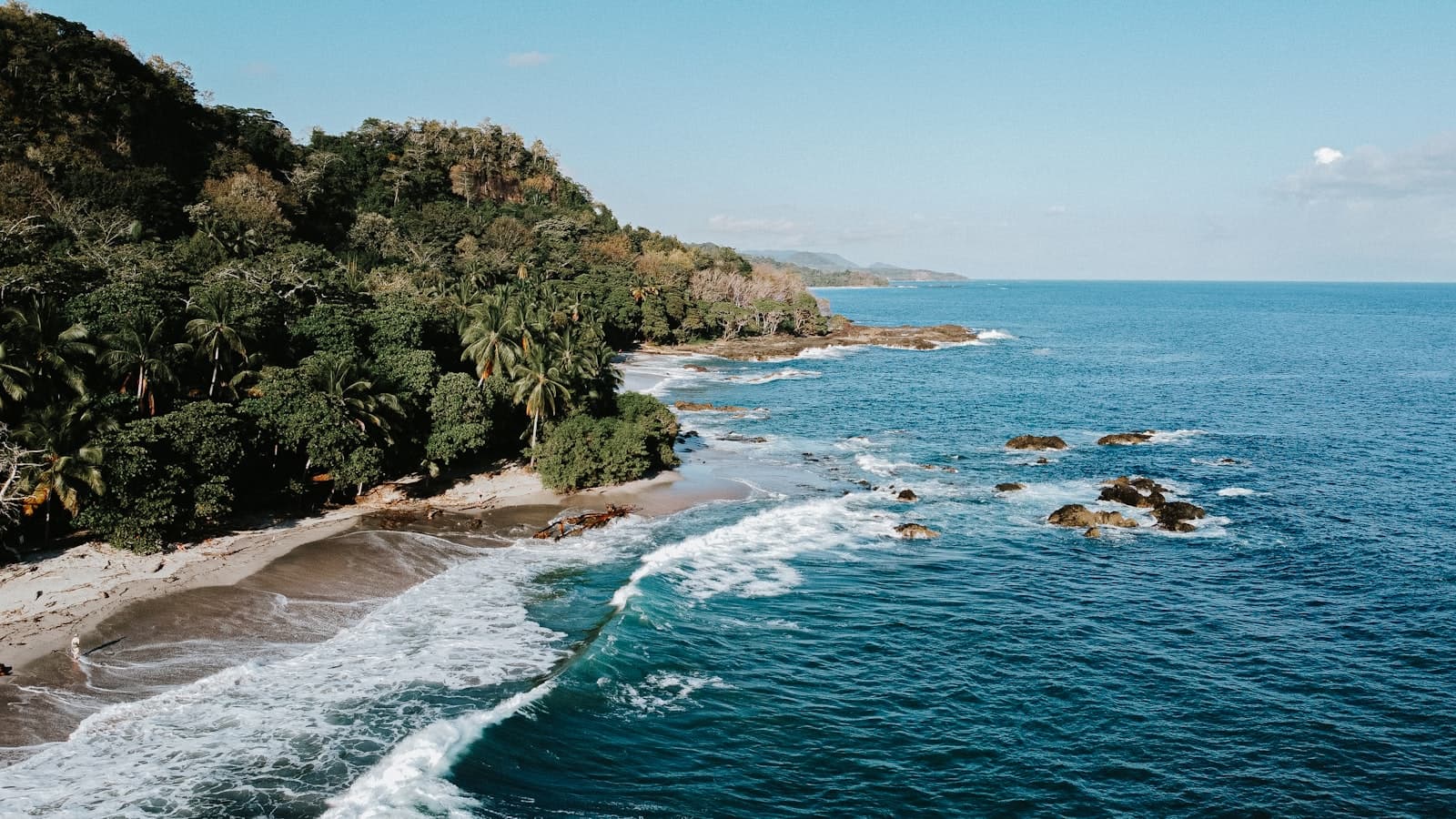
Inizia la tua esplorazione con le varie spiagge. Playa Cocles è apprezzata per il surf e l'abbronzatura, offrendo un'atmosfera vivace con pallavolo e slackline. Per un'esperienza più serena, dirigiti verso Playa Chiquita o Playa Punta Uva, rinomate per le loro acque tranquille, la sabbia bianca e lo splendore naturale, ideali per nuotare, fare kayak e paddleboard. Playa Negra, a nord della città, si distingue per la sua singolare sabbia nera.
Immergiti nella fauna selvatica al Jaguar Rescue Center, un centro di riabilitazione per animali feriti e orfani come scimmie, bradipi e uccelli esotici. Tour guidati offrono approfondimenti sui loro sforzi di conservazione. A breve distanza in autobus, il Parco Nazionale di Cahuita offre sentieri ben tenuti attraverso foreste pluviali e lungo sentieri costieri, dove puoi osservare scimmie urlatrici, bradipi e varie specie di uccelli. Più a sud, il Rifugio Nazionale della Fauna Selvatica di Gandoca-Manzanillo offre un'opportunità per fare escursioni attraverso fitte giungle, rilassarsi su spiagge appartate e osservare una fauna selvatica diversificata, comprese le tartarughe marine durante la stagione della nidificazione. Considera di ingaggiare una guida locale per un'esperienza di osservazione della fauna selvatica arricchita a Gandoca-Manzanillo.
Il clima di Puerto Viejo è tropicale, con temperature costanti durante tutto l'anno. Sebbene possa piovere in qualsiasi momento, i periodi più secchi vanno generalmente da febbraio ad aprile e di nuovo da settembre a ottobre. La gente del posto considera spesso settembre e ottobre il "punto ideale" per mari calmi e meno folla, rendendolo ideale per lo snorkeling e le attività balneari. Al contrario, maggio, giugno, luglio e dicembre tendono ad essere i mesi con maggiori precipitazioni. Se altre parti del Costa Rica stanno vivendo forti piogge, la costa caraibica, inclusa Puerto Viejo, gode spesso di un clima più secco.
Puerto Viejo si trova sulla costa sud-orientale del Mar dei Caraibi del Costa Rica, nella provincia di Limón, vicino al confine panamense. L'aeroporto internazionale più vicino è a San José (SJO). Da San José, puoi raggiungere Puerto Viejo in autobus pubblico (circa 5-7 ore, circa 9-10 USD), navetta condivisa o auto a noleggio. Si sconsiglia di guidare dopo il tramonto, in particolare attraverso il Parco Nazionale Braulio Carrillo. Una volta a Puerto Viejo, muoversi è semplice. Molti scelgono di camminare o noleggiare biciclette per esplorare la città e le spiagge vicine. Sono disponibili anche tuk-tuk per brevi distanze. Mentre Puerto Viejo offre una gamma di alloggi, dagli ostelli economici alle capanne nella giungla, non è una destinazione per resort opulenti. Le strutture mediche nelle immediate vicinanze sono limitate a piccole cliniche; per cure specialistiche o di emergenza, potrebbe essere necessario recarsi a Limón (90 minuti) o San José (4 ore).
Puerto Viejo — coreano, cinese, ebraico e altre 29 lingue, ogni tappa narrata da una voce madrelingua. La più ampia scelta di lingue tra i tour audio autoguidati.
Disponibile in: