Iglesia Mayor de San Juan Bautista
La iglesia principal de Remedios guardó un secreto bajo sus altares ornamentados durante siglos.
La historia completa se desbloquea en el tour
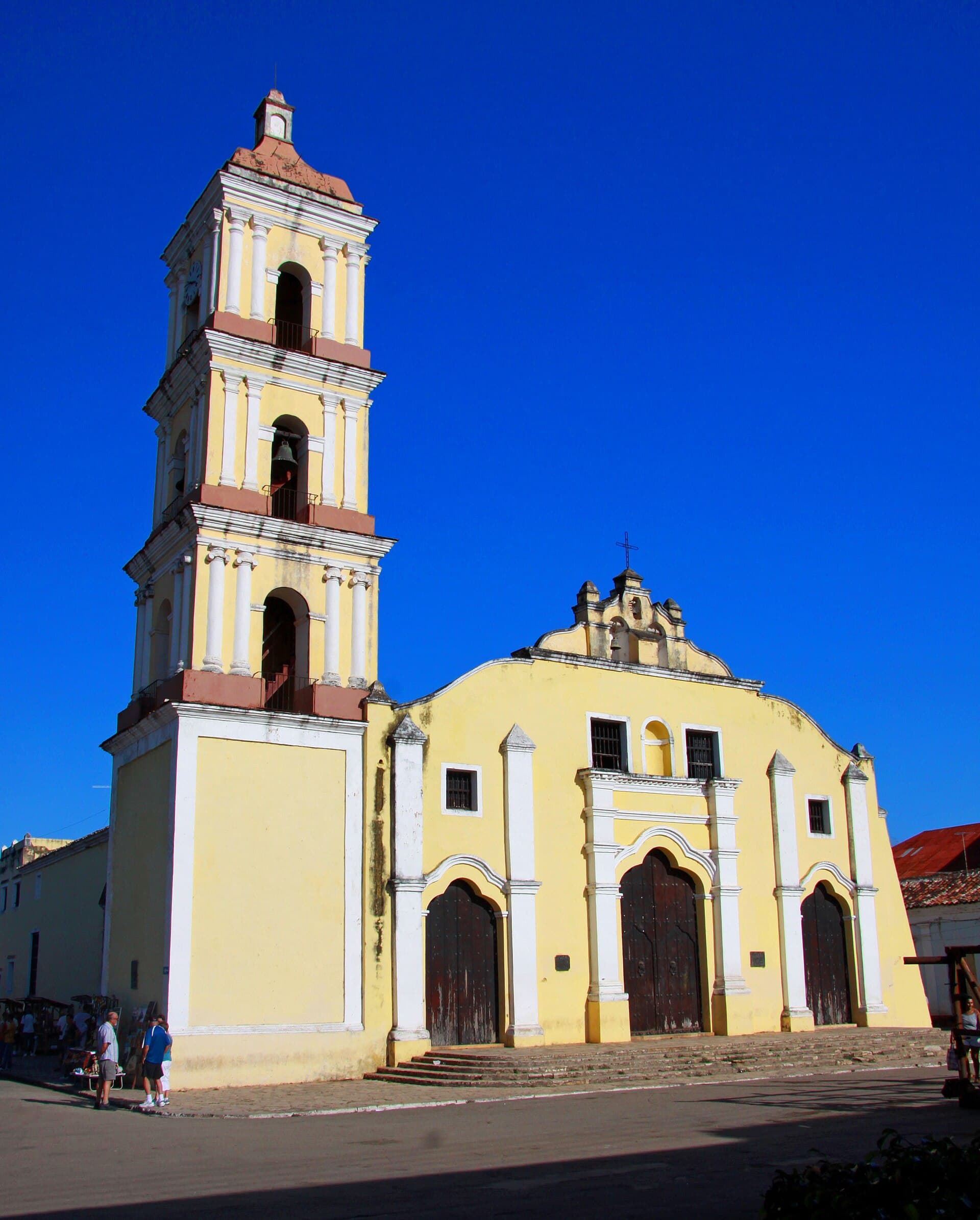 Guillaume Baviere from Uppsala, Sweden / CC BY 2.0, via Wikimedia Commons
Tour de audio autoguiado de Remedios — ruta GPS a pie, reproducción offline, narración en 32 idiomas.
“Donde los ecos coloniales se encuentran con el espíritu cubano, un pueblo de encanto perdurable.”
No las postales. Las historias que ni los locales conocen — al oído, justo donde ocurrieron.
La iglesia principal de Remedios guardó un secreto bajo sus altares ornamentados durante siglos.
Remedios es única en Cuba por una característica arquitectónica particular en su plaza central.
Los orígenes del célebre festival navideño de Remedios están ligados a un inusual decreto clerical.
Descubre todos los secretos de Remedios
Cada dirección, cada revelación al completo — a tu oído, justo donde ocurrió.
Eliges tus paradas. Caminas. La voz te revela lo que los demás ignoran.


Tu tour de audioguía por Remedios te espera — elige tus lugares, tu idioma y empieza al llegar.
ComprarLume incluye una guía de realidad aumentada. Levanta el móvil y su cámara muestra la calle que tienes delante, con una flecha luminosa sobre la imagen real que siempre apunta a tu próxima parada — sin mapas que descifrar, sin giros equivocados. Como todo en Lume, funciona completamente sin conexión.
San Juan de los Remedios, a menudo llamado simplemente Remedios, es un pueblo colonial en la provincia cubana de Villa Clara, reconocido como uno de los primeros asentamientos españoles del país. Fundado entre 1513 y 1524, su centro histórico fue declarado Monumento Nacional en 1980, preservando sus coloridas calles, edificios de los siglos XVIII y XIX, y una atmósfera tranquila.
Más pequeño y menos concurrido que ciudades como La Habana o Trinidad, Remedios ofrece una auténtica visión de la vida cubana. Es particularmente conocido como la "Cuna de las Parrandas", uno de los festivales tradicionales más grandes y antiguos del Caribe, que transforma la ciudad con música, fuegos artificiales y desfiles cada diciembre. Más allá del festival, Remedios sirve como una parada cultural para los viajeros que se dirigen a las prístinas playas de Cayo Santa María, conectadas al continente por una carretera de 48 kilómetros.
## Primeros Asentamientos y Ataques de Corsarios Remedios fue fundado entre 1513 y 1524 por el noble español Vasco Porcallo de Figueroa, lo que lo convierte en uno de los primeros asentamientos españoles en Cuba. Originalmente, fue conocido por varios nombres, incluyendo Santa Cruz de la Sabana. Una leyenda local sugiere que Vasco Porcallo de Figueroa inicialmente mantuvo la existencia del pueblo en secreto del Rey de España para evitar pagar impuestos.
Su proximidad a la costa norte hizo de Remedios un blanco fácil para los ataques de corsarios a lo largo del siglo XVI. Estas frecuentes incursiones empujaron a la población dos veces a trasladarse tierra adentro en busca de un lugar más seguro. Hacia finales del siglo XVII, un grupo de ciudadanos adinerados incluso intentó reubicar Remedios por completo, pero la mayoría de los residentes se resistieron. Aquellos que deseaban mudarse finalmente fundaron Santa Clara, que creció hasta convertirse en la capital provincial, dejando a Remedios conservar su carácter más tranquilo e intacto.
## Crecimiento y Reconocimiento Nacional A pesar de los desafíos iniciales, Remedios creció constantemente, con su economía dependiendo inicialmente de la agricultura y la ganadería, suministrando carne a las colonias españolas en Florida. La industria azucarera se convirtió más tarde en una parte significativa de su prosperidad a mediados del siglo XIX. En 1980, el centro urbano histórico de Remedios fue declarado Monumento Nacional, reconociendo su arquitectura colonial bien conservada y su significado cultural.
## La Tradición de las Parrandas Remedios es más famoso por ser la "Cuna de las Parrandas", un festival navideño. Esta tradición se remonta al siglo XIX, cuando un sacerdote local animó a los niños a hacer ruido para atraer a los feligreses a la misa de medianoche. Con el tiempo, esto evolucionó hasta convertirse en una animada competencia entre dos barrios rivales, El Carmen (el gavilán) y El Salvador (el gallo), que crean elaboradas carrozas, disfraces, faroles y fuegos artificiales para la celebración de un mes de duración, que culmina en Nochebuena.
Remedios se explora mejor a pie, con la mayoría de las atracciones agrupadas alrededor de su plaza principal, la Plaza Martí. Esta animada plaza es única en Cuba por presentar dos iglesias: la Iglesia Mayor de San Juan Bautista y la Iglesia de Nuestra Señora del Buen Viaje. La Iglesia Mayor, que data de 1550, es particularmente notable por su altar dorado ricamente decorado, su intrincada carpintería y una singular estatua de una Virgen embarazada.
Más allá de las iglesias, la Plaza Martí está rodeada de coloridos edificios coloniales, bancos a la sombra y cafés, ofreciendo un lugar perfecto para observar la vida diaria. Cerca, el Parque Libertad presenta una sorprendente Estatua de la Libertad que se eleva desde un obelisco, simbolizando los valores de libertad de la comunidad.
Para aquellos interesados en la cultura local, el Museo de las Parrandas Remedianas ofrece una visión del festival navideño de la ciudad, mostrando fotos y recuerdos. El Museo Municipal Francisco Javier Balmaseda es uno de los museos más antiguos de Cuba, ofreciendo una mirada más amplia a la historia de la ciudad. Además, el Teatro Rubén Martínez Villena, un teatro de estilo colonial, y el Museo de Música Alejandro García Caturla, dedicado al compositor cubano, merecen una visita.
El mejor momento para visitar Remedios es durante la estación seca, de noviembre a abril, cuando el clima es cálido y soleado. Diciembre es un punto culminante debido al mundialmente famoso festival de las Parrandas de Remedios, una celebración que precede a la Nochebuena. Si bien esta es la temporada alta, es recomendable reservar alojamiento con antelación. Para los entusiastas de la playa, combinar un viaje con Cayo Santa María de diciembre a marzo ofrece condiciones marítimas ideales. La estación lluviosa, de mayo a octubre, trae mayor humedad y ocasionales lluvias tropicales, con riesgo de huracanes entre agosto y octubre.
Remedios es un pueblo pequeño y transitable, lo que facilita explorar la mayoría de las atracciones a pie. Para aventurarse un poco fuera del centro, los bici-taxis y los coches de caballos ofrecen un transporte local encantador y asequible. Para distancias más largas, como a la cercana Caibarién o la carretera El Pedraplén que lleva a Cayo Santa María, hay taxis regulares disponibles. Los autobuses Viazul también conectan Remedios con otras ciudades cubanas importantes como La Habana y Santa Clara.
Aunque generalmente se considera seguro, siempre es prudente practicar el sentido común en la calle. El aeropuerto más cercano es el Aeropuerto Abel Santamaría (SNU) en Santa Clara, aproximadamente a 45 km de distancia. Muchos resorts en Cayo Santa María ofrecen traslados privados que pueden incluir una parada en Remedios.
Remedios en coreano, en chino o en hebreo — y 29 idiomas más, cada parada narrada por una voz nativa. La mayor variedad de idiomas de cualquier audioguía autoguiada.
Disponible en: