Rendsburg High Bridge
The Rendsburg High Bridge, a steel titan, was not merely constructed to carry trains; it also resolved an unexpected issue for ships.
Full story unlocks in the tour
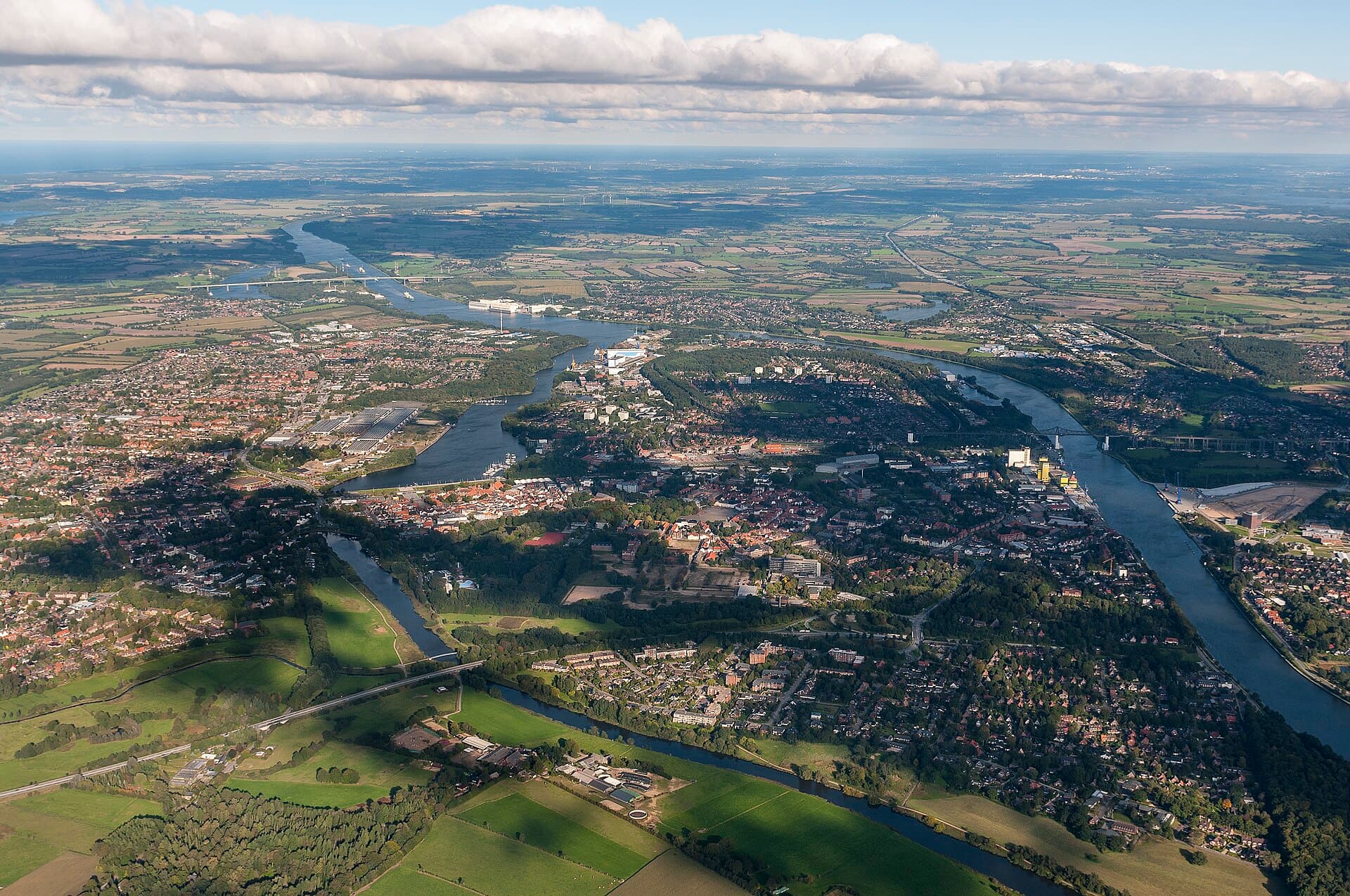 Ralf Roletschek / CC BY-SA 3.0, via Wikimedia Commons
Self-guided audio walking tour of Rendsburg — GPS route, offline playback, story-driven narration in 32 languages.
“Where colossal engineering meets centuries of contested ground.”
Not the postcards. The stories even locals don't know — whispered in your ear, right where they happened.
The Rendsburg High Bridge, a steel titan, was not merely constructed to carry trains; it also resolved an unexpected issue for ships.
Beneath the immense Rendsburg High Bridge, a smaller, almost whimsical, form of conveyance glides.
To traverse the Kiel Canal without a bridge, Rendsburg offers a subterranean passage with a surprisingly grand entry.
Discover every secret of Rendsburg
Every address, every reveal in full — in your ear, right where it happened.
You pick your stops. You walk. The voice reveals what the others miss.
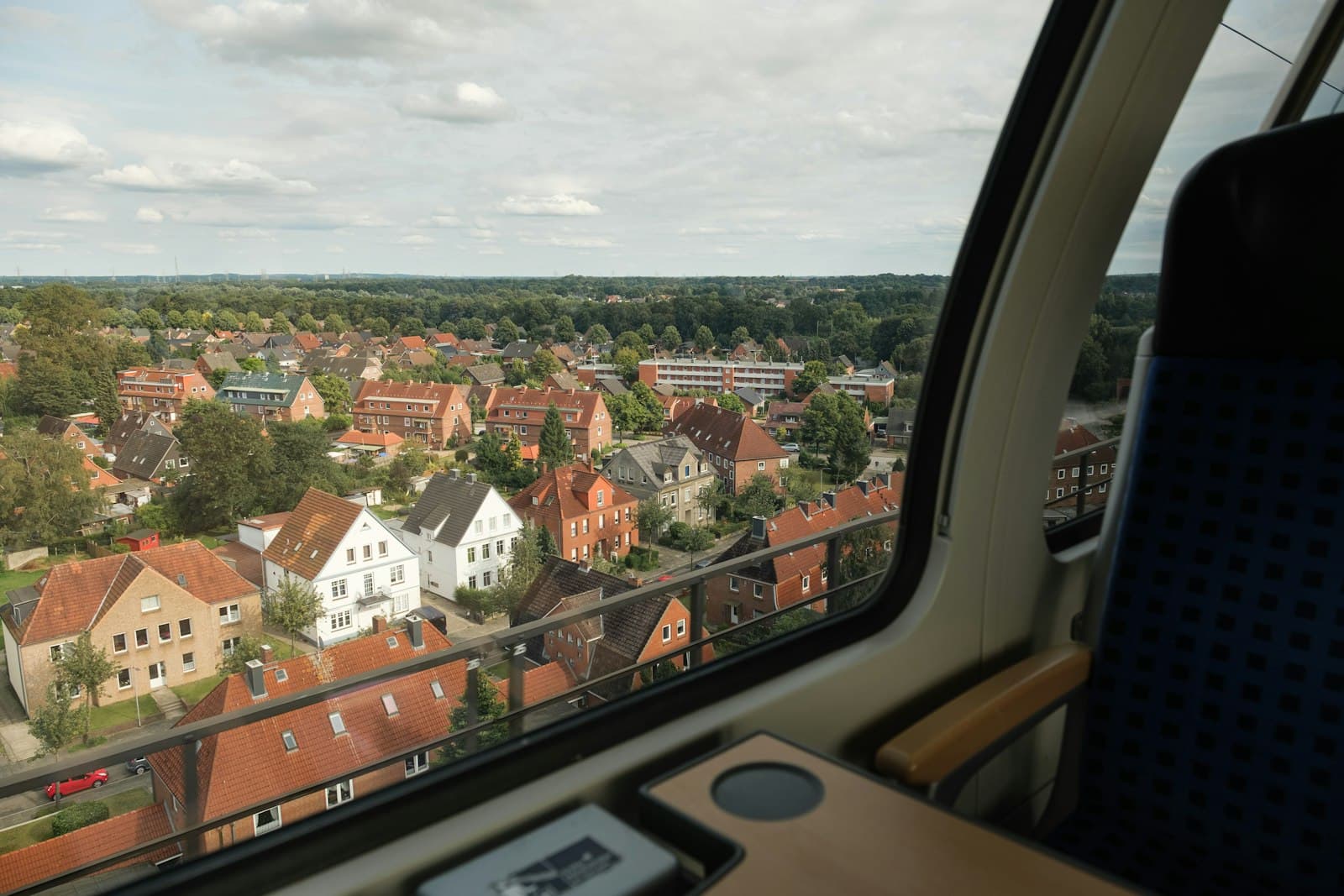
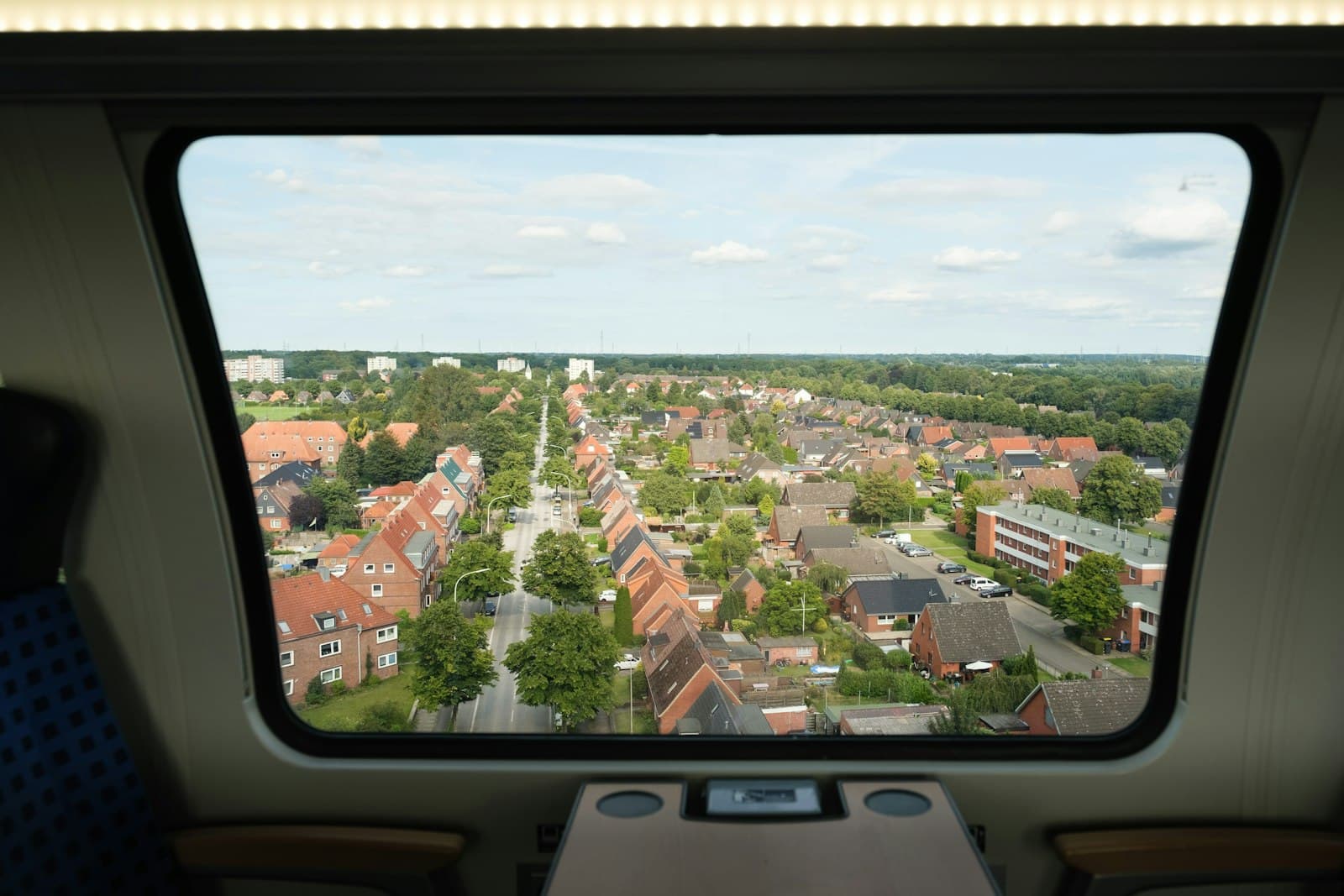
Your self-guided audio tour of Rendsburg is ready — pick your landmarks, choose your language, and start the moment you arrive.
BuyLume has a built-in augmented-reality guide. Hold your phone up and its camera shows the street ahead of you, with a glowing arrow laid over the real view that always points to your next stop — no map to puzzle over, no wrong turns. Like everything in Lume, it works fully offline.
Rendsburg, a town in northern Germany's Schleswig-Holstein, is a place where human ingenuity constructs monumental forms against a backdrop of a long, contested past. Situated at the narrowest point between the North Sea and the Baltic Sea, the town's identity is deeply entwined with the Kiel Canal, one of the world's most active artificial waterways. This strategic position has shaped Rendsburg into a center of maritime activity and a testament to engineering brilliance.
Beyond its impressive bridges and tunnels, Rendsburg offers a delightful old town with venerable architecture and a tranquil rhythm. It is a destination that invites you to uncover its particular blend of industrial heritage and cultural depth, all while enjoying the picturesque scene of ships gliding by.
Rendsburg's origins are veiled in some obscurity, with its first mention as "Reinoldesburg" appearing in 1199. It began as an island fortress on the Eider River, a strategic position that would see it become a point of contention between Danish kings and the counts of Schleswig and Holstein for centuries.
The town received its charter in 1253 and, over time, frequently shifted between Danish and German administration. In the 17th century, Rendsburg was developed into a baroque fortress town, with a new quarter emerging around the Parade Square. This period of Danish rule left its architectural imprint, notably in structures like the Christ Church.
A pivotal moment in Rendsburg's history arrived with the German-Danish War in 1864, when the town was seized by Prussia and Austria, eventually becoming part of Prussia in 1866. However, the most transformative change came in 1895 with the opening of the Kiel Canal, which dramatically accelerated Rendsburg's commercial development and its standing as an inland seaport. The canal, cutting directly through the town, led to the construction of iconic engineering feats that define Rendsburg's skyline today.
The broader region of Schleswig-Holstein, where Rendsburg lies, possesses a complex history of cultural exchange and conflict. For centuries, Schleswig was a Danish duchy, while Holstein was associated with the Holy Roman Empire and later the German Confederation. Disputes over territory and sovereignty between Denmark, Prussia, and Austria were frequent, with both Danish and German nationalists vying for control.
The establishment of Rendsburg as a "tolerance town" for Jewish settlers in 1692, through a royal privilege, stands as a unique chapter in its history, offering considerably better living conditions for Jewish communities than many other locations at the time. This period of relative sanctuary illuminates a different facet of the region's often-turbulent past. Today, Rendsburg's history is visible in its preserved medieval houses, historic churches, and the enduring presence of its monumental canal structures.
Rendsburg's most prominent landmark is undeniably the Rendsburg High Bridge, a colossal steel railway viaduct completed in 1913. Beneath it, the distinctive Transporter Bridge (Schwebefähre) conveys pedestrians and vehicles across the Kiel Canal, an engineering marvel and one of the few still in operation globally. For a different crossing experience, descend into the Kiel Canal Pedestrian Tunnel, noteworthy for its impressively long escalators.
Within the historic Old Town, explore the St. Marien Church, Rendsburg's oldest structure, dating back to 1287, with its intricate interior and Gothic style. The Old Town Hall, a 16th-century building with characteristic stepped gables, features a carillon. The Christ Church in the Neuwerk quarter displays Danish Baroque architecture from its era as a Danish garrison church.
Follow the "Blue Line" painted on the pavement to guide your steps to the primary attractions of the old town. Do not overlook the Jewish Museum Rendsburg, housed in a former synagogue, which recounts the story of the town's Jewish community. For a more unhurried experience, seek out the Longest Bench in the World along the Kiel Canal, providing prime ship-watching opportunities.
The most agreeable period to visit Rendsburg for comfortable weather and outdoor exploration extends from May through September, with June, July, and August offering the most favorable conditions. During these months, daytime temperatures are mild, reaching around 23°C (73°F) in July. For fewer crowds and potentially better value, consider visiting during the quieter months of December through March, though anticipate cooler temperatures. June also stands as the sunniest month, averaging 8 hours of sunshine daily.
Rendsburg benefits from excellent public transport connections. The Rendsburg Station provides train services to other areas, including Hamburg and Flensburg. Buses also serve the city, with stops like Rendsburg Herrenstrasse Bus Stop offering local access. Navigating Rendsburg itself is straightforward using these convenient bus and train services.
A well-paced itinerary for Rendsburg can span one to two days to explore key attractions like the High Bridge, Christ Church, and Old Town Hall. For a more relaxed journey, allowing time to savor local cuisine and utilize public transport, consider three to four days. While exploring, follow the helpful "Blue Line" painted on the pavement in the old town, which guides visitors to the main sights.
Rendsburg in Korean, in Chinese or in Hebrew — and 29 more languages, every stop narrated by a native voice. The widest language range of any self-guided audio tour.
Available in: