Centro de Salida
Los históricos edificios de ladrillo que bordean las calles de Salida cuentan una historia de resiliencia, resurgiendo de las cenizas no una, sino dos veces.
La historia completa se desbloquea en el tour
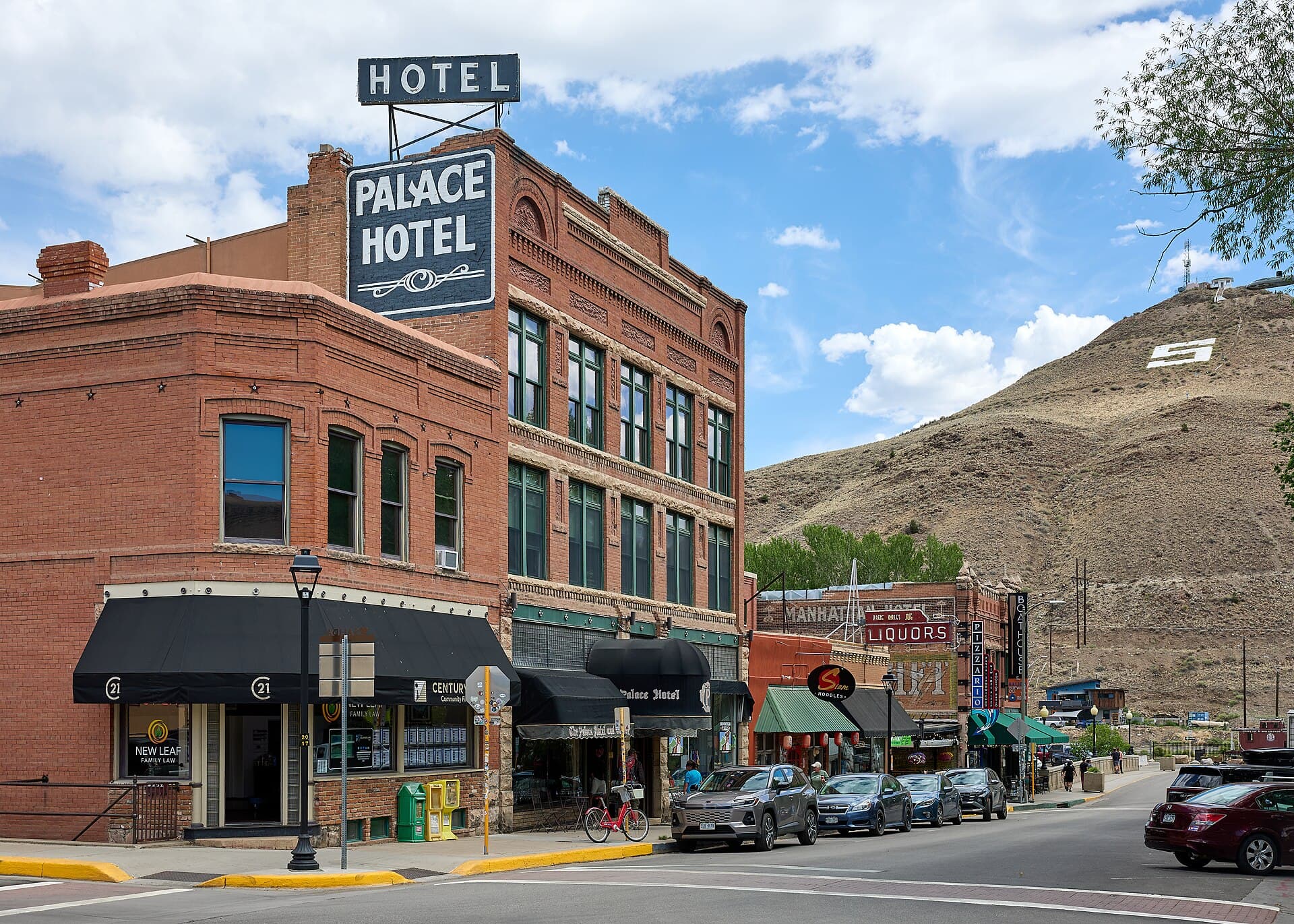 Frank Schulenburg / CC BY-SA 4.0, via Wikimedia Commons
Tour de audio autoguiado de Salida — ruta GPS a pie, reproducción offline, narración en 32 idiomas.
“Donde el río Arkansas se abre paso por las Rocosas, Salida te invita a descubrir su vibrante pasado y presente.”
No las postales. Las historias que ni los locales conocen — al oído, justo donde ocurrieron.
Los históricos edificios de ladrillo que bordean las calles de Salida cuentan una historia de resiliencia, resurgiendo de las cenizas no una, sino dos veces.
Bajo la superficie de las famosas aguas bravas de Salida, un deporte acuático único ha echado raíces, atrayendo a una multitud inesperada a las Rocosas.
El nombre 'Salida' tiene un doble significado, una peculiaridad lingüística que los lugareños han adoptado, incluso si es técnicamente incorrecta.
Descubre todos los secretos de Salida
Cada dirección, cada revelación al completo — a tu oído, justo donde ocurrió.
Eliges tus paradas. Caminas. La voz te revela lo que los demás ignoran.


Tu tour de audioguía por Salida te espera — elige tus lugares, tu idioma y empieza al llegar.
ComprarSalida, Colorado, a menudo llamada el "Corazón de las Rocosas", es una vibrante ciudad de montaña situada a 2.145 metros en el Valle del Río Arkansas Superior. Flanqueada por la majestuosa Cordillera Sawatch, hogar de la mayor concentración de picos de 4.000 metros en Colorado, Salida ofrece una mezcla única de aventura al aire libre y carácter artístico. A pesar de su entorno de gran altitud, la ciudad disfruta de un clima sorprendentemente templado, a veces conocido como el "Cinturón del Plátano".
Originalmente un centro ferroviario crucial, Salida se ha transformado en un destino de recreación al aire libre de renombre y una próspera comunidad artística. El río Arkansas, que fluye directamente a través de la ciudad, ofrece rafting de aguas bravas de clase mundial, kayak y pesca de truchas de Medalla de Oro. Más allá del río, las montañas circundantes ofrecen extensos senderos para practicar senderismo, ciclismo de montaña y explorar pueblos fantasma. El Distrito Creativo de la ciudad, el más grande de Colorado, atrae a artistas, creadores y visitantes, contribuyendo a su carácter distintivo.
Salida mantiene una sensación auténtica, distinguiéndola de otras ciudades de Colorado más enfocadas en resorts. Su centro histórico de la época victoriana, bellamente conservado y catalogado en el Registro Nacional de Lugares Históricos, invita a los visitantes a explorar sus tiendas, galerías y restaurantes únicos. Ya sea que busques actividades llenas de adrenalina o una exploración tranquila del arte y la historia, Salida ofrece una experiencia memorable en el corazón de las Montañas Rocosas.
La historia de Salida comienza en 1880, cuando fue fundada como "South Arkansas" con la llegada del ferrocarril Denver and Rio Grande. El ferrocarril pasó por alto el asentamiento cercano de Cleora, estableciendo un centro de trabajo a lo largo del río Arkansas. En cuestión de meses, la ciudad fue rebautizada como Salida, que en español significa "salida" o "desembocadura", lo que refleja su posición como puerta de entrada al cañón del río Arkansas. Esta ubicación estratégica convirtió rápidamente a Salida en un importante punto de división y uno de los centros de transporte más importantes de Colorado, conectando el Valle del Arkansas con el resto del país.
El ferrocarril trajo una rápida afluencia de personas, dinero y negocios, lo que llevó a un frenesí de construcción. En 1883, hasta cien trenes al día pasaban por Salida. Sin embargo, este auge inicial no estuvo exento de desafíos. El centro de Salida sufrió incendios devastadores en 1886 y nuevamente en 1888, destruyendo muchas de sus estructuras iniciales. Los resilientes habitantes de la ciudad reconstruyeron utilizando ladrillo local, creando la duradera arquitectura de la época victoriana que define el distrito histórico del centro hoy en día.
Aunque la minería de oro, plata, plomo y zinc fue un importante motor económico en el condado de Chaffee circundante, Salida sirvió principalmente como un punto de suministro crucial y un centro para las operaciones de fundición. La Ohio and Colorado Smelting Company construyó una gran fundición cerca de la ciudad en 1902, que en su apogeo podía procesar hasta 1.500 toneladas de mineral al día y empleaba a cientos. La imponente chimenea de ladrillo de 365 pies, añadida en 1917 para dispersar los humos, sigue siendo un hito prominente.
A medida que avanzaba el siglo XX, la influencia del ferrocarril y la minería disminuyó. El ferrocarril Union Pacific interrumpió el servicio a través de Salida en 1997. Sin embargo, Salida demostró una notable capacidad de reinvención. En las décadas de 1970 y 1980, los artistas comenzaron a mudarse a los edificios vacíos y asequibles del centro, estableciendo estudios y galerías. Esta floreciente escena artística sentó las bases para que Salida fuera designada el primer Distrito Creativo Certificado de Colorado en 2012, solidificando su reputación como un centro cultural. Hoy en día, Salida es celebrada por su recreación al aire libre, su comunidad artística y su historia bellamente conservada.
La historia ferroviaria de Salida también trajo visitantes notables a la ciudad. Los presidentes Theodore Roosevelt, Howard Taft, Harry Truman y Franklin Delano Roosevelt pasaron por Salida. Ulysses S. Grant visitó la zona después de su presidencia en 1880, buscando una aventura occidental. Theodore Roosevelt incluso pronunció un discurso en Salida en 1905, reconociendo a los veteranos, trabajadores ferroviarios y escolares que acudieron a saludarlo.
Más allá de las figuras históricas, Salida está llena de folclore local. La ciudad es considerada una de las más embrujadas de Colorado, con numerosos edificios históricos, incluidos antiguos hoteles, salones e incluso una morgue, asociados con informes recurrentes de actividad paranormal. Estas historias de fantasmas a menudo provienen del pasado del Salvaje Oeste de la ciudad, lleno de accidentes, violencia, enfermedades y muertes repentinas que se convirtieron en parte del folclore local. El Museo de Salida conserva activamente estas historias, ofreciendo recorridos a pie que profundizan en la fascinante y a veces espeluznante historia de la ciudad.
Comienza tu exploración en el Distrito Histórico del Centro de Salida, el más grande de Colorado, donde 136 edificios de ladrillo conservados albergan una variedad de tiendas únicas, galerías de arte y restaurantes. Pasea por la Calle F, la vía principal, para empaparte de la arquitectura victoriana y buscar artesanías locales.
El Río Arkansas es la pieza central natural de Salida. Camina o anda en bicicleta por el Salida River Trail, un pintoresco sendero de 3.8 millas a lo largo de la orilla del río, que ofrece vistas tranquilas y oportunidades para pescar. Para una experiencia más aventurera, considera el rafting en aguas bravas o el kayak en sus rápidos de clase mundial.
Obtén una perspectiva panorámica de Salida y la Cordillera Sawatch circundante caminando o andando en bicicleta por el sendero Tenderfoot Hill Tower and Loop. Una caminata más corta hasta la torre de observación ofrece vistas amplias. Para una inmersión más profunda en la historia local, visita el Museo de Salida, que alberga artefactos y exhibiciones que detallan el pasado ferroviario, minero y cultural de la ciudad.
Los entusiastas del arte deben explorar las numerosas galerías de arte en todo el Distrito Creativo, que exhiben talento local y nacional en diversos medios. No te pierdas el SteamPlant Event Center, una antigua central eléctrica de 1887 que ahora alberga actuaciones y eventos.
Para una experiencia única, considera una sesión de fotografía de ferrotipo para capturar un retrato histórico. Y para aquellos que buscan relajación, el Salida Hot Springs Aquatic Center ofrece la piscina de aguas termales cubierta más grande del país.
La mejor época para visitar Salida para actividades de clima cálido es desde finales de mayo hasta finales de agosto. Durante estos meses de verano, experimentarás temperaturas agradables, ideales para actividades fluviales, senderismo y exploración al aire libre. Julio es típicamente el mes más cálido, con máximas promedio alrededor de 28°C (82°F). Aunque agosto registra la mayor precipitación promedio, la lluvia es generalmente baja durante todo el año. Para aquellos interesados en deportes de invierno, Monarch Mountain ofrece esquí y snowboard, a menudo con nieve natural. La primavera (abril-mayo) y el otoño (septiembre-octubre) ofrecen un clima de transición con temperaturas diurnas moderadas y noches más frescas, perfectas para paseos panorámicos y disfrutar del cambio de follaje.
Salida es accesible desde dos aeropuertos principales: Colorado Springs (COS) está aproximadamente a 2 horas en coche, y Denver International (DEN) está a unas 2.5-3 horas. El alquiler de coches es esencial ya que Salida no tiene transporte público.
Al empacar, opta por ropa informal y deportiva, ya que los lugareños priorizan la comodidad y la preparación para actividades al aire libre. Vestirse en capas es clave, especialmente durante la primavera y el otoño, debido a las fluctuaciones de temperatura entre el día y la noche. Invertir en equipo adecuado para senderismo, ciclismo o actividades fluviales mejorará tu experiencia.
El centro de Salida es muy transitable, con la mayoría de las tiendas, restaurantes y galerías a poca distancia. Muchos negocios en Salida son de propiedad local, por lo que apoyarlos contribuye al carácter único de la ciudad. Para necesidades específicas al aire libre, tiendas como Adventure Post y Salida Mountain Sports ofrecen equipo y alquileres.
Salida es conocida por su ritmo relajado. Ten en cuenta que las escuelas locales operan en una semana de cuatro días, sin clases los viernes, lo que puede afectar los horarios locales.
Salida en coreano, en chino o en hebreo — y 29 idiomas más, cada parada narrada por una voz nativa. La mayor variedad de idiomas de cualquier audioguía autoguiada.
Disponible en: