Aldea Hanok de Namsangol
En 1994, Seúl enterró una cápsula del tiempo para conmemorar su 600 aniversario.
La historia completa se desbloquea en el tour
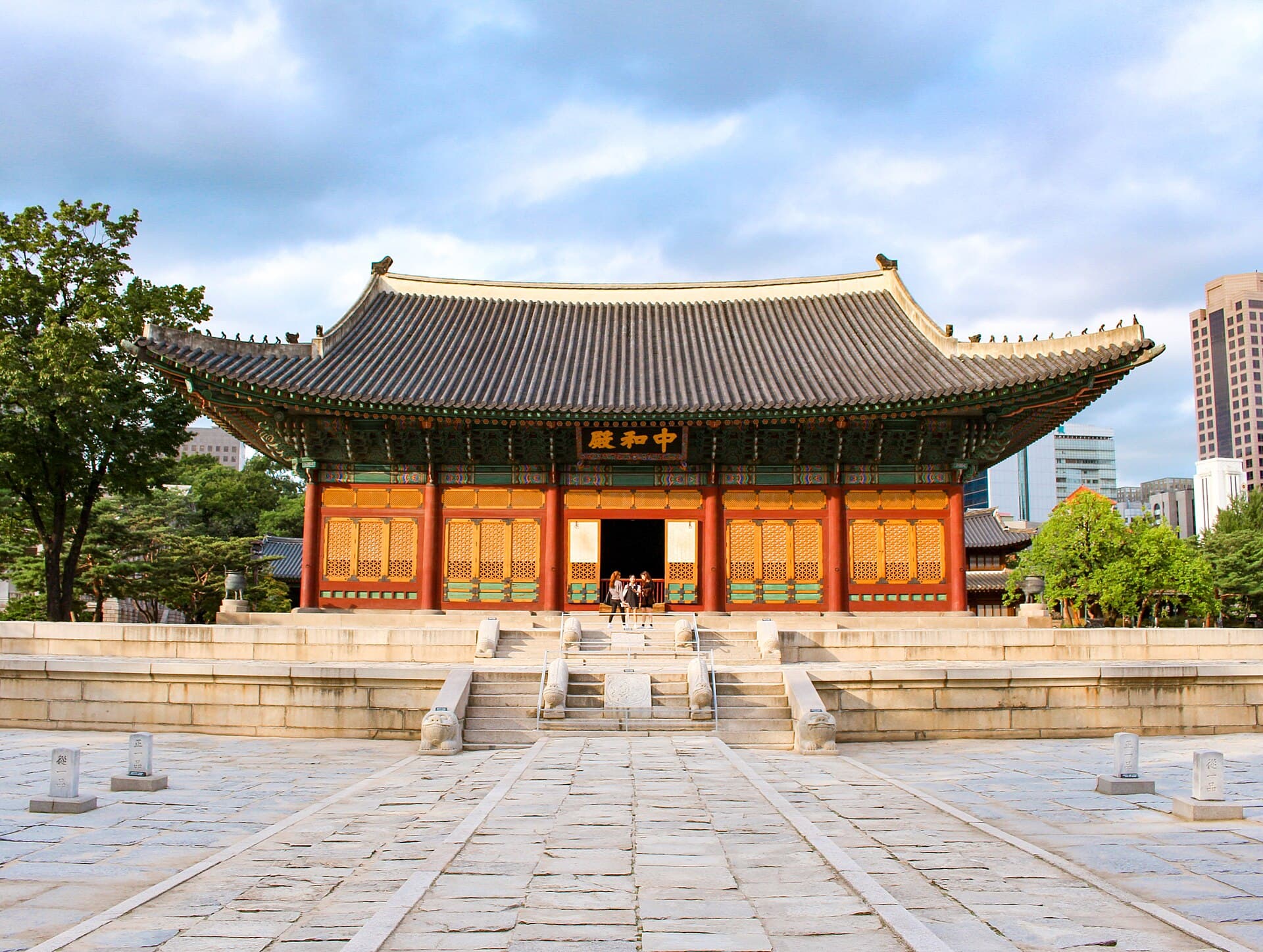 Eunmi Park / CC BY-SA 4.0, via Wikimedia Commons
Tour de audio autoguiado de Seúl — ruta GPS a pie, reproducción offline, narración en 32 idiomas.
“Seúl: Donde los palacios antiguos se encuentran con noches de luces de neón y cada callejuela guarda una historia.”
No las postales. Las historias que ni los locales conocen — al oído, justo donde ocurrieron.
En 1994, Seúl enterró una cápsula del tiempo para conmemorar su 600 aniversario.
Más allá de los famosos puestos de comida callejera, el Mercado de Gwangjang guarda un secreto que revela su propósito original.
Este tranquilo arroyo urbano, un lugar popular para pasear, esconde un pasado sorprendente bajo sus aguas fluidas.
Descubre todos los secretos de Seúl
Cada dirección, cada revelación al completo — a tu oído, justo donde ocurrió.
Eliges tus paradas. Caminas. La voz te revela lo que los demás ignoran.
Tu tour de audioguía por Seúl te espera — elige tus lugares, tu idioma y empieza al llegar.
ComprarLume incluye una guía de realidad aumentada. Levanta el móvil y su cámara muestra la calle que tienes delante, con una flecha luminosa sobre la imagen real que siempre apunta a tu próxima parada — sin mapas que descifrar, sin giros equivocados. Como todo en Lume, funciona completamente sin conexión.
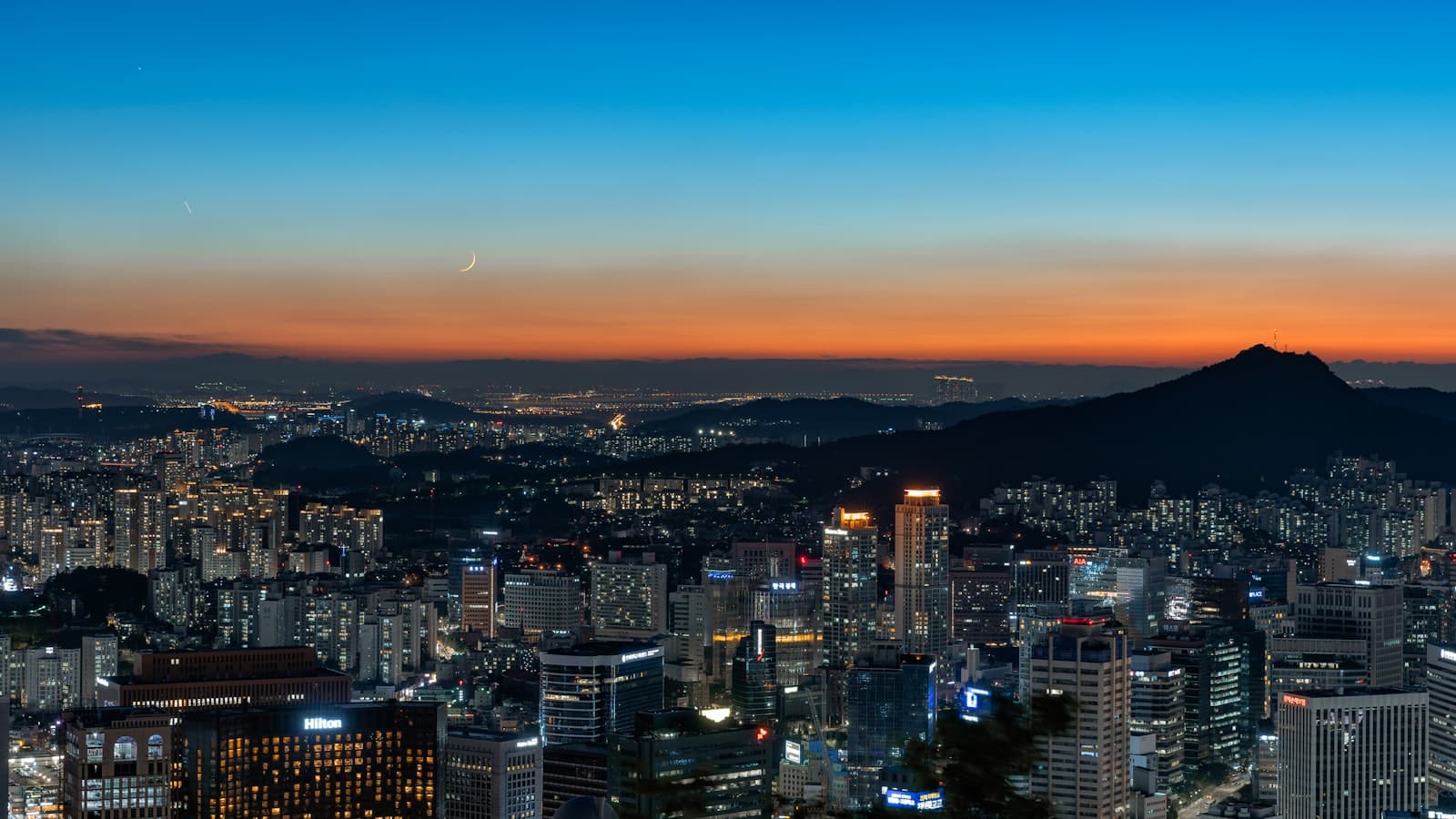
Seúl, oficialmente la Ciudad Metropolitana Especial de Seúl, se erige como la capital y la ciudad más grande de Corea del Sur, y la ciudad más grande de toda Corea. Es una metrópolis en expansión donde las tradiciones antiguas y la innovación hipermoderna coexisten, creando un paisaje urbano cautivador. Desde los serenos terrenos de los palacios reales hasta los mercados activos y los rascacielos futuristas, Seúl ofrece una experiencia dinámica que combina siglos de historia con las tendencias más vanguardistas.
Más de la mitad de la población de Corea del Sur reside en el Área Capital de Seúl, lo que la convierte en un animado centro de cultura, economía y política. La ciudad se asienta geográficamente en un terreno montañoso y accidentado, con Bukhansan posicionado en su extremo norte, proporcionando un dramático telón de fondo natural a la expansión urbana.
El área ahora conocida como Seúl ha estado habitada desde el Paleolítico, con evidencia arqueológica de vida asentada que data del Neolítico, hace unos 3.000 a 7.000 años, particularmente en el Sitio de Asentamiento Prehistórico de Amsa-dong. La historia de la ciudad como centro político comenzó en el 18 a.C. cuando fue fundada como Wiryeseong, la capital de Baekje, uno de los Tres Reinos de Corea.
A lo largo de los siglos siguientes, la región cayó bajo el control de los reinos de Goguryeo y Silla. Durante la dinastía Goryeo, fue conocida como Namgyeong, o la "Capital del Sur", lo que subraya su importancia estratégica. Seúl se convirtió oficialmente en la capital de Corea en 1394 bajo Yi Seong-gye, el padre fundador de la dinastía Joseon. La ciudad, entonces llamada Hanyang, fue meticulosamente planificada de acuerdo con los principios confucianos coreanos, con la construcción del Palacio Gyeongbokgung a partir de 1395 como la principal residencia real.
Principios del siglo XX trajeron un período de cambios significativos bajo el dominio colonial japonés (1910-1945), durante el cual la ciudad fue renombrada Gyeongseong (Keijō en japonés). Después de la liberación de Corea y el final de la Segunda Guerra Mundial, la ciudad adoptó oficialmente su nombre actual, Seúl, y fue declarada capital de la recién formada República de Corea en 1948.
La Guerra de Corea (1950-1953) infligió una inmensa devastación en Seúl, con la ciudad cambiando de manos cuatro veces y dejando gran parte de ella en ruinas. Sin embargo, Seúl experimentó un notable período de reconstrucción y rápida urbanización, a menudo denominado el "Milagro del río Han", transformándola en la metrópolis moderna que es hoy. Este crecimiento continuó con la ciudad albergando importantes eventos internacionales como los Juegos Olímpicos de Verano de 1988 y sirviendo como sede para la Copa Mundial de la FIFA 2002.
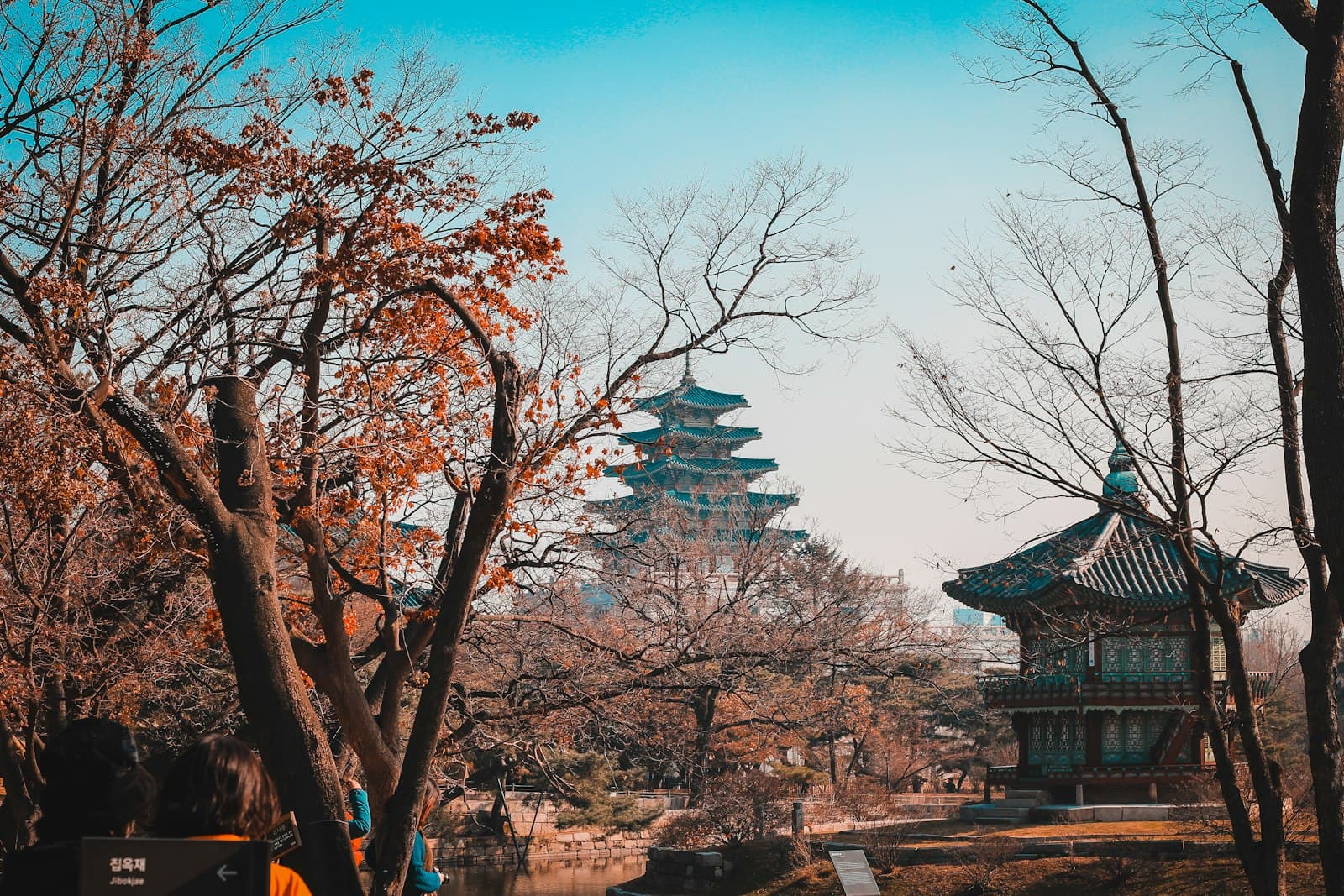
Seúl ofrece una diversa gama de lugares de interés, desde antiguos palacios reales hasta distritos modernos y activos. Una visita al Palacio Gyeongbokgung, el más grande y emblemático de los cinco grandes palacios de Seúl, es esencial. Aquí, se puede presenciar la ceremonia del cambio de guardia y explorar sus extensos terrenos. Cerca, la Aldea Hanok de Bukchon ofrece un viaje en el tiempo con sus casas tradicionales coreanas conservadas y callejuelas estrechas.
Para una experiencia tradicional diferente, explore la Aldea Hanok de Ikseon-dong, conocida por su mezcla de arquitectura tradicional con cafeterías y tiendas modernas. El Mercado de Gwangjang es un destino para los entusiastas de la comida, celebrado por su comida callejera y también ofreciendo un vistazo a su tejido histórico y secciones de ropa vintage. Para los amantes del arte, la Aldea Mural de Ihwa presenta arte callejero y murales coloridos en una ladera, ofreciendo oportunidades fotográficas únicas y vistas de la ciudad.
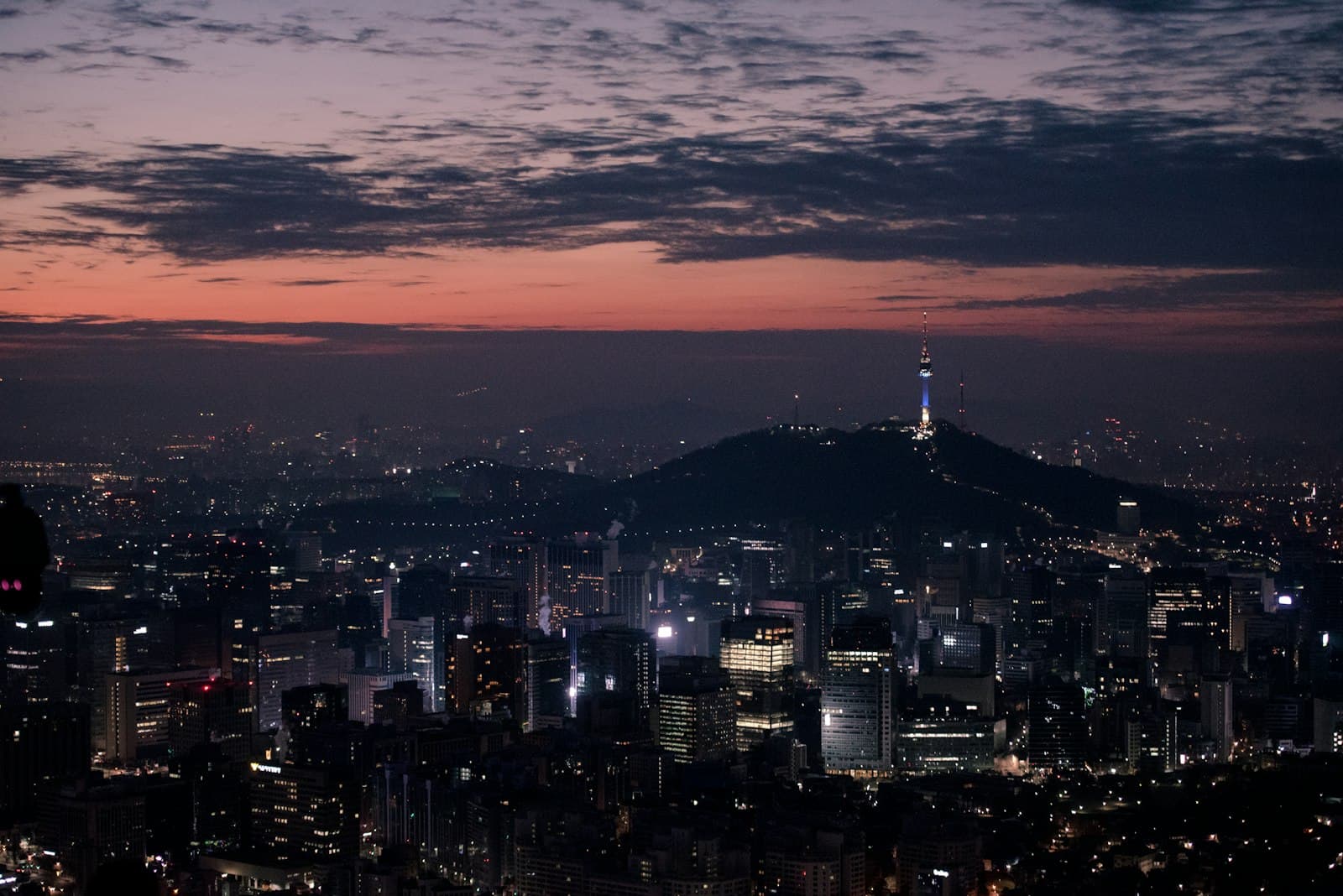
La naturaleza y los paisajes urbanos se pueden disfrutar en el Parque Namsan, el espacio verde más grande de Seúl, que ofrece rutas de senderismo y el teleférico de Namsan para llegar a la Torre N Seoul y disfrutar de vistas panorámicas de la ciudad. El arroyo Cheonggyecheon, una vía fluvial urbana revitalizada, ofrece una agradable zona para pasear y eventos culturales.
Las estaciones más agradables para visitar Seúl son primavera (abril a principios de junio) y otoño (mediados de septiembre a noviembre). Durante estos meses, las temperaturas son suaves y los niveles de humedad son cómodos, lo que lo hace ideal para explorar las atracciones al aire libre de la ciudad. La primavera trae los cerezos en flor, generalmente a principios de abril, llenando parques y calles de flores. El otoño ofrece aire fresco, cielos despejados y un hermoso follaje otoñal, con las hojas cambiando de color desde finales de octubre hasta mediados de noviembre. Ambas estaciones son populares, así que espere mayores multitudes y reserve alojamiento y vuelos con antelación. Los veranos (junio a agosto) son enérgicos pero pueden ser calurosos y húmedos con lluvias monzónicas, mientras que los inviernos (diciembre a febrero) son fríos pero pueden ser una buena opción para los viajeros con presupuesto limitado.
Moverse por Seúl es eficiente y conveniente, gracias a su extenso sistema de transporte público. El Metro de Seúl, con más de 20 líneas codificadas por colores, es la forma más rápida y eficiente de navegar por la ciudad, con estaciones a menudo a 10 minutos a pie de los principales lugares de interés. Los autobuses también son una opción popular, con rutas codificadas por colores (azul para carreteras principales, verde para rutas más cortas, amarillo para distritos centrales y rojo para conexiones suburbanas). Para un viaje sin problemas tanto en metro como en autobús, considere comprar una tarjeta T-money o una tarjeta NAMANE, que se pueden comprar y recargar en tiendas de conveniencia y centros de transporte.
Los taxis están ampliamente disponibles y son con taxímetro, ofreciendo opciones regulares, de lujo e internacionales. Si bien Google Maps proporciona direcciones de transporte público, se recomiendan aplicaciones locales como Naver Map para una navegación completa, incluidas rutas a pie y en coche. Uber también opera en Seúl, conectándolo con taxis locales con licencia. Para traslados al aeropuerto, el tren AREX (Airport Railroad Express) conecta el Aeropuerto Internacional de Incheon con el centro de Seúl.
Seúl en coreano, en chino o en hebreo — y 29 idiomas más, cada parada narrada por una voz nativa. La mayor variedad de idiomas de cualquier audioguía autoguiada.
Disponible en: