Templo Nanhua
Este antiguo santuario budista guarda un profundo secreto que atrae a buscadores de todo el mundo.
La historia completa se desbloquea en el tour
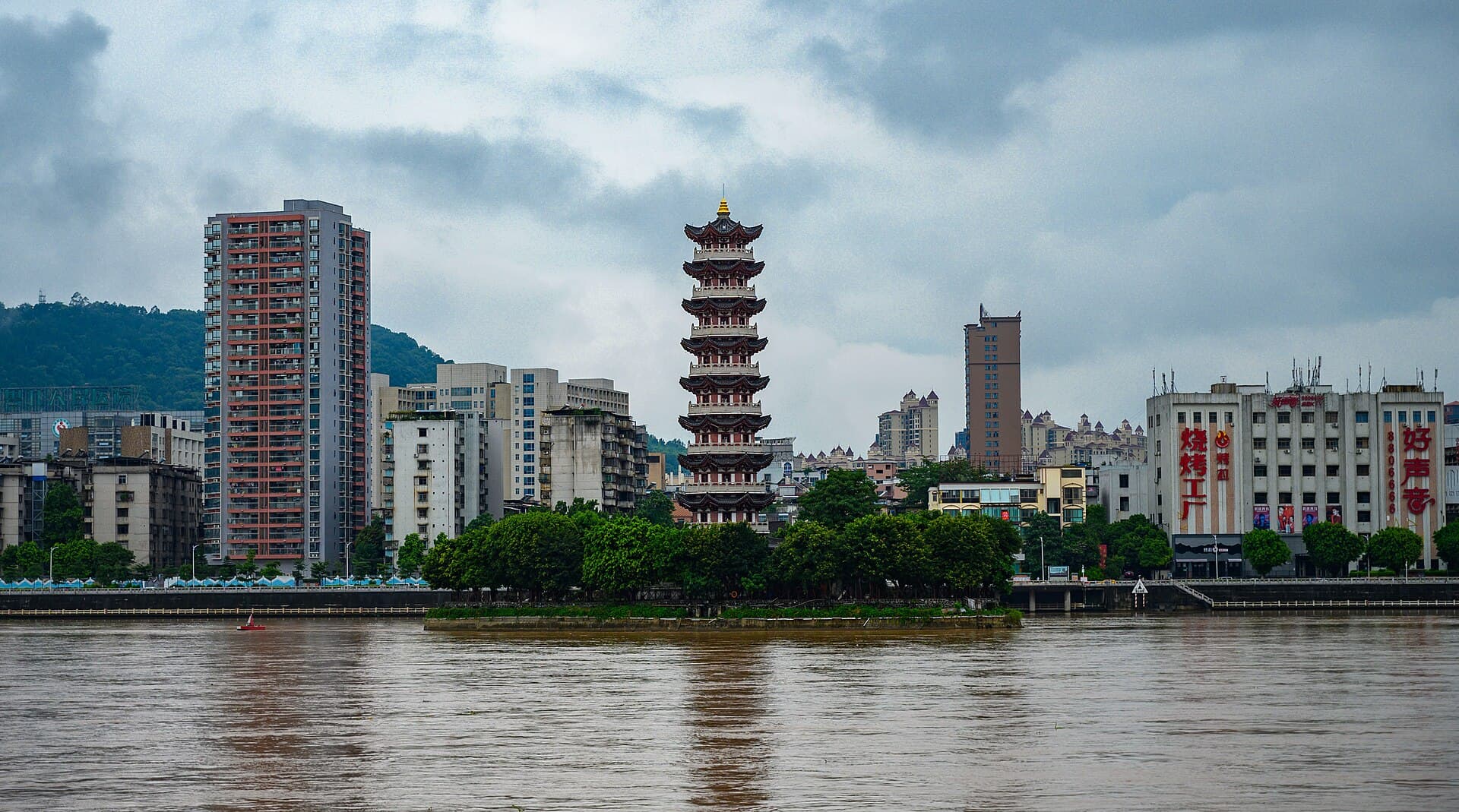 xiquinhosilva from Cacau / CC BY 2.0, via Wikimedia Commons
Tour de audio autoguiado de Shaoguan — ruta GPS a pie, reproducción offline, narración en 32 idiomas.
“Donde los acantilados carmesí se encuentran con la tranquila contemplación, y las historias antiguas flotan por las montañas.”
No las postales. Las historias que ni los locales conocen — al oído, justo donde ocurrieron.
Este antiguo santuario budista guarda un profundo secreto que atrae a buscadores de todo el mundo.
El nombre contemporáneo de la ciudad no fue el original, y su alteración refleja una fascinante evolución histórica.
Uno de los antiguos caminos de Shaoguan narra una historia no solo de comercio, sino de movimiento y una identidad cultural duradera.
Descubre todos los secretos de Shaoguan
Cada dirección, cada revelación al completo — a tu oído, justo donde ocurrió.
Eliges tus paradas. Caminas. La voz te revela lo que los demás ignoran.


Tu tour de audioguía por Shaoguan te espera — elige tus lugares, tu idioma y empieza al llegar.
ComprarLume incluye una guía de realidad aumentada. Levanta el móvil y su cámara muestra la calle que tienes delante, con una flecha luminosa sobre la imagen real que siempre apunta a tu próxima parada — sin mapas que descifrar, sin giros equivocados. Como todo en Lume, funciona completamente sin conexión.
Shaoguan, una ciudad en el norte de la provincia de Guangdong, funciona como un paso vital que une las llanuras centrales de China con sus áreas costeras del sur. Posicionada en la confluencia de los ríos Wu y Zhen, que se unen para formar el río Bei, el terreno de Shaoguan ha moldeado durante mucho tiempo su importancia histórica como un centro estratégico de transporte y comercio. La ciudad es reconocida por su espectacular paisaje natural, particularmente la singular Montaña Danxia, un sitio del Patrimonio Mundial de la UNESCO que da nombre a una formación geológica distintiva que se encuentra a nivel mundial.
Más allá de sus impresionantes formaciones de arenisca roja, Shaoguan ofrece una profunda variedad de patrimonio cultural y espiritual. Es un centro significativo para el Budismo Zen, hogar del venerado Templo Nanhua. La región también apoya una próspera cultura Hakka, uno de los cuatro principales lugares de reunión Hakka en China continental, con costumbres populares y tradiciones culinarias únicas. Desde templos antiguos hasta aguas termales y parques nacionales verdes, Shaoguan presenta una atractiva mezcla de esplendor natural y profunda historia, invitando a los visitantes a explorar una faceta diferente de Guangdong.
La historia de Shaoguan se remonta a más de dos milenios, marcándola como una de las cunas culturales más antiguas del sur de China. Los hallazgos arqueológicos indican actividad humana en la región hace hasta 100,000 años, con el sitio del Hombre de Maba cerca de la ciudad de Maba ofreciendo vislumbres de habitantes prehistóricos. Durante el Período de los Reinos Combatientes (476 a.C. – 221 a.C.), el área formó parte del Reino Chu. Su ubicación estratégica, especialmente después de la construcción del Canal Lingqu, solidificó su papel como una ruta de transporte crítica entre el norte de China y Guangzhou.
Bajo las dinastías Tang y Song, Shaoguan fue identificada como Shaozhou y sirvió como sede de prefectura. Esta era fue testigo de la fundación del Templo Nanhua, un sitio fundamental para el Budismo Zen, donde el Sexto Patriarca Huineng difundió sus enseñanzas. En 1589, el misionero jesuita Matteo Ricci trasladó su casa de misión a Shaoguan, utilizando la importante ruta de viaje norte-sur de la ciudad para forjar conexiones que finalmente lo llevaron más al norte a Nanchang, Nanjing y Beijing.
La importancia de Shaoguan persistió a través de las dinastías Ming y Qing, cuando adquirió su nombre actual debido a que el gobierno estableció pasos para la recaudación de impuestos. La ciudad experimentó una considerable prosperidad en los siglos XVIII y principios del XIX, cuando Guangzhou tenía el monopolio del comercio exterior, y el comercio terrestre a través de Shaoguan alcanzó su apogeo. Durante la Segunda Guerra Mundial, Shaoguan, entonces llamada Kukong, sirvió temporalmente como capital de la provincia de Guangdong después de que las fuerzas japonesas ocuparan las ciudades costeras en 1938. En la década de 1950, se convirtió en una base importante para la industria pesada y las materias primas, ganándose la designación de 'potencia' de Guangdong. Hoy en día, Shaoguan sigue siendo una ciudad que honra sus profundas raíces históricas mientras abraza su papel como un centro económico y cultural contemporáneo.
Shaoguan presenta una variada gama de atracciones, fusionando maravillas naturales con profundos sitios culturales. La Montaña Danxia, un sitio del Patrimonio Mundial de la UNESCO, es un destino primordial, celebrado por sus vívidas formaciones de arenisca roja que caracterizan la 'forma de relieve Danxia'. Los visitantes pueden explorar casi 700 grandes formaciones de glutenita roja y numerosos templos-gruta dentro del geoparque.
Para un viaje espiritual, el Templo Nanhua, situado a 22 kilómetros (14 millas) del centro de la ciudad, es un reconocido santuario budista. Tiene importancia como el lugar donde el Sexto Patriarca Hui Neng estableció la Escuela Chan del Sur del Budismo y contiene sus restos momificados. Otro punto de interés histórico es la Torre Fengcai en el centro de la ciudad, un edificio de la Dinastía Ming. Cerca, el Monasterio Dajian, fundado en el año 660, ofrece una mayor exploración histórica.
Aquellos que aprecian la naturaleza también disfrutarán del Parque Forestal Nacional de Shaoguan, ubicado en la Montaña Lotus, que ofrece amplias áreas verdes y la tradicional Torre Shaoyang en su cima. Para una experiencia geológica e histórica única, la ciudad de Maba alberga reliquias y un museo dedicado al Hombre de Maba, un homínido antiguo. Además, la región es conocida por sus aguas termales, como el Caoxi Spring Holiday Resort, el más grande de Guangdong.
Shaoguan experimenta un clima subtropical húmedo influenciado por el monzón, con estaciones distintas. Las épocas más agradables para visitar son generalmente durante la primavera (marzo a mayo) y el otoño (septiembre a noviembre) cuando el clima es templado y cómodo para actividades al aire libre. La primavera suele ser nublada y lluviosa, con precipitaciones considerables de abril a junio. Los veranos (junio a agosto) son cálidos y húmedos, siendo julio el mes más cálido, con un promedio de máximas de 33-34°C (91-93°F). Los inviernos (diciembre a febrero) son cortos, templados y relativamente secos, aunque es posible que haya lluvia helada en los pasos de montaña cercanos en algunos años. Octubre es particularmente favorable, ofreciendo abundante sol y temperaturas agradables.
Shaoguan está eficientemente conectada por varios métodos de transporte. Los trenes de alta velocidad ofrecen una opción rápida y conveniente, con servicios desde Guangzhou que tardan aproximadamente una hora. Shaoguan cuenta con dos estaciones de tren principales: la Estación de Shaoguan para trenes de alta velocidad y la Estación Este de Shaoguan para trenes más lentos, siendo esta última más céntrica. La ciudad también mantiene un extenso sistema de autobuses públicos que cubre las áreas urbanas y conecta con las principales atracciones. Las tarifas suelen ser de ¥2-3, pagaderas en efectivo (cambio exacto), WeChat Pay o Alipay. Los autobuses turísticos dedicados operan con frecuencia desde la Estación de Tren Este de Shaoguan a sitios populares como la Montaña Danxia y el Templo Nanhua.
Para navegar por la ciudad, los taxis y los servicios de viaje compartido como Didi están fácilmente disponibles. Si bien el alquiler de coches requiere una licencia de conducir china, los servicios de bicicletas compartidas son una opción para viajes urbanos más cortos. Es posible que el inglés no sea ampliamente comprendido, por lo que tener aplicaciones de traducción o aprender frases básicas en mandarín o cantonés es útil. Es aconsejable llevar algo de efectivo, aunque los pagos móviles están muy extendidos.
Shaoguan en coreano, en chino o en hebreo — y 29 idiomas más, cada parada narrada por una voz nativa. La mayor variedad de idiomas de cualquier audioguía autoguiada.
Disponible en: