Mercado Central de Sibu
Más allá de los productos frescos, aquí floreció un comercio peculiar, involucrando una mercancía delicada y muy codiciada.
La historia completa se desbloquea en el tour
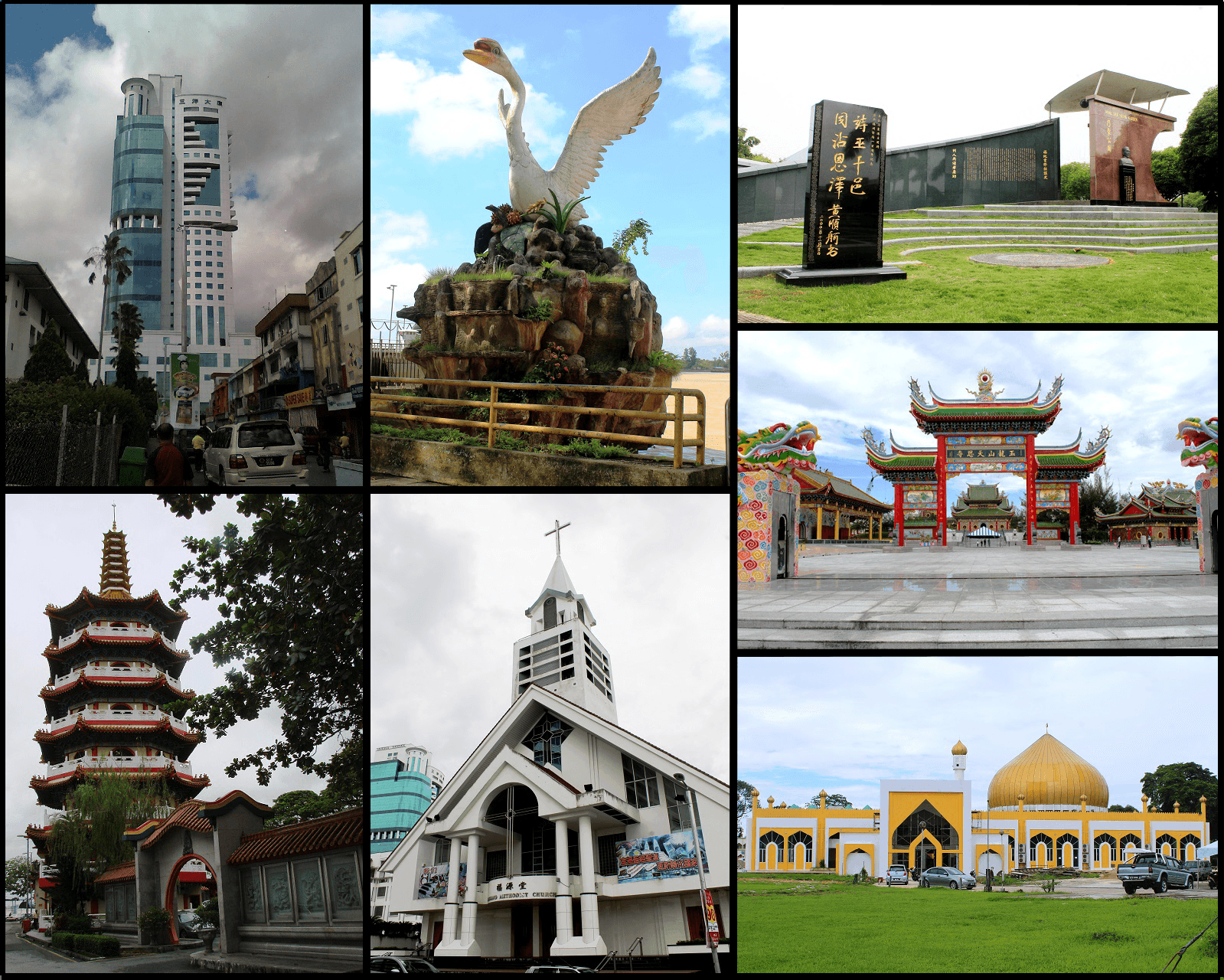 Various. Compiled by Cerevisae / CC BY-SA 4.0, via Wikimedia Commons
Tour de audio autoguiado de Sibu — ruta GPS a pie, reproducción offline, narración en 32 idiomas.
“Donde el caudaloso río Rajang forja una comunidad resiliente.”
No las postales. Las historias que ni los locales conocen — al oído, justo donde ocurrieron.
Más allá de los productos frescos, aquí floreció un comercio peculiar, involucrando una mercancía delicada y muy codiciada.
Este edificio de curación guarda un secreto sobre la atención médica pionera de Sarawak, financiada por un benefactor inesperado.
El gran arco a la entrada de la ciudad es más que decorativo; alude al sorprendente apodo de Sibu.
Descubre todos los secretos de Sibu
Cada dirección, cada revelación al completo — a tu oído, justo donde ocurrió.
Eliges tus paradas. Caminas. La voz te revela lo que los demás ignoran.


Tu tour de audioguía por Sibu te espera — elige tus lugares, tu idioma y empieza al llegar.
ComprarLume incluye una guía de realidad aumentada. Levanta el móvil y su cámara muestra la calle que tienes delante, con una flecha luminosa sobre la imagen real que siempre apunta a tu próxima parada — sin mapas que descifrar, sin giros equivocados. Como todo en Lume, funciona completamente sin conexión.
Sibu, una animada ciudad fluvial en el corazón de Sarawak, Malasia Oriental, ofrece una ventana fascinante al variado tejido cultural del estado y su vínculo duradero con el poderoso río Rajang. A menudo pasada por alto en favor de destinos costeros, Sibu revela su encanto a quienes viajan más profundo, recompensándolos con una experiencia auténtica de la vida local, mercados animados y un paisaje culinario que refleja su profunda herencia. La identidad de la ciudad está intrínsecamente ligada al río, que ha servido como su savia para el comercio, el transporte y el intercambio cultural a lo largo de los siglos.
Recorra sus calles y encontrará una cautivadora mezcla de lo antiguo y lo nuevo: casas-tienda tradicionales junto a estructuras contemporáneas, y el aroma de las delicias locales flotando desde los puestos de comida. Sibu es principalmente una ciudad de mayoría china, con una fuerte influencia foochow, evidente en su cocina, arquitectura y espíritu comunitario. Sin embargo, también actúa como puerta de entrada al interior, donde residen las comunidades indígenas Iban y Melanau, añadiendo capas de riqueza cultural a la región. Es un lugar donde el ritmo de la existencia todavía está en parte gobernado por el flujo y reflujo del río, proporcionando una perspectiva única del corazón interior de Sarawak.
## De los Asentamientos Iniciales a un Auge Maderero La narrativa de Sibu está profundamente entrelazada con el río Rajang, la vía fluvial más larga de Sarawak. La zona fue inicialmente colonizada por comunidades indígenas, predominantemente los Iban y Melanau, que dependían del río para su sustento y viaje. La ciudad contemporánea comenzó a emerger a mediados del siglo XIX bajo la Dinastía Brooke, los 'Rajahs Blancos' de Sarawak. Charles Brooke, el segundo Rajah, estableció un fuerte aquí en 1862 para frenar la piratería y administrar la región, sentando las bases para un asentamiento permanente.
## La Migración Foochow y la Expansión Económica Un momento crucial en el desarrollo de Sibu fue la llegada de inmigrantes chinos foochow de Fuzhou, China, a principios del siglo XX. Bajo el liderazgo de Wong Nai Siong, estos inmigrantes fueron invitados por el Rajah Charles Brooke a cultivar la tierra y estimular la economía. Fueron fundamentales para transformar la densa jungla en plantaciones de caucho y granjas de pimienta, y su diligencia estableció rápidamente a Sibu como un importante centro agrícola y comercial. La influencia de la comunidad foochow sigue siendo profunda, dando forma al carácter, el dialecto y las tradiciones culinarias de la ciudad.
## La Era de la Madera y el Comercio Fluvial A lo largo del siglo XX, Sibu prosperó como un importante centro de procesamiento y exportación de madera. Los vastos bosques tropicales de la cuenca del Rajang proporcionaron un suministro aparentemente interminable de troncos, que eran flotados río abajo hasta los aserraderos de Sibu y luego enviados a nivel mundial. Este auge maderero trajo una considerable prosperidad y un rápido desarrollo a la ciudad, atrayendo a más migrantes y fomentando una atmósfera comercial animada. El río Rajang era una escena continua de actividad, con barcazas, barcos expresos y embarcaciones más pequeñas transportando bienes y personas, solidificando la reputación de Sibu como el 'Punto de Entrada al Interior'.
## Sibu Contemporáneo y Diversificación Si bien la industria maderera ha experimentado un declive, Sibu se ha adaptado y ha ampliado su economía. Hoy en día, sigue siendo un importante centro administrativo y comercial para el centro de Sarawak. La ciudad ha invertido en infraestructura, educación y turismo, con el objetivo de mostrar su distinta herencia cultural y sus alrededores naturales. El legado de su pasado, desde las comunidades indígenas hasta los pioneros foochow y los magnates de la madera, se conserva en sus edificios patrimoniales, mercados activos y el espíritu perdurable de su población.
Comience su exploración en el Mercado Central de Sibu, un caleidoscopio de la vida local donde puede encontrar de todo, desde productos frescos y frutas exóticas hasta artesanías locales. Es un excelente lugar para observar las rutinas diarias y probar bocadillos locales. A poca distancia se encuentra el Templo Tua Pek Kong, el templo chino más antiguo de Sibu, reconocido por su distintiva pagoda y su ambiente tranquilo.
Para un viaje en el tiempo, visite el Centro del Patrimonio de Sibu, ubicado en un edificio colonial elegantemente restaurado. Ofrece información sobre los orígenes de la ciudad, la migración foochow y las diversas culturas de Sarawak. Cerca, el Museo Conmemorativo del Hospital Lau King Howe ofrece una visión convincente de las primeras prácticas médicas en la región.
Dé un paseo relajado por la Explanada de Rejang para apreciar las vistas del poderoso río Rajang y observar la actividad fluvial. Por las noches, el Mercado Nocturno de Sibu (Pasar Malam) cobra vida con puestos de comida que ofrecen una amplia variedad de comida callejera y productos locales. Considere una visita al Parque del Jubileo Bukit Aup para un retiro tranquilo y vistas expansivas de los alrededores.
El momento más favorable para visitar Sibu es durante los meses más secos, generalmente de marzo a octubre. Durante este período, experimentará menos lluvia y más sol, lo que lo hace ideal para explorar la ciudad a pie y disfrutar de actividades al aire libre. La humedad persiste durante todo el año, pero la estación seca ofrece condiciones más cómodas. Es aconsejable evitar la temporada del monzón de noviembre a febrero, que puede traer fuertes lluvias y posibles interrupciones en los viajes.
Sibu está bien conectada por aire, con el Aeropuerto de Sibu (SBW) que ofrece vuelos domésticos desde las principales ciudades malasias como Kuala Lumpur y Kuching. Desde el aeropuerto, los taxis y los servicios de transporte compartido están fácilmente disponibles para transportarle al centro de la ciudad. Dentro de Sibu, la ciudad es relativamente compacta y se puede caminar, particularmente en las zonas centrales. Para distancias más largas o para explorar las afueras, los taxis, las aplicaciones de transporte compartido y los autobuses locales son opciones adecuadas. Los taxis fluviales y los barcos expresos también ofrecen una forma única de experimentar el río Rajang y llegar a algunos asentamientos remotos. El efectivo se usa ampliamente, aunque muchos establecimientos aceptan tarjetas de crédito. La moneda local es el Ringgit malasio (MYR).
Sibu en coreano, en chino o en hebreo — y 29 idiomas más, cada parada narrada por una voz nativa. La mayor variedad de idiomas de cualquier audioguía autoguiada.
Disponible en: