Plaza Principal de Silvia
En día de mercado, la plaza central trasciende el mero comercio; se convierte en un escenario para una forma única de comunicación.
La historia completa se desbloquea en el tour
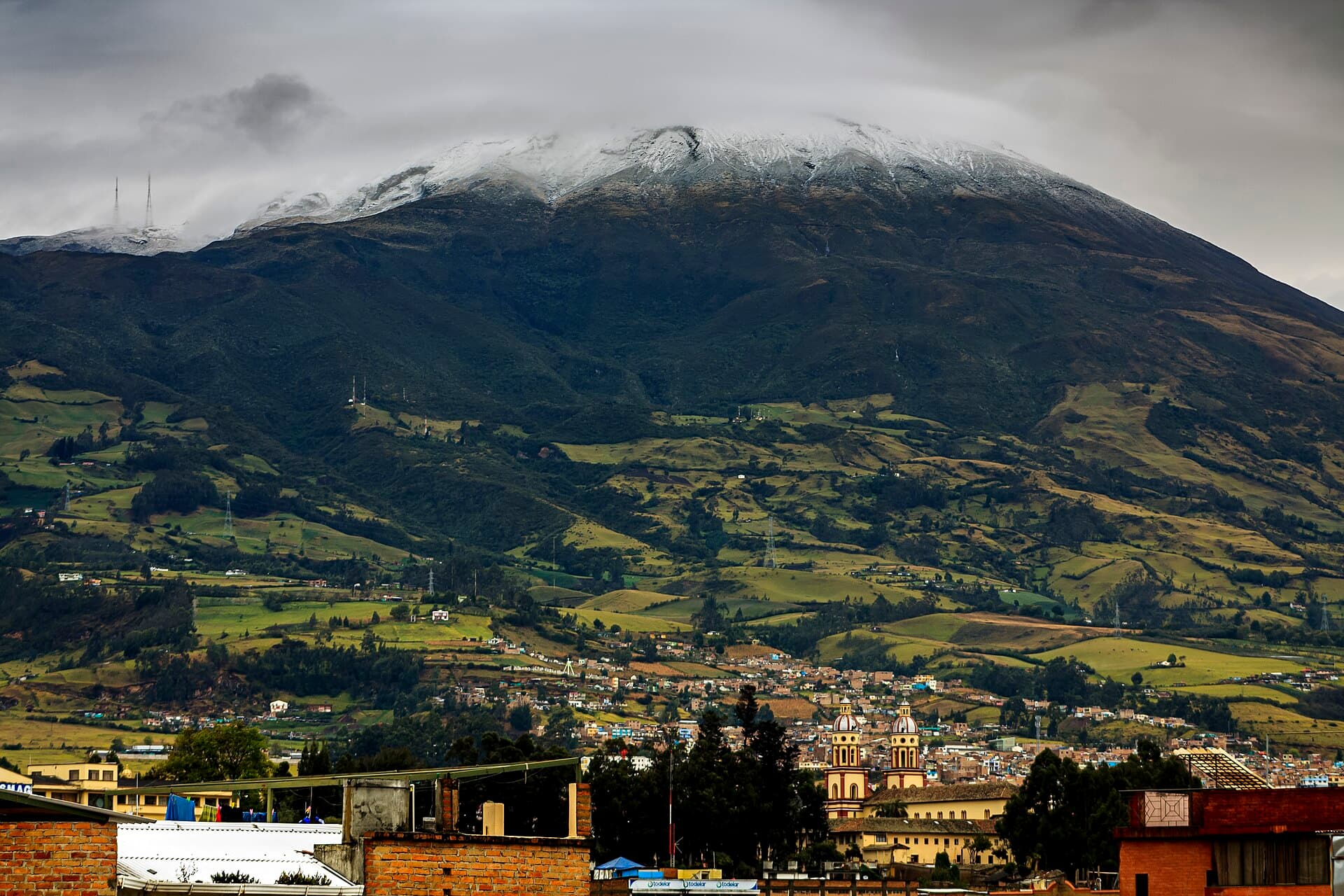 Photo of Pasto, via Wikimedia Commons
Tour de audio autoguiado de Silvia — ruta GPS a pie, reproducción offline, narración en 32 idiomas.
“Donde los Andes acunan tradiciones perdurables.”
No las postales. Las historias que ni los locales conocen — al oído, justo donde ocurrieron.
En día de mercado, la plaza central trasciende el mero comercio; se convierte en un escenario para una forma única de comunicación.
Las faldas azul brillante y los ponchos profundos que visten los Misak son más que ropa; llevan un peso sutil y simbólico.
La autosuficiencia de la comunidad Misak se extiende a una forma inesperada de moneda.
Descubre todos los secretos de Silvia
Cada dirección, cada revelación al completo — a tu oído, justo donde ocurrió.
Eliges tus paradas. Caminas. La voz te revela lo que los demás ignoran.


Tu tour de audioguía por Silvia te espera — elige tus lugares, tu idioma y empieza al llegar.
ComprarLume incluye una guía de realidad aumentada. Levanta el móvil y su cámara muestra la calle que tienes delante, con una flecha luminosa sobre la imagen real que siempre apunta a tu próxima parada — sin mapas que descifrar, sin giros equivocados. Como todo en Lume, funciona completamente sin conexión.
Silvia, un pueblo en el Departamento del Cauca en Colombia, ofrece una visión distintiva de la cultura indígena andina. Se encuentra a una altitud de 2.620 metros (8.600 pies) en las laderas occidentales de la Cordillera Central, rodeado de valles verdes profundos y lagos andinos. A menudo se la conoce como la 'Suiza de América' debido a su clima fresco, y Silvia sirve como punto central para el pueblo Misak, también conocido como Guambiano. Esta comunidad, que comprende aproximadamente el 80% de la población de Silvia, ha conservado cuidadosamente sus tradiciones ancestrales, su idioma (Namtrik) y su vestimenta distintiva.
El pueblo es una excursión popular de un día, particularmente desde Popayán, y funciona como un centro cultural y económico vital para los Misak. Su auténtico mercado, que se celebra todos los martes, es un gran atractivo, donde los Misak de los pueblos circundantes se reúnen para comerciar productos agrícolas y artesanías. Este evento semanal transforma el tranquilo pueblo en un animado espectáculo de colores, sonidos y tradiciones, ofreciendo una oportunidad única para la inmersión cultural.
El área alrededor de Silvia ha estado habitada por comunidades indígenas desde tiempos prehispánicos, con el asentamiento de Guambía existente antes de la conquista española en la década de 1530. El nombre "Guambía" en sí se deriva del idioma Nasa Yuwe, que significa "pueblo o casa junto al río", haciendo referencia a una bolsa tradicional hecha de fibra de cabuya. Las campañas españolas de Sebastián de Belalcázar en la década de 1530 llevaron a la subyugación de las confederaciones indígenas, incluida la Pubenense, que abarcaba los territorios Misak.
La fundación formal de Silvia se fecha tradicionalmente el 23 de octubre de 1562, por Francisco de Belalcázar, en lo que ahora es el barrio Boyacá. Sin embargo, los primeros asentamientos, como "Las Tapias", sufrieron la destrucción debido a los ataques de los indígenas Paez. El pueblo fue reubicado varias veces a lo largo de los siglos debido a conflictos continuos. En 1806, se estableció en su valle actual, entre el río Piendamó y la quebrada Manchay, con el objetivo de integrar a las poblaciones indígenas. El nombre "Silvia" fue adoptado en 1838, posiblemente del latín "silva" que significa bosque, o del apellido de los primeros terratenientes, tras su segregación de la Provincia de La Plata.
A lo largo de los años, Silvia logró varios hitos, incluido el de convertirse en la capital del Cantón de Pitayó en 1853. Sobrevivió a un incendio significativo en 1871 y fue elevada a la categoría de provincia en 1907 bajo el presidente Rafael Reyes, obteniendo finalmente el estatus de municipio nacional pleno en 1915. Hoy en día, Silvia mantiene seis resguardos indígenas (reservas) —Guambía, Ambaló, Kisgó, Pitayó, Quichaya y Tumburao— establecidos bajo la Ley 89 de 1890 de Colombia, lo que refleja la continua autonomía indígena y la preservación cultural en la región. Estos resguardos son cruciales para el pueblo Misak, quienes se consideran "Piurek", o "hijos del agua", una creencia que surge de su cosmogonía que los conecta profundamente con las montañas y las lagunas.
La principal atracción en Silvia es el Mercado Indígena de los Martes, cuando la plaza central del pueblo y las calles circundantes se animan con la gente Misak en sus atuendos tradicionales. Aquí, se puede observar el animado comercio de productos agrícolas, hilos hilados a mano, productos tejidos y medicinas tradicionales. Se recomienda llegar temprano para experimentar el mercado en su momento más activo.
Más allá del mercado, una caminata por La Colina de Belén ofrece vistas panorámicas de 360 grados de Silvia y los paisajes andinos circundantes. En la cima, encontrará la Iglesia de Belén, una pequeña y pintoresca iglesia. El pueblo también cuenta con una plaza principal con iglesias y panaderías, junto con restaurantes económicos. Para aquellos interesados en la cultura Misak, hay visitas guiadas disponibles para aprender sobre su herencia, costumbres e idioma.
Más lejos, la región ofrece pintorescas rutas de senderismo y áreas de bosque nativo, ideales para el ecoturismo. El cercano Lago El Chimán ofrece un lugar sereno para pescar y caminar, enmarcado en un hermoso telón de fondo natural.
Silvia experimenta un clima fresco y nublado durante todo el año, con temperaturas que oscilan típicamente entre 9°C y 18°C (48°F y 65°F). La mejor época para actividades turísticas generales al aire libre, con días más claros y sin lluvia, es desde mediados de junio hasta finales de septiembre, con un pico en la segunda semana de agosto. Sin embargo, para experimentar el renombrado Mercado Indígena de los Martes en su momento más animado, planifique su visita específicamente para un martes. Noviembre es típicamente el mes más húmedo, mientras que agosto es el de menor precipitación.
Silvia está aproximadamente a 1 o 2 horas en autobús desde Popayán, con autobuses que salen regularmente de la estación central de autobuses. Las carreteras pueden ser sinuosas, ofreciendo vistas panorámicas de los Andes. Una vez en Silvia, el pueblo es transitable a pie, y los autobuses chiva locales llevan a los aldeanos y sus productos al mercado. Hay un cajero automático en el pueblo, aunque puede cobrar una tarifa por tarjetas no colombianas. El respeto por las costumbres locales es importante, especialmente al fotografiar personas; es aconsejable pedir permiso primero. Muchos Misak hablan español además de su idioma nativo Namtrik. Hay opciones de alojamiento y restaurantes disponibles, incluidos restaurantes económicos y panaderías cerca de la plaza principal.
Silvia en coreano, en chino o en hebreo — y 29 idiomas más, cada parada narrada por una voz nativa. La mayor variedad de idiomas de cualquier audioguía autoguiada.
Disponible en: