Sligo Abbey
Die Ruinen von Sligo Abbey bergen ein Geheimnis, das eine der gruseligsten Figuren der Literatur inspiriert haben könnte.
Die ganze Geschichte wird in der Tour freigeschaltet
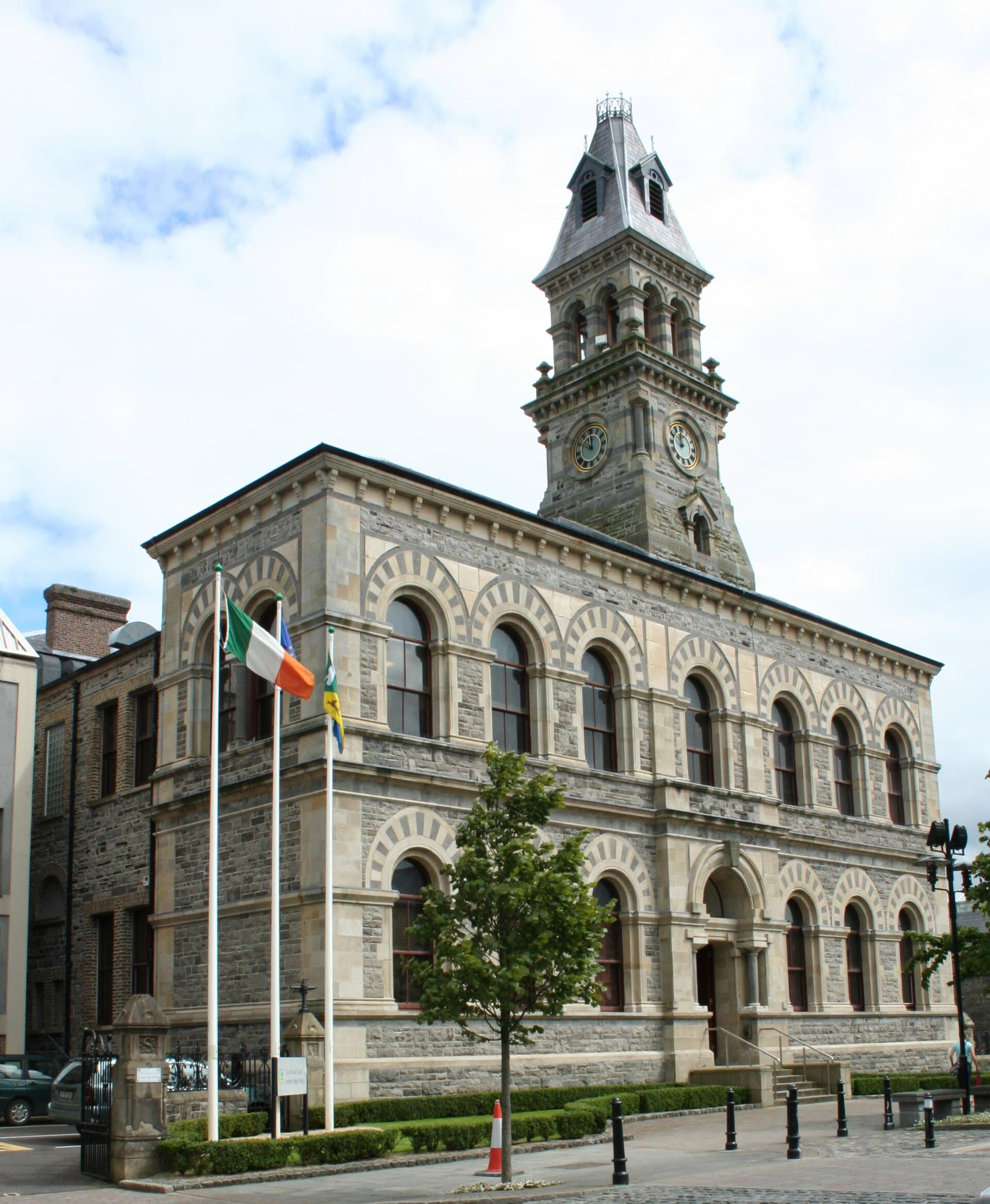 Peter Clarke at English Wikipedia / Public domain, via Wikimedia Commons
Selbstgeführte Audio-Walking-Tour durch Sligo — GPS-Route, Offline-Wiedergabe, erzählerische Narration in 32 Sprachen.
“Wo alte Mythen auf wilde Atlantikwellen treffen.”
Nicht die Postkarten. Die Geschichten, die selbst Einheimische nicht kennen – dir ins Ohr geflüstert, genau dort, wo sie geschahen.
Die Ruinen von Sligo Abbey bergen ein Geheimnis, das eine der gruseligsten Figuren der Literatur inspiriert haben könnte.
In der Nähe des Knocknarea-Berges gibt es ein mystisches Tal, dessen Ursprünge ein fesselndes Rätsel bleiben.
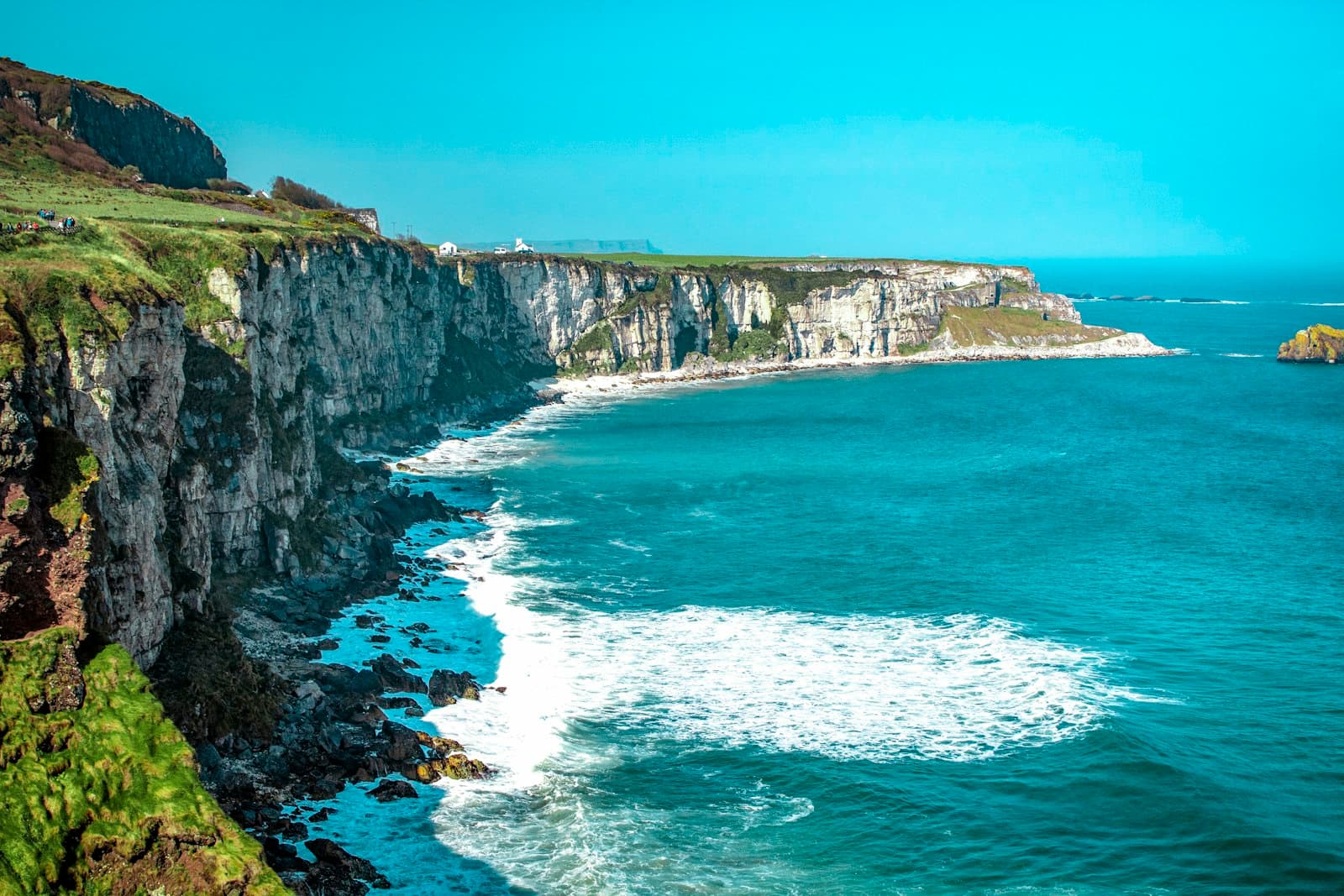
Unter den Wellen von Streedagh Beach liegen Überreste eines dramatischen historischen Ereignisses, das Irlands Vergangenheit prägte.
Entdecke jedes Geheimnis von Sligo
Jede Adresse, jede Enthüllung vollständig – in deinem Ohr, genau dort, wo es geschah.
Du wählst deine Stationen. Du gehst. Die Stimme enthüllt, was andere übersehen.

Deine selbstgeführte Audio-Tour durch Sligo ist bereit – wähle deine Sehenswürdigkeiten, deine Sprache und starte, sobald du ankommst.
KaufenLume enthält einen integrierten Augmented-Reality-Guide. Halten Sie Ihr Handy hoch: Die Kamera zeigt die Straße vor Ihnen, mit einem leuchtenden Pfeil über dem echten Bild, der immer auf Ihren nächsten Stopp zeigt — keine Karte zum Rätseln, keine falschen Abzweigungen. Wie alles bei Lume funktioniert es komplett offline.
Sligo, auf Irisch als 'Sligeach' für 'reich an Muscheln' bekannt, ist ein Küstenhafen und die Bezirkshauptstadt von County Sligo, Irland. Gelegen an der Wild Atlantic Way, ist es ein Ort, wo eine dramatische Küste auf ruhige Seenlandschaften trifft, eine Landschaft, die Dichter und Künstler seit Generationen inspiriert hat. Obwohl es mit etwas mehr als 20.000 Einwohnern das 24größte urbane Zentrum der Republik Irland ist, bietet Sligo eine überzeugende Mischung aus Outdoor-Abenteuern, kulturellen Stätten und einer lebendigen Atmosphäre.
Sligo, oft als 'Yeats Country' bezeichnet, hat die Landschaften, die den Nobelpreisträger W.B. Yeats tief beeinflussten, der einen Großteil seiner Kindheit hier verbrachte. Vom markanten, flachen Benbulben-Berg bis zum ruhigen Lough Gill ist die natürliche Pracht der Region in seine berühmtesten Werke eingewoben. Neben seinen literarischen Verbindungen gewinnt Sligo als Surfdestination an Bedeutung und bietet einige der konstantesten Wellen Europas.
## Von prähistorischen Siedlungen zu normannischen Festungen Menschliche Präsenz in Sligo reicht etwa 8000 v. Chr. zurück, belegt durch ausgedehnte Muschelhaufen aus der Mittelsteinzeit. Die Gegend um Sligo Town weist eine der höchsten Dichten an prähistorischen archäologischen Stätten Irlands auf, darunter Carrowmore, einer der ältesten und größten megalithischen Friedhöfe Europas, dessen Gräber die ägyptischen Pyramiden und Stonehenge um über 5.000 Jahre überdauern. Der Knocknarea-Berg, gekrönt von seinem beträchtlichen Steinhügel, gilt traditionell als Ruhestätte der legendären Königin Maeve von Connacht.
## Mittelalterliche Konflikte und gälische Wiederbelebung Die Stadt Sligo wurde 1243 n. Chr. vom anglo-normannischen Ritter Maurice Fitzgerald gegründet, der auch Sligo Castle erbaute und 1253 das Dominikanerkloster Sligo Abbey gründete. Einzigartig in Irland blieb Sligo die meiste Zeit des Mittelalters, etwa von 1300 bis 1600 n. Chr., unter gälisch-irischer Kontrolle und florierte als Handelszentrum mit Galway, Frankreich, Spanien und England. Die O'Conor Sligo-Dynastie festigte ihre Position als administratives Herz der gälischen Konföderation von Íochtar Connacht (Lower Connacht).
## Hungersnot, Auswanderung und industrielles Wachstum Sligo wurde schwer vom Choleraausbruch 1832 und später von der Großen Hungersnot der 1840er Jahre getroffen. Vor der Hungersnot gehörte County Sligo zu den am dichtesten besiedelten Gebieten Irlands. Der Hafen von Sligo wurde in dieser Zeit zu einem bedeutenden Transitpunkt für die Auswanderung, allein 1846 verließen über 11.000 Menschen ihn, viele auf dem Weg nach Kanada und in die Vereinigten Staaten. Das 19. Jahrhundert sah auch eine rasche Industrialisierung in Sligo, mit vielen öffentlichen Gebäuden, darunter das Rathaus und das Gerichtsgebäude.
## Literarisches und kulturelles Erbe Sligos kulturelle Identität ist tief mit seiner Landschaft und seinen Traditionen verbunden. Die anhaltende Tradition des Fischfangs und der Landwirtschaft in der Grafschaft, kombiniert mit seiner aufstrebenden Tourismusindustrie, spiegelt seinen dynamischen Charakter wider. Die literarische Tradition blüht weiterhin mit einem vollen Kalender kultureller Veranstaltungen das ganze Jahr über. Sligo ist auch bekannt für seine lebendige traditionelle irische Musikszene, die in vielen seiner Pubs und Tavernen zu finden ist.
Beginnen Sie Ihre Erkundung in Sligo Town mit einem Spaziergang entlang des Flusses Garavogue und bewundern Sie seine Brücken und bunten Gebäude. Besuchen Sie Sligo Abbey, ein bemerkenswert gut erhaltenes Dominikanerkloster aus dem 13. Jahrhundert, und erwägen Sie eine geführte Tour, um mehr über seine turbulente Geschichte zu erfahren. Das Yeats Memorial Building, Heimat der Yeats Society, bietet umfangreiche Ausstellungen über W.B. Yeats, einschließlich seiner Nobelpreis-Medaille.
Etwas außerhalb der Stadt bietet der markante, flache Benbulben-Berg eine malerische 5,6 km lange Rundwanderung am Fuße, mit Blick auf das Meer und den Berg. Wandern Sie zum Gipfel des Knocknarea-Berges, um Queen Maeves Cairn zu sehen und genießen Sie weite Ausblicke auf Benbulben, Rosses Point und den Atlantischen Ozean. Für eine ruhige natürliche Flucht besuchen Sie den Glencar Wasserfall, der Yeats' Gedicht 'The Stolen Child' inspirierte. Erkunden Sie den alten Carrowmore Megalithic Friedhof, einen der ältesten Steinzeitfriedhöfe Europas.
Für Küstenerlebnisse fahren Sie nach Strandhill, einem beliebten Ort zum Surfen und für Strandspaziergänge. Sie können sich sogar ein entspannendes Seebad bei Voya gönnen. Mullaghmore Head bietet dramatische Küstenblicke und ist ein erstklassiger Ort für erfahrene Surfer in den Wintermonaten. Erwägen Sie eine Bootsfahrt auf dem Lough Gill, besonders zwischen Juli und September, um die Landschaft zu erleben, die Yeats faszinierte.
Die optimale Reisezeit für Sligo hängt von Ihren Interessen ab. Vom späten Frühling bis zum frühen Herbst (Mai–September) bietet milderes Wetter, längere Tageslichtstunden und ideale Bedingungen für Outdoor-Aktivitäten. Juli und August sind die wärmsten und belebtesten Monate mit Durchschnittstemperaturen um 15-20°C und zahlreichen Festivals. Für diejenigen, die weniger Menschenmassen und bessere Angebote für Unterkünfte suchen, sind die Übergangszeiten April, September und Oktober empfehlenswert, obwohl Sie mit mehr Regen und Wind rechnen müssen. Surfer bevorzugen oft die Herbst- und Wintermonate für optimale Wellenbedingungen.
Sligo gilt im Allgemeinen als sicher, aber es ist immer ratsam, in belebten Gegenden Vorsichtsmaßnahmen mit Ihrem Eigentum zu treffen. Das Wetter kann wechselhaft sein, mit plötzlichem Regen und starken Küstenwinden, daher wird empfohlen, sich im Zwiebellook zu kleiden und wasserdichte Kleidung mitzubringen. Wenn Sie Auto fahren, beachten Sie schmale Landstraßen und fahren Sie auf der linken Seite. Nutzen Sie Ausweichbuchten, um Überholmanöver zu ermöglichen. Englisch ist die Hauptsprache, obwohl etwas Irisch (Gälisch) auf Schildern erscheint. Die Währung ist der Euro (EUR). Geldautomaten sind in Sligo Town weit verbreitet, aber es ist ratsam, etwas Bargeld für kleinere Dörfer oder Märkte mitzunehmen. Trinkgeld ist nicht obligatorisch, aber das Aufrunden von Fahrpreisen oder das Hinterlassen von 10% in Restaurants für guten Service wird geschätzt. Der Ireland West Airport Knock (KNO) ist der nächstgelegene internationale Flughafen, etwa 50 Autominuten entfernt. Sligo ist auch mit dem Zug von Dublin und Belfast über Irish Rail erreichbar.
Sligo — Koreanisch, Chinesisch, Hebräisch und 29 weitere Sprachen, jede Station von einer muttersprachlichen Stimme erzählt. Die größte Sprachauswahl aller selbstgeführten Audiotouren.
Verfügbar auf: