Colonia Zitacua
Un barrio en Tepic donde las tradiciones ancestrales no solo se preservan, sino que se viven a diario, con su propio gobierno y ceremonias.
La historia completa se desbloquea en el tour
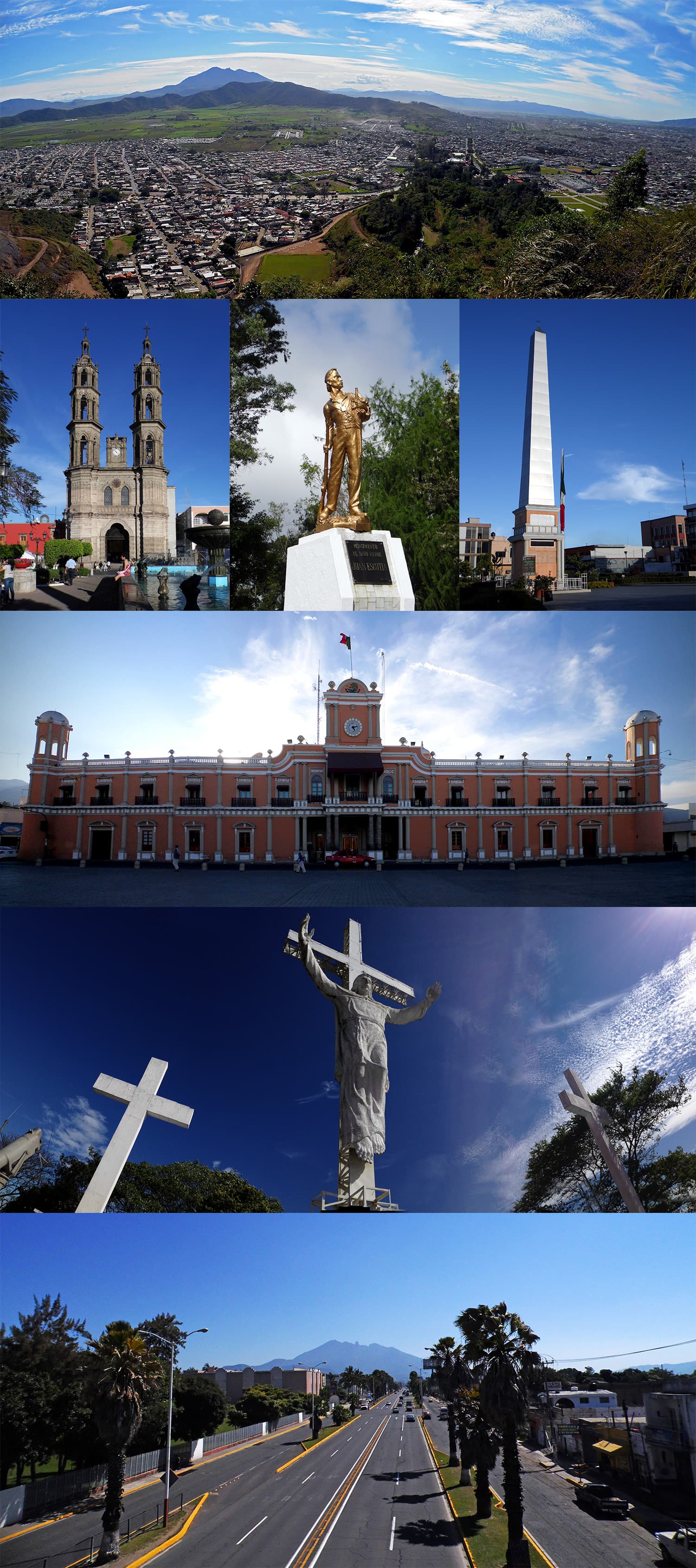 Eduardo López / CC BY-SA 3.0, via Wikimedia Commons
Tour de audio autoguiado de Tepic — ruta GPS a pie, reproducción offline, narración en 32 idiomas.
“Tepic: Donde los ecos coloniales se encuentran con los ritmos indígenas.”
No las postales. Las historias que ni los locales conocen — al oído, justo donde ocurrieron.
Un barrio en Tepic donde las tradiciones ancestrales no solo se preservan, sino que se viven a diario, con su propio gobierno y ceremonias.
Antes de que las marcas globales dominaran, Tepic producía puros que alguna vez fueron considerados entre los mejores del mundo.
La plaza principal de Tepic cuenta con un paisajismo tan distintivo que algunos visitantes lo comparan con un videojuego.
Descubre todos los secretos de Tepic
Cada dirección, cada revelación al completo — a tu oído, justo donde ocurrió.
Eliges tus paradas. Caminas. La voz te revela lo que los demás ignoran.


Tu tour de audioguía por Tepic te espera — elige tus lugares, tu idioma y empieza al llegar.
ComprarLume incluye una guía de realidad aumentada. Levanta el móvil y su cámara muestra la calle que tienes delante, con una flecha luminosa sobre la imagen real que siempre apunta a tu próxima parada — sin mapas que descifrar, sin giros equivocados. Como todo en Lume, funciona completamente sin conexión.
Tepic, la capital de Nayarit, ofrece una auténtica visión de la cultura e historia mexicana, a menudo pasada por alto por los viajeros. Situada en un valle verde, rodeada por las montañas de la Sierra Madre, es una ciudad donde la arquitectura colonial armoniza con la vida moderna y las raíces indígenas. Con una población de más de 400,000 habitantes, Tepic sirve como un importante centro comercial y cultural, conocido por su clima agradable y sus exuberantes alrededores verdes. Es un lugar donde el aroma de las tortillas frescas se mezcla con los sonidos de la música de mariachi, creando una atmósfera animada y acogedora.
Esta ciudad, a una altitud de aproximadamente 914 metros, está construida a orillas de los ríos Mololoa y Tepic, con el volcán extinto Sangangüey cerca. Tepic es un centro urbano clave para una región agrícola productiva, que cultiva productos como caña de azúcar, tabaco y cítricos. Su ubicación central la convierte en un excelente punto de partida para explorar más de Nayarit, incluyendo populares ciudades costeras y atracciones naturales.
La historia de Tepic está tejida a partir de civilizaciones prehispánicas, la conquista española y períodos de declive y resurgimiento. El territorio del Tepic moderno fue habitado originalmente por varios pueblos indígenas, incluidos los Nahuas, Totorames, Tecuales y Tahues, y estuvo dentro de la esfera de influencia de caciques de Jalisco. Los primeros asentamientos humanos en el estado de Nayarit en general datan del 3000 a.C., con grupos que migraron a áreas lacustres y desarrollaron granjas en terrazas y técnicas de tejido para herramientas de pesca entre el 350 a.C. y el 600 a.C. Siglos después, del 700 a.C. al 1200 d.C., estos antiguos pobladores destacaron en cerámica, joyería, metales preciosos y figurillas de piedra, construyendo grandes centros ceremoniales dedicados al culto de Quetzalcóatl, siendo Los Toriles en Ixtlán del Río un excelente ejemplo.
El conquistador español Nuño de Guzmán conquistó la región en 1530, fundando el asentamiento Villa del Espíritu Santo de la Mayor España. En 1531, fue renombrado Santiago de Galicia de Compostela y se convirtió en la primera capital del recién formado Reino de Nueva Galicia. Sin embargo, debido a constantes conflictos con la población local, los españoles abandonaron la ciudad en 1542, lo que llevó a un período de declive. La ciudad comenzó a revivir en 1768, gracias a su ubicación estratégica en la ruta comercial entre el puerto de San Blas y Guadalajara, transformándola en un importante centro logístico y comercial.
Después de que México obtuviera su independencia en 1821, Tepic se convirtió inicialmente en parte del estado de Jalisco como su séptimo cantón. El 24 de julio de 1811, Tepic fue elevada a la categoría de ciudad con los títulos de "muy noble y muy leal", otorgándole amplios poderes de autogobierno. Durante muchos años, permaneció bajo el poder rebelde de Manuel Lozada, lo que llevó al gobierno de Juárez a declararla distrito militar. En 1884, Tepic recibió el estatus de capital del recién creado Territorio Federal de Tepic, un período que vio importantes avances industriales y agrícolas, incluido el crecimiento del café y el algodón, y el establecimiento de ingenios azucareros y la reconocida Cigarrera de Tepic. Las luchas obreras también comenzaron durante esta época, con notables huelgas en fábricas textiles. Finalmente, en 1917, tras la promulgación de la Constitución, el territorio de Tepic fue elevado a la categoría de Estado Libre y Soberano de Nayarit, con Tepic como su capital y sede de los poderes constitucionales. La apertura del ferrocarril en 1912 contribuyó aún más al crecimiento de la ciudad.
Comience su exploración en el centro histórico de Tepic, donde los edificios coloniales, las animadas plazas y los artistas callejeros crean una atmósfera vibrante. La Plaza de Armas es el corazón de la ciudad, un espacio verde perfecto para observar la vida diaria, disfrutar de música en vivo o tomar un café en una cafetería cercana. Dominando la plaza se encuentra la Catedral de la Purísima Concepción de María, una impresionante iglesia católica neogótica con altas torres, construida originalmente en 1750 y ampliada a principios del siglo XIX.
Para una inmersión más profunda en el pasado de la región, visite el Museo Regional de Nayarit, ubicado en un histórico edificio rosa, que exhibe artefactos prehispánicos, antiguas tumbas y cerámica de la cultura Aztlán. Otro lugar cultural esencial es el Museo de los Cinco Pueblos, que destaca la historia de los cinco grupos étnicos de Nayarit y presenta artesanías tradicionales, joyas y arte a la venta. La Casa de Amado Nervo, lugar de nacimiento del célebre poeta mexicano, ofrece una pausa más tranquila en el panorama literario del país.
Para una escapada refrescante, diríjase al Parque La Loma, un amplio parque escénico con senderos para caminar, espacios verdes, áreas de juego y amplias vistas de la ciudad. También puede descubrir Zitákua, un pueblo indígena donde las familias huicholes preservan sus tradiciones, ofreciendo productos hechos localmente y platos tradicionales huicholes como guisos sabrosos y tortillas de maíz azul. Considere un Turibus City Tour para una visión general de los puntos destacados de la ciudad, murales e historia en un autobús descubierto, completo con narraciones locales.
Tepic disfruta de un clima cálido y subhúmedo, lo que lo convierte en un destino atractivo durante todo el año. La época más cómoda para visitar para actividades de clima cálido es de principios de mayo a mediados de junio y de mediados de octubre a finales de noviembre. La estación seca, de noviembre a mayo, ofrece un clima agradable con escasas lluvias y abundantes días soleados, con temperaturas diarias promedio de alrededor de 21°C en enero y hasta 25°C en mayo. Si bien las tardes pueden alcanzar los 33°C, las noches son más frescas.
La temporada de lluvias va de junio a octubre, con su punto máximo en julio y agosto con lluvias casi diarias, lo que hace que la naturaleza florezca y el aire sea fresco y húmedo. Si está interesado en festivales locales, considere visitar en marzo para la Feria Nacional de Tepic o en octubre para la Fiesta de la Virgen de la Soledad, una deslumbrante celebración con desfiles y música tradicional.
Tepic es de fácil acceso, ubicada a unas 2.5 horas de Guadalajara y a solo media hora del histórico puerto de San Blas. Si bien algunas zonas turísticas en México aceptan dólares estadounidenses, los pesos son la moneda preferida y a menudo la única aceptada en Tepic. Es aconsejable tener pesos, incluidos billetes pequeños y monedas, a mano, ya que las opciones de cambio de moneda pueden ser limitadas. El centro de la ciudad es transitable, lo que facilita la exploración de muchas atracciones a pie. Para moverse, los taxis están fácilmente disponibles.
Al empacar, considere las distintas estaciones seca y húmeda. Durante la estación seca (noviembre a mayo), la ropa ligera de verano es adecuada para el día, pero se recomienda una chaqueta ligera o cortavientos para las noches más frescas, ya que las temperaturas pueden bajar a alrededor de 14°C. Gafas de sol, un sombrero y protector solar de alto SPF también son esenciales debido al sol activo. Si visita durante la estación húmeda (junio a octubre), prepárese para lluvias diarias. El español es el idioma principal, aunque también se hablan idiomas indígenas como el huichol y el cora.
Tepic en coreano, en chino o en hebreo — y 29 idiomas más, cada parada narrada por una voz nativa. La mayor variedad de idiomas de cualquier audioguía autoguiada.
Disponible en: