Former 'Wistom' Chemical Fiber Factory
Beneath the surface of a seemingly abandoned industrial giant, a surprising Cold War secret was once manufactured.
Full story unlocks in the tour
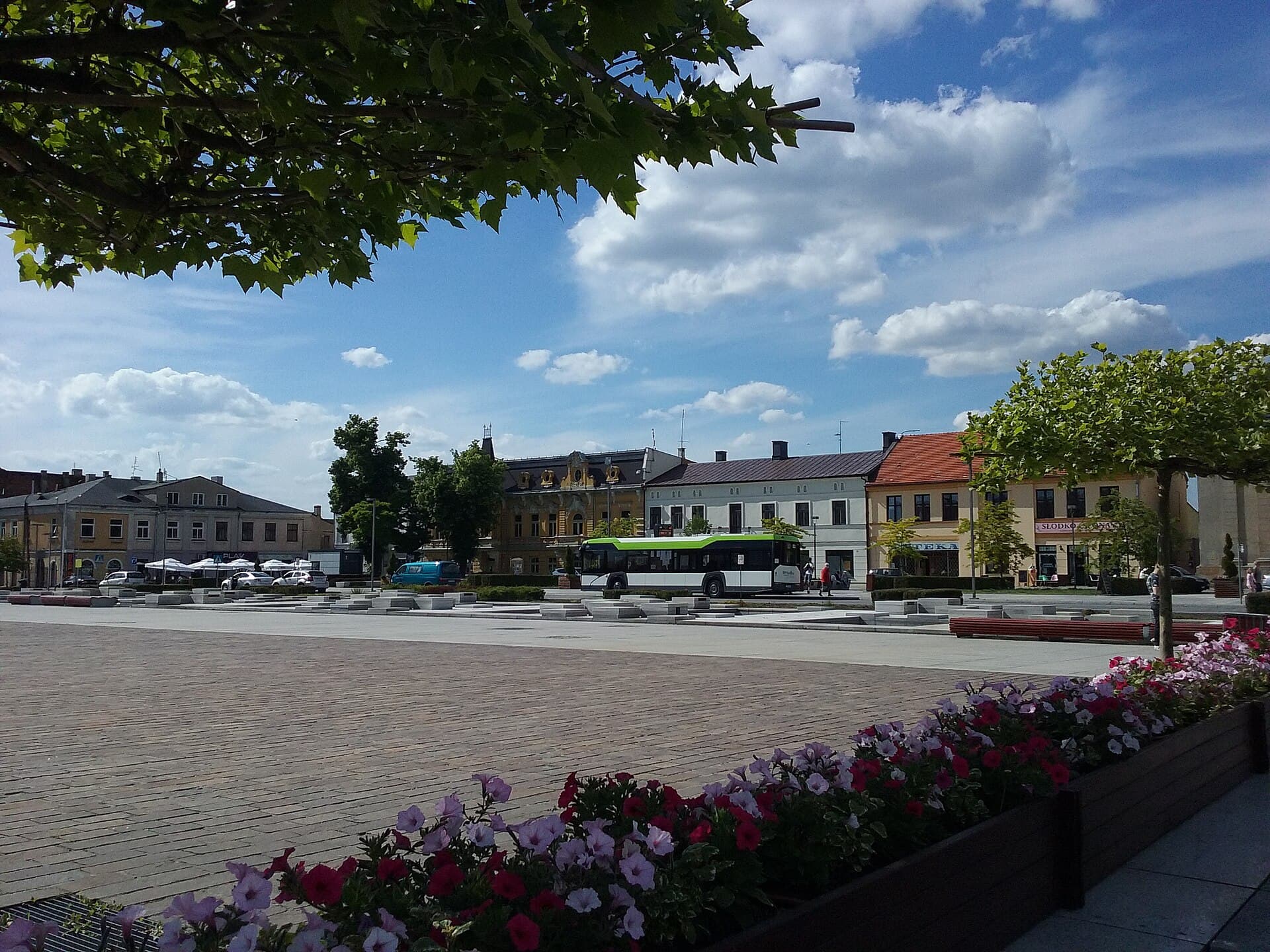 Warszawska róg Szerokiej w Tomaszowie Mazowieckim, w województwie łódzkim, PL, EU. / Public domain, via Wikimedia Commons
Self-guided audio walking tour of Tomaszów Mazowiecki — GPS route, offline playback, story-driven narration in 32 languages.
“Where industry's echoes meet nature's embrace, and forgotten stories whisper from the past.”
Not the postcards. The stories even locals don't know — whispered in your ear, right where they happened.
Beneath the surface of a seemingly abandoned industrial giant, a surprising Cold War secret was once manufactured.
The striking blue hue of a local natural spring isn't just a trick of the light; it's a geological phenomenon.
These underground chambers, now a tourist attraction, were once the site of a tragic industrial accident and are tied to local folklore.
Discover every secret of Tomaszów Mazowiecki
Every address, every reveal in full — in your ear, right where it happened.
You pick your stops. You walk. The voice reveals what the others miss.
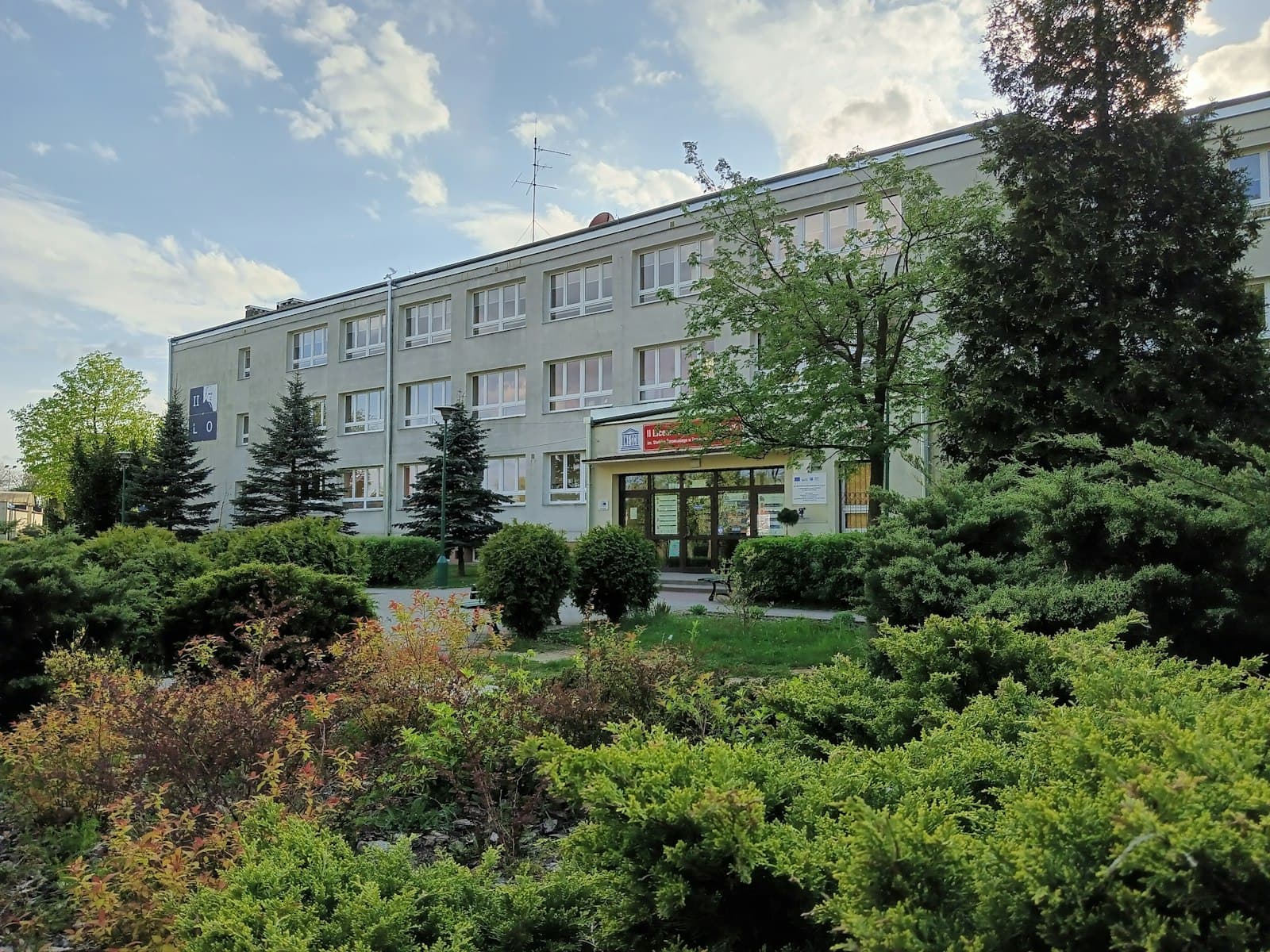
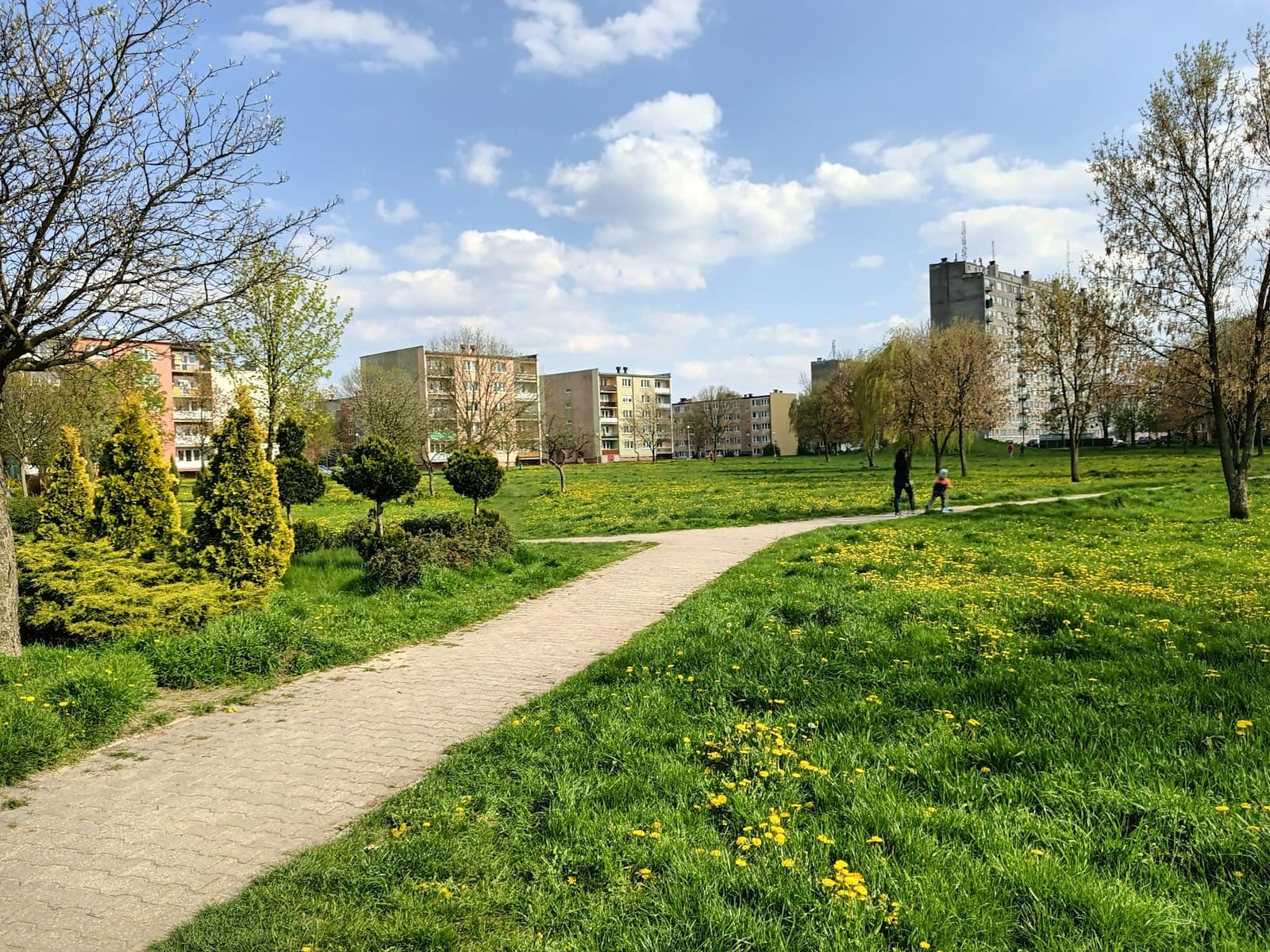
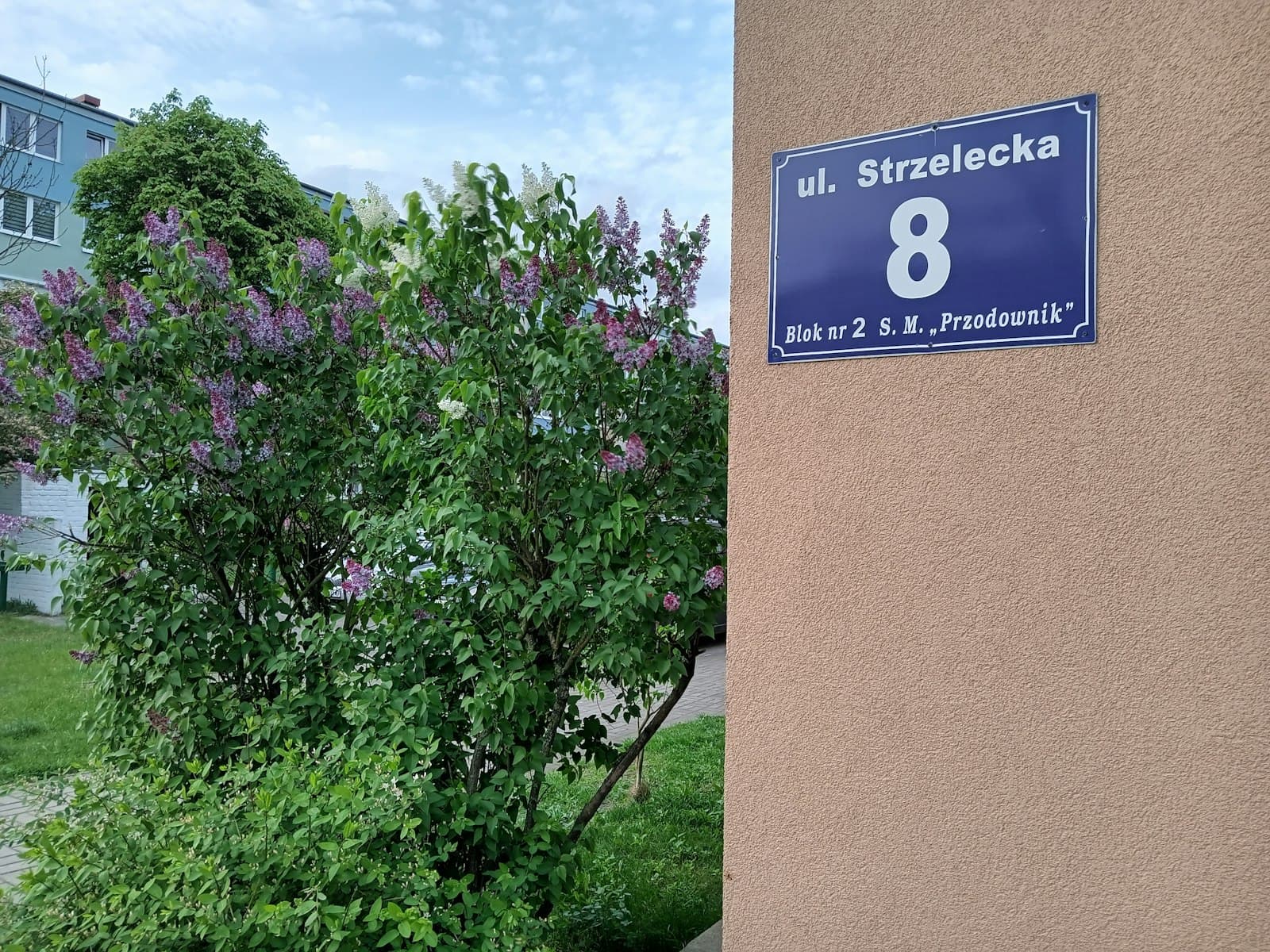
Your self-guided audio tour of Tomaszów Mazowiecki is ready — pick your landmarks, choose your language, and start the moment you arrive.
BuyLume has a built-in augmented-reality guide. Hold your phone up and its camera shows the street ahead of you, with a glowing arrow laid over the real view that always points to your next stop — no map to puzzle over, no wrong turns. Like everything in Lume, it works fully offline.
Tomaszów Mazowiecki, a city in central Poland, offers a compelling blend of industrial heritage and natural splendor. Situated on the banks of three rivers—the Pilica, Wolbórka, and Czarna Bielina—and near the Sulejow Reservoir and the Puszcza Spalska wilderness, the city provides ample opportunities for outdoor recreation. Once a significant textile hub, its past is etched into its urban landscape, coexisting with modern amenities and a commitment to local development.
Beyond its historical and industrial roots, Tomaszów Mazowiecki is a forward-thinking city, notably being one of the few in Poland to offer free public transport. It's also home to Poland's first and only year-round speed skating track, the Ice Arena Tomaszów Mazowiecki, which has hosted international championships. Whether you're drawn to its unique natural reserves, intriguing wartime bunkers, or simply its evolving urban charm, Tomaszów Mazowiecki presents a multifaceted destination for curious travelers.
## From Iron Ore to Textile Powerhouse Tomaszów Mazowiecki's story began in 1788, founded by Count Tomasz Adam Ostrowski after the discovery of iron ore in the area. He invited miners and metallurgists from the Old-Polish Industrial Region to settle, laying the groundwork for its industrial future. The settlement quickly grew, and by 1820, the metal industry had significantly expanded.
## A City of Industry and Diverse Communities The city received its official city rights in 1830 during the Polish November Uprising against the Russian Empire. The textile industry soon took center stage, with the first weavers arriving from Zgorzelec. The Ostrowski family actively encouraged business, fostering an environment where a significant Jewish community thrived from the turn of the 19th century. By 1831, a Jewish community was formally established, and by the early 20th century, 72 textile enterprises in the town were Jewish-owned. The city became the second largest producer of wool clothing in Poland and the Russian Empire from the mid-1800s to the 1990s.
## Wartime Shadows and Post-War Transformation The 20th century brought immense challenges. On September 1, 1939, the first day of World War II, Tomaszów Mazowiecki was subjected to German air raids, causing casualties and prompting residents to flee. The Battle of Tomaszów Mazowiecki was fought on September 6, 1939, resulting in a German victory and heavy Polish losses. The subsequent German occupation led to severe atrocities, including the burning of all three synagogues in late 1939 and the establishment of a ghetto in December 1940, where approximately 16,500 Jews were confined. Mass deportations to the Treblinka extermination camp began in December 1942, leading to the tragic loss of nearly all of Tomaszów's Jewish population. Only about 200 Jews from Tomaszów are known to have survived the Holocaust.
After World War II, many of the city's factories were nationalized and consolidated, providing employment for thousands. The Artificial Silk Factory, known locally as 'Wistom,' became a major European center for producing fibers and plastics. While many of these large factories no longer exist, their legacy remains a significant part of Tomaszów Mazowiecki's identity.
Begin your exploration at the Muzeum im. Antoniego hr. Ostrowskiego, dedicated to the city's founder, to grasp the historical context of Tomaszów Mazowiecki. A short walk will lead you to Tadeusz Kościuszko Square, the city's central point, where you can admire the renovated Knothe family tenement house, now home to the Municipal Cultural Center. Nearby, you'll find the Evangelical Church of the Holy Trinity, dating back to the first half of the 19th century.
For a dose of nature, head to the Niebieskie Źródła Nature Reserve, famous for its lively blue karst springs. Delve underground at the Nagórzyckie Grottoes, former quartz mines now open for tours. History enthusiasts should not miss the Konewka Bunkers, a complex of World War II German air-raid shelters found in the surrounding forests, including a massive train bunker. The Pilica River Skansen offers an open-air museum experience, showcasing local heritage and even a unique piece of imperial plumbing. For active pursuits, the Ice Arena Tomaszów Mazowiecki provides year-round opportunities for skating, rollerblading, or go-karting. Finally, relax by the Sulejow Reservoir, a large artificial lake offering recreational activities.
The best time to visit Tomaszów Mazowiecki for warm-weather activities is from mid-June to late August, with July being the hottest month, averaging highs of 76°F (24°C). During this period, skies are generally clearer, and precipitation is at its highest in July, although muggy conditions are rare. For comfortable weather in general, consider visiting between May and September. Winters are cold, snowy, and mostly cloudy, with January being the coldest month, averaging lows of 24°F (-4°C).
Tomaszów Mazowiecki is located in central Poland, within the Łódź Voivodeship. The city offers free public transportation, making it easy to navigate. For reaching the city, various transport services are available, including those specializing in road transport of goods. The local Tourist Information office, located at pl. Kościuszki 29, can provide maps and additional details. Many attractions, such as the Niebieskie Źródła Nature Reserve, offer free entry, while others like the Pilica River Skansen, Ice Arena, and Nagórzyckie Grottoes have modest entrance fees. Accommodation options range from hotels to guesthouses.
Tomaszów Mazowiecki in Korean, in Chinese or in Hebrew — and 29 more languages, every stop narrated by a native voice. The widest language range of any self-guided audio tour.
Available in: