La Real Cartuja de Valldemossa
El 'Preludio de la Gota de Lluvia' de Chopin podría evocar romance, pero su estancia real aquí fue cualquier cosa menos idílica.
La historia completa se desbloquea en el tour
 No machine-readable author provided. Kork~commonswiki assumed (based on copyright claims). / Public domain, via Wikimedia Commons
Tour de audio autoguiado de Valldemossa — ruta GPS a pie, reproducción offline, narración en 32 idiomas.
“Donde las piedras bañadas por el sol y los olivares resuenan con siglos de vida.”
No las postales. Las historias que ni los locales conocen — al oído, justo donde ocurrieron.
El 'Preludio de la Gota de Lluvia' de Chopin podría evocar romance, pero su estancia real aquí fue cualquier cosa menos idílica.
Cada casa en el barrio bajo del pueblo narra silenciosamente la historia de la singular santa de Mallorca.
La primera imprenta de Mallorca no estuvo en un bullicioso centro urbano, sino dentro de un tranquilo monasterio cerca de Valldemossa.
Descubre todos los secretos de Valldemossa
Cada dirección, cada revelación al completo — a tu oído, justo donde ocurrió.
Eliges tus paradas. Caminas. La voz te revela lo que los demás ignoran.


Tu tour de audioguía por Valldemossa te espera — elige tus lugares, tu idioma y empieza al llegar.
ComprarLume incluye una guía de realidad aumentada. Levanta el móvil y su cámara muestra la calle que tienes delante, con una flecha luminosa sobre la imagen real que siempre apunta a tu próxima parada — sin mapas que descifrar, sin giros equivocados. Como todo en Lume, funciona completamente sin conexión.
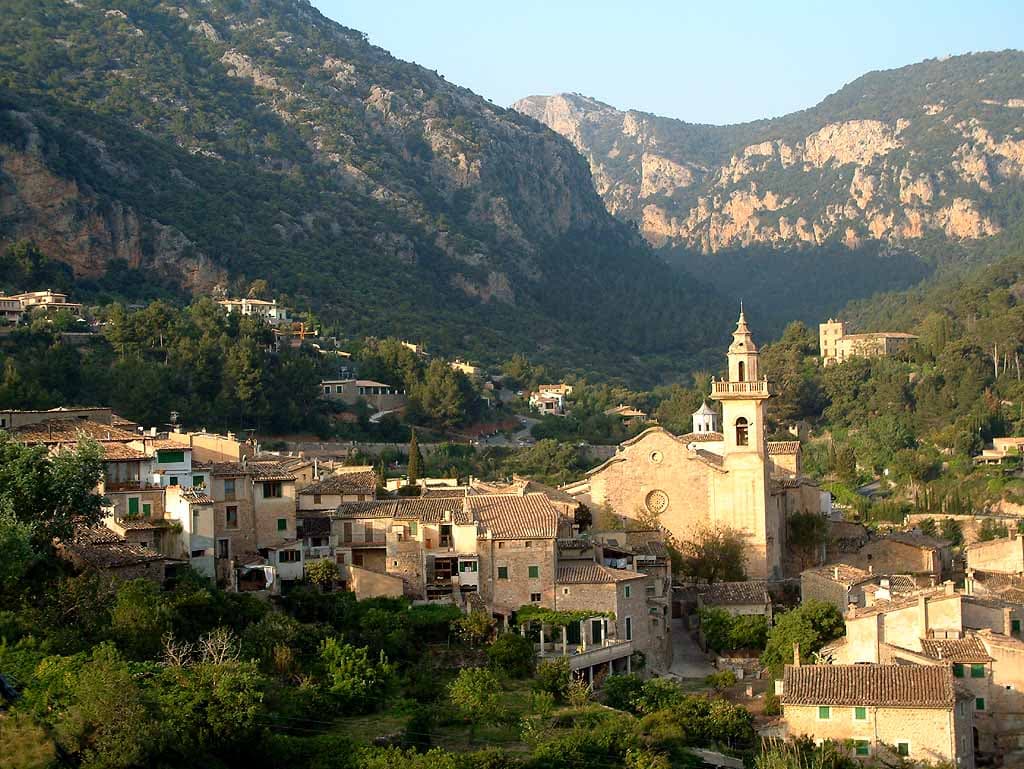
Valldemossa, un pueblo acunado en las montañas de la Serra de Tramuntana de Mallorca, presenta una convincente fusión de patrimonio, cultura y esplendor natural. Su nombre, derivado del árabe 'Valle de Musa', insinúa un pasado moldeado por diversas influencias. El pueblo se despliega con calles estrechas y sinuosas, casas tradicionales de piedra con persianas verdes y una abundancia de macetas con flores que crean un entorno verdaderamente evocador.
Más allá de su encanto visual, Valldemossa ocupa un lugar significativo en la memoria cultural, notablemente como la residencia de invierno del compositor Frédéric Chopin y la escritora George Sand en 1838-1839. Esta conexión, junto con su sereno telón de fondo montañoso y su proximidad a Palma, lo convierte en un destino favorito para aquellos que buscan una auténtica experiencia mallorquina lejos de las zonas costeras más concurridas.
## De Retiro Real a Vida Monástica Los orígenes de Valldemossa se remontan a una antigua alquería establecida por un noble moro llamado Mussa. Tras la reconquista cristiana de Mallorca en 1229, la zona fue testigo del establecimiento de un monasterio por el filósofo Ramon Llull en 1276, que posteriormente evolucionó hasta convertirse en un centro de aprendizaje.
El monumento histórico más prominente, la Real Cartuja de Valldemossa, comenzó su existencia a principios del siglo XIV como un palacio real. El Rey Jaume II lo construyó para su hijo, Sancho, quien buscaba el aire de la montaña para aliviar su asma. En 1399, el Rey Martín el Humano de Aragón otorgó el palacio a la Orden Cartuja, transformándolo en un monasterio que albergó a monjes durante más de cuatro siglos hasta 1835.
## Chopin, Sand y el Archiduque El monasterio ganó reconocimiento internacional con la llegada del compositor polaco Frédéric Chopin y la escritora francesa George Sand. Pasaron el invierno de 1838-1839 en celdas alquiladas dentro del antiguo monasterio, buscando un clima más suave para la tuberculosis de Chopin. A pesar de las arduas condiciones, Chopin compuso algunas de sus obras notables aquí, incluyendo muchos de sus Preludios, Op. 28. Las memorias de George Sand, 'Un invierno en Mallorca', narraron sus experiencias e introdujeron Valldemossa a un público europeo más amplio.
Más tarde, en el siglo XIX, el Archiduque austriaco Luis Salvador, un explorador y erudito dedicado, quedó profundamente cautivado por Mallorca. Adquirió y restauró la Finca Miramar, contribuyendo significativamente a la preservación y el estudio de los paisajes y la cultura mallorquina. Valldemossa es también el lugar de nacimiento de Santa Catalina Thomàs, la única santa de Mallorca, nacida en 1533. Su vida se conmemora en todo el pueblo, con azulejos decorativos en las fachadas de las casas que representan escenas de su historia.
Comience su exploración en la Real Cartuja de Valldemossa, el monumento más significativo del pueblo. Aquí, puede pasear por sus claustros, la histórica farmacia y las celdas que una vez ocuparon los monjes. Un punto culminante es la Celda de Chopin, ahora un museo que exhibe su piano Pleyel original, manuscritos y cartas personales, junto con artefactos relacionados con George Sand. El monasterio también ofrece breves recitales de piano de Chopin.
Pasee por los Jardines del Rey Juan Carlos en la base del monasterio, un espacio tranquilo con bancos de piedra y vegetación autóctona que ofrece vistas de la Serra de Tramuntana. Explore el Barrio de la Vall, el barrio más antiguo, con sus calles estrechas y empinadas adornadas con macetas y azulejos en honor a Santa Catalina Thomàs. Visite la Iglesia de Sant Bartomeu, un edificio notable que combina elementos góticos con renovaciones posteriores, distinguido por su campanario de azulejos azules. Para disfrutar de amplias vistas del pueblo y el mar, ascienda a la torre del Palacio del Rey Sancho.
Las épocas más agradables para visitar Valldemossa son durante la primavera (abril a junio) y principios de otoño (septiembre y octubre). En estas temporadas intermedias, el clima es agradablemente cálido, ideal para caminar, y el pueblo recibe menos visitantes en comparación con los meses pico de verano de julio y agosto. El invierno ofrece una atmósfera más tranquila y personal, aunque algunos establecimientos pueden estar cerrados. El festival anual de Valldemossa, las Festes de la Beata, en honor a Santa Catalina, tiene lugar a finales de julio.
Valldemossa es de fácil acceso, situado a aproximadamente 20-30 minutos en coche de Palma de Mallorca a través de la carretera Ma-1110, que ofrece vistas panorámicas de la montaña. Los servicios regulares de autobús (TIB 203) también conectan la Estació Intermodal de Palma con Valldemossa. El pueblo en sí es compacto y en gran parte peatonal, por lo que es esencial llevar calzado cómodo para caminar por sus calles empedradas. Hay aparcamiento disponible en las afueras del pueblo, aunque los espacios pueden ser difíciles de encontrar durante los períodos de mayor afluencia. Valldemossa ofrece una selección de restaurantes tradicionales y acogedores cafés donde podrá saborear la cocina mallorquina, incluyendo el pastel local, la coca de patata.
Valldemossa en coreano, en chino o en hebreo — y 29 idiomas más, cada parada narrada por una voz nativa. La mayor variedad de idiomas de cualquier audioguía autoguiada.
Disponible en: