The historic town hall
Beyond its Gothic facade and grand halls, this building holds a surprising secret about local justice.
Full story unlocks in the tour
 waterborough / Public domain, via Wikimedia Commons
Self-guided audio walking tour of Wasserburg am Inn — GPS route, offline playback, story-driven narration in 32 languages.
“Where the Inn River embraces history.”
Not the postcards. The stories even locals don't know — whispered in your ear, right where they happened.
Beyond its Gothic facade and grand halls, this building holds a surprising secret about local justice.
The river that defines Wasserburg's unique shape also conceals a lesser-known, annual reminder of its power.
While exploring the lanes, you might encounter a peculiar artistic tradition that uses unexpected materials.
Discover every secret of Wasserburg am Inn
Every address, every reveal in full — in your ear, right where it happened.
You pick your stops. You walk. The voice reveals what the others miss.
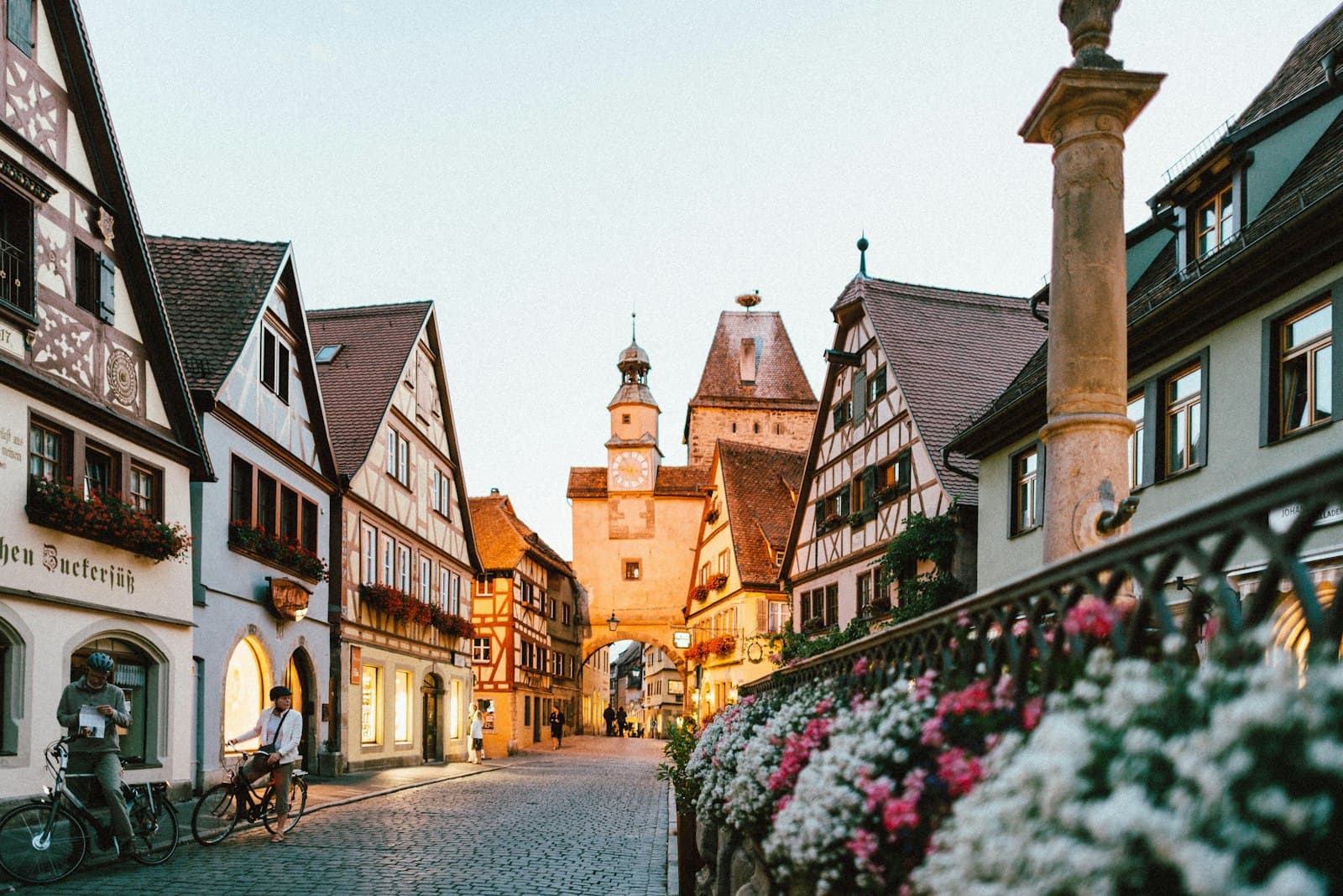
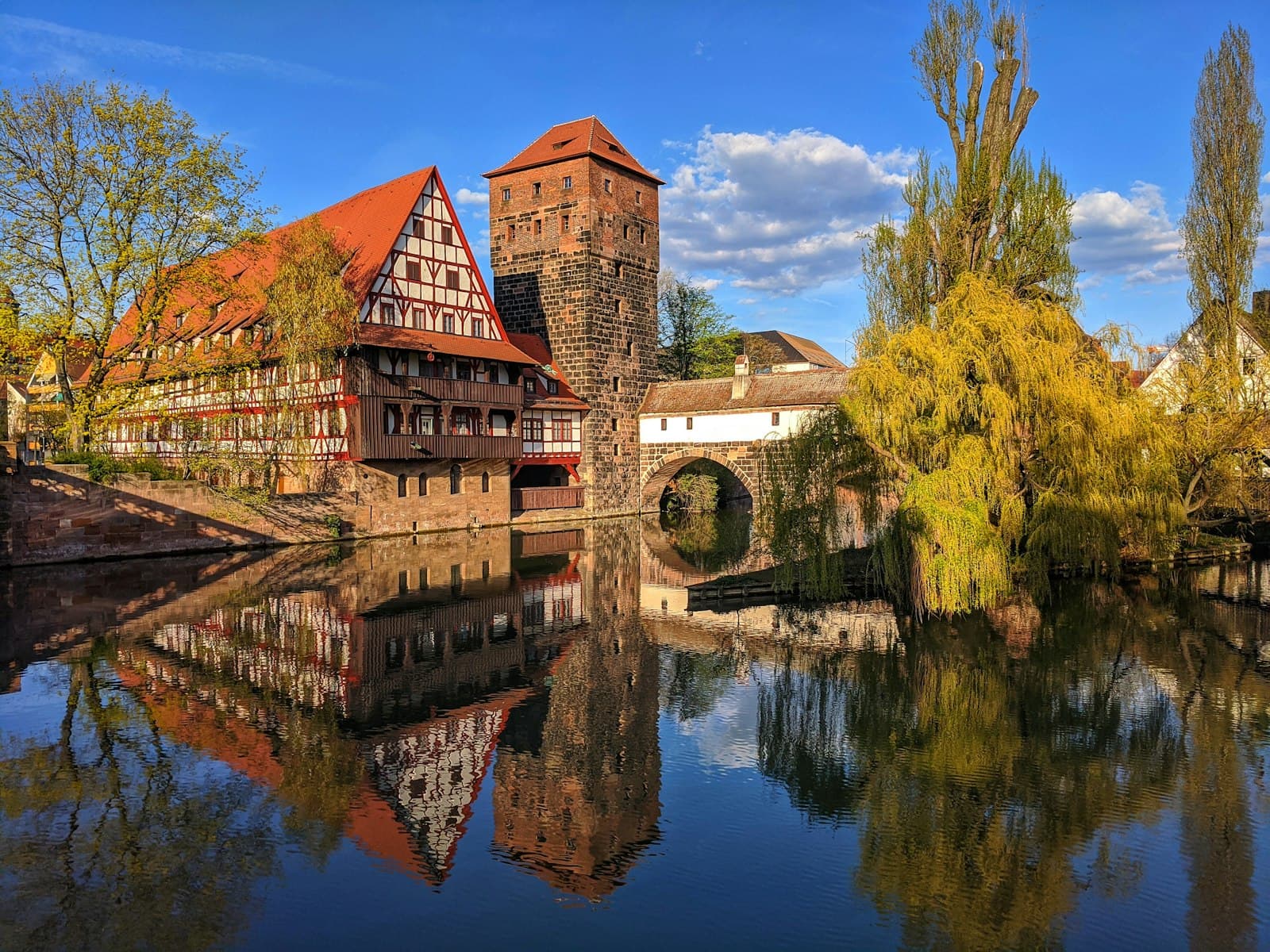
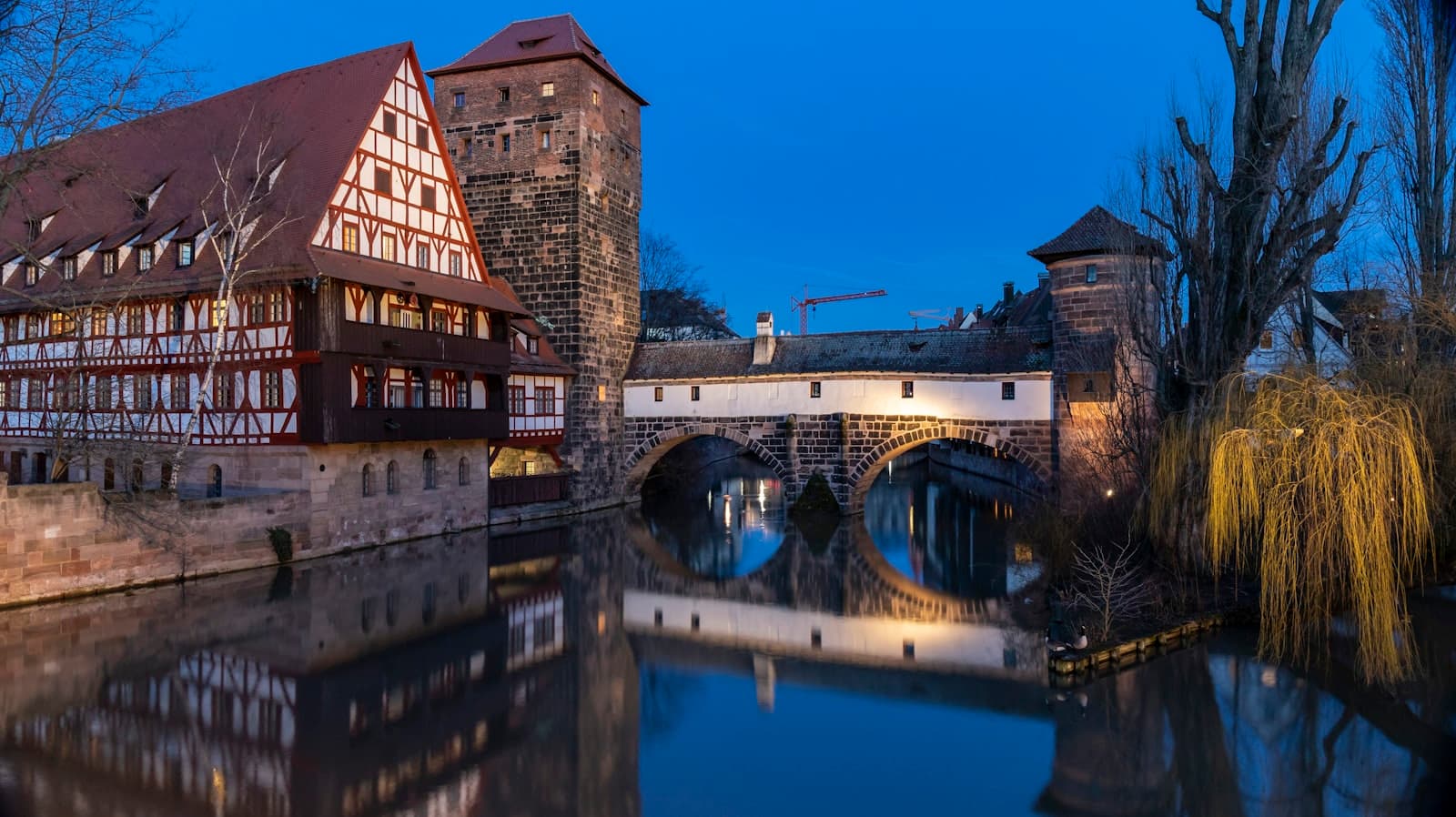
Your self-guided audio tour of Wasserburg am Inn is ready — pick your landmarks, choose your language, and start the moment you arrive.
BuyLume has a built-in augmented-reality guide. Hold your phone up and its camera shows the street ahead of you, with a glowing arrow laid over the real view that always points to your next stop — no map to puzzle over, no wrong turns. Like everything in Lume, it works fully offline.
Wasserburg am Inn, a Bavarian town, is nearly encircled by the Inn River. Its old town, an architectural marvel, is a peninsula that seems to float on the water, connected to the mainland by a narrow causeway. This unique geography has shaped its character, offering views of the river and the surrounding landscape at almost every turn.
The town’s name, Wasserburg, translates to 'water castle,' a nod to its origins as a fortified settlement. The Inn River, a constant companion, has influenced not only its defenses but also its trade and daily life for centuries. Walking through its streets is to step into a story where water and stone intertwine, where the river's flow dictates the rhythm of the town.
The origins of Wasserburg am Inn trace back to the early Middle Ages, with its first documented mention appearing in 1137. Its strategic location, almost entirely surrounded by the Inn River, made it a natural stronghold. The town's early development was closely tied to the powerful Counts of Wasserburg, who controlled vital river crossings and trade routes. This control allowed them to levy tolls, contributing significantly to their wealth and the town's early prosperity.
By the 13th century, Wasserburg had grown into a significant trading center, particularly for salt from Reichenhall. The Inn River served as a crucial transportation artery, allowing goods to be moved efficiently. The town's fortifications were expanded, including the construction of the imposing Burg (castle) and robust town walls, many of which still stand today. The economic vitality fostered a rich cultural life, evidenced by the construction of impressive churches and civic buildings that reflect the architectural styles of the era.
Like many European towns, Wasserburg faced its share of challenges through the centuries, including fires, plagues, and conflicts. The Thirty Years' War in the 17th century brought hardship, but the town consistently recovered, adapting to changing political and economic landscapes. The advent of railways in the 19th century diminished the Inn River's role in long-distance trade, prompting Wasserburg to redefine its economic focus. Despite these shifts, the town preserved its medieval character, maintaining its distinctive architecture and urban layout. Today, Wasserburg am Inn stands as a testament to its enduring spirit, a place where the echoes of its past resonate in its present-day charm.
Explore the Old Town, a peninsula encircled by the Inn River. Wander through the Marienplatz, the main square, where colorful facades of merchant houses line the perimeter. Ascend to the Burg, the former castle, for views of the river and the town's rooftops. The Stadtmuseum offers insights into local history and culture. Walk along the riverbanks, observing the Inn's steady flow and the unique architecture that adapts to its curves. The Rathaus, with its Gothic elements, is a striking example of civic architecture. Discover the various churches, each with its own artistic and historical significance.
Spring and early autumn offer pleasant weather for exploration, with fewer crowds and comfortable temperatures. The changing foliage in autumn paints a picturesque scene. Summer brings lively outdoor activities, though it can be busier. Winter transforms the town into a quiet, atmospheric retreat.
Wasserburg is easily accessible by train from Munich. The Old Town is largely pedestrian-friendly, encouraging exploration on foot. Parking is available outside the peninsula, with a short walk into the historic center. Many local establishments accept card payments, but it's advisable to carry some cash for smaller purchases. Public restrooms are available at various points throughout the town.
Wasserburg am Inn in Korean, in Chinese or in Hebrew — and 29 more languages, every stop narrated by a native voice. The widest language range of any self-guided audio tour.
Available in: