Templo de Kasar Devi
Se dice que este antiguo templo es uno de los dos únicos lugares en la Tierra dentro del Cinturón de Van Allen, un fenómeno que se cree amplifica la energía positiva.
La historia completa se desbloquea en el tour
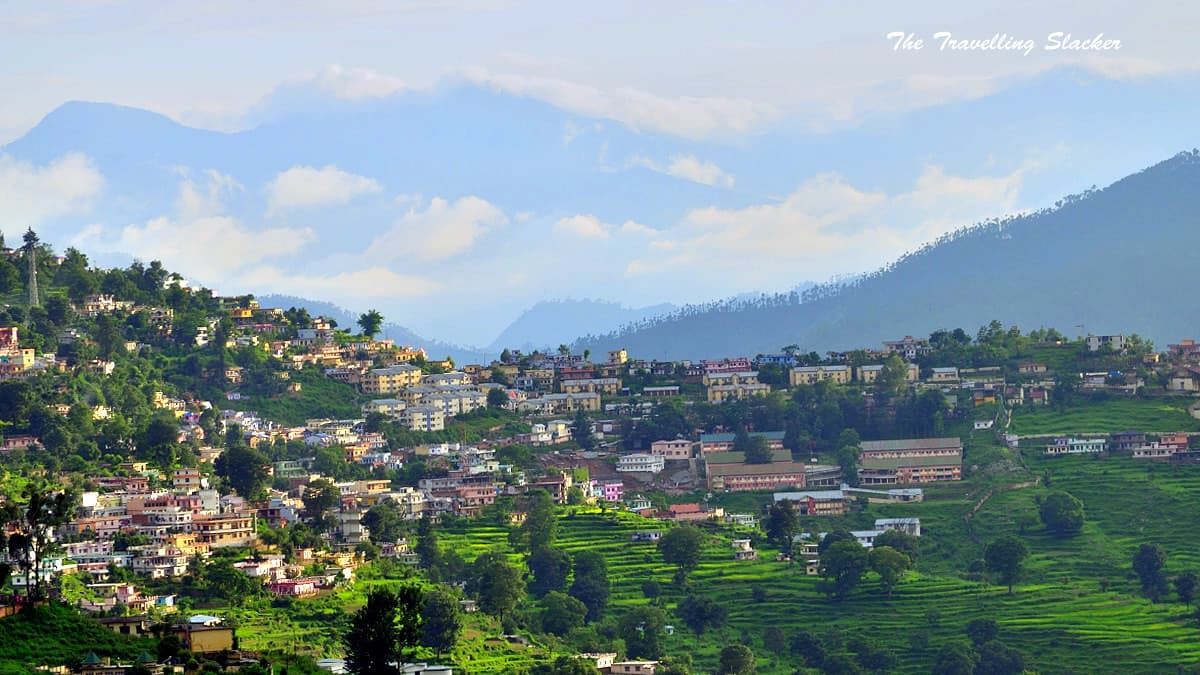 Travelling Slacker / CC BY 2.0, via Wikimedia Commons
Tour de audio autoguiado de Almora — ruta GPS a pie, reproducción offline, narración en 32 idiomas.
“Almora: Donde los susurros del Himalaya se encuentran con tradiciones ancestrales.”
No las postales. Las historias que ni los locales conocen — al oído, justo donde ocurrieron.
Se dice que este antiguo templo es uno de los dos únicos lugares en la Tierra dentro del Cinturón de Van Allen, un fenómeno que se cree amplifica la energía positiva.
El 'chocolate' de Kumaon tiene un pasado sorprendentemente largo y lleno de historias, con raíces en ofrendas de templos e incluso viajes en tiempos de guerra.
A diferencia de muchas otras estaciones de montaña populares, Almora no fue una creación británica, sino una elección estratégica de los reyes locales.
Descubre todos los secretos de Almora
Cada dirección, cada revelación al completo — a tu oído, justo donde ocurrió.
Eliges tus paradas. Caminas. La voz te revela lo que los demás ignoran.


Tu tour de audioguía por Almora te espera — elige tus lugares, tu idioma y empieza al llegar.
ComprarLume incluye una guía de realidad aumentada. Levanta el móvil y su cámara muestra la calle que tienes delante, con una flecha luminosa sobre la imagen real que siempre apunta a tu próxima parada — sin mapas que descifrar, sin giros equivocados. Como todo en Lume, funciona completamente sin conexión.
Almora, una cautivadora estación de montaña en Uttarakhand, India, se asienta sobre una cresta en forma de silla de montar en las colinas de Kumaon. A diferencia de muchas otras ciudades del Himalaya desarrolladas por los británicos, Almora posee una herencia Kumaoni distintiva, moldeada por siglos de gobierno local. Flanqueada por los ríos Koshi y Suyal, la ciudad ofrece amplias vistas del Himalaya cubierto de nieve, incluyendo picos prominentes como Nanda Devi, Trishul y Panchachuli.
A menudo llamada el corazón cultural de Kumaon, Almora es un lugar donde las tradiciones antiguas se mezclan con la serena belleza natural. Sus calles estrechas y sinuosas, casas de madera tradicionales y bulliciosos bazares cuentan historias de una época pasada. Desde retiros espirituales en templos antiguos hasta hermosos puntos para ver el amanecer y el atardecer, Almora ofrece una experiencia de viaje más lenta y conmovedora, invitando a los visitantes a conectar con su profunda historia y atmósfera tranquila.
La historia de Almora está profundamente entrelazada con la dinastía Chand, que la estableció como su capital en 1568. Durante casi mil años, estos reyes gobernaron la región de Kumaon desde Almora, dando forma a su identidad cultural. Antes de los reyes Chand, el área estuvo bajo la dinastía Katyuri, con relatos de asentamientos humanos que datan de las epopeyas hindúes Mahabharata y Vishnu Purana.
Una intrigante leyenda local sugiere que el nombre de la ciudad se originó de 'Kilmora', un arbusto de agracejo silvestre. Se dice que el rey Kalyan Chand, mientras cazaba, descubrió la cresta en forma de herradura donde ahora se encuentra Almora cuando su presa buscó refugio en estos arbustos. Esta historia, aunque no corroborada por evidencia arqueológica, sigue siendo una parte preciada del folclore local.
La ciudad cayó brevemente en manos de los Gorkhas de Nepal en 1790, quienes construyeron una fortaleza en el extremo oriental de la cresta. Sin embargo, su dominio fue de corta duración, ya que los británicos los derrotaron en 1815, lo que llevó al Tratado de Sugauli en 1816, que cedió estos territorios a la Compañía Británica de las Indias Orientales. El antiguo fuerte de Lal Mandi cerca de Almora fue posteriormente rebautizado como 'Fort Moira' por los británicos. A diferencia de otras estaciones de montaña coloniales, el desarrollo de Almora fue principalmente por sus gobernantes indígenas, y los británicos posteriormente lo mantuvieron y desarrollaron aún más como una acantonamiento.
A lo largo de su historia, Almora ha atraído a figuras notables, incluyendo a Swami Vivekananda, quien meditó en Bright End Corner, y a Rabindranath Tagore. La ciudad también ha sido un centro de intercambio cultural, con artistas como Uday Shankar y su compañía, incluyendo a Guru Dutt y Zohra Sehgal, actuando aquí. Govind Ballabh Pant, un prominente luchador por la libertad y el primer Ministro Principal de Uttar Pradesh, nació en Almora. Incluso el premio Nobel Sir Ronald Ross, conocido por su trabajo sobre la malaria, tiene raíces en esta histórica ciudad, habiendo nacido aquí en 1857.
Almora ofrece una mezcla de sitios espirituales, miradores panorámicos y experiencias culturales. Comience su exploración en el Templo de Nanda Devi, un santuario centenario dedicado a la diosa patrona de Kumaon, conocido por su intrincada arquitectura Kumaoni. A poca distancia se encuentra el Templo de Kasar Devi, situado en una colina, que ofrece amplias vistas y una energía espiritual única, que algunos creen que se encuentra dentro del Cinturón de Van Allen.
Para hermosos amaneceres y atardeceres sobre el Himalaya, diríjase a Bright End Corner, también conocido como Vivekananda Corner, un lugar donde Swami Vivekananda meditó una vez. Otro mirador esencial es el Punto Cero dentro del Santuario de Vida Silvestre de Binsar, que requiere una corta caminata para revelar una vista de 360 grados de los picos nevados. El santuario en sí es un paraíso para los entusiastas de la naturaleza, con una diversa flora y fauna.
Explore el antiguo Templo del Sol de Katarmal, una maravilla arquitectónica de 800 años dedicada al Dios Sol, considerado el segundo templo del sol más importante de la India. Pasee por el animado Lala Bazaar, un mercado histórico con calles empedradas, perfecto para descubrir artesanías locales y el famoso Bal Mithai. El Museo Público Govind Vallabh Pant ofrece información sobre el patrimonio cultural y la historia de la región de Kumaon.
La mejor época para visitar Almora depende en gran medida de sus actividades preferidas. Para un clima agradable ideal para hacer turismo, paseos por la naturaleza y actividades al aire libre, los meses de marzo a junio son muy recomendables, con temperaturas que oscilan entre 15°C y 30°C. Los cielos suelen estar despejados, ofreciendo vistas espectaculares de los picos del Himalaya.
Octubre a febrero marca la temporada de invierno, ofreciendo vistas nítidas y claras del Himalaya cubierto de nieve y un ambiente más tranquilo, aunque las temperaturas pueden bajar hasta -2°C, con nevadas ocasionales. La temporada de monzones, de julio a septiembre, trae una exuberante vegetación pero también fuertes lluvias, lo que puede provocar carreteras resbaladizas y posibles deslizamientos de tierra, lo que la hace menos ideal para actividades al aire libre extensas.
Almora está bien conectada por carretera, tren y aire. El aeropuerto más cercano es el Aeropuerto de Pantnagar (PGH), aproximadamente a 115-125 km de distancia, con taxis y autobuses fácilmente disponibles para el viaje. La estación de tren principal más cercana es Kathgodam (KGM), a unos 81-95 km de Almora, que ofrece una excelente conectividad con ciudades como Delhi, Lucknow y Kolkata. Desde Kathgodam, puede contratar taxis o tomar autobuses de transporte estatal.
Por carretera, Almora se encuentra aproximadamente a 363-380 km de Nueva Delhi, un viaje panorámico que dura entre 8 y 10 horas. También hay servicios regulares de autobús desde Delhi. Dentro de Almora, los taxis locales y los jeeps compartidos son comunes para moverse. Al empacar, considere la temporada: lanas ligeras para el verano, equipo de lluvia para el monzón y lanas pesadas para el invierno. Los zapatos cómodos para caminar son una necesidad, ya que explorar la ciudad a menudo implica caminar por sus calles y senderos montañosos.
Almora en coreano, en chino o en hebreo — y 29 idiomas más, cada parada narrada por una voz nativa. La mayor variedad de idiomas de cualquier audioguía autoguiada.
Disponible en: