Mount Beacon
Before it became a destination for hikers, Mount Beacon held strategic importance during the Revolutionary War. Yet, the fires lit there were not always as they appeared.
Full story unlocks in the tour
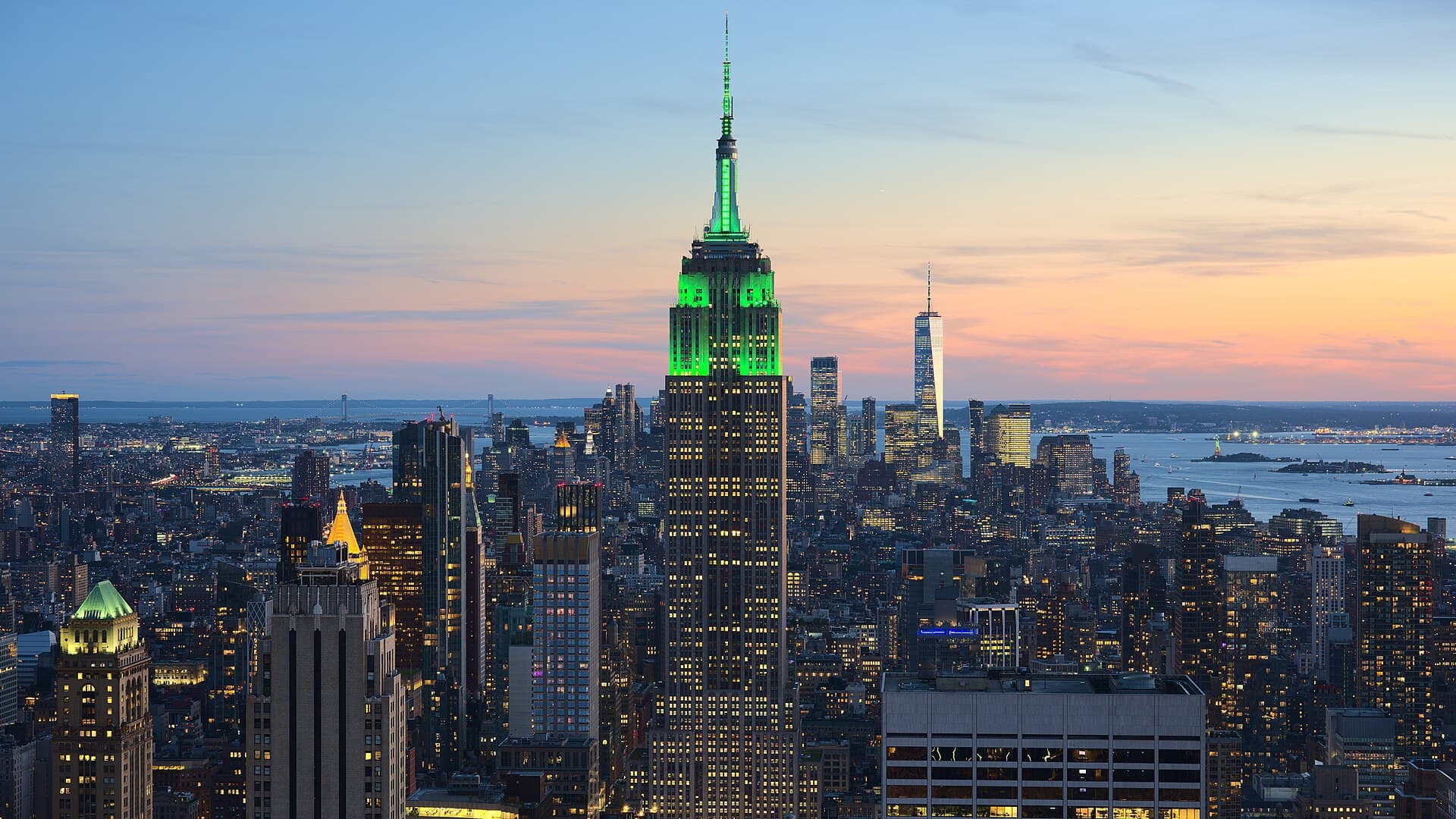 Dllu / cc by-sa 4.0, via Wikimedia Commons
Self-guided audio walking tour of Beacon — GPS route, offline playback, story-driven narration in 32 languages.
“Where industrial echoes meet artistic rebirth on the Hudson's shore.”
Not the postcards. The stories even locals don't know — whispered in your ear, right where they happened.
Before it became a destination for hikers, Mount Beacon held strategic importance during the Revolutionary War. Yet, the fires lit there were not always as they appeared.
Beacon's lively Main Street, now a continuous stretch of shops and galleries, once lost a significant portion of its historic architecture through deliberate erasure.
The oldest dwelling in Dutchess County carries a compelling origin story, intertwined with a formidable woman who shaped much of the surrounding land.
Discover every secret of Beacon
Every address, every reveal in full — in your ear, right where it happened.
You pick your stops. You walk. The voice reveals what the others miss.


Your self-guided audio tour of Beacon is ready — pick your landmarks, choose your language, and start the moment you arrive.
BuyBeacon, New York, unfolds on the eastern bank of the Hudson River, approximately 60 miles north of New York City. It rests at the foot of Mount Beacon, presenting a dramatic natural backdrop to a lively cultural canvas. Once an industrial center, Beacon has undergone a profound transformation, emerging as a sought-after destination recognized for its art, dining, and outdoor pursuits.
The city's revitalization began in the late 1990s and gained momentum with the 2003 inauguration of Dia Beacon, one of the largest modern art museums in the United States, housed within a former Nabisco factory. This artistic anchor has drawn a wave of galleries, independent shops, and eateries to its mile-long Main Street, forging a dynamic atmosphere that intertwines its historical foundations with a contemporary spirit. Beacon offers a singular blend of urban conveniences and natural splendor, crafting a compelling respite from city life.
The land that now comprises Beacon was originally home to the Wappinger tribe. In 1683, merchant-fur traders Francis Rombout and Gulian Verplanck acquired the land, a transaction sanctioned by James II of England in 1685. Rombout's portion eventually passed to his daughter, Catheryna Brett, who became a central figure in the area's early development. She cultivated farmland, erected a grist mill, and established the first produce cooperative in the Hudson River highlands.
European settlement commenced in 1709 with the founding of two villages: Matteawan and Fishkill Landing, among the earliest colonial communities in Dutchess County. These villages played a pivotal role during the American Revolutionary War, serving as a center for manufacturing war provisions, a fort, and a signaling point. The city's name, 'Beacon,' adopted in 1913 when the two villages merged, commemorates the signal fires ignited atop Mount Fishkill (now Mount Beacon) to alert the Continental Army of British troop movements.
Throughout the 1800s, Beacon transformed into a factory town, earning the designation 'The Hat Making Capital of the US' with nearly 50 hat factories operating at its peak. Beyond hats, factories produced a diverse array of items, including paper clips, biscuit wrappers, coats, air brakes, and bricks; Beacon bricks even contributed to the construction of recognizable New York City buildings like Rockefeller Center and the Empire State Building. The Mount Beacon Incline Railway, operational from 1902 to 1978, further solidified the mountain's status as a tourist destination, transporting millions to its summit.
However, the mid-20th century presented considerable challenges. Urban renewal projects in the 1960s led to the demolition of many historic buildings, and a sharp economic downturn in the 1970s resulted in the closure of most factories, leaving a significant portion of commercial spaces empty.
The late 1990s marked the dawn of Beacon's renaissance. The inauguration of Dia Beacon in 2003, a contemporary art museum housed in a repurposed Nabisco box printing plant, served as a catalyst for the city's artistic and commercial revitalization. This transformation has seen Beacon evolve into a flourishing arts and culture hub, drawing new residents and enterprises. Today, Beacon continues its growth, with ongoing development projects and a dedication to preserving its natural beauty and historical character.
Begin your exploration of Beacon on its mile-long Main Street, a lively thoroughfare brimming with independent shops, art galleries, and diverse eateries. You will discover everything from vintage clothing and handcrafted jewelry to artisanal crafts and specialty foods. For an immersion into contemporary art, Dia Beacon, housed within a former Nabisco factory, is an essential visit, displaying large-scale installations and modern artwork. The museum building itself stands as a testament to adaptive reuse, its industrial architecture providing a distinctive setting for art.
For those who enjoy the outdoors, a hike up Mount Beacon offers challenging trails and expansive views of the Hudson Valley from its fire tower. If a more relaxed walk is preferred, explore Madam Brett Park or Denning's Point, both providing scenic riverfront paths and vistas of the Hudson. Those interested in history will appreciate the Madam Brett Homestead, the oldest house in Dutchess County, offering a glimpse into colonial-era life. Do not overlook the Beacon Historical Society for additional local insights. For unique local goods and flavors, visit the Beacon Farmers Market on Sundays.
Beacon offers experiences throughout the year, but the transitional seasons of spring and fall are particularly inviting for their moderate weather and vivid scenery. Fall is especially celebrated for its striking autumn foliage. Summer brings warm temperatures, animated streets, and opportunities for outdoor dining and river views, though it can be more crowded. While winter can be cold with snow, it also provides a tranquil beauty. Weekends are generally the busiest, particularly during high season, while weekdays offer a quieter experience, though some shops and venues may have reduced hours.
Beacon is readily accessible, situated approximately 60 miles north of New York City. The Metro-North Railroad offers convenient train service from Grand Central Terminal, with the station merely a short walk from Main Street and Dia Beacon. A complimentary community bus loop also operates within the city. For those arriving by car, major highways like I-84 and Route 9D are easily reached. The city is walkable, especially Main Street, but comfortable footwear is recommended for exploring and hiking. Accommodations range from charming bed & breakfasts to industrial boutique hotels. Dining options are abundant, with many establishments emphasizing locally sourced ingredients.
Beacon in Korean, in Chinese or in Hebrew — and 29 more languages, every stop narrated by a native voice. The widest language range of any self-guided audio tour.
Available in: