Balay na Tisa (Casa Sarmiento-Osmeña)
La residencia más antigua de Carcar posee una distinción única más allá de su antigüedad.
La historia completa se desbloquea en el tour
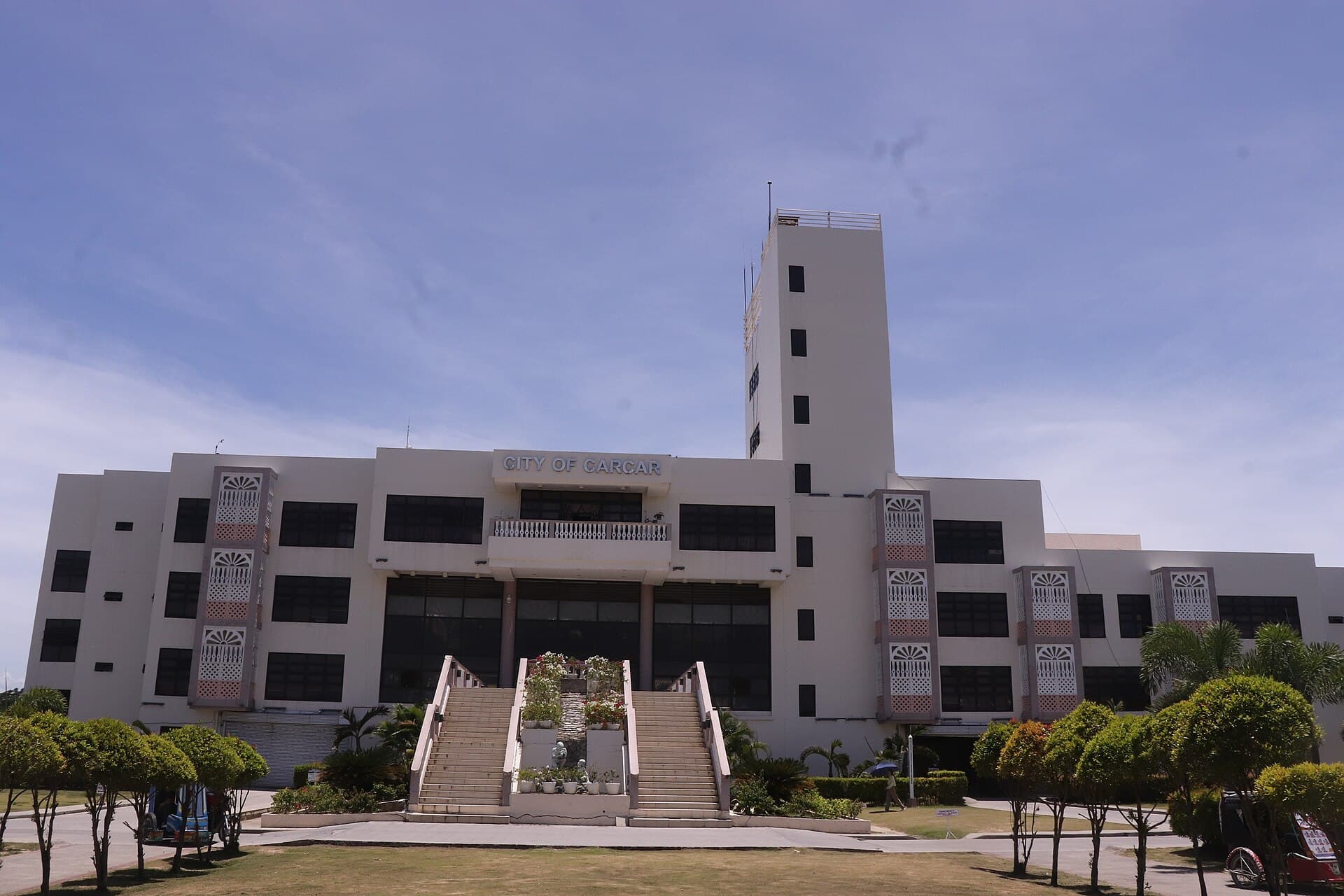 Wikiflare88 / CC BY-SA 4.0, via Wikimedia Commons
Tour de audio autoguiado de Carcar — ruta GPS a pie, reproducción offline, narración en 32 idiomas.
“Donde los hogares ancestrales narran épocas y cada sabor local se convierte en un recuerdo preciado.”
No las postales. Las historias que ni los locales conocen — al oído, justo donde ocurrieron.
La residencia más antigua de Carcar posee una distinción única más allá de su antigüedad.
Esta casa ancestral de color azul mediterráneo ha recibido a algunos visitantes inesperados.
Antes de albergar artefactos históricos, esta elegante estructura de la era americana sirvió a un propósito comunitario vital y diferente.
Descubre todos los secretos de Carcar
Cada dirección, cada revelación al completo — a tu oído, justo donde ocurrió.
Eliges tus paradas. Caminas. La voz te revela lo que los demás ignoran.


Tu tour de audioguía por Carcar te espera — elige tus lugares, tu idioma y empieza al llegar.
ComprarLume incluye una guía de realidad aumentada. Levanta el móvil y su cámara muestra la calle que tienes delante, con una flecha luminosa sobre la imagen real que siempre apunta a tu próxima parada — sin mapas que descifrar, sin giros equivocados. Como todo en Lume, funciona completamente sin conexión.
La Ciudad de Carcar, a menudo celebrada como la 'Ciudad Patrimonio de Cebú', ofrece un fascinante viaje a través del tiempo, donde las influencias coloniales española y americana se conservan cuidadosamente en su arquitectura y costumbres. Aproximadamente a 40 kilómetros al sur de la Ciudad de Cebú, esta ciudad componente es un tesoro para quienes aprecian la historia y la exploración culinaria.
Más allá de su atractivo visual, Carcar funciona como un animado centro de industria y sabores locales. Es reconocida como la 'Capital del Calzado de Cebú', con una larga tradición artesanal, y su mercado público es un destino para quienes buscan auténticas delicias cebuanas. Desde el crujiente chicharon hasta el suculento lechón, Carcar promete una experiencia memorable que refleja la dedicación e ingenio de su gente.
## De Antiguos Asentamientos a la Grandeza Colonial La narrativa de Carcar comienza mucho antes de la llegada de los españoles. El área era originalmente conocida como "Kabkad", nombrada así por una especie de helecho resistente, y formaba parte del antiguo asentamiento de Sialo, gobernado por Sri Alho, un hijo de Sri Lumay, quien estableció un reino en la isla de Cebú. Esta temprana comunidad costera, situada cerca del río Minag-a, comerciaba con mercaderes chinos.
La influencia española comenzó a mediados del siglo XVI, y en 1599, Carcar se convirtió oficialmente en un pueblo. Inicialmente renombrado Valladolid por los españoles, el asentamiento enfrentó persistentes asaltos de piratas moros, lo que provocó una reubicación tierra adentro para una mayor seguridad. El pueblo luego volvió a un nombre derivado de su original, Kabkad, antes de que un sacerdote español finalmente lo renombrara Carcar, en honor a un pueblo en el norte de España. Durante más de 300 años, el gobierno español moldeó profundamente el paisaje urbano de Carcar, dejando un legado de impresionantes edificios coloniales.
Durante el período colonial americano, Carcar continuó floreciendo. El pueblo fue testigo del establecimiento de la Escuela Primaria Upland en 1905 y el inicio de un ferrocarril que conectaba Cebú y Carcar en 1908. Principios del siglo XX también marcaron el florecimiento de la industria del calzado de Carcar. Aquí se desarrollaron importantes eventos históricos, incluido el trágico asesinato de la figura revolucionaria Leon Kilat en 1898. La designación de Carcar como ciudad ha tenido un complejo recorrido legal, con su estatus de ciudad siendo otorgado, revocado y reinstalado varias veces entre 2008 y 2011.
Hoy, Carcar se erige como uno de los pueblos patrimoniales más importantes de Filipinas, reconocido junto con lugares como Vigan y Taal por su patrimonio arquitectónico meticulosamente conservado que armoniza los estilos español y americano.
Comience su exploración en la Plaza de la Ciudad de Carcar, un punto central rodeado de muchos de los tesoros históricos de la ciudad. Dominando la plaza se encuentra la Iglesia de Santa Catalina de Alejandría, construida por los agustinos entre 1860 y 1875, que exhibe una distintiva mezcla de estilos arquitectónicos greco-toscano y morisco.
Adyacente a la iglesia se encuentra el Museo de la Ciudad de Carcar, ubicado en un edificio de la era americana bellamente conservado que alguna vez sirvió como dispensario. En su interior, descubrirá galerías que exhiben artefactos y recuerdos locales. A pocos pasos, la Mercado Mansion, una llamativa bahay na bato (casa de piedra) de color azul mediterráneo, ofrece una ventana a la vida de las prominentes familias de Carcar.
No pase por alto la icónica Rotonda de Carcar, un famoso monumento que presenta un quiosco ornamentado con estatuas alegóricas. A lo largo de la calle Santa Catalina, descubra más casas ancestrales como la Balay na Tisa, la residencia más antigua de Carcar, reconocida por su techo original de tejas de arcilla. Para un toque de naturaleza, viaje al Parque Nacional Guadalupe Mabugnao Mainit, hogar de intrigantes aguas termales y frías y sistemas de cuevas. Y, naturalmente, ninguna visita está completa sin una parada en el Mercado Público de Carcar para saborear su aclamado lechón y chicharon.
El período ideal para experimentar Carcar es durante la estación seca, que se extiende de diciembre a mayo. Específicamente, los meses de diciembre a febrero ofrecen temperaturas más frescas y agradables, lo que los hace perfectos para recorridos a pie y para explorar los sitios patrimoniales de la ciudad. Si bien marzo y abril también son secos, las temperaturas pueden ser más altas. Se recomienda visitar por la mañana para evitar el calor del mediodía, lo que permite un paseo patrimonial más agradable antes de disfrutar de un almuerzo de lechón. El Festival anual de Kabkaban en noviembre es otro excelente momento para sumergirse en las expresiones culturales de Carcar, con bailes tradicionales que honran a su santa patrona.
La Ciudad de Carcar se encuentra aproximadamente a 40 kilómetros al sur de la Ciudad de Cebú, lo que la convierte en una excursión de un día accesible o una parada conveniente en un viaje más largo por el sur de Cebú. La forma más común de llegar es en autobús desde la Terminal de Autobuses del Sur de Cebú, con numerosas rutas hacia el sur que pasan por Carcar. El viaje en autobús suele durar de 1 a 1.5 horas. Una vez en Carcar, el centro de la ciudad es lo suficientemente compacto como para caminar, particularmente alrededor de la plaza patrimonial y el área del mercado. Los triciclos están fácilmente disponibles para distancias más largas o cuando prefiera no caminar. Si tiene la intención de visitar casas ancestrales que aún son de propiedad privada, es aconsejable contactar con la Oficina de Turismo de Carcar con antelación para organizar las visitas. Para quienes lleguen desde Manila, volar al Aeropuerto Internacional de Mactan-Cebú (CEB) y luego tomar un taxi o autobús a Carcar es la opción más rápida.
Carcar en coreano, en chino o en hebreo — y 29 idiomas más, cada parada narrada por una voz nativa. La mayor variedad de idiomas de cualquier audioguía autoguiada.
Disponible en: