Chiesa di San Giovanni Battista (Église Saint-Jean-Baptiste)
L'église la plus emblématique de Cervo porte un surnom surprenant, qui témoigne de la prospérité historique de la ville.
L'histoire complète se débloque dans le tour
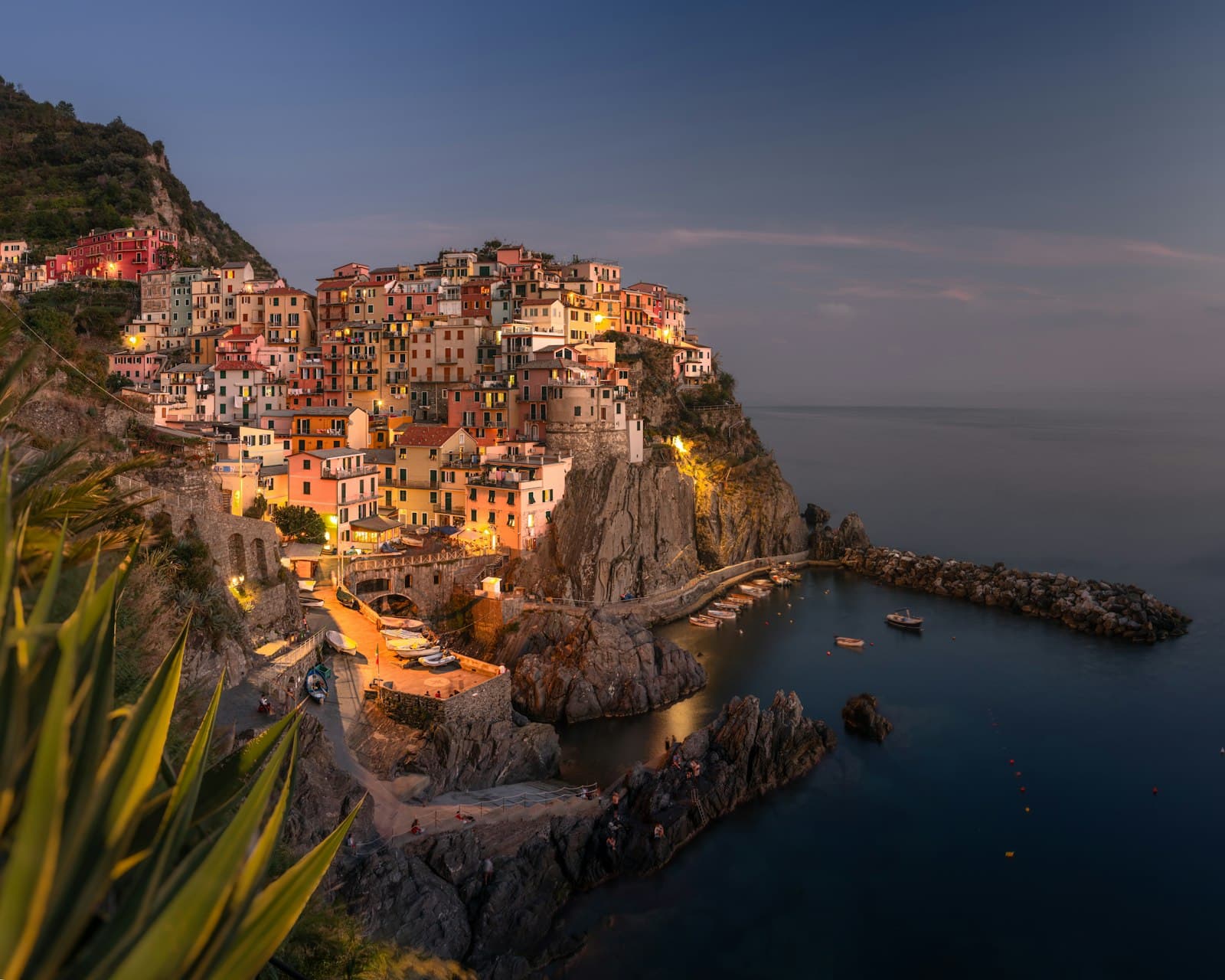 Photo: andreas kretschmer / Unsplash
Visite audio autoguidée de Cervo — parcours GPS à pied, lecture hors ligne, narration en 32 langues.
“Là où les pierres anciennes rencontrent la mer Ligure.”
Pas les cartes postales. Les histoires que même les habitants ignorent — soufflées à l'oreille, là où elles se sont passées.
L'église la plus emblématique de Cervo porte un surnom surprenant, qui témoigne de la prospérité historique de la ville.
Cet imposant château médiéval, aujourd'hui un musée, n'a pas toujours été une forteresse. Ses origines sont bien différentes.
Le nom « Cervo » pourrait évoquer des images de cerfs majestueux, mais sa véritable étymologie renvoie à quelque chose de bien plus pratique datant de l'époque romaine.
Découvrez tous les secrets de Cervo
Chaque adresse, chaque révélation en entier — dans ton oreille, là où elle s'est passée.
Tu choisis tes lieux. Tu marches. La voix te révèle ce que les autres ignorent.


Votre visite audioguidée de Cervo vous attend — choisissez vos lieux, votre langue, et lancez-vous dès votre arrivée.
AcheterLume intègre un guide en réalité augmentée. Levez votre téléphone : sa caméra montre la rue devant vous, avec une flèche lumineuse posée sur l'image réelle qui pointe toujours vers votre prochain arrêt — aucune carte à déchiffrer, aucun mauvais virage. Comme tout dans Lume, ça fonctionne entièrement hors-ligne.
Cervo, un charmant village médiéval de la Riviera italienne, semble presque peint à flanc de colline, ses maisons colorées dévalant vers la mer Ligure. Reconnu comme l'un des « Plus Beaux Villages d'Italie », Cervo offre une évasion sereine où le temps semble ralentir. Son centre historique piétonnier, un labyrinthe de ruelles étroites et sinueuses connues sous le nom de caruggi, invite à l'exploration, révélant des maisons en pierre anciennes, des boutiques d'artisans et des places intimes à chaque tournant.
Cette ville enchanteresse de la Ligurie occidentale offre un mélange unique d'histoire, de culture et de beauté naturelle. De sa majestueuse église baroque surplombant la mer à son château médiéval abritant un musée ethnographique, Cervo est une destination qui récompense la découverte tranquille. Au-delà du village, des plages gratuites de sable et de galets s'étendent le long du littoral, offrant des eaux claires parfaites pour la détente et la baignade.
## De Mansio romaine à forteresse médiévale L'histoire de Cervo remonte à l'époque romaine, lorsqu'elle servait de mansio – une station d'arrêt pour les voyageurs – le long de la Via Julia Augusta, une ancienne route reliant l'Italie à la France et à l'Espagne. Le nom même du village proviendrait du mot latin Servo, faisant référence à ce passé axé sur le service. Après la chute de l'Empire romain d'Occident, Cervo devint une colonie byzantine, et les premières fortifications furent érigées pour se protéger des incursions.
## Sous les Clavesana et Gênes Au Moyen Âge, Cervo se développa sous la protection des marquis de Clavesana, qui, au XIIIe siècle, construisirent un formidable château au point culminant de la colline. En 1204, Cervo se déclara quartier libre et passa sous la domination de la République de Gênes, formant une alliance solide. Le village passa brièvement sous les Chevaliers de Malte en 1330 avant de revenir définitivement sous le contrôle génois en 1384.
## L'ère du corail et les raids sarrasins Cervo connut une prospérité significative du XVe au XVIIe siècle, en grande partie grâce à son industrie florissante de la pêche au corail. Les pêcheurs s'aventuraient dans les eaux de la Corse et de la Sardaigne, ramenant du corail précieux qui était transformé et vendu dans toute la Ligurie et l'Italie. Cette richesse, cependant, attira également une attention indésirable, entraînant des attaques répétées de pirates sarrasins. En réponse, des tours et des remparts furent construits au XVIe siècle, dont beaucoup subsistent encore, protégeant le village.
## Transformations ultérieures Avec la chute de la République de Gênes en 1797, Cervo fut incorporée à la République ligurienne, puis passa sous le Premier Empire français en 1805, et finalement devint partie du Royaume de Sardaigne en 1815. Elle rejoignit officiellement le Royaume d'Italie en 1861. Aujourd'hui, l'économie de Cervo est centrée sur le tourisme et l'agriculture, son caractère médiéval bien préservé continuant d'attirer les visiteurs.
Le centre historique de Cervo, accessible uniquement à pied, est un voyage dans le temps. Commencez votre exploration par la Chiesa di San Giovanni Battista, également connue sous le nom d'« Église des Corallini ». Cette magnifique église baroque du XVIIIe siècle, financée par les pêcheurs de corail, domine la place principale et offre des vues panoramiques sur la mer. Sa façade élaborée et son intérieur richement décoré témoignent de la prospérité passée de Cervo.
Montez au point culminant du village pour découvrir le Château des Clavesana. Construit au XIIIe siècle, cette imposante forteresse abrite aujourd'hui le Musée Ethnographique de la Ligurie Occidentale, où vous pourrez vous plonger dans les traditions et la vie quotidienne de la région. Depuis la terrasse du château, profitez de vues imprenables sur la mer et les toits colorés en contrebas.
Promenez-vous le long des anciennes murailles qui encerclent encore le centre historique, offrant des aperçus des défenses médiévales de Cervo contre les raids de pirates. Ne manquez pas l'Ancien Oratoire de Santa Caterina d'Alessandria, l'un des plus anciens bâtiments du village, datant du XIIIe siècle, qui accueille désormais des expositions et des événements culturels. Au fil de votre exploration, prenez le temps d'apprécier le Palazzo Morchio, un palais du XVIIe siècle servant aujourd'hui d'Hôtel de Ville, remarquable par sa galerie et son portail en ardoise.
Cervo charme les visiteurs toute l'année, chaque saison offrant une atmosphère distincte. Pour les activités par temps chaud et profiter des plages, de fin juin à début septembre est idéal, août étant le mois le plus chaud. En été, le village s'anime avec des événements, de la musique et des soirées en plein air, y compris le célèbre Festival international de musique de chambre. Le printemps apporte des fleurs épanouies et des températures agréables, parfaites pour flâner dans les rues étroites. L'automne offre une expérience plus calme avec un temps encore agréable et des teintes chaudes, tandis que l'hiver offre une retraite paisible pour ceux qui recherchent la tranquillité loin des foules.
Cervo est situé dans la province d'Imperia, entre San Bartolomeo al Mare et Andora. Si vous voyagez en voiture, prenez l'autoroute A10 et sortez à San Bartolomeo al Mare, puis suivez les panneaux indiquant Cervo. Notez que le centre historique est piétonnier, donc un parking est disponible juste à l'extérieur du village. La gare la plus proche est Diano, à environ 4 km de Cervo, avec des services de bus et de taxi disponibles pour rejoindre le village. Gênes et Nice (France) sont les aéroports les plus proches, tous deux à environ 80-100 km. Le village est mieux exploré à pied, des chaussures confortables sont donc recommandées pour naviguer dans les rues pavées et escarpées.
Cervo en coréen, en chinois ou en hébreu — et dans 29 autres langues, chaque étape narrée par une voix native. La plus large gamme de langues de tous les audioguides autoguidés.
Disponible en :