Piazza principale di Chinchero
La grande chiesa coloniale di Chinchero si erge imponente su fondamenta Inca, eppure uno sguardo più attento alla sua costruzione rivela un sottile atto di sfida.
La storia completa si sblocca nel tour
 Draceane / CC BY-SA 4.0, via Wikimedia Commons
Tour audio autoguidato di Chinchero — percorso GPS a piedi, riproduzione offline, narrazione coinvolgente in 32 lingue.
“Dove antiche tradizioni dipingono il cielo andino.”
Non le cartoline. Le storie che nemmeno i locali conoscono — sussurrate nel tuo orecchio, proprio dove sono accadute.
La grande chiesa coloniale di Chinchero si erge imponente su fondamenta Inca, eppure uno sguardo più attento alla sua costruzione rivela un sottile atto di sfida.
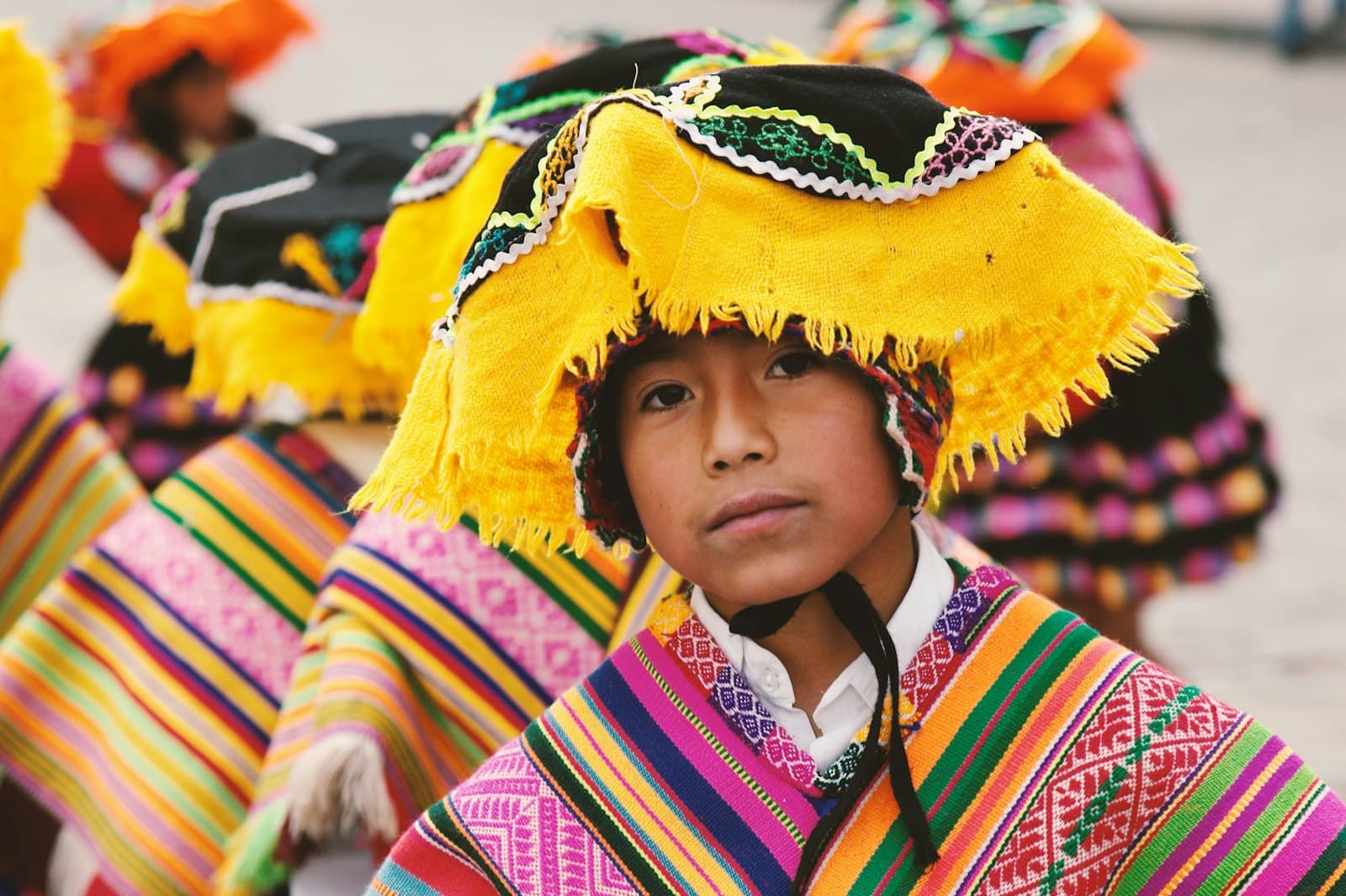
I brillanti rossi e viola dei famosi tessuti di Chinchero non sono solo belli; narrano la storia di un artista inaspettato e minuscolo.
I campi terrazzati apparentemente semplici che scendono lungo i pendii nascondono un segreto di innovazione agricola antica che ancora confonde gli ingegneri moderni.
Scopri ogni segreto di Chinchero
Ogni indirizzo, ogni rivelazione completa — nel tuo orecchio, proprio dove è accaduta.
Scegli le tue tappe. Cammini. La voce rivela ciò che gli altri perdono.

Il tuo tour audio autoguidato di Chinchero è pronto — scegli i tuoi punti di interesse, seleziona la tua lingua e inizia nel momento in cui arrivi.
AcquistaLume include una guida in realtà aumentata. Alza il telefono: la fotocamera mostra la strada davanti a te, con una freccia luminosa sovrapposta all'immagine reale che punta sempre verso la tua prossima tappa — nessuna mappa da decifrare, nessuna svolta sbagliata. Come tutto in Lume, funziona completamente offline.
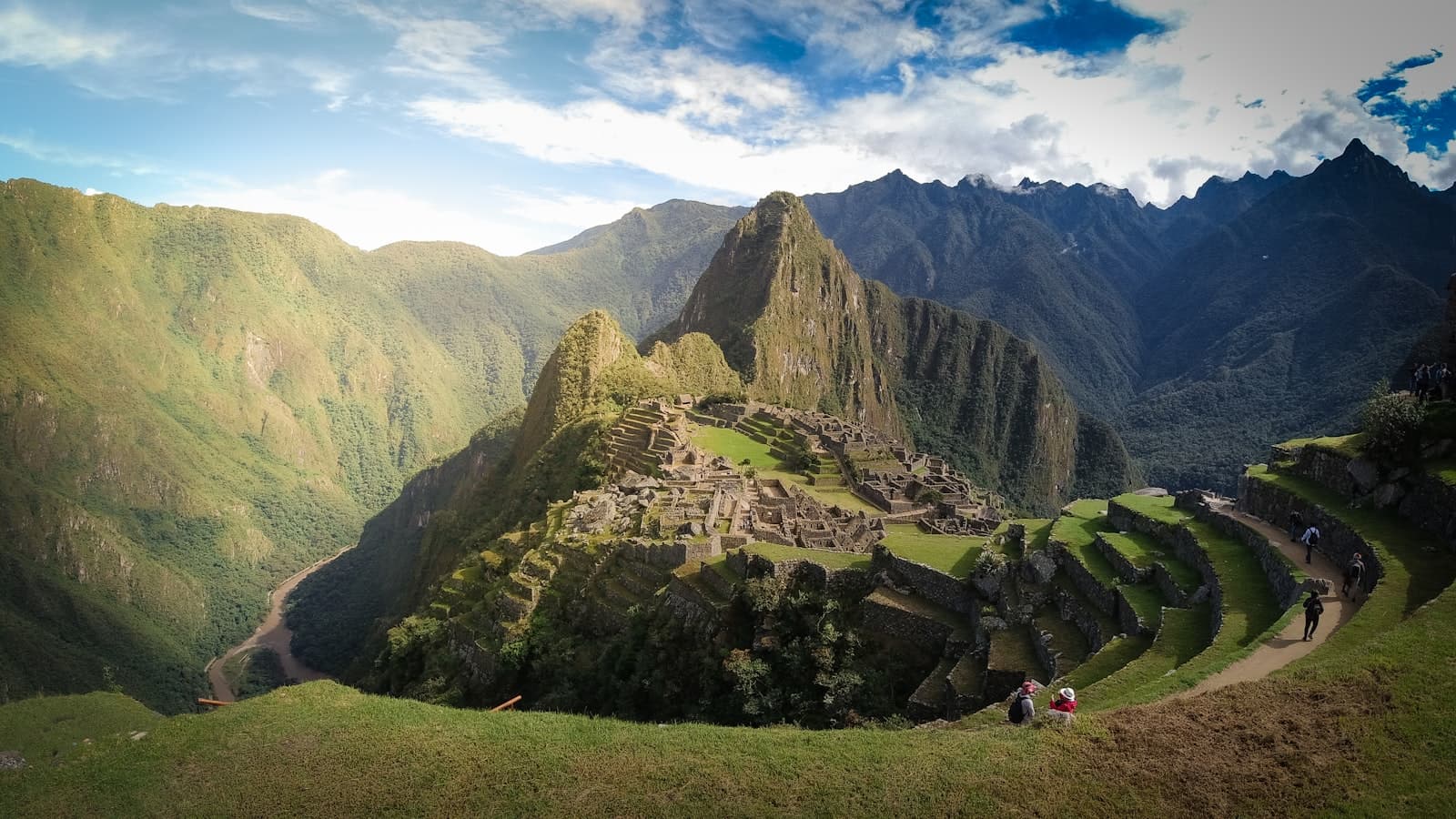
Chinchero, spesso chiamata la “Culla dell'Arcobaleno”, è un villaggio tradizionale andino situato in alta quota nella Valle Sacra del Perù, a circa 30 chilometri a nord-ovest di Cusco. A un'altitudine di circa 3.762 metri (12.342 piedi), offre ampie vedute di cime innevate come il Salkantay e il Verónica, e rigogliose terrazze agricole.
Questo villaggio è una testimonianza vivente della cultura andina, dove molti residenti mantengono usanze ancestrali, parlano Quechua e indossano abiti tradizionali. Chinchero è particolarmente rinomata per le sue vivaci tradizioni tessili, con donne locali che dimostrano antiche tecniche di tessitura e tintura naturale tramandate di generazione in generazione.
Oltre alla sua vitalità culturale, Chinchero riveste un'importanza storica significativa, mostrando un'affascinante fusione di architettura Inca e influenza coloniale spagnola. È un luogo dove antiche rovine e una chiesa coloniale coesistono, offrendo uno sguardo sul passato stratificato del Perù.
La storia di Chinchero risale all'Impero Inca, quando servì come importante tenuta reale e centro agricolo sotto il regno di Inca Túpac Yupanqui, figlio di Pachacútec, tra il 1471 e il 1493. Túpac Yupanqui ordinò la costruzione di un palazzo, santuari e ampie terrazze agricole e acquedotti, molti dei quali sono ancora in uso oggi. Il fertile suolo di Chinchero lo rese un cruciale centro agricolo, guadagnandosi il soprannome di 'granaio di Cusco', un ruolo che continua a svolgere.
Durante la conquista spagnola nel XVI secolo, Chinchero divenne un punto di resistenza. Nel 1536, Manco Inca, in fuga dagli spagnoli, ordinò l'incendio dei palazzi di Chinchero per impedire agli spagnoli di rifornirsi e catturarlo. Dopo la vittoria spagnola, strutture coloniali furono costruite direttamente sopra le fondamenta Inca, una pratica comune in tutto il Perù. Un esempio lampante è la Chiesa di Nuestra Señora de Monserrat, costruita intorno al 1607 dagli spagnoli sui resti del palazzo di Túpac Yupanqui. La città di Nuestra Señora de Monserrat fu formalmente fondata nel 1572 dal Viceré Francisco de Toledo, consolidando diverse comunità indigene in un unico centro urbano.
Oggi, Chinchero preserva un connubio unico di architettura Inca e coloniale. La città è stata dichiarata Patrimonio Storico del Perù nel 1972. Le sue comunità continuano a essere organizzate secondo l'antico sistema dell'ayllu, un'eredità dell'Impero Inca, e alcune praticano persino il baratto tradizionale.
La piazza principale di Chinchero è una notevole fusione di architettura Inca e coloniale. Qui troverete la Chiesa coloniale di Nuestra Señora de Monserrat, costruita sulle fondamenta del palazzo Inca di Túpac Yupanqui. La chiesa, completata intorno al 1607, è adornata con soffitti dipinti ornati e combina motivi cattolici e tradizionali andini. Adiacenti alla chiesa, imponenti mura di pietra Inca con nicchie trapezoidali sono ancora visibili, mostrando la precisione della lavorazione della pietra Inca.
Oltre la piazza centrale, il sito archeologico si estende su circa 43 ettari, con un vasto sistema di terrazze agricole e sentieri Inca. Queste terrazze, tra le più fertili della Valle Sacra, furono ingegnerizzate dagli Inca per l'agricoltura e sono ancora in uso oggi. I visitatori possono anche esplorare antiche huacas, o luoghi sacri, e affioramenti rocciosi finemente scolpiti come Titicaca e Chingana.
Chinchero è anche un importante centro per la tessitura tradizionale andina. Numerosi centri tessili e cooperative femminili offrono dimostrazioni dove è possibile osservare l'intero processo, dalla tosatura della lana di alpaca o pecora alla filatura, tintura naturale e intricata tessitura su telai a cintura. Il mercato locale, particolarmente vivace la domenica, è una vivace esposizione della vita locale, dove è possibile trovare tessuti, artigianato, prodotti freschi e persino assistere al baratto.
Il periodo migliore per visitare Chinchero è durante la stagione secca del Perù, che va da maggio a settembre. Durante questi mesi, potete aspettarvi cieli sereni, abbondante sole e ampie vedute montane, ideali per esplorare le rovine e il mercato. La stagione delle piogge, da ottobre a marzo, porta paesaggi più verdi e meno turisti, e offre la possibilità di vedere arcobaleni frequenti, che contribuiscono al soprannome di Chinchero, 'Culla dell'Arcobaleno'. Aprile e ottobre sono considerati eccellenti mesi di spalla, combinando bel tempo con meno folla.
Chinchero si trova a un'altitudine maggiore (3.762 metri / 12.342 piedi) rispetto a Cusco, quindi è consigliabile acclimatarsi a Cusco per almeno un giorno prima della visita per mitigare il mal di montagna. Vestitevi a strati, poiché le temperature possono variare durante il giorno; le mattine e le sere possono essere fredde, mentre il sole di mezzogiorno è intenso. Gli articoli essenziali includono un cappello, occhiali da sole, crema solare, scarpe comode per camminare su terreni irregolari e un poncho antipioggia, poiché il tempo può essere imprevedibile.
È richiesto un Biglietto Turistico di Cusco (Boleto Turístico) per l'ingresso alle rovine e alla piazza del paese, inclusa la chiesa. Questo biglietto non può essere prenotato in anticipo e può essere acquistato sul posto o presso gli uffici di Cusco. Molte bancarelle del mercato e cooperative tessili operano solo in contanti, quindi si consiglia di portare Soli peruviani. Chinchero è facilmente raggiungibile su strada, a circa 40-50 minuti da Cusco, e può essere visitata come parte di un tour della Valle Sacra o autonomamente tramite colectivos o autobus locali.
Chinchero — coreano, cinese, ebraico e altre 29 lingue, ogni tappa narrata da una voce madrelingua. La più ampia scelta di lingue tra i tour audio autoguidati.
Disponibile in: