Nombre de la Ciudad
La designación de la ciudad desató un desacuerdo transatlántico.
La historia completa se desbloquea en el tour
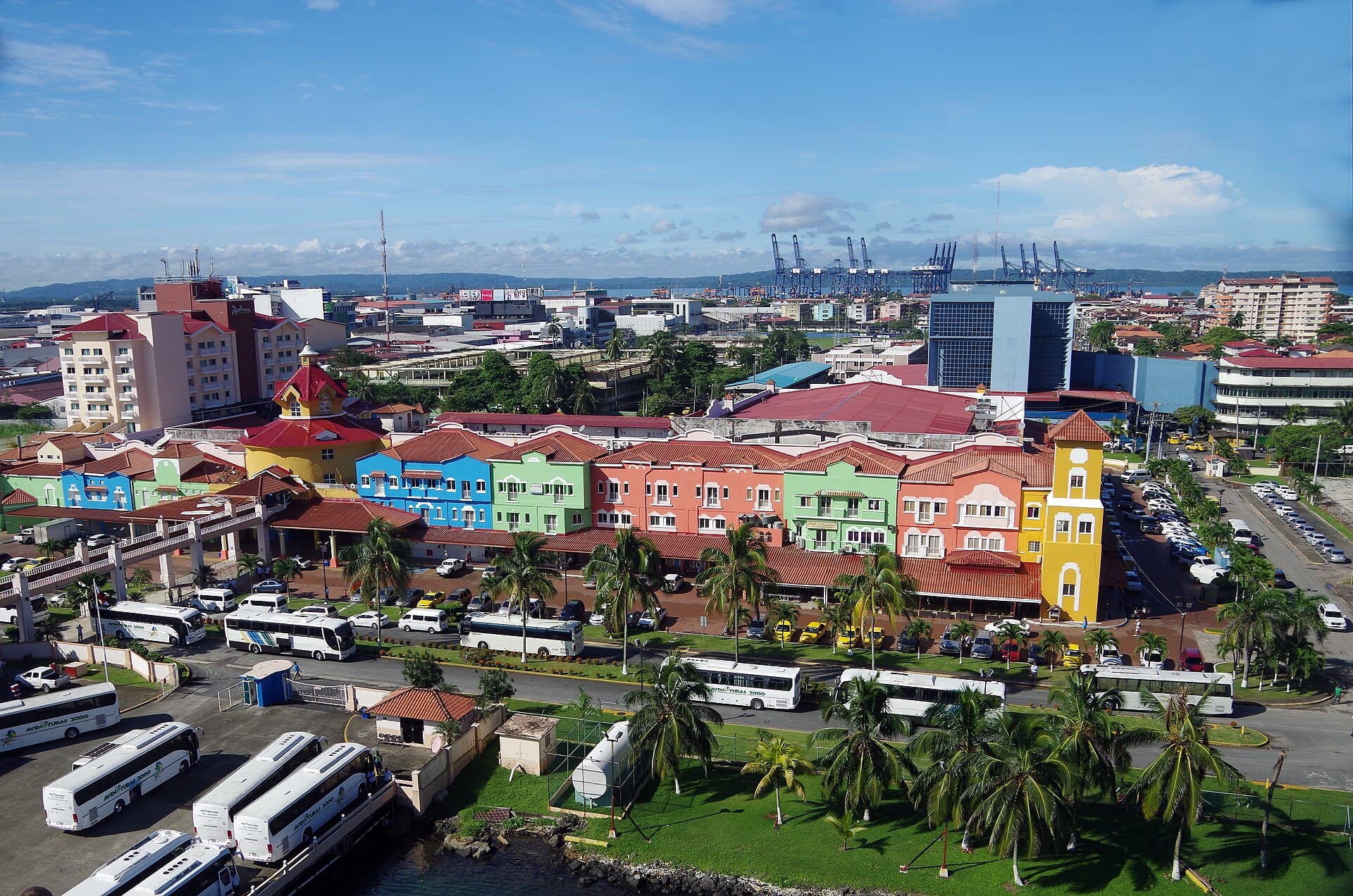 Balou46 / CC BY-SA 4.0, via Wikimedia Commons
Tour de audio autoguiado de Colón — ruta GPS a pie, reproducción offline, narración en 32 idiomas.
“Donde los ritmos caribeños se encuentran con la monumental historia del canal.”
No las postales. Las historias que ni los locales conocen — al oído, justo donde ocurrieron.
La designación de la ciudad desató un desacuerdo transatlántico.
Durante décadas, llegar a Colón desde el resto de Panamá era una tarea estrechamente vigilada.
Un histórico cementerio cerca de Colón contiene más que solo tumbas; es un testimonio de ambición global y un llamado a la preservación.
Descubre todos los secretos de Colón
Cada dirección, cada revelación al completo — a tu oído, justo donde ocurrió.
Eliges tus paradas. Caminas. La voz te revela lo que los demás ignoran.


Tu tour de audioguía por Colón te espera — elige tus lugares, tu idioma y empieza al llegar.
ComprarColón, Panamá, se encuentra en la entrada caribeña del monumental Canal de Panamá, una ciudad con una historia fascinante entrelazada con el comercio global y la migración. Establecida en 1850 como el término atlántico del Ferrocarril de Panamá, rápidamente se convirtió en un cruce vital para aquellos que buscaban paso entre los océanos Atlántico y Pacífico, especialmente durante la Fiebre del Oro de California.
Hoy, Colón sirve como capital de su provincia homónima y es reconocida como el hogar de la Zona Libre de Colón, el puerto franco más grande de América. Este enérgico centro comercial, junto con las cercanas Esclusas de Agua Clara y el histórico Fuerte San Lorenzo, ofrece una ventana a la perdurable importancia estratégica de la región. La distintiva cultura afrocaribeña de la ciudad, resultado de siglos de migración e influencia, otorga un carácter particular a sus avenidas, música y gastronomía.
## Una Ciudad Forjada por el Oro y el Hierro Los orígenes de Colón están directamente vinculados a la Fiebre del Oro de California. En 1850, la Compañía del Ferrocarril de Panamá, con sede en Nueva York, la estableció como la terminal atlántica para su ambicioso ferrocarril transístmico. Este ferrocarril proporcionó un atajo crucial para viajeros y mercancías que se movían entre el este de Estados Unidos y California, evitando el largo y peligroso viaje marítimo alrededor de Sudamérica. La ciudad fue construida inicialmente en la pantanosa Isla Manzanillo, que posteriormente fue conectada al continente y drenada para acomodar su infraestructura en expansión.
## Una Narrativa de Dos Nombres y Fronteras Cambiantes Durante muchos años, la ciudad mantuvo una doble identidad. La comunidad de emigrantes estadounidenses la llamaba Aspinwall, en honor al promotor del Ferrocarril de Panamá, William Henry Aspinwall, mientras que la comunidad hispana se refería firmemente a ella como Colón, en homenaje a Cristóbal Colón. Después de que Panamá lograra su independencia en 1903, Colón se convirtió en el nombre oficial. La construcción y apertura del Canal de Panamá en 1914 transformaron profundamente la geografía y el estatus político de Colón. La ciudad se encontró virtualmente rodeada por la Zona del Canal de Panamá, administrada por EE. UU., convirtiéndose en un enclave. No fue hasta el Tratado Hull-Alfaro de 1936 que un estrecho 'Corredor de Colón' fue cedido a Panamá, creando una conexión terrestre con el resto del país, aunque el acceso a veces todavía era regulado por las autoridades de la Zona del Canal, lo que generaba tensiones nacionalistas.
## Resiliencia a Través de las Llamas y el Renacimiento Colón ha enfrentado su cuota de dificultades, incluyendo varios incendios devastadores. Grandes conflagraciones en 1885 (a menudo llamado el Incendio de Colón), 1915 y 1940 afectaron significativamente la ciudad. A pesar de estas adversidades, Colón ha perdurado. En 1948, se estableció la Zona Libre de Colón, convirtiéndose en una piedra angular de la economía panameña y un importante centro de comercio internacional. El casco histórico de la ciudad, con su singular mezcla de arquitectura neogótica, neoclásica y art déco, refleja sus diversas influencias culturales y su desarrollo a lo largo de un siglo. Aunque enfrenta desafíos continuos, los programas de renovación urbana han tenido como objetivo rejuvenecer su corazón histórico, reconociendo su importancia como testimonio del comercio y las comunicaciones globales.
Colón presenta una mezcla de sitios históricos, actividad comercial y esplendor natural. Comience su exploración en el Centro de Visitantes de las Esclusas de Agua Clara, donde podrá observar de primera mano la impresionante expansión del Canal de Panamá y ver cómo los colosales barcos atraviesan las nuevas esclusas. A poca distancia en coche se encuentran las ruinas del Fuerte San Lorenzo, un sitio declarado Patrimonio de la Humanidad por la UNESCO que data de 1595, que ofrece amplias vistas del río Chagres y el mar Caribe, envuelto por el verde Parque Nacional San Lorenzo.
Dentro de la ciudad, explore el centro histórico con su arquitectura distintiva, que muestra estilos neogótico, neoclásico y art déco. Pasee por el Parque Centenario (también conocido como Paseo Juan Demóstenes Arosemena), un parque bordeado de palmeras con bancos ideales para un momento de reposo y aire fresco caribeño. La Catedral de la Inmaculada Concepción, una iglesia de estilo gótico, se erige como otro notable punto de referencia en el corazón de la ciudad. Para una experiencia de compras distintiva, la Zona Libre de Colón es el puerto franco más grande de América, atrayendo a empresas internacionales y ofreciendo una amplia gama de productos. Fuera de la ciudad, considere una visita al Parque Nacional Portobelo para disfrutar de exquisitas playas y fortificaciones históricas. También puede embarcarse en excursiones por la naturaleza al Lago Gatún o a la Reserva Forestal de Gamboa para observar la vida silvestre, incluyendo monos y perezosos.
La época más favorable para visitar Colón, y Panamá en general, es durante la estación seca, que se extiende desde mediados de diciembre hasta abril. Durante estos meses, experimentará temperaturas agradables, menos lluvias y abundante sol, ideal para actividades al aire libre y para explorar la ciudad y sus atractivos naturales circundantes. Las temperaturas en Colón suelen oscilar entre 25°C y 30°C durante todo el año. La estación húmeda, de mayo a noviembre, trae lluvias vespertinas más frecuentes y mayor humedad, aunque las mañanas suelen ser soleadas. Las temporadas intermedias a principios de diciembre y finales de abril también pueden ofrecer un clima agradable con menos multitudes.
Si bien Colón es una ciudad de considerable importancia histórica y comercial, es esencial tener en cuenta las consideraciones de seguridad. Algunas agencias gubernamentales recomiendan extremar las precauciones debido a la delincuencia, particularmente fuera de las áreas de excursiones organizadas y las zonas de cruceros. El hurto menor es una preocupación, y se han reportado acercamientos agresivos de individuos que ofrecen servicios de guía turístico no solicitados. Generalmente se aconseja a los pasajeros de cruceros optar por excursiones organizadas o taxis directamente desde el puerto en lugar de caminar por el centro de la ciudad de forma independiente. Si conduce, tenga en cuenta que la autopista Ciudad de Panamá-Colón puede ser particularmente peligrosa, y las carreteras rurales a menudo están mal mantenidas e iluminadas. La moneda local es el Balboa panameño, que está vinculado al dólar estadounidense, y los dólares estadounidenses son ampliamente aceptados. El español es el idioma oficial, pero debido a su herencia afrocaribeña y conexiones históricas, es posible que encuentre hablantes de inglés, particularmente aquellos de ascendencia caribeña.
Colón en coreano, en chino o en hebreo — y 29 idiomas más, cada parada narrada por una voz nativa. La mayor variedad de idiomas de cualquier audioguía autoguiada.
Disponible en: