Isla Iguana
Off the coast of Pedasí, an island sanctuary holds a surprising past, once a target for military exercises.
Full story unlocks in the tour
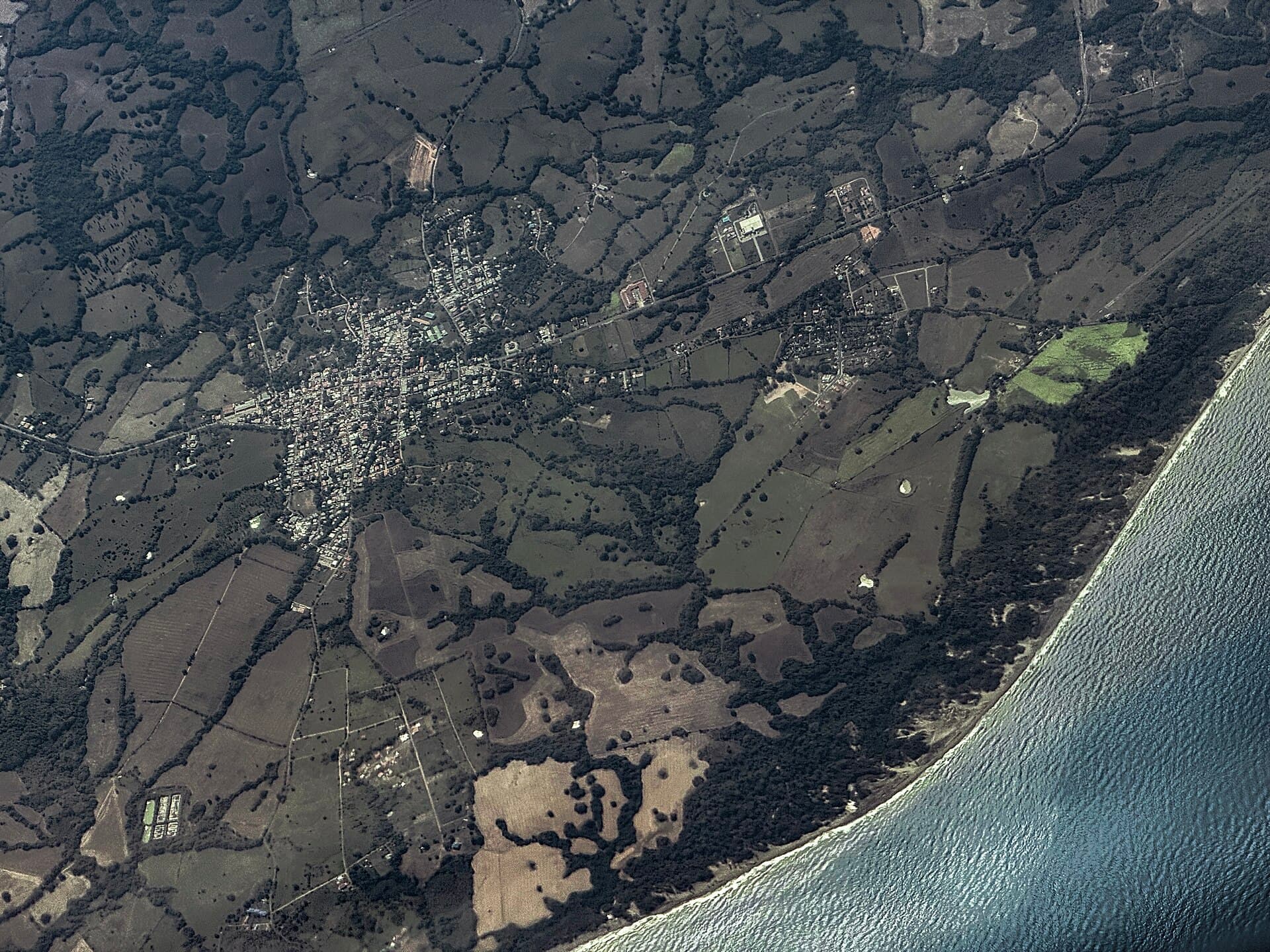 WMrapids / CC0, via Wikimedia Commons
Self-guided audio walking tour of Pedasí — GPS route, offline playback, story-driven narration in 32 languages.
“Where the Pacific murmurs and ancient traditions endure.”
Not the postcards. The stories even locals don't know — whispered in your ear, right where they happened.
Off the coast of Pedasí, an island sanctuary holds a surprising past, once a target for military exercises.
The colorful, well-kept appearance of Pedasí reflects not only local pride but also a legacy from an unexpected source.
A world-renowned surf spot, just a short drive away, had humble beginnings that might surprise you.
Discover every secret of Pedasí
Every address, every reveal in full — in your ear, right where it happened.
You pick your stops. You walk. The voice reveals what the others miss.
Your self-guided audio tour of Pedasí is ready — pick your landmarks, choose your language, and start the moment you arrive.
BuyLume has a built-in augmented-reality guide. Hold your phone up and its camera shows the street ahead of you, with a glowing arrow laid over the real view that always points to your next stop — no map to puzzle over, no wrong turns. Like everything in Lume, it works fully offline.
Pedasí, a small town on the southeastern tip of Panama's Azuero Peninsula, offers a tranquil escape from the country's bustling urban centers. Known for its relaxed atmosphere and genuine Panamanian character, it's a place where the rhythm of life slows to the sway of palm trees and the ebb and flow of the Pacific tide. The town itself is compact and walkable, with colorful colonial-style buildings and a central plaza where locals gather, creating a welcoming, community-focused environment.
Beyond the appealing streets, Pedasí serves as a gateway to untouched beaches, world-class sport fishing, and abundant wildlife. It's a destination that appeals to those seeking authentic experiences, whether exploring protected islands, riding waves, or simply enjoying fresh seafood by the ocean. The blend of natural beauty, traditional culture, and a supportive community of locals and expats makes Pedasí a unique corner of Panama that reveals its quiet magic over time.
The district of Pedasí was established in 1840, a time when Panama was still loosely connected with Colombia. It was initially part of the County of Los Santos, which is now the Los Santos Province. The population of Pedasí in 1845 was a modest 701 inhabitants, with the land primarily utilized for cattle farming, and the cultivation of crops like sorghum, corn, cantaloupe, rice, and watermelon. Coastal villages supported a small fishing industry, a tradition that continues to be a cornerstone of the local economy.
During the Spanish colonial era, much of the Azuero Peninsula's dry tropical forest, once a significant ecosystem, underwent heavy deforestation to make way for cattle pastures. This left many of the hills and lowlands denuded, a stark contrast to the dense rainforests found in other parts of Panama. Today, efforts are being made to restore some of these vital dry forest areas, with around 70 hectares remaining intact near the Achotines Laboratory and another 50 hectares undergoing restoration.
Pedasí gained significant attention and development thanks to one of its most famous natives, Mireya Moscoso, who served as Panama's first female president from 1999 to 2004. Her contributions during her presidency were instrumental in improving the town's infrastructure, leading to the well-maintained and brightly painted appearance seen today. This legacy has helped transform Pedasí from a sleepy fishing village into a recognized and authentic travel destination, while still preserving its traditional character.
Throughout its history, Pedasí has maintained a strong connection to its cultural roots. The town is known for its lively annual carnivals and traditional festivals, where women don polleras (traditional costumes) and men wear traditional sandals and black and white hats. The central square remains a focal point for community life, reflecting the town's enduring colonial architectural influences.
Begin your exploration in Pedasí's central plaza, an appealing hub where locals gather and colonial buildings stand well-preserved. From here, you can stroll through the town's clean, colorful streets, soaking in the laid-back atmosphere.
A recommended activity is a boat trip to Isla Iguana Wildlife Refuge, a short ride from Playa El Arenal. This protected island offers white-sand beaches, clear waters, and one of Panama's largest coral reefs, ideal for snorkeling and diving. Keep an eye out for black iguanas, the island's namesake, and a multitude of bird species, including magnificent frigatebirds. Between June and November, you might even spot migrating humpback whales.
For surf enthusiasts, Playa Venao, about 30 minutes away, offers consistent waves for all skill levels. If you prefer calmer waters, Pedasí's nearby beaches provide serene spots for swimming and relaxation.
Do not miss the local fish market for fresh catches daily, or explore artisan shops for handmade crafts. For a glimpse into local history, visit the Mireya Moscoso Museum in the town square, dedicated to Panama's first female president, a Pedasí native.
The best time to visit Pedasí is during the dry season, which runs from mid-December to mid-April. This period offers abundant sunshine, minimal rainfall, and comfortable temperatures averaging between 75°F and 91°F, making it ideal for beach activities, exploring islands, and outdoor adventures.
The wet season, from May to November, brings more frequent afternoon showers and higher humidity, though mornings are often clear. While surfing peaks during these months, rougher seas can limit swimming and boat trips. Whale watching season, however, runs from July to October, offering a chance to see humpback whales.
Pedasí is accessible by road, approximately a five-hour drive from Panama City on well-maintained roads. You can rent a car, hire a private driver, or take a bus. There's also a small airport, Captain Justiniano Montenegro Airport (PDM), with domestic flights to Panama City (PAC) via Euroairlines, typically taking about 40 minutes.
The local currency is the US Dollar, and Spanish is the official language, though you'll find English spoken in many tourist-oriented establishments. Pedasí is known for its low crime rates and strong sense of community, making it a safe destination.
The town has basic amenities, including a few small grocery stores, banks, gas stations, and a recently opened Minsa-Capsi hospital offering most services. For more specialized medical needs, larger towns like Las Tablas (30 minutes) or Chitré (one hour) are accessible.
Pedasí in Korean, in Chinese or in Hebrew — and 29 more languages, every stop narrated by a native voice. The widest language range of any self-guided audio tour.
Available in: