Ponte Vecchio
Claude Monet n'a pas seulement visité Dolceacqua ; il a été complètement captivé, revenant peindre le même pont emblématique à plusieurs reprises.
L'histoire complète se débloque dans le tour
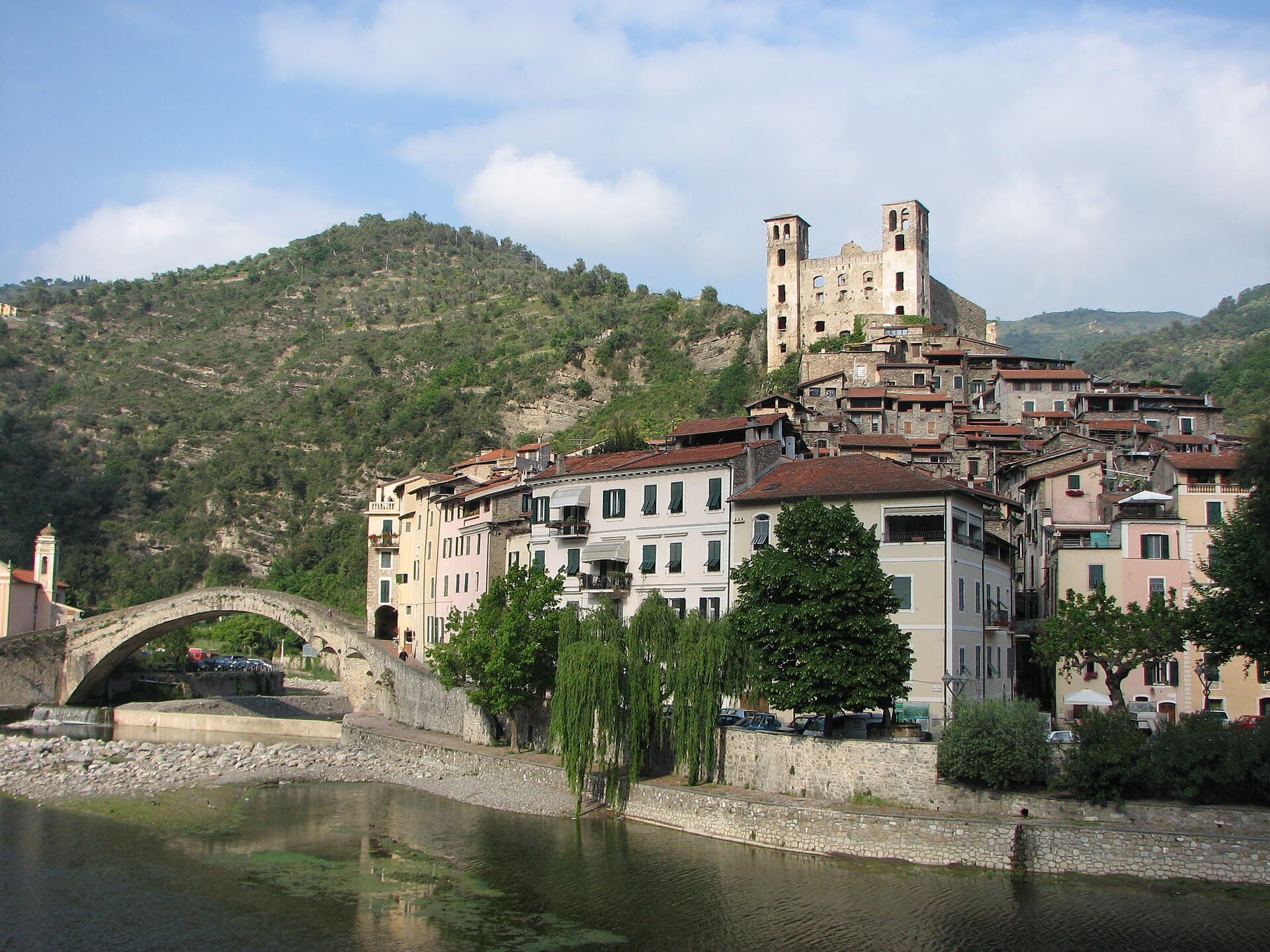 Dongio / Public domain, via Wikimedia Commons
Visite audio autoguidée de Dolceacqua — parcours GPS à pied, lecture hors ligne, narration en 32 langues.
“Là où un pont médiéval reflète le regard de Monet et des pierres ancestrales bercent des histoires oubliées.”
Pas les cartes postales. Les histoires que même les habitants ignorent — soufflées à l'oreille, là où elles se sont passées.
Claude Monet n'a pas seulement visité Dolceacqua ; il a été complètement captivé, revenant peindre le même pont emblématique à plusieurs reprises.
Sous l'imposant château Doria, des rumeurs locales parlent d'un passage secret, une voie d'évasion des siècles passés.
La douce pâtisserie briochée de Dolceacqua, la « Michetta », a une origine provocante et osée, liée à une rébellion médiévale.
Découvrez tous les secrets de Dolceacqua
Chaque adresse, chaque révélation en entier — dans ton oreille, là où elle s'est passée.
Tu choisis tes lieux. Tu marches. La voix te révèle ce que les autres ignorent.

Lume intègre un guide en réalité augmentée. Levez votre téléphone : sa caméra montre la rue devant vous, avec une flèche lumineuse posée sur l'image réelle qui pointe toujours vers votre prochain arrêt — aucune carte à déchiffrer, aucun mauvais virage. Comme tout dans Lume, ça fonctionne entièrement hors-ligne.
Dolceacqua, un village médiéval de l'arrière-pays ligure, offre un voyage dans le temps, captivant les visiteurs par son architecture ancienne préservée et son atmosphère sereine. Divisé par la rivière Nervia, le village comprend le quartier plus ancien de « Terra », accroché à la colline sous le château Doria, et le « Borgo » du XIXe siècle sur la rive opposée. Les deux sont célèbrement reliés par le Ponte Vecchio, un pont de pierre du XVe siècle qui a tellement enchanté le peintre Claude Monet en 1884 qu'il l'a décrit comme une « légèreté d'esprit ».
Reconnu par le Pavillon Orange du Touring Club Italien et classé parmi « Les Plus Beaux Villages d'Italie », Dolceacqua est un témoignage de l'authentique patrimoine ligure. Ses « caruggi » sinueux et étroits – ruelles de pierre, arches et passages couverts – créent un charme labyrinthique, menant vers l'imposant château Doria. Au-delà de son attrait visuel, Dolceacqua est un lieu pour découvrir le rythme d'une région, goûter son vin Rossese et son huile d'olive uniques, et révéler des couches d'histoire sans les foules des destinations italiennes plus fréquentées.
À une courte distance en voiture de la frontière française, Dolceacqua offre une expérience plus lente et plus profonde, invitant à l'exploration de ses ateliers d'artisans, de ses caves à vin tranquilles et de ses vues imprenables sur la vallée de la Nervia. C'est une destination où le passé est vivant, offrant un véritable sentiment de découverte à ceux qui s'aventurent au-delà de la côte.
Les origines de Dolceacqua remontent à l'époque romaine, son nom dérivant probablement de « Dulcius », un propriétaire terrien local. La première mention documentée d'un établissement ici apparaît en 1151, lorsque les comtes de Vintimille commencèrent à construire un château stratégiquement positionné surplombant la vallée de la Nervia. Cette forteresse fut construite pour défendre la vallée, et les gens du commun y construisirent rapidement leurs maisons pour leur sécurité.
En 1270, Oberto Doria, un puissant capitaine génois, acheta le château, marquant le début de la domination de la famille Doria sur Dolceacqua pendant près de 300 ans. Le clan Doria étendit son influence dans toute la vallée de la Nervia, englobant les villages voisins comme Perinaldo, Apricale et Isolabona. Pendant les conflits entre les factions guelfes et gibelines, Dolceacqua resta fidèle aux gibelins, s'opposant souvent aux guelfes de Vintimille et de Monaco. La famille Doria transforma le château en une forteresse militaire sophistiquée, avec tours et douves, puis en une résidence Renaissance plus confortable.
La position stratégique de Dolceacqua en fit un territoire disputé. La ville fut partiellement détruite pendant la guerre de Succession d'Autriche il y a environ 250 ans par les soldats français et espagnols. Une nouvelle dévastation survint en 1887 lorsqu'un fort tremblement de terre endommagea gravement le château. Malgré ces revers, le village continua d'évoluer. Au milieu du XVe siècle, alors que le quartier plus ancien de « Terra » atteignait ses limites d'expansion, le quartier du « Borgo » commença à se développer sur la rive opposée de la rivière Nervia. Pour relier ces deux parties, l'emblématique Ponte Vecchio, un pont de pierre à arche unique, fut construit.
Ce même pont et le château captivèrent le peintre impressionniste Claude Monet en 1884. Il passa un hiver sur la Riviera italienne, peignant plusieurs scènes de Dolceacqua et décrivant célèbrement le pont comme une « légèreté d'esprit ». Ses interprétations artistiques immortalisèrent la beauté intemporelle du village, une beauté qui reste remarquablement préservée aujourd'hui. Le château Doria, bien que jamais entièrement reconstruit à sa gloire passée après le tremblement de terre, accueille désormais des événements culturels et des expositions, permettant aux visiteurs d'explorer ses murs anciens et de profiter de vues imprenables.
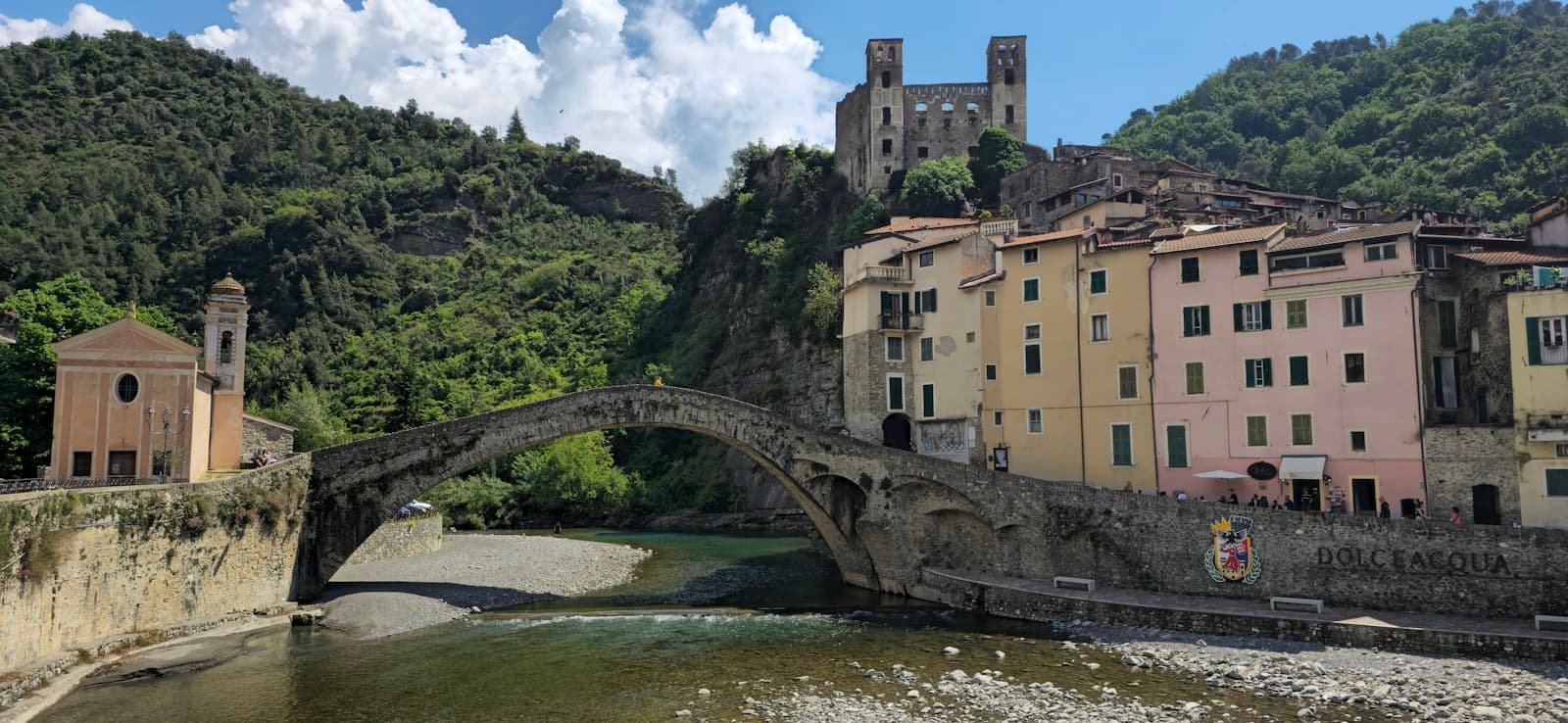
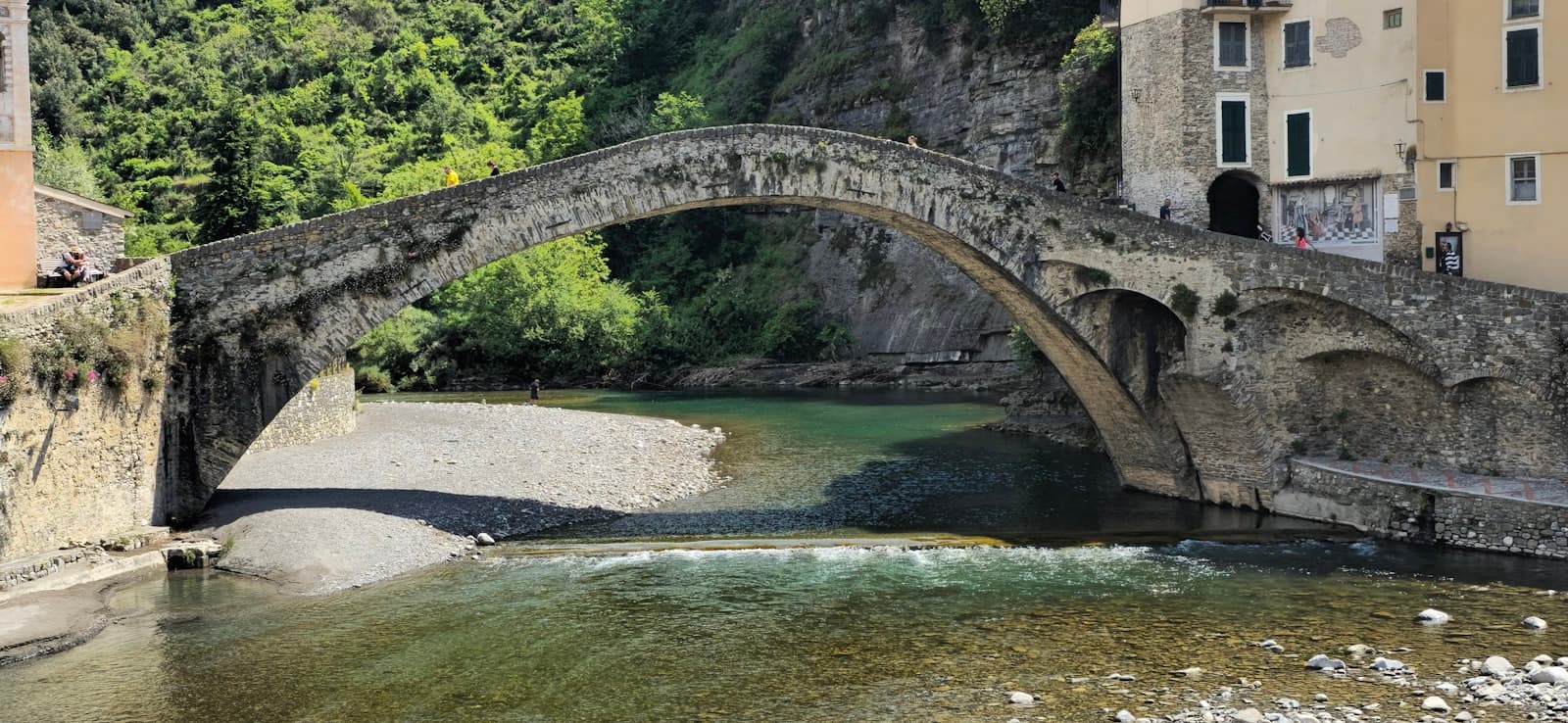
Commencez votre exploration au Ponte Vecchio, l'élégant pont de pierre du XVe siècle qui enjambe la rivière Nervia. Prenez un moment pour apprécier son arche unique en « dos d'âne », une merveille d'ingénierie médiévale, et imaginez Claude Monet à son chevalet, capturant cette même vue.
Traversez le pont pour entrer dans Terra, la partie la plus ancienne de Dolceacqua. Ce quartier labyrinthique est un fascinant dédale de « caruggi » étroits et sinueux – ruelles de pierre, escaliers et passages couverts qui mènent vers le haut. Explorez les ateliers d'artisans et les petites boutiques au sein de ces murs anciens.
Montez à travers Terra jusqu'au Château Doria, qui se dresse majestueusement au-dessus du village. Promenez-vous dans ses ruines antiques, qui accueillent désormais des expositions culturelles, et imprégnez-vous des vues vastes et imprenables sur la vallée de la Nervia et les toits en terre cuite en contrebas.
Visitez l'Église Paroissiale de Sant'Antonio Abate, située près de la rivière dans le quartier du « Borgo ». Cette église du XVe siècle, rénovée dans le style baroque, offre un intérieur richement décoré qui mérite d'être exploré.
Laissez-vous tenter par les saveurs locales en dégustant le vin Rossese di Dolceacqua DOC, un vin rouge rubis unique produit uniquement dans cette région. De nombreux bars et restaurants locaux proposent des dégustations, et certains vignobles proposent des visites pendant la haute saison. N'oubliez pas de goûter la pâtisserie locale Michetta, surtout si vous visitez vers le 16 août lors de sa fête annuelle.
Pour une perspective différente, faites une courte promenade le long de la rivière depuis le pont pour capturer la vue emblématique de Dolceacqua, avec le pont et le château dominant l'horizon.
Les meilleurs moments pour visiter Dolceacqua sont le printemps (avril, mai) et l'automne (septembre, octobre). Ces mois offrent un temps doux et agréable, idéal pour explorer les rues sinueuses du village et profiter d'activités de plein air comme la randonnée et le cyclisme. Les foules sont également généralement moins nombreuses qu'en haute saison estivale. Bien que Dolceacqua soit accessible toute l'année, évitez le mois d'août à midi lorsque les températures peuvent être très chaudes et humides. Sachez également que certains restaurants peuvent avoir des horaires limités le dimanche et le lundi, et la saison de la récolte des olives (octobre-décembre) pourrait signifier que les producteurs locaux sont occupés.
Dolceacqua est facilement accessible, bien qu'une voiture soit recommandée pour explorer l'arrière-pays ligure. Si vous arrivez en voiture, prenez la sortie Ventimiglia ou Bordighera de l'autoroute A10 et suivez les panneaux pour Val Nervia/Dolceacqua. Le stationnement demande une certaine anticipation, surtout en haute saison. Pour les transports en commun, prenez un train jusqu'à Ventimiglia, la gare la plus proche, puis prenez la ligne de bus 7 jusqu'à Dolceacqua (environ 10-20 minutes de trajet).
Le village lui-même se visite mieux à pied. Portez des chaussures confortables, car les « caruggi » sont pavés et souvent raides. Bien que de nombreux restaurants soient ouverts toute l'année, certains peuvent avoir des horaires d'ouverture saisonniers. Vous trouverez un éventail de bars, cafés et restaurants proposant des spécialités locales à des prix raisonnables. De petites épiceries et un magasin bio sont disponibles à Dolceacqua, avec des supermarchés plus grands à une courte distance en voiture à Camporosso. L'aéroport international de Nice (NCE) est à environ une heure de route.
Dolceacqua en coréen, en chinois ou en hébreu — et dans 29 autres langues, chaque étape narrée par une voix native. La plus large gamme de langues de tous les audioguides autoguidés.
Disponible en :