Hotel Posada del Hidalgo
El apuesto Zorro, un héroe del folclore mexicano, tiene una sorprendente conexión con El Fuerte.
La historia completa se desbloquea en el tour
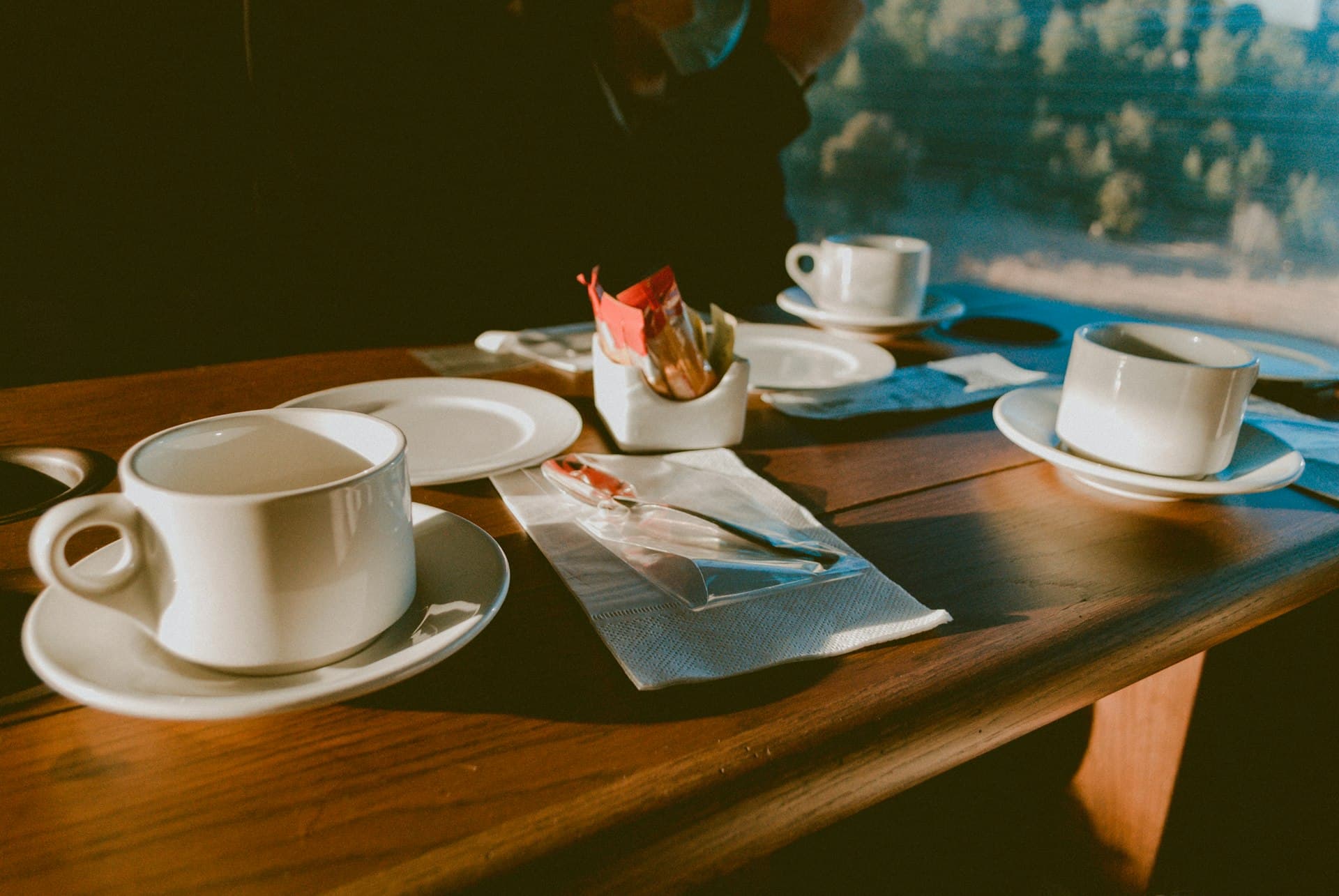 Photo of Creel, via Wikimedia Commons
Tour de audio autoguiado de El Fuerte — ruta GPS a pie, reproducción offline, narración en 32 idiomas.
“Donde las leyendas perduran y los ecos coloniales se encuentran con el río salvaje.”
No las postales. Las historias que ni los locales conocen — al oído, justo donde ocurrieron.
El apuesto Zorro, un héroe del folclore mexicano, tiene una sorprendente conexión con El Fuerte.
Antiguos mensajes están grabados en las rocas cerca del río Fuerte, su significado aún es un misterio.
Más allá de su grandiosa fachada, el ayuntamiento guarda coloridas historias del pasado de El Fuerte.
Descubre todos los secretos de El Fuerte
Cada dirección, cada revelación al completo — a tu oído, justo donde ocurrió.
Eliges tus paradas. Caminas. La voz te revela lo que los demás ignoran.
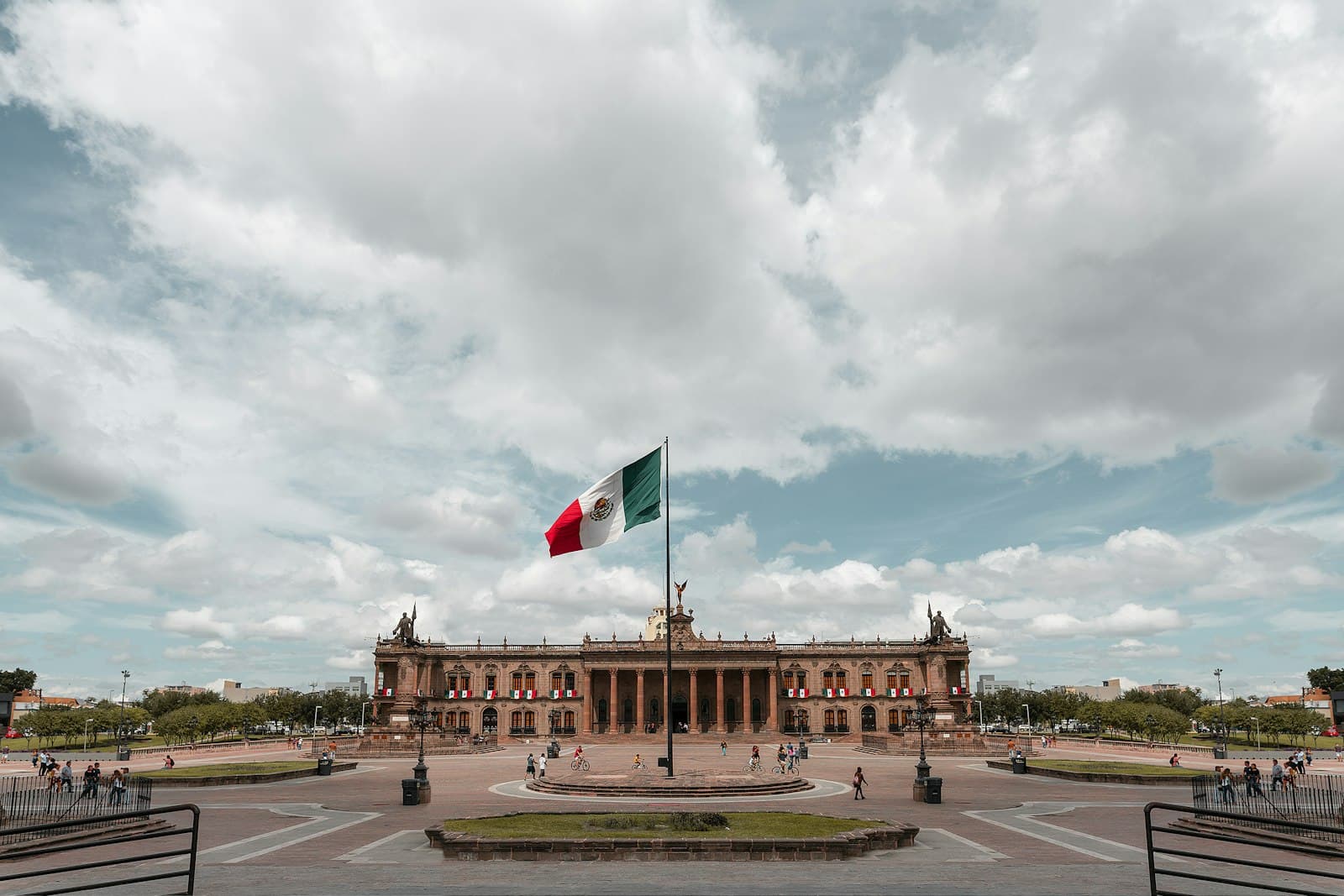
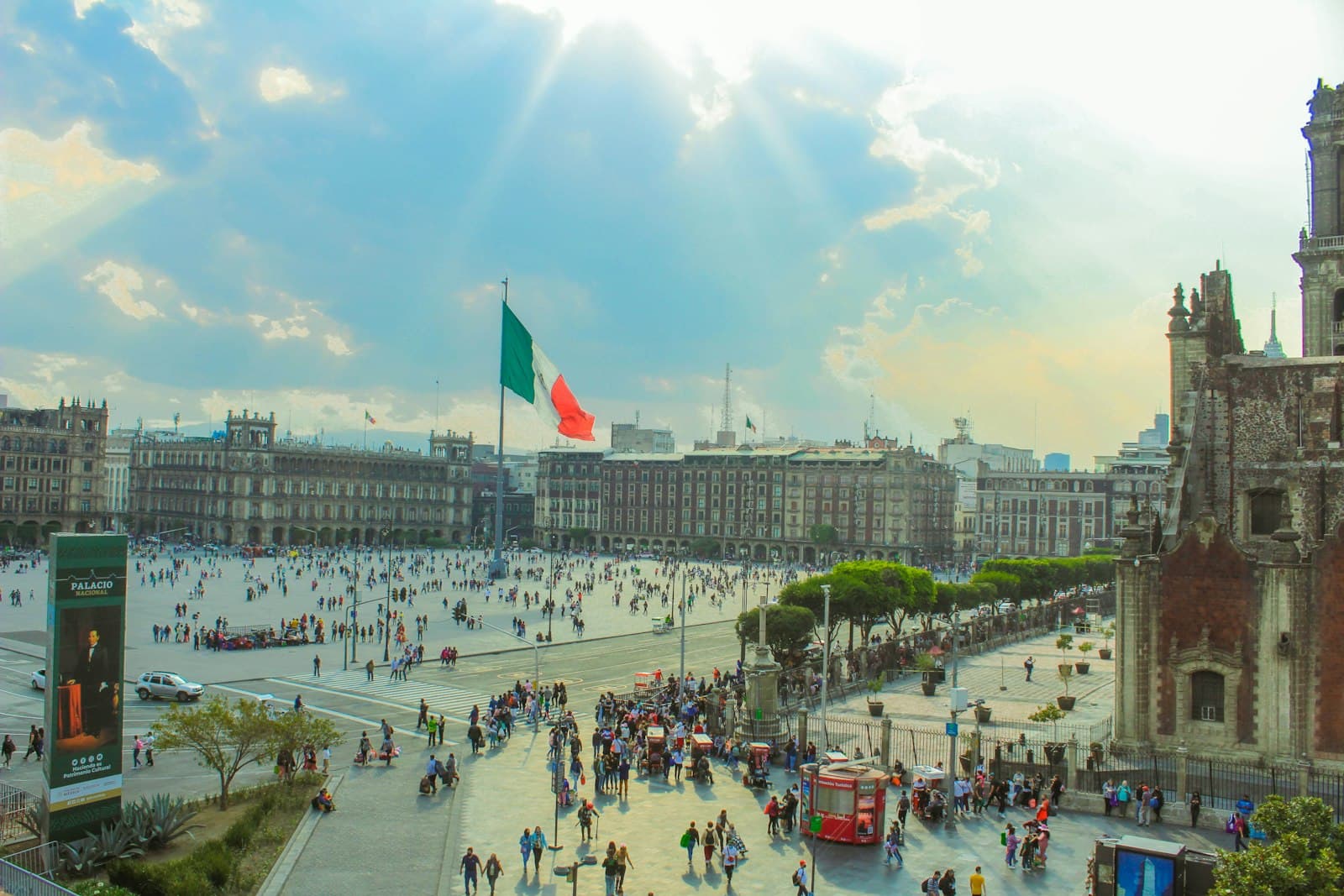
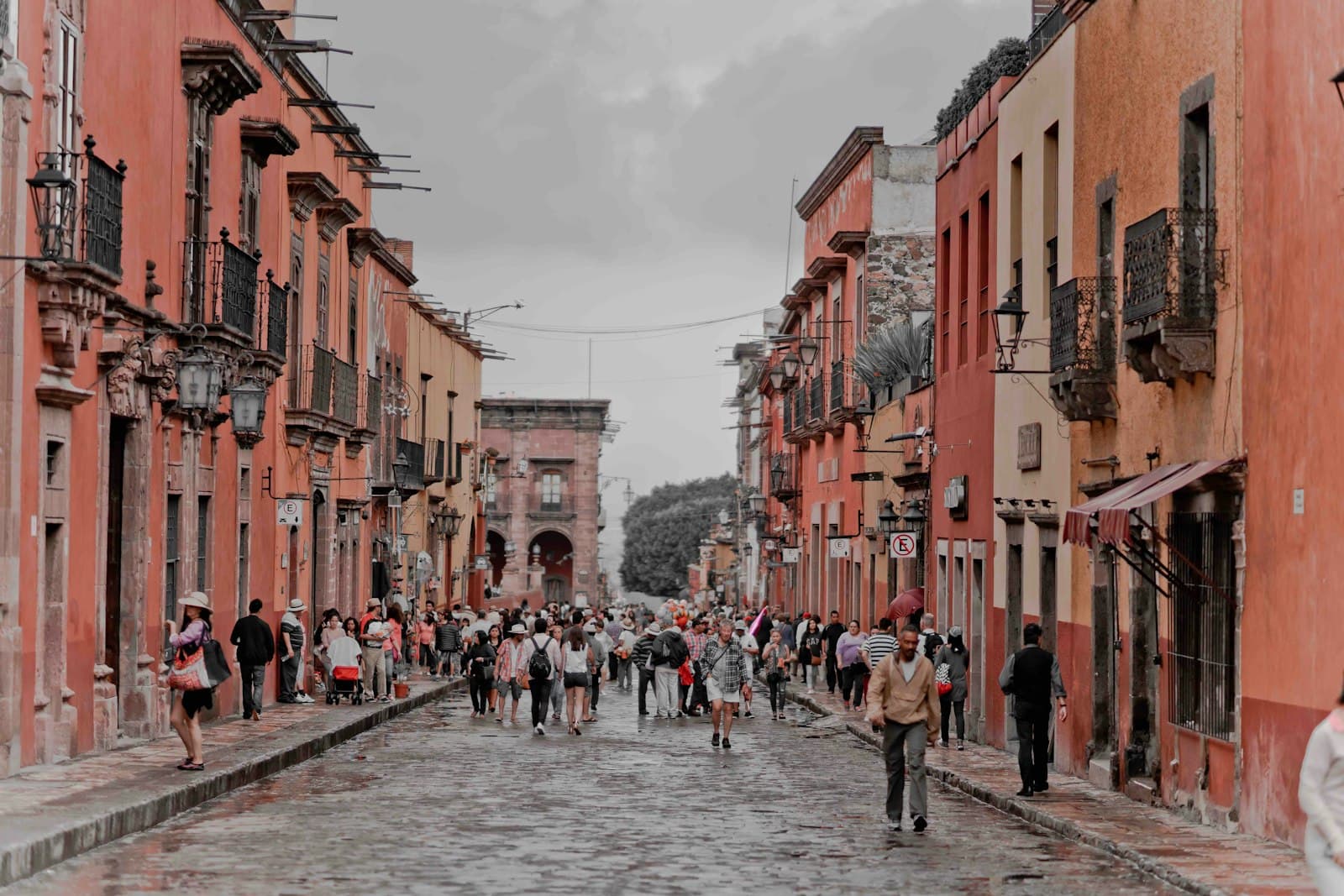
Tu tour de audioguía por El Fuerte te espera — elige tus lugares, tu idioma y empieza al llegar.
ComprarLume incluye una guía de realidad aumentada. Levanta el móvil y su cámara muestra la calle que tienes delante, con una flecha luminosa sobre la imagen real que siempre apunta a tu próxima parada — sin mapas que descifrar, sin giros equivocados. Como todo en Lume, funciona completamente sin conexión.
El Fuerte, un cautivador Pueblo Mágico en el estado mexicano de Sinaloa, ofrece un viaje en el tiempo. Fundada en 1564 por el conquistador español Francisco de Ibarra, esta ciudad colonial es rica en historia y tradición, con arquitectura bellamente conservada y un ambiente relajado de pueblo pequeño. Su nombre, que significa 'el fuerte', deriva de una fortaleza del siglo XVII construida para protegerse de los ataques indígenas y salvaguardar los metales preciosos.
A menudo considerado una puerta de entrada a la dramática Barranca del Cobre, El Fuerte es un destino por derecho propio, invitando a los visitantes a pasear por sus avenidas históricas y descubrir su mezcla única de cultura y belleza natural. Desde su encantadora Plaza de Armas hasta el tranquilo río Fuerte, la ciudad ofrece un entorno pintoresco para la relajación y la exploración. Es un lugar donde las leyendas cobran vida, particularmente la perdurable historia de Zorro, añadiendo una capa de intriga a su ya profundo carácter.
La historia de El Fuerte comienza en 1563 cuando el conquistador español Francisco de Ibarra fundó el asentamiento, inicialmente llamado San Juan Bautista de Carapoa. Los primeros años estuvieron marcados por conflictos, ya que los grupos indígenas locales Zuaque y Tehueco resistieron la intrusión española. Para asegurar el asentamiento y proteger el valioso oro y plata que se extraían en la cercana Barranca del Cobre, se construyó un fuerte, El Fuerte de Montesclaros, entre 1608 y 1610. Este fuerte dio a la ciudad su nombre perdurable.
Durante casi tres siglos, El Fuerte floreció como un centro comercial y agrícola vital en el noroeste de México. Sirvió como un puesto comercial crucial para los mineros de plata y buscadores de oro de las minas de Urique y Batopilas en la Sierra Madre Occidental. La ciudad también actuó como un enlace con las regiones del norte de California, Arizona y Sonora, que entonces eran territorios españoles. Su ubicación estratégica en el río Fuerte, un valle amplio y fértil, aseguró la prosperidad agrícola.
Un período significativo en la historia de El Fuerte llegó en 1824 cuando fue designada capital del recién formado estado mexicano de Sonora y Sinaloa, un vasto territorio que se extendía hasta lo que hoy es Arizona. Esta prominencia política, aunque temporal, dejó su huella en la arquitectura e infraestructura de la ciudad. En 2009, El Fuerte recibió la prestigiosa designación de 'Pueblo Mágico' por parte del gobierno mexicano, reconociendo su importancia histórica, su arquitectura colonial bien conservada y su atractivo carácter de pueblo pequeño. Esta designación ayuda a preservar y celebrar el patrimonio cultural único de la ciudad.
Comience su exploración en la Plaza de Armas, el corazón de El Fuerte, donde podrá admirar edificios de la época colonial, un quiosco de filigrana, fuentes y esculturas de bronce. Justo enfrente de la plaza, el magnífico Palacio Municipal merece una visita por su impresionante exterior de ladrillo, su gran patio interior y sus murales históricos. Cerca, la Iglesia del Sagrado Corazón de Jesús con su torre rosa y blanca se suma al encanto colonial.
Con vistas a la ciudad y al río Fuerte, el Museo El Fuerte es una réplica del fuerte original y ofrece una visión de la historia de la región y las culturas indígenas. Para un toque de leyenda local, visite el Hotel Posada del Hidalgo, que se dice que es el lugar de nacimiento de Zorro, y asista a una representación de Zorro. Un recorrido en barco por el río Fuerte es una excelente manera de pasar el tiempo, permitiéndole observar la vida silvestre local y los exuberantes alrededores. No se pierda los antiguos petroglifos en el Cerro de la Máscara, a poca distancia del centro, que se pueden explorar a través de una visita guiada.
El Fuerte disfruta de un clima desértico tropical, lo que lo hace cálido a caluroso durante todo el año. La época más agradable para visitar es durante la estación seca, de noviembre a abril, cuando las temperaturas máximas diarias promedio oscilan entre 27 y 32 °C (81 y 89 °F) y las noches son más frescas. Si bien la ciudad es atractiva durante todo el año, es mejor evitar los meses más calurosos de junio a agosto, cuando las temperaturas máximas diarias pueden alcanzar los 34 a 40 °C (94 a 103 °F). La temporada de lluvias generalmente se extiende de julio a septiembre, pero la lluvia diaria no es constante. Para actividades al aire libre, considere visitar temprano en la mañana o al final de la tarde para disfrutar de las temperaturas más cómodas.
El Fuerte es una parada popular en la ruta del tren El Chepe, que conecta Chihuahua y Los Mochis. Tenga en cuenta que la estación de tren se encuentra a unos 15 minutos de la ciudad. Muchos hoteles ofrecen servicios de transporte desde y hacia la estación, a menudo con un costo adicional, o puede encontrar taxis compartidos. Si viaja desde Los Mochis, los autobuses son una opción frecuente y asequible, que tarda aproximadamente entre 1.5 y 2 horas. Los autobuses salen del mercado en Benito Juárez en El Fuerte.
Si bien El Fuerte generalmente se considera seguro para los turistas, siempre es aconsejable usar el sentido común, como ser discreto con los objetos de valor y evitar caminar solo por áreas oscuras por la noche. Muchos hoteles están a poca distancia de la Plaza de Armas. Considere quedarse una o dos noches para experimentar plenamente la ciudad y sus atracciones circundantes. Para la comunicación, se recomienda obtener una tarjeta SIM Telcel al llegar a México si su teléfono está desbloqueado.
El Fuerte en coreano, en chino o en hebreo — y 29 idiomas más, cada parada narrada por una voz nativa. La mayor variedad de idiomas de cualquier audioguía autoguiada.
Disponible en: