La météorite d'Esquel
En 1951, un fermier creusant un trou pour un réservoir d'eau a déterré quelque chose d'extraordinaire, bien plus ancien que n'importe quelle roche de Patagonie.
L'histoire complète se débloque dans le tour
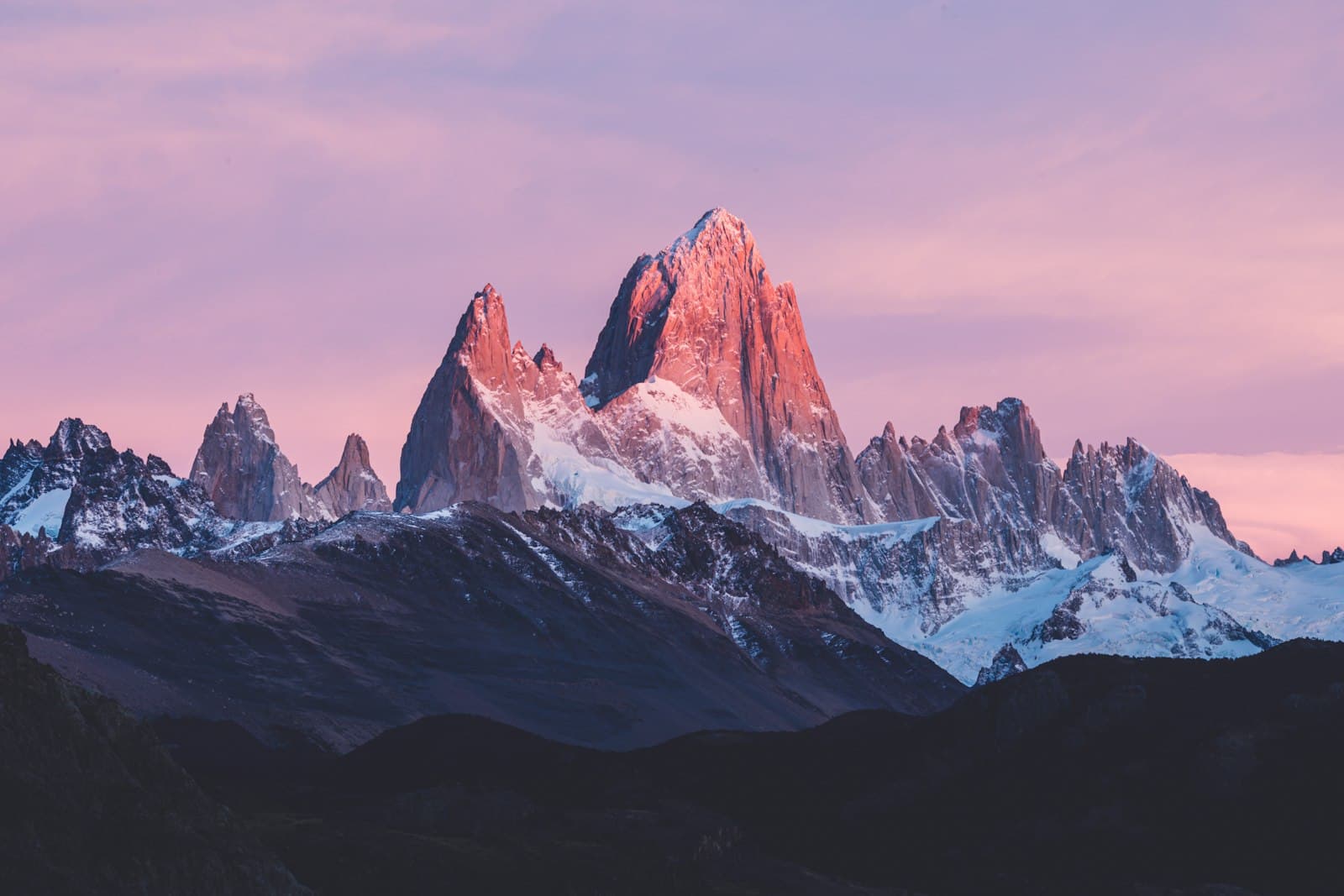 Photo: Andrew Svk / Unsplash
Visite audio autoguidée de Esquel — parcours GPS à pied, lecture hors ligne, narration en 32 langues.
“Là où les Andes rencontrent la steppe, et les échos gallois persistent.”
Pas les cartes postales. Les histoires que même les habitants ignorent — soufflées à l'oreille, là où elles se sont passées.
En 1951, un fermier creusant un trou pour un réservoir d'eau a déterré quelque chose d'extraordinaire, bien plus ancien que n'importe quelle roche de Patagonie.
Le 'Vieil Express de Patagonie' a failli disparaître, mais une décision unique de la communauté locale l'a sauvé de devenir une relique.
Le nom de la ville, Esquel, a une double signification, reflétant à la fois le paysage et une évolution linguistique.
Découvrez tous les secrets de Esquel
Chaque adresse, chaque révélation en entier — dans ton oreille, là où elle s'est passée.
Tu choisis tes lieux. Tu marches. La voix te révèle ce que les autres ignorent.


Votre visite audioguidée de Esquel vous attend — choisissez vos lieux, votre langue, et lancez-vous dès votre arrivée.
AcheterLume intègre un guide en réalité augmentée. Levez votre téléphone : sa caméra montre la rue devant vous, avec une flèche lumineuse posée sur l'image réelle qui pointe toujours vers votre prochain arrêt — aucune carte à déchiffrer, aucun mauvais virage. Comme tout dans Lume, ça fonctionne entièrement hors-ligne.
Esquel, une ville de la province argentine de Chubut, repose au pied des Andes, offrant un mélange de paysages montagneux et de steppe patagonienne. Elle sert de porte d'entrée au Parc National Los Alerces, un site classé au patrimoine mondial de l'UNESCO, connu pour ses forêts d'alerces antiques et ses lacs immaculés. La ville est un centre d'activités de plein air, du ski en hiver à la randonnée et au rafting pendant les mois plus chauds.
Au-delà de son attrait naturel, Esquel possède un héritage culturel distinct, influencé par les colons gallois arrivés en Patagonie à la fin du XIXe et au début du XXe siècle. Ce mélange unique de cultures indigène, galloise et argentine confère à Esquel un caractère qui la distingue. Le rythme de vie détendu de la ville et son accès à la fois à des paysages montagneux spectaculaires et à de vastes plaines ouvertes en font une destination attrayante pour ceux qui recherchent l'aventure et la tranquillité à parts égales.
Le territoire autour d'Esquel était à l'origine habité par des peuples indigènes, notamment les Tehuelche et les Mapuche. L'exploration européenne a commencé dès 1670 avec des expéditions jésuites depuis le Pacifique. Cependant, les efforts de colonisation significatifs dans la région plus large de Chubut ont débuté en 1865 avec l'arrivée d'immigrants gallois. Ces colons, cherchant un 'petit Pays de Galles au-delà du Pays de Galles', se sont étendus vers l'ouest depuis la vallée de Chubut vers des zones fertiles comme la vallée du '16 Octobre' (Colonia 16 de Octubre), où Esquel se développerait plus tard.
La date de fondation officielle d'Esquel est le 25 février 1906, coïncidant avec l'ouverture d'une station télégraphique. Contrairement à de nombreuses colonies établies par décret, Esquel a grandi organiquement autour de ce centre de communication. L'économie précoce était largement basée sur l'élevage ovin et l'agriculture, la laine et la viande étant les principales exportations. Un développement pivot pour la région éloignée a été la construction du chemin de fer à voie étroite, célèbre sous le nom de La Trochita ou 'Vieil Express de Patagonie'. Bien que initialement prévu en 1908 et avec des locomotives acquises en 1922, la ligne de chemin de fer n'a été entièrement achevée qu'en 1945, reliant finalement Esquel au reste du pays et ouvrant de nouvelles opportunités commerciales.
Tout au long du XXe siècle, Esquel a continué de croître, devenant un important centre de services dans les Andes de Chubut. La création du Parc National Los Alerces à proximité en 1937 a jeté les bases du futur écotourisme. Les années 1970 ont vu un développement supplémentaire avec la construction du complexe hydroélectrique de Futaleufú et l'ouverture du centre de ski La Hoya en 1974, transformant Esquel en une station de sports d'hiver populaire. La Trochita, initialement menacée de fermeture, a été réinventée comme une attraction touristique unique et déclarée Monument Historique National en 1998, consolidant son statut d'icône. En 2003, les citoyens d'Esquel ont démontré un fort engagement envers la protection de l'environnement en rejetant massivement un projet minier proposé lors d'un référendum. Plus récemment, en 2017, le Parc National Los Alerces a reçu le statut de site du patrimoine mondial de l'UNESCO, soulignant davantage l'importance naturelle de la région.
Esquel offre un éventail d'attractions, mêlant histoire et aventure en plein air. Un voyage à bord de La Trochita, le Vieil Express de Patagonie, est un moment fort. Ce train à vapeur historique à voie étroite, avec sa voie de 750 mm, offre une promenade nostalgique à travers le paysage patagonien. Bien qu'il ne couvre plus son itinéraire original de 402 km, des services touristiques circulent entre Esquel et Nahuel Pan.
Une autre visite essentielle est le Parc National Los Alerces, un site classé au patrimoine mondial de l'UNESCO, situé à environ 50 km au nord-ouest de la ville. Le parc est célèbre pour ses arbres alerce anciens, certains ayant plus de 2 600 ans, ainsi que pour ses lacs immaculés, ses glaciers et ses forêts denses. Les activités ici incluent la randonnée, les croisières en bateau pour voir le glacier Torrecillas et l'exploration de l'Alerzal Milenario, une forêt de mélèzes anciens.
Pour les amateurs de sports d'hiver, le Centre de ski La Hoya offre d'excellentes conditions pour le ski et le snowboard de juin à septembre. Plus près de la ville, la Réserve Naturelle Urbaine Laguna La Zeta propose des sentiers accessibles pour la randonnée et le VTT, des opportunités d'observation des oiseaux et des vues panoramiques sur la vallée d'Esquel. Vous pouvez également visiter le Cerro La Cruz pour une vue imprenable sur Esquel. Le Musée du Chemin de Fer Patagonien offre un aperçu de la construction et de l'histoire du chemin de fer.
Le meilleur moment pour visiter Esquel dépend de vos activités souhaitées. Pour les activités par temps chaud comme la randonnée, la pêche et l'exploration des parcs nationaux, l'été austral, de décembre à mars, est idéal. Pendant cette période, les températures sont douces, avec des moyennes diurnes d'environ 19-20°C (66-68°F), et les précipitations sont minimes. Gardez à l'esprit que les soirées peuvent encore être fraîches, même en été.
Pour le ski et le snowboard à La Hoya, les mois d'hiver, de juillet à septembre, sont les plus appropriés, car c'est à ce moment que la région reçoit d'importantes chutes de neige. Le printemps et l'automne offrent un temps de transition, avec des journées douces et des nuits plus fraîches, et les paysages se transforment avec des couleurs riches.
Esquel est bien équipée en infrastructures touristiques, y compris des hôtels, des restaurants et des agences de location de voitures. Le centre-ville est accessible à pied, mais une voiture ou des excursions organisées sont recommandées pour atteindre les attractions en dehors de la zone urbaine, telles que le Parc National Los Alerces et La Hoya.
Esquel possède son propre aéroport avec des vols directs vers et depuis Buenos Aires, un voyage d'environ 2,5 heures. Alternativement, vous pouvez prendre un vol pour San Carlos de Bariloche et faire un trajet pittoresque de 3 à 4 heures en bus ou en voiture de location le long de la Route 40. Des services de bus longue distance relient également Esquel à diverses villes d'Argentine et du Chili. Lors de l'emballage, la superposition est essentielle en raison du climat frais de la Patagonie ; même en été, des vêtements chauds sont conseillés pour les soirées. La crème solaire et les lunettes de soleil sont également indispensables en raison du fort soleil patagonien.
Esquel en coréen, en chinois ou en hébreu — et dans 29 autres langues, chaque étape narrée par une voix native. La plus large gamme de langues de tous les audioguides autoguidés.
Disponible en :