Punta Cuevas
Le prime case qui non furono costruite, ma scavate nella terra.
La storia completa si sblocca nel tour
 Banfield / CC BY-SA 2.5 ar, via Wikimedia Commons
Tour audio autoguidato di Puerto Madryn — percorso GPS a piedi, riproduzione offline, narrazione coinvolgente in 32 lingue.
“Dove la steppa patagonica incontra l'Atlantico meridionale e gli echi gallesi persistono.”
Non le cartoline. Le storie che nemmeno i locali conoscono — sussurrate nel tuo orecchio, proprio dove sono accadute.
Le prime case qui non furono costruite, ma scavate nella terra.
Puoi ancora sorseggiare il tè in una città dove il gallese è parlato come lingua viva.
Alcune delle cacce più drammatiche del regno animale si svolgono su queste stesse spiagge.
Scopri ogni segreto di Puerto Madryn
Ogni indirizzo, ogni rivelazione completa — nel tuo orecchio, proprio dove è accaduta.
Scegli le tue tappe. Cammini. La voce rivela ciò che gli altri perdono.
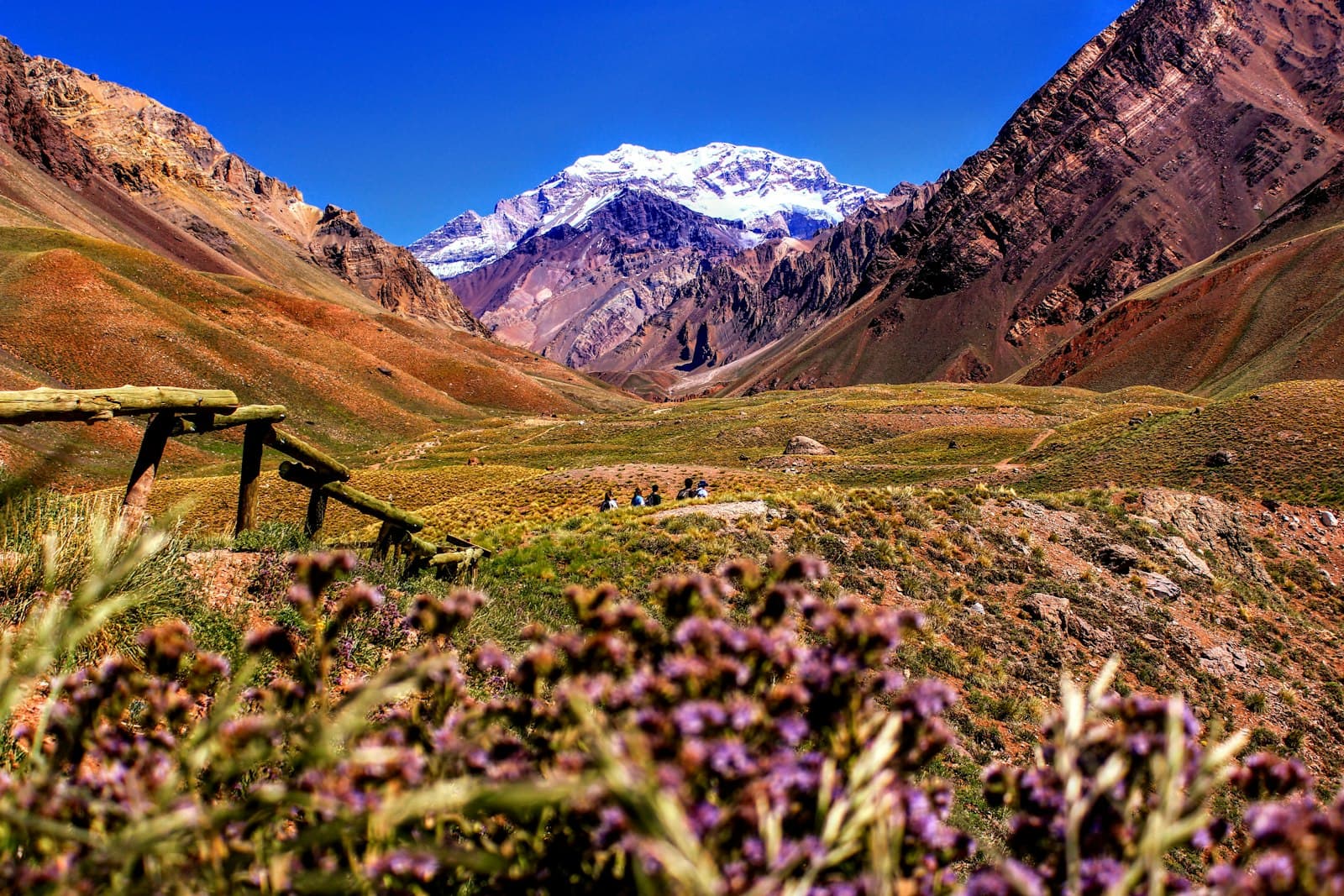
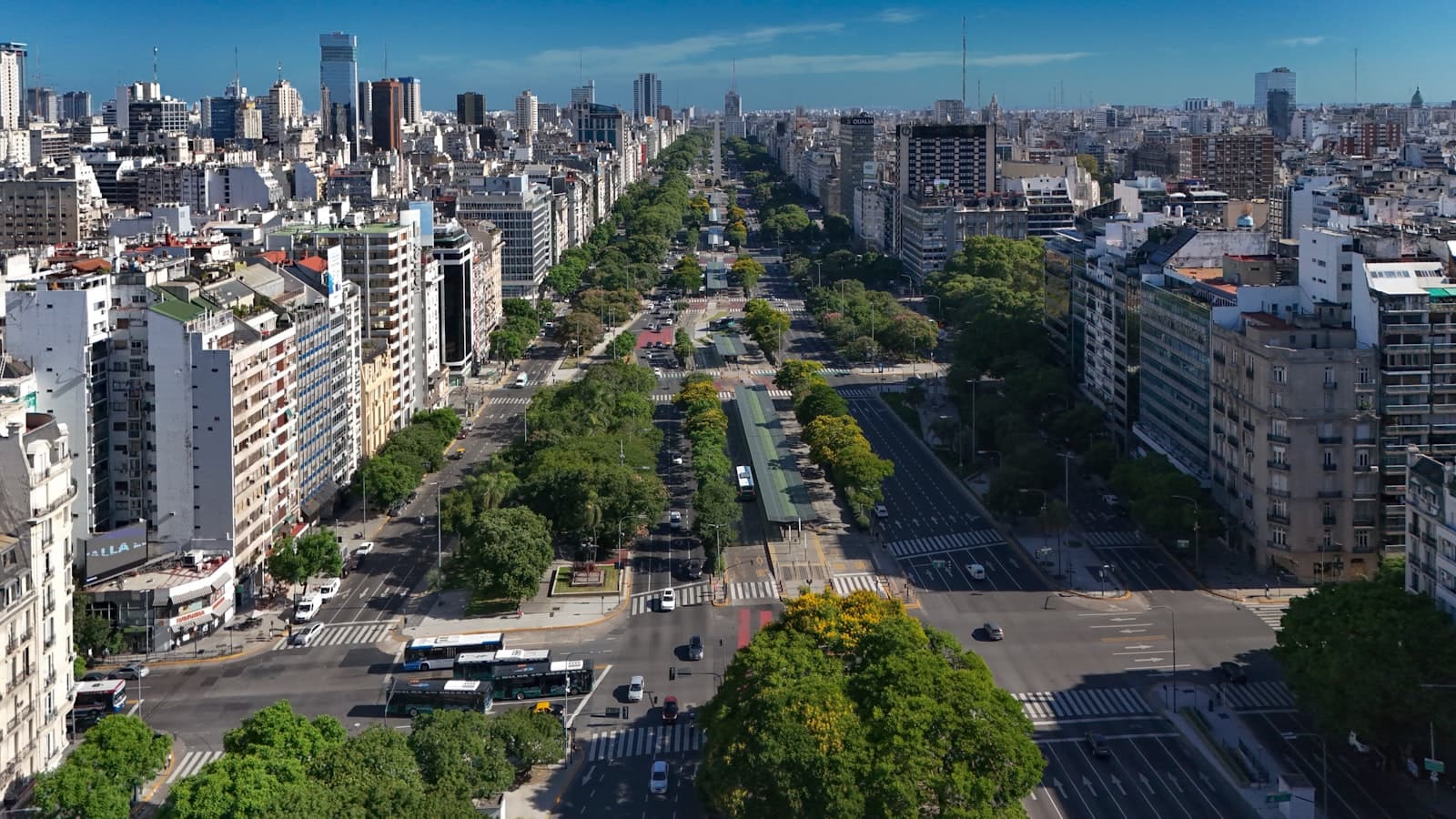
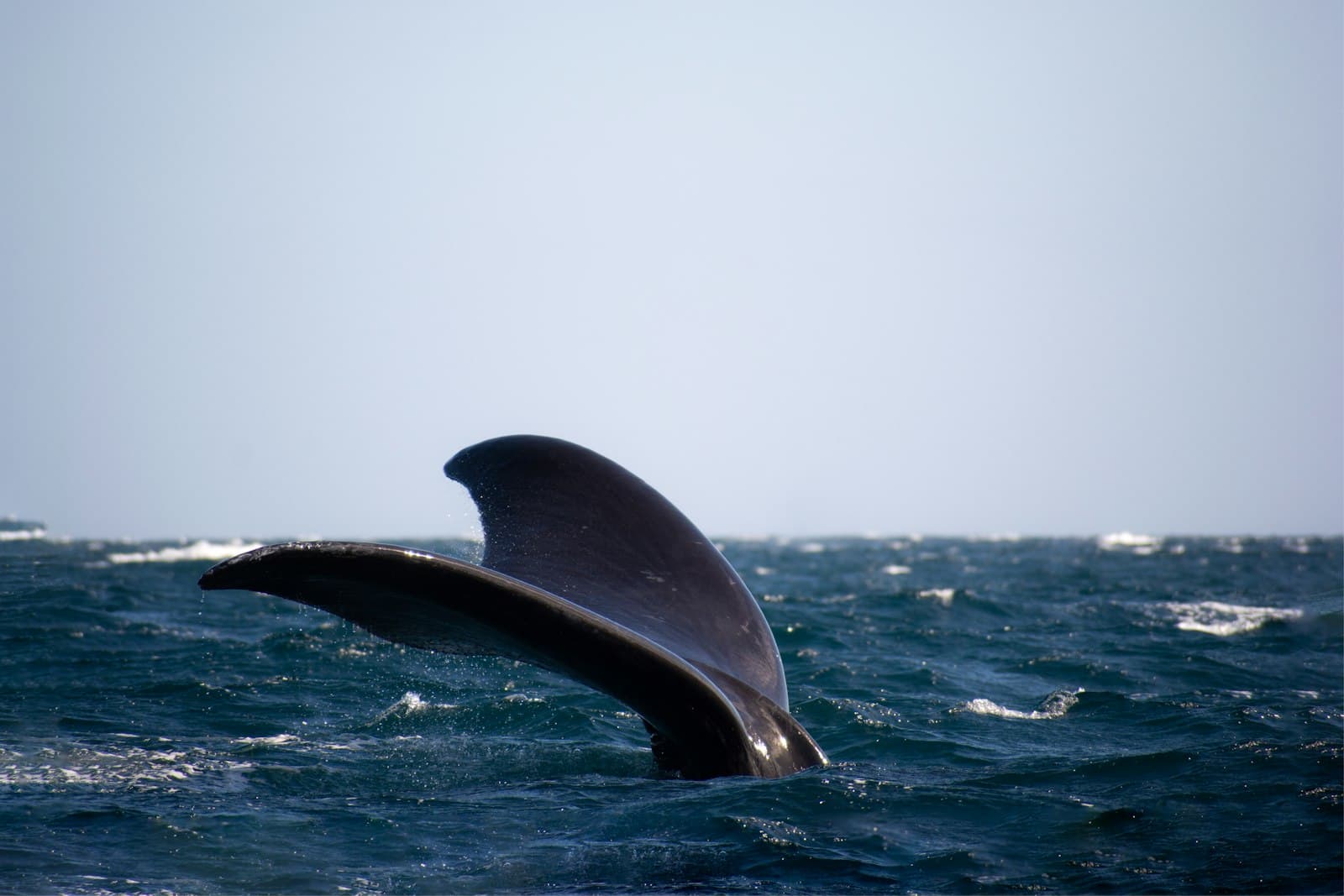
Il tuo tour audio autoguidato di Puerto Madryn è pronto — scegli i tuoi punti di interesse, seleziona la tua lingua e inizia nel momento in cui arrivi.
AcquistaLume include una guida in realtà aumentata. Alza il telefono: la fotocamera mostra la strada davanti a te, con una freccia luminosa sovrapposta all'immagine reale che punta sempre verso la tua prossima tappa — nessuna mappa da decifrare, nessuna svolta sbagliata. Come tutto in Lume, funziona completamente offline.
Puerto Madryn, una città sulla costa atlantica della Patagonia argentina, funge da principale porta d'accesso a un regno di straordinaria fauna marina. Con oltre 100.000 abitanti, è un vivace centro nella provincia di Chubut, protetto dalle tranquille acque del Golfo Nuevo. Questa città costiera è celebrata come la Capitale Nazionale delle Immersioni ed è un centro vitale per i turisti desiderosi di esplorare le meraviglie naturali della Península Valdés, patrimonio mondiale dell'UNESCO.
Oltre alla sua reputazione di santuario della fauna selvatica, Puerto Madryn offre un paesaggio culturale distinto intessuto di eredità gallese. L'atmosfera rilassata della città, unita alla sua crescente industria turistica, alla pesca e alla presenza della raffineria di alluminio Aluar, la rende una destinazione dinamica e intrigante. Che siate attratti dal fascino delle balene e dei pinguini o dagli echi di un lontano insediamento europeo, Puerto Madryn offre un'esperienza patagonica memorabile.
La storia di Puerto Madryn inizia il 28 luglio 1865, quando 150 immigrati gallesi sbarcarono dal clipper Mimosa sulle rive del Golfo Nuevo. Questi coloni, in cerca di libertà religiosa e di un luogo dove preservare la loro lingua e cultura, chiamarono il porto naturale Porth Madryn in onore di Sir Love Jones-Parry, il cui patrimonio in Galles portava lo stesso nome. Le condizioni iniziali erano dure; il paesaggio arido li costrinse a scavare canali di irrigazione per i loro primi raccolti, un netto contrasto con le terre fertili che avevano anticipato.
La crescita dell'insediamento fu significativamente stimolata dalla costruzione della Ferrovia della Patagonia Centrale (Central Chubut Railway), iniziata nel 1886 e inaugurata nel 1889. Questa ferrovia collegò Puerto Madryn a Trelew attraverso la valle inferiore del fiume Chubut, trasformando il piccolo porto in una città cosmopolita e nel principale hub di esportazione della regione per i prodotti agricoli, principalmente grano, coltivati da immigrati gallesi, spagnoli e italiani. Per decenni, Puerto Madryn funzionò come un cruciale snodo marittimo, permettendo alla pesca di prosperare e alle industrie locali di espandersi.
Il servizio ferroviario cessò infine nel 1961, portando a una ristrutturazione della logistica dei trasporti della regione. Tuttavia, una nuova era industriale iniziò negli anni '70 con la costruzione dell'impianto di alluminio ALUAR, che aumentò drasticamente la popolazione della città. In parallelo alla crescita industriale, Puerto Madryn divenne anche un pioniere nella conservazione della natura. La Riserva Naturale Punta Loma, istituita nel 1967 a soli 17 km dalla città, fu la prima del suo genere nella provincia di Chubut, dedicata alla protezione della sua colonia di leoni marini. Oggi, Puerto Madryn è riconosciuta come la porta d'accesso alla Península Valdés, patrimonio mondiale dell'UNESCO, consolidando il suo ruolo di importante destinazione turistica incentrata sulla sua straordinaria fauna marina.
Puerto Madryn offre un punto focale per incontri con la fauna selvatica ed esplorazioni culturali. Un viaggio alla Península Valdés, patrimonio mondiale dell'UNESCO, offre la possibilità di osservare le balene franche australi da giugno a dicembre. Tour in barca per l'avvistamento delle balene partono da Puerto Pirámides, all'interno della penisola. Per un'esperienza unica di avvistamento balene dalla costa, Playa El Doradillo, appena a nord della città, offre incredibili viste sulle balene, a volte con i loro piccoli, vicino alla costa.
Un'altra visita essenziale è Punta Tombo, sede della più grande colonia continentale di pinguini di Magellano al mondo. Da settembre a marzo, qui potrete camminare tra migliaia di pinguini. Più vicino alla città, la Riserva Provinciale Punta Loma offre eccellenti opportunità per osservare una colonia di leoni marini dai belvedere costieri. Per un'esperienza immersiva, considerate lo snorkeling con i leoni marini a Punta Loma. L'EcoCentro Pampa Azul offre mostre interattive sull'ecosistema marino patagonico, fornendo preziose informazioni sulla fauna selvatica della regione. Non perdete l'occasione di esplorare l'eredità gallese nella vicina Gaiman, dove potrete gustare il tradizionale tè gallese.
Il periodo ideale per visitare Puerto Madryn dipende in gran parte dalla fauna selvatica che si desidera osservare. Per le balene franche australi, la stagione va da maggio a dicembre, con attività di picco tra agosto e ottobre. I pinguini di Magellano sono presenti da settembre a marzo, con le migliori osservazioni dopo novembre, quando nascono i pulcini. Leoni marini e foche elefanti sono residenti permanenti e possono essere avvistati tutto l'anno. Le orche sono più spesso viste da gennaio ad aprile e di nuovo da ottobre a dicembre. Il clima patagonico è generalmente secco e ventoso. L'estate (dicembre-febbraio) porta temperature più calde, con una media di 15-28°C, mentre l'inverno (giugno-agosto) è più fresco, con temperature comprese tra 2-12°C. Anche in estate, una giacca leggera è consigliabile a causa del persistente vento patagonico.
Puerto Madryn è generalmente considerata una città sicura per i turisti, con bassi tassi di criminalità. Tuttavia, si raccomandano sempre precauzioni standard, come essere consapevoli di ciò che vi circonda e mettere al sicuro gli oggetti di valore. Il centro città e il lungomare sono raggiungibili a piedi, ma i taxi sono facilmente disponibili. Per escursioni in riserve naturali remote come la Península Valdés o Punta Tombo, prenotare un tour guidato è spesso l'opzione più sicura e pratica a causa delle distanze e delle strade sterrate.
La maggior parte dei viaggiatori vola all'aeroporto di Trelew (REL), a circa 65 km a sud-ovest di Puerto Madryn, che ha voli più frequenti da Buenos Aires. Servizi navetta operano tra l'aeroporto di Trelew e Puerto Madryn. Autobus a lunga percorrenza collegano Puerto Madryn alle principali città come Buenos Aires. La valuta locale è il Peso Argentino e gli sportelli bancomat sono disponibili, con carte di credito e debito ampiamente accettate. È obbligatorio per gli stranieri avere un'assicurazione di viaggio per entrare in Argentina.
Puerto Madryn — coreano, cinese, ebraico e altre 29 lingue, ogni tappa narrata da una voce madrelingua. La più ampia scelta di lingue tra i tour audio autoguidati.
Disponibile in: