Cueva de Pollera
Dentro de una cueva aparentemente común, manos antiguas dejaron su huella, revelando un impulso artístico inesperadamente temprano.
La historia completa se desbloquea en el tour
 No machine-readable author provided. .mau. assumed (based on copyright claims). / cc by-sa 3.0, via Wikimedia Commons
Tour de audio autoguiado de Finale Ligure — ruta GPS a pie, reproducción offline, narración en 32 idiomas.
“Donde el mar de Liguria se encuentra con la piedra antigua y los senderos salvajes.”
No las postales. Las historias que ni los locales conocen — al oído, justo donde ocurrieron.
Dentro de una cueva aparentemente común, manos antiguas dejaron su huella, revelando un impulso artístico inesperadamente temprano.
Más allá de la típica belleza costera, un mundo subterráneo se despliega, mostrando arte geológico en vívidos colores.
Esta imponente fortaleza medieval, ahora en gran parte en ruinas, guarda un secreto estructural que habla de una ingeniosidad arquitectónica olvidada.
Descubre todos los secretos de Finale Ligure
Cada dirección, cada revelación al completo — a tu oído, justo donde ocurrió.
Eliges tus paradas. Caminas. La voz te revela lo que los demás ignoran.


Tu tour de audioguía por Finale Ligure te espera — elige tus lugares, tu idioma y empieza al llegar.
ComprarLume incluye una guía de realidad aumentada. Levanta el móvil y su cámara muestra la calle que tienes delante, con una flecha luminosa sobre la imagen real que siempre apunta a tu próxima parada — sin mapas que descifrar, sin giros equivocados. Como todo en Lume, funciona completamente sin conexión.
Finale Ligure, una cautivadora ciudad en el Golfo de Génova, ofrece una atractiva mezcla de playas bañadas por el sol, dramáticos paisajes costeros y un profundo sentido de la historia. Compuesta por tres núcleos distintos —Finalmarina, Finalpia y el pueblo medieval interior de Finalborgo— presenta una experiencia multifacética. Desde el animado paseo marítimo de Finalmarina hasta el tranquilo encanto de Finalpia y el antiguo atractivo de Finalborgo, la ciudad invita a la exploración.
Más allá de su pintoresco paseo marítimo, Finale Ligure es un centro reconocido para los entusiastas del aire libre, sus escarpados acantilados, picos rocosos y una intrincada red de senderos atraen a ciclistas de montaña, escaladores y excursionistas de toda Europa. La topografía kárstica única de la zona también ha creado numerosas cuevas, algunas de las cuales albergan importantes hallazgos arqueológicos prehistóricos. Esta mezcla de belleza natural, historia antigua y una animada cultura al aire libre hace de Finale Ligure un destino verdaderamente distintivo en la Riviera italiana.
## De Cuevas Prehistóricas a Calzadas Romanas La historia de Finale Ligure se remonta a unos asombrosos 350.000 años, con evidencia de presencia humana desde el Paleolítico Inferior encontrada en sus numerosas cuevas kársticas. Estos refugios naturales proporcionaron cobijo a Homo Heidelbergensis, Homo Neanderthalensis y Homo sapiens a través de diversos cambios climáticos. El Museo Arqueológico de Finale en Finalborgo exhibe con orgullo artefactos que rastrean la evolución de las técnicas y herramientas de talla de piedra de estos primeros habitantes.
## Influencia Romana y Poder Medieval Durante la época romana, la zona era conocida como Ad Fines ('En la Frontera'), marcando el límite entre dos grandes tribus ligures. Los romanos también construyeron la Via Julia Augusta, una importante calzada que incluía puentes, cuyos restos aún se pueden ver en el Valle de Ponci. Tras la era romana, Finale Ligure se convirtió en un feudo, pasando por varias familias nobles y reinos. Finalborgo, el corazón medieval de Finale Ligure, fue fundado a finales del siglo XII y sirvió como capital del Marquesado de Finale, gobernado por la poderosa familia Del Carretto hasta principios del siglo XVII. Este pueblo amurallado, con sus murallas antiguas perfectamente conservadas, fue una vez asediado y destruido por los genoveses en 1450, solo para ser rápidamente reconstruido para 1452, un testimonio de su importancia estratégica.
## Dominio Español y Unificación El Marquesado de Finale fue finalmente adquirido por la República de Génova en 1713, una posesión confirmada por la Paz de Aquisgrán en 1748. La región más tarde pasó a formar parte del Reino de Cerdeña en 1815 y luego del Reino de Italia en 1861. Históricamente, la zona de Finale estaba compuesta por varios comuni más pequeños, incluyendo Finalborgo, Finalmarina y Finalpia. No fue hasta el régimen fascista en 1927, con el objetivo de crear municipios más grandes, que estas localidades se unificaron en el único Comune de Finale Ligure, formando la estructura urbana que vemos hoy.
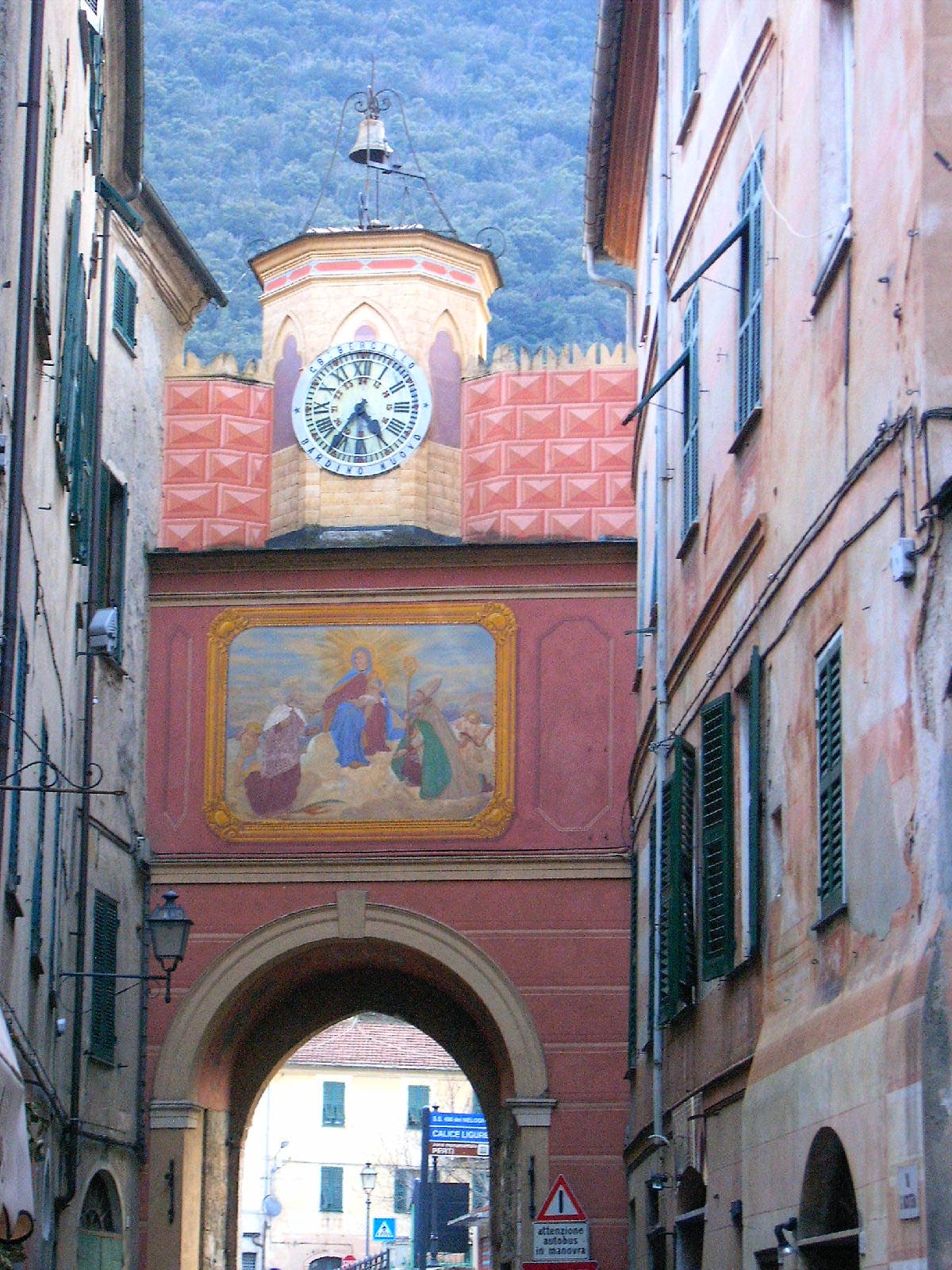
Finale Ligure ofrece una diversa gama de lugares de interés, mezclando arquitectura histórica con maravillas naturales. Comience en Finalborgo, un pueblo medieval amurallado bellamente conservado, reconocido como uno de los más bellos de Italia. Recorra sus estrechas calles peatonales, admire las fachadas con frescos y explore la Colegiata de San Biagio, una iglesia barroca del siglo XVII con un distintivo campanario octogonal del siglo XV. El Museo Arqueológico de Finale, ubicado en el antiguo Complejo Conventual de Santa Catalina, ofrece fascinantes conocimientos sobre el pasado prehistórico y romano de la región.
Sobre Finalborgo, el Castel San Giovanni del siglo XVII, una fortaleza española, ofrece vistas panorámicas del pueblo, los valles y el mar. Para aquellos que buscan historia antigua, la Grotta delle Arene Candide (Cueva de las Arenas Blancas) es un importante sitio arqueológico. En la costa, Finalmarina presenta la impresionante Basílica de San Juan Bautista del siglo XVII con su elaborada fachada barroca. No se pierda un paseo por el bulevar bordeado de palmeras de Finalmarina. El pintoresco pueblo pesquero de Varigotti, con sus coloridas casas directamente en la playa, también es un lugar encantador para visitar.
Para los entusiastas del aire libre, las colinas circundantes ofrecen numerosos senderos para practicar senderismo y ciclismo de montaña, con rutas como el desafiante Rollercoaster Trail y la singular Antigua Base de la OTAN, ahora un punto de partida para senderos de bicicleta y un lienzo para el arte callejero.
La mejor época para visitar Finale Ligure para actividades de clima cálido, incluyendo disfrutar de la playa y la piscina, es desde finales de junio hasta finales de agosto. Para ciclismo de montaña y senderismo, los meses de primavera (marzo a junio) y otoño (septiembre a noviembre) ofrecen temperaturas ideales y se consideran las mejores temporadas para montar. El clima mediterráneo generalmente permite actividades al aire libre durante gran parte del invierno también.
Finale Ligure es de fácil acceso. Si viaja en tren, puede llegar a la estación de Finale Ligure, que conecta con varias partes de Italia. La ciudad se divide en varias áreas distintas: Finalmarina (la animada zona costera), Finalpia y Finalborgo (el pueblo medieval interior).
Dentro de Finalborgo, encontrará un animado centro con tiendas de artesanía, cafeterías y restaurantes. Muchos establecimientos atienden a los entusiastas del aire libre, lo que refleja la reputación de Finale Ligure como destino para la escalada y el ciclismo de montaña. La cocina local presenta productos típicos de Liguria, con un enfoque en la simplicidad y la calidad, incluyendo los pasteles chifferi a base de almendras. El transporte público, incluidos los servicios de autobús, conecta las diferentes partes de Finale Ligure, como Finalborgo con la estación de tren de Finalmarina.
Finale Ligure en coreano, en chino o en hebreo — y 29 idiomas más, cada parada narrada por una voz nativa. La mayor variedad de idiomas de cualquier audioguía autoguiada.
Disponible en: