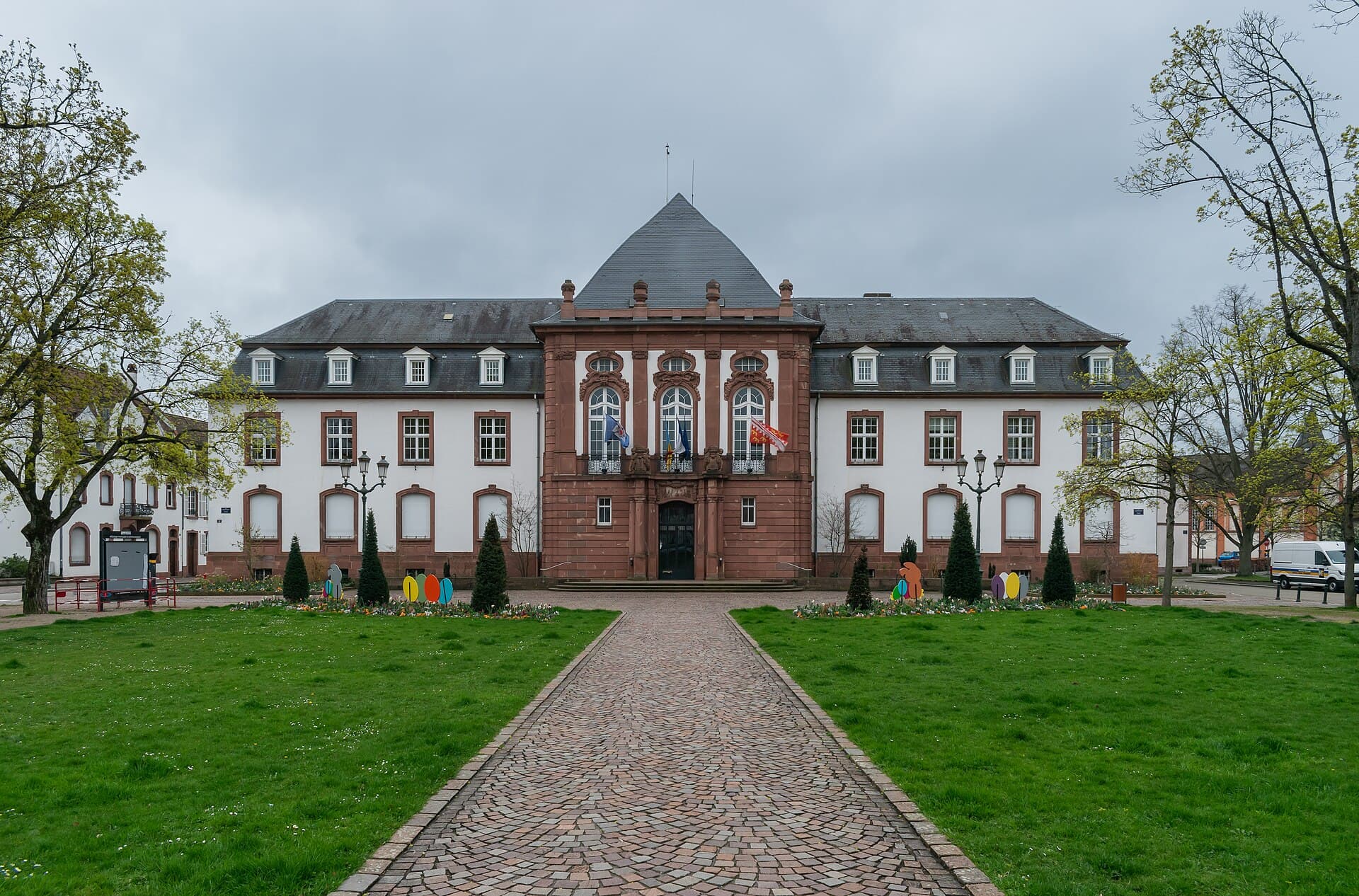
Le Palais Impérial de Frédéric Barberousse
Haguenau a jadis abrité des artefacts qui affirmaient la légitimité même d'un empire.
L'histoire complète se débloque dans le tour
 Tournasol7 / CC BY 4.0, via Wikimedia Commons
Visite audio autoguidée de Haguenau — parcours GPS à pied, lecture hors ligne, narration en 32 langues.
“Là où l'héritage impérial rencontre les forêts ancestrales.”
Pas les cartes postales. Les histoires que même les habitants ignorent — soufflées à l'oreille, là où elles se sont passées.
Haguenau a jadis abrité des artefacts qui affirmaient la légitimité même d'un empire.
Sous la vaste canopée de l'une des plus grandes forêts de France se cache un récit ancien et silencieux.
Une façade distinctive du XIXe siècle à Haguenau raconte une histoire de foi et de fortitude durables.
Découvrez tous les secrets de Haguenau
Chaque adresse, chaque révélation en entier — dans ton oreille, là où elle s'est passée.
Tu choisis tes lieux. Tu marches. La voix te révèle ce que les autres ignorent.
Votre visite audioguidée de Haguenau vous attend — choisissez vos lieux, votre langue, et lancez-vous dès votre arrivée.
AcheterLume intègre un guide en réalité augmentée. Levez votre téléphone : sa caméra montre la rue devant vous, avec une flèche lumineuse posée sur l'image réelle qui pointe toujours vers votre prochain arrêt — aucune carte à déchiffrer, aucun mauvais virage. Comme tout dans Lume, ça fonctionne entièrement hors-ligne.
Haguenau, la deuxième plus grande ville du département français du Bas-Rhin, offre une fusion captivante d'histoire impériale, de culture alsacienne et de splendeur naturelle. Située à environ 30 kilomètres au nord de Strasbourg, la ville s'est développée au XIIe siècle autour d'un pavillon de chasse sur une île de la Moder. Sa position stratégique a vu sa fortune fluctuer entre la domination française et allemande au fil des siècles, un double héritage qui se reflète dans son architecture et son caractère.
Au-delà de son cœur historique, Haguenau est bordée par la vaste Forêt de Haguenau, l'une des plus grandes forêts indivises de France. Cela offre un sanctuaire vert et un riche contraste écologique avec le paysage urbain de la ville. Les voyageurs peuvent explorer les fortifications médiévales, découvrir les traditions locales dans ses musées et s'immerger dans la forêt tranquille. Haguenau présente une destination où chaque tournant révèle une couche de son passé captivant et de son présent animé.
Les origines de Haguenau remontent au début du XIIe siècle lorsque Frédéric II, duc de Souabe, établit un pavillon de chasse sur une île de la Moder. Ce modeste début a rapidement pris de l'importance lorsque l'empereur du Saint-Empire romain germanique Frédéric Ier Barberousse fortifia la colonie et lui accorda les droits de ville en 1154. Il érigea également un palais impérial sur le site du pavillon de chasse, en faisant l'une de ses résidences préférées. Ce palais servit même de dépôt pour les Joyaux de la Couronne du Saint-Empire romain germanique, y compris la couronne impériale et l'épée de Charlemagne.
En 1257, Richard de Cornouailles, roi des Romains, éleva Haguenau au rang de ville impériale. Au XIVe siècle, elle devint le siège du Landvogt de Hagenau, l'avocat impérial allemand en Basse-Alsace, et dirigea la Décapole, une ligue défensive et offensive de dix villes alsaciennes. Cependant, cette grandeur impériale ne devait pas durer. En 1648, avec la Paix de Westphalie, l'Alsace fut cédée à la France, et l'allégeance de Haguenau changea. La ville subit d'importants dommages lors des conflits du XVIIe siècle, y compris sa quasi-destruction par le feu en 1677 par les troupes françaises.
Le XVIIIe siècle marqua une période de reconstruction, contribuant de manière significative au patrimoine architectural de la ville visible aujourd'hui. L'identité de la ville continua d'osciller, étant cédée à l'Empire allemand en 1871 après la guerre franco-prussienne, pour être rendue à la France en 1919 après la Première Guerre mondiale, un transfert ratifié par le Traité de Versailles. Ce va-et-vient entre la domination allemande et française se reflète même dans l'orthographe de son nom, alternant entre « Hagenau » et « Haguenau ». Malgré ce passé turbulent, Haguenau a conservé des vestiges médiévaux, des bâtiments du XVIIIe siècle et un fort caractère alsacien.
Commencez votre exploration dans le centre historique de Haguenau, où les fortifications médiévales côtoient l'architecture du XVIIIe siècle. Cherchez les portes médiévales subsistantes : la Tour des Chevaliers, la Tour des Pêcheurs octogonale en briques rouges et la Porte de Wissembourg. Ces structures du XIIIe siècle offrent un lien tangible avec le passé de la ville en tant que cité impériale fortifiée.
Deux églises gothiques importantes, Saint-Georges et Saint-Nicolas, datant respectivement des XIIe et XIVe siècles, sont également remarquables. Bien que de nombreux trésors artistiques aient été perdus au fil du temps, leur grandeur architecturale demeure. La Place d'Armes sert de plaque tournante centrale, avec l'ancienne Douane et de belles maisons à colombages restaurées. Pour une plongée plus profonde dans la culture et l'histoire locales, visitez le Musée Alsacien, abrité dans l'ancienne Chancellerie de la Renaissance datant de 1484, qui présente la vie alsacienne traditionnelle. Le Musée Historique, dans un bâtiment néo-Renaissance, présente des découvertes archéologiques et des artefacts retraçant l'histoire de Haguenau depuis la préhistoire. Ne manquez pas le Musée du Bagage, unique en son genre, qui célèbre l'évolution des malles et des bagages de voyage.
Juste au-delà du centre-ville s'étend la vaste Forêt de Haguenau, offrant de nombreuses opportunités d'activités de plein air comme la randonnée et le vélo.
Haguenau offre du plaisir tout au long de l'année, chaque saison présentant une expérience distincte. Le temps le plus agréable pour l'exploration est généralement de mai à septembre, avec des températures confortables allant de 21°C à 27°C. Pendant ces mois, la ville et les environs sont animés par des activités de plein air et des festivals. L'été offre des journées plus longues et plus ensoleillées, idéales pour les promenades en forêt et profiter des terrasses extérieures. Le printemps (avril à juin) apporte une nature en fleurs et des températures douces, parfaites pour les visites de villages, tandis que le début de l'automne (septembre à mi-octobre) affiche de magnifiques feuillages et une atmosphère animée sans les foules estivales. L'hiver, bien que plus froid, offre une expérience plus calme et l'attrait des marchés de Noël dans la région plus large de l'Alsace.
Haguenau est située dans le département du Bas-Rhin en France, à environ 30 km au nord de Strasbourg. La monnaie locale est l'Euro (€). Le français est la langue officielle, bien que l'alsacien, un dialecte germanique, soit également parlé dans la région. La population de la ville est estimée à environ 37 359 habitants en 2026.
Pour se déplacer, Haguenau dispose d'un agréable centre piétonnier, idéal pour la marche. Des audioguides pour des visites autoguidées du centre historique sont disponibles à l'office de tourisme, proposés en français, allemand et anglais. Des options de transport en commun dans la ville et vers les zones voisines sont disponibles, et un service de navette gratuit peut fonctionner lors de certains événements de la gare de Haguenau vers les sites des festivals. Pour ceux qui arrivent par avion, l'aéroport de Strasbourg (SXB) est à environ 34 kilomètres.
Les visiteurs doivent savoir que les heures d'ouverture des musées peuvent varier selon la saison, il est donc conseillé de vérifier à l'avance.
Haguenau en coréen, en chinois ou en hébreu — et dans 29 autres langues, chaque étape narrée par une voix native. La plus large gamme de langues de tous les audioguides autoguidés.
Disponible en :