Museum of Glass and Jewellery
This museum holds a Guinness World Record, but not for what you might expect from a glass and jewelry hub.
Full story unlocks in the tour
 Miloslav Rejha / CC BY 4.0, via Wikimedia Commons
Self-guided audio walking tour of Jablonec nad Nisou — GPS route, offline playback, story-driven narration in 32 languages.
“Where Bohemian glass evokes forgotten grandeur and enduring craft.”
Not the postcards. The stories even locals don't know — whispered in your ear, right where they happened.
This museum holds a Guinness World Record, but not for what you might expect from a glass and jewelry hub.
The current home of Jablonec's acclaimed Museum of Glass and Jewellery wasn't always a public institution; it began with a different, more commercial purpose.
Jablonec nad Nisou was an early adopter of electric trams, but their story here wasn't a smooth ride into the future.
Discover every secret of Jablonec nad Nisou
Every address, every reveal in full — in your ear, right where it happened.
You pick your stops. You walk. The voice reveals what the others miss.
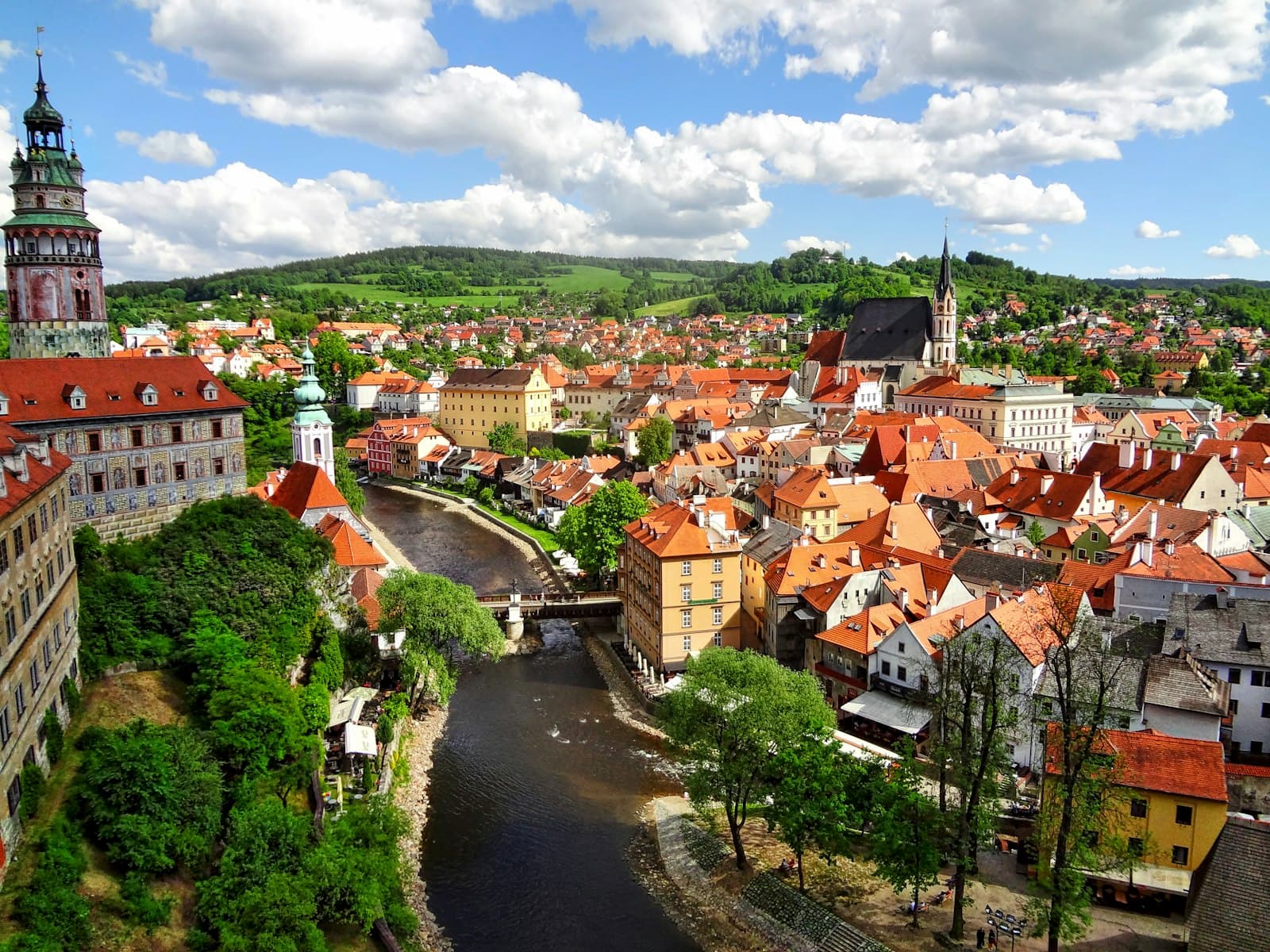
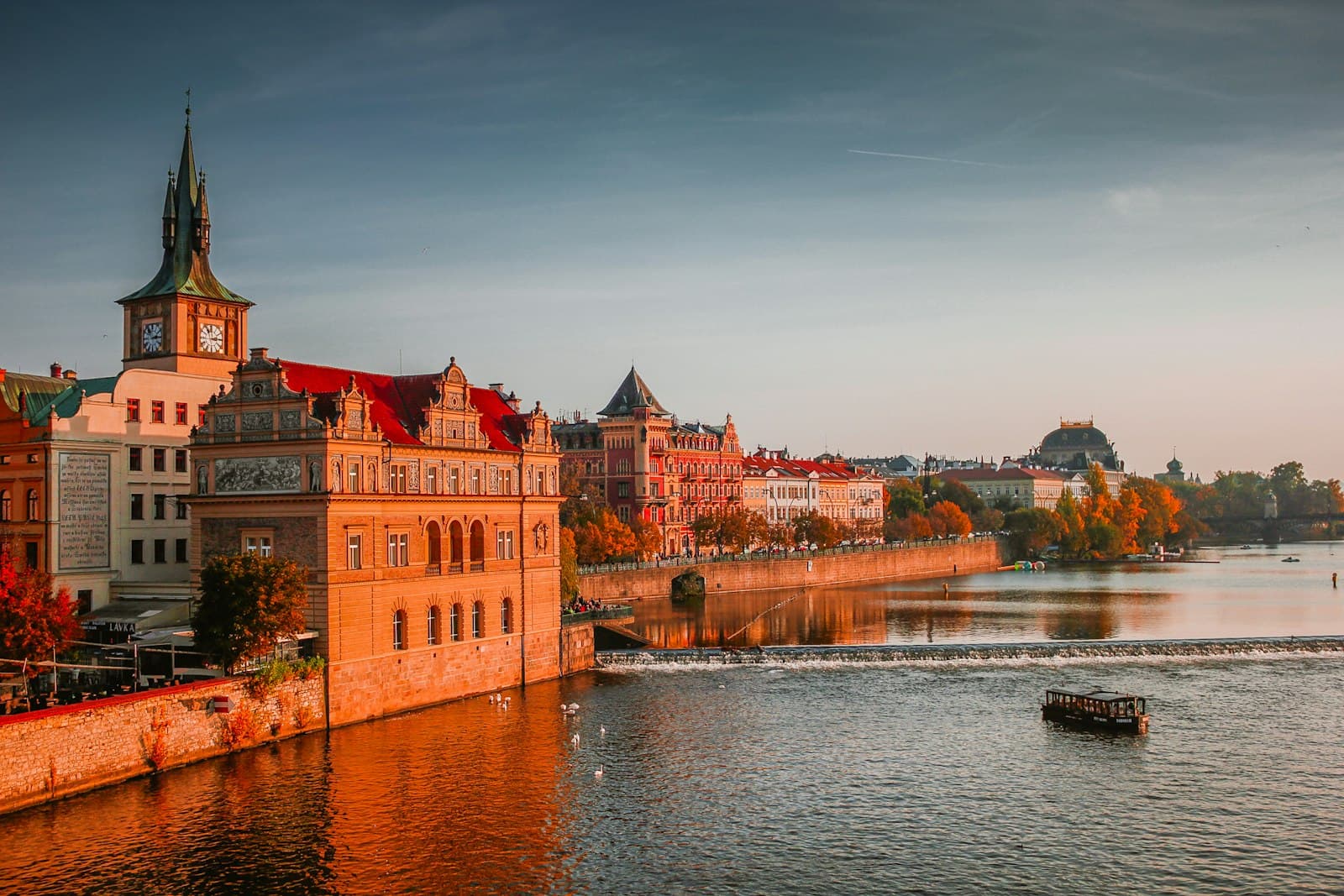
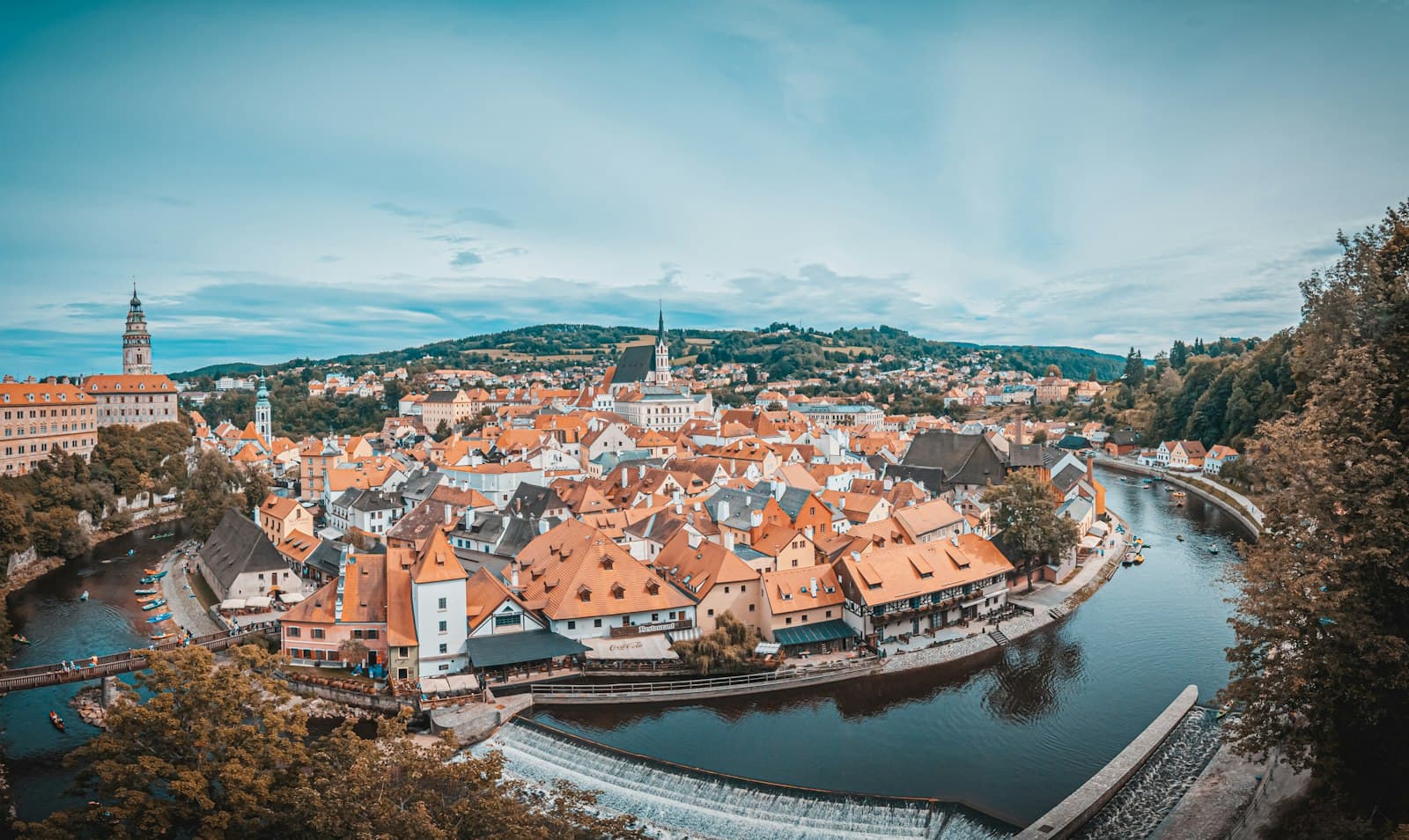
Your self-guided audio tour of Jablonec nad Nisou is ready — pick your landmarks, choose your language, and start the moment you arrive.
BuyLume has a built-in augmented-reality guide. Hold your phone up and its camera shows the street ahead of you, with a glowing arrow laid over the real view that always points to your next stop — no map to puzzle over, no wrong turns. Like everything in Lume, it works fully offline.
Jablonec nad Nisou, set amidst the Jizera Mountains of the Czech Republic, is a city where the sparkle of glass and the intricate beauty of costume jewelry are woven into its very fabric. Known globally as a center for these delicate crafts, Jablonec offers a unique blend of industrial heritage and natural allure. Its position in a basin surrounded by hilly terrain, about 500 meters above sea level, provides a picturesque backdrop for exploring its distinctive Art Nouveau, Functionalist, and Neo-Renaissance architecture.
Beyond its shimmering legacy, Jablonec nad Nisou is also a gateway to outdoor adventure. The city features the Mšeno Reservoir, affectionately dubbed the "Jablonec Sea" by locals, which serves as a recreational haven for swimming, sports, and a starting point for exploring the surrounding mountains. Whether you're drawn to the meticulous artistry of Bohemian glass, the stories etched in its historic buildings, or the allure of the Jizera Mountains, Jablonec promises a journey of discovery.
While Jablonec nad Nisou may not possess the ancient grandeur of some larger European cities, its relatively "young" architectural boom in the late 19th and early 20th centuries created a cityscape of impressive and ornate structures that reflect a period of immense prosperity. It's a place where every corner can reveal a connection to a craft that once earned it the moniker "Austrian California."
The origins of Jablonec nad Nisou can be traced back to a Latin document from 1356, mentioning a settlement called Jablonecz. However, its early existence was far from stable. In August 1469, the village was completely destroyed by Lusatian troops during a conflict with King George of Poděbrady. It lay desolate for a significant period, only to be resettled in the 1530s and 1540s. This resettlement was pivotal, as it saw the arrival of predominantly German-speaking colonists, many of whom were skilled glassmakers from regions like Nový Bor and the Ore Mountains, drawn by the Jizera Mountains' abundant wood, sand, and water—essential resources for their craft.
The Thirty Years' War brought another devastating blow in 1643, when Jablonec was burned down for a second time. Yet, from these ashes, the glass industry began to flourish in the latter half of the 17th century, marking the true beginning of Jablonec's rapid development. The 18th century witnessed a significant innovation: the production of the first bijou, or costume jewelry. Early exporters, such as J. F. Schwann, were instrumental in spreading the renown of Jablonec's products across Europe.
Jablonec's growing economic importance led to its promotion to a market town by Emperor Francis II in 1808, granting it the privilege of holding annual markets. The construction of the Krkonošská (Giant-Mountains) Road in the 1840s further boosted its connectivity and trade. The village finally achieved town status on March 28, 1866, by Emperor Franz Joseph I. The Franco-Prussian War (1870–1871) inadvertently eliminated many of Jablonec's glass and jewelry competitors, allowing its traders to dominate foreign markets and solidify its reputation as a global center for these goods. This period of immense prosperity, often referred to as Jablonec's "golden period," saw a dramatic transformation of the town's appearance, with the construction of numerous impressive Art Nouveau and Neo-Renaissance buildings, earning it the nickname "Austrian California."
In the 20th century, Jablonec continued its legacy, albeit with challenges. The global economic crisis of the early 1930s deeply impacted the glass and artificial jewelry business. After World War II, the expulsion of German glassmakers and the subsequent communist government brought further changes to the industry. However, the tradition endured, and today, Jablonec nad Nisou remains a vital center for glass and jewelry production, with its heritage celebrated in institutions like the Museum of Glass and Jewellery, and its handmade glass recognized by UNESCO.
Jablonec nad Nisou offers a fascinating blend of industrial heritage, striking architecture, and natural beauty. Begin your exploration at the Museum of Glass and Jewellery, the only museum in the Czech Republic singularly focused on these crafts. Housed in a magnificent Art Nouveau building, it showcases seven centuries of Bohemian glassmaking, from historical pieces to contemporary designs, including an exhibition titled “Everlasting Desire for Beauty – Jewellery of Three Millennia.”
Stroll through the historic town center, which is protected as an urban monument zone, to admire the architectural grandeur. The New Town Hall on Mírové náměstí is a national cultural monument and a prominent landmark. You'll also encounter impressive Art Nouveau buildings and private villas, particularly along Podhorská Street, reflecting the city's affluent past.
For a touch of nature and recreation, visit the Mšeno Reservoir, affectionately known as the "Jablonec Sea." This large inner-city dam area is not only a technical marvel but also a popular spot for swimming, sports, and relaxing, offering a starting point for hikes and bike rides into the Jizera Mountains. The surrounding Jizera Mountains also provide numerous viewing towers and rock lookouts, such as those at Nad Prosečí, Nisanka, Bramberk, Královka, Slovanka, Černá studnice, and Císařský kámen, offering panoramic views of the landscape, including distant Sněžka and Ještěd.
The most pleasant time to visit Jablonec nad Nisou is during the months of May, June, July, August, and September, when conditions are generally most comfortable. Summers are warm, with average daytime highs around 23°C (73°F) in July, making it ideal for outdoor activities like hiking and cycling in the Jizera Mountains. While July is the wettest month, with around 126 mm of rainfall, the precipitation varies moderately throughout the year. Spring and autumn offer gradually warming or cooling temperatures, colorful foliage, and opportunities for outdoor pursuits, though autumn sees increased rainfall. Winters are very cold, with freezing nights around -5°C (23°F) in January, transforming the region into a destination for cross-country and downhill skiing.
The official currency in Jablonec nad Nisou, and throughout the Czech Republic, is the Czech Koruna (CZK), symbolized as Kč. While some larger establishments might accept Euros, it's always advisable to have local currency for smaller shops, markets, and public transport. Currency exchange services are available in the city, including at the Tourist Center and various Směnárna (exchange offices).
Jablonec nad Nisou is well-connected by public transport, with a tram line still connecting it to the neighboring city of Liberec. The city itself has a reliable public transport system, though its historic tram lines were largely replaced by buses in the mid-20th century. If arriving by air, Prague's Václav Havel Airport (PRG) is the closest major international airport, approximately 83 kilometers southwest. From Prague, you can reach Jablonec by bus or train, or consider a private minibus transfer. The city's center is relatively compact, with its three main squares situated one above the other, making it easy to navigate on foot.
Jablonec nad Nisou in Korean, in Chinese or in Hebrew — and 29 more languages, every stop narrated by a native voice. The widest language range of any self-guided audio tour.
Available in: