The Kristiansand Cannon Museum
During a tour of the immense WWII cannon, a guide explained that no one truly understood its complete operation. Then, an elderly man stepped forward...
Full story unlocks in the tour
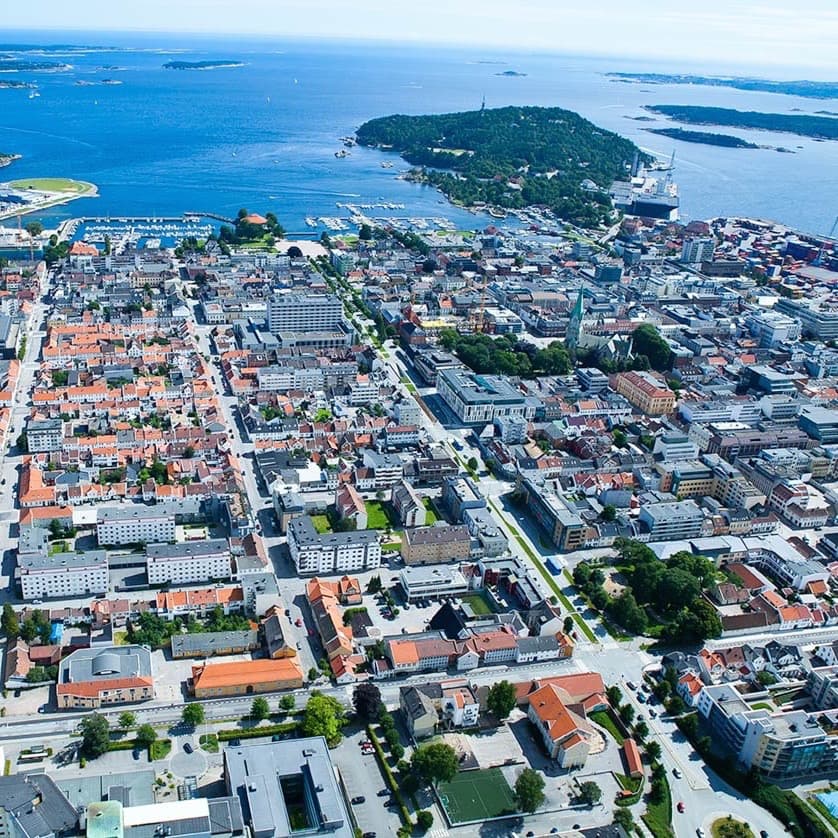 Havstad112 / CC BY-SA 4.0, via Wikimedia Commons
Self-guided audio walking tour of Kristiansand — GPS route, offline playback, story-driven narration in 32 languages.
“Where southern charm meets rugged coastline, Kristiansand invites you to linger.”
Not the postcards. The stories even locals don't know — whispered in your ear, right where they happened.
During a tour of the immense WWII cannon, a guide explained that no one truly understood its complete operation. Then, an elderly man stepped forward...
Kristiansand's old town, Posebyen, is celebrated for its perfectly preserved wooden houses. But a local bakery here holds a secret that makes breakfast an unforgettable experience...
Even amid the occupation, some Norwegians found subtle ways to resist and even comfort the occupying forces, in a surprising twist of human connection.
Discover every secret of Kristiansand
Every address, every reveal in full — in your ear, right where it happened.
You pick your stops. You walk. The voice reveals what the others miss.
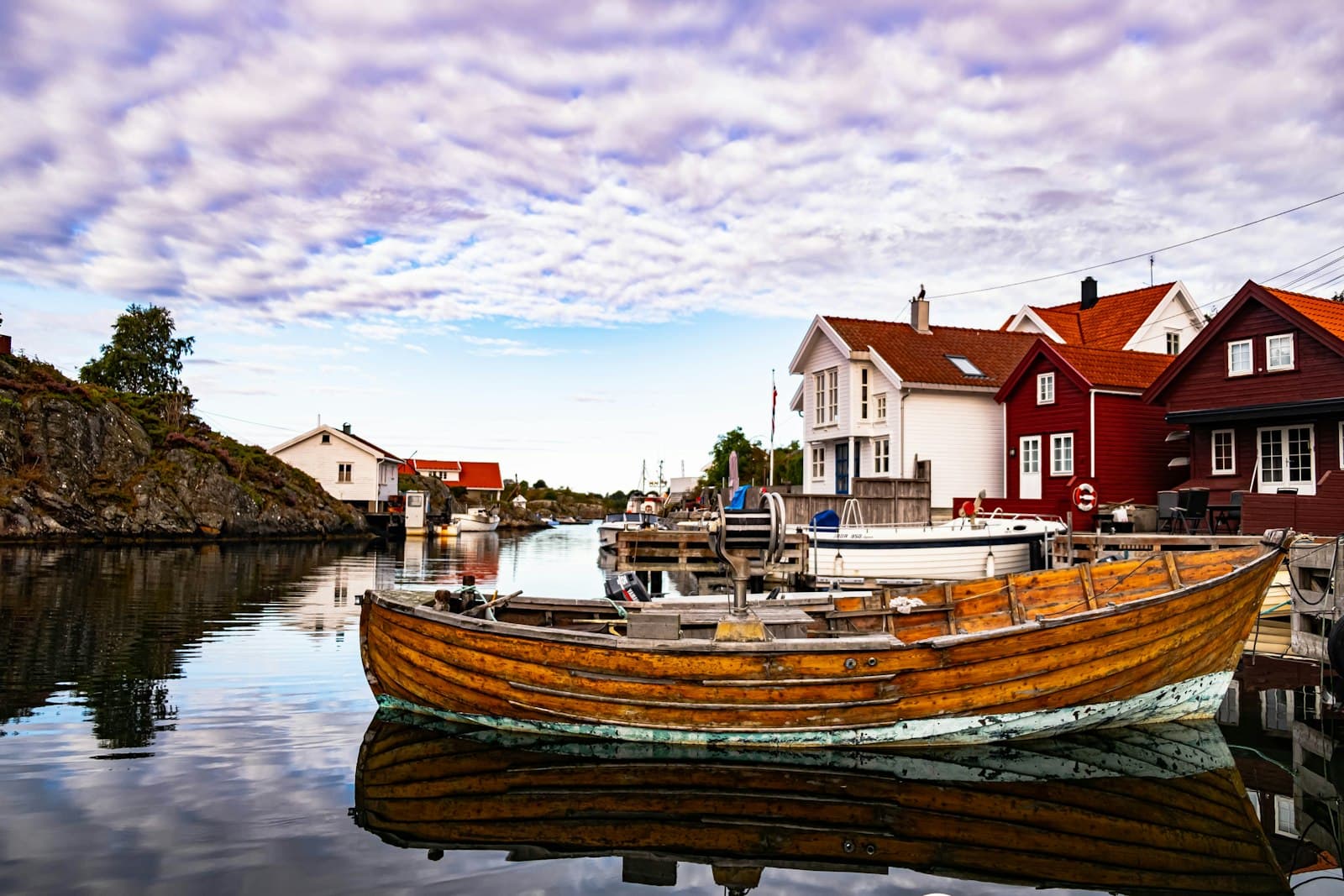
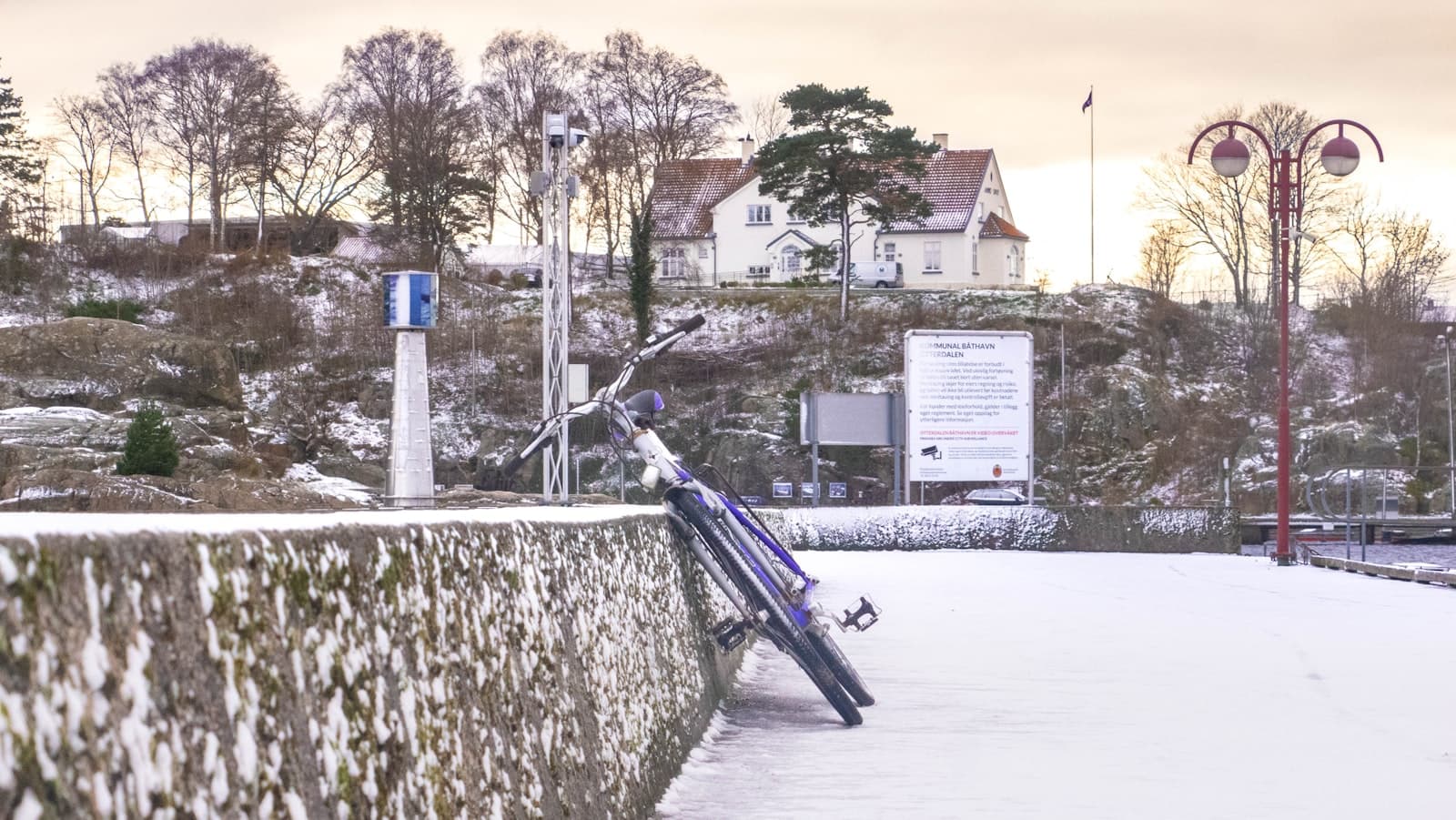
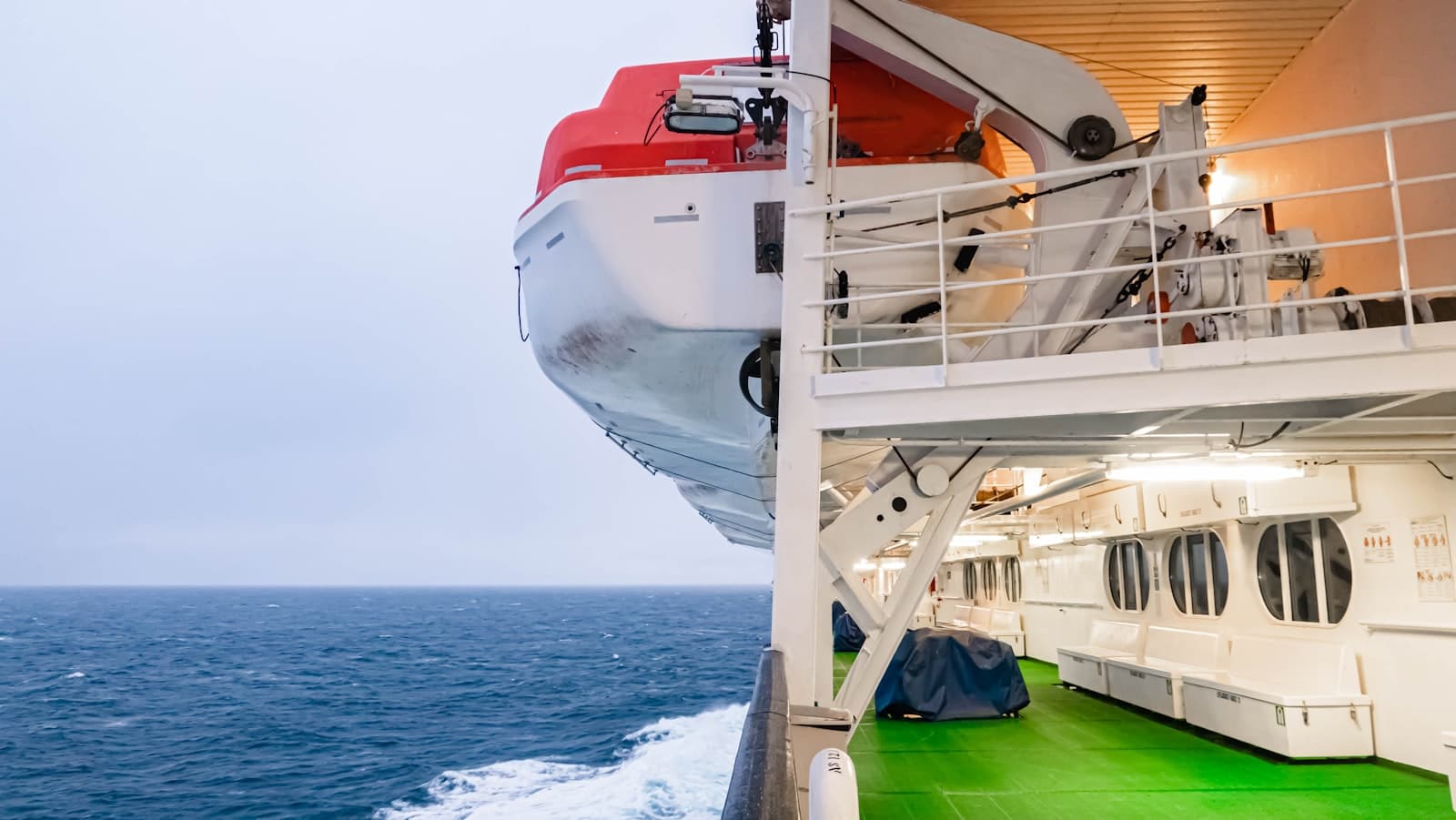
Your self-guided audio tour of Kristiansand is ready — pick your landmarks, choose your language, and start the moment you arrive.
BuyLume has a built-in augmented-reality guide. Hold your phone up and its camera shows the street ahead of you, with a glowing arrow laid over the real view that always points to your next stop — no map to puzzle over, no wrong turns. Like everything in Lume, it works fully offline.
Kristiansand, often called the 'summer capital' of Norway, is a coastal city in the country's southernmost region. It is celebrated for its mild climate, sandy beaches, and relaxed atmosphere. With a population exceeding 113,000 residents, it serves as a bustling cultural and commercial hub while maintaining a friendly and inviting character. The city's strategic location on the Skagerrak strait, which separates Norway from Denmark, has shaped its identity as an important port and transportation center.
Founded in 1641 by King Christian IV, Kristiansand's city center, known as Kvadraturen, still showcases the king's original Renaissance grid pattern of wide streets. Beyond its urban core, the city offers easy access to an archipelago, perfect for boating, swimming, and enjoying fresh seafood. Whether exploring its historic wooden houses, enjoying the lively fish market, or venturing to nearby islands, Kristiansand provides a memorable Nordic experience.
The Kristiansand area has been inhabited since prehistoric times. In 1994, the well-preserved skeleton of a woman, carbon-dated to approximately 6500 BCE, was discovered in Søgne, making it the oldest Stone Age skeleton found in Norway. Further evidence of early settlement includes a Stone Age site at Grauthelleren and a Neolithic ritual enclosure at Hamresanden, dating to around 3400 BCE. Traces of habitation from around 400 CE and one of the largest pre-Christian burial grounds in South Norway have been found near the Oddernes church, which itself was built around 1040 CE.
The modern city of Kristiansand was formally founded on July 5, 1641, by King Christian IV of Denmark and Norway, who named it 'Christianssand' after himself. The 'sand' refers to the sandy headland upon which the city was built. The king envisioned a leading commercial metropolis and laid out the town with a Renaissance grid plan, known as Kvadraturen. Merchants in the Agder county were granted trade privileges and ten years of tax exemption to encourage relocation to the new city. Two fortresses, Fredriksholm and Christiansholm, were built shortly after its founding to protect the strategically important harbor.
Kristiansand became an important center for shipbuilding in the 18th century, largely due to the presence of oak trees, which are rare in other parts of Norway. However, the Napoleonic Wars brought hardship, as Denmark-Norway's alliance with France led to British attacks and a continental blockade that hindered trade. The city's economy began to recover in the 1830s, with Kristiansand and Arendal becoming leading shipping cities by the mid-19th century. The city also saw significant growth during World War I as a neutral shipping town. In the 20th century, Kristiansand faced occupation by Nazi Germany during World War II, an event that left lasting scars and is explored in sites like the Kristiansand Cannon Museum and ARKIVET Peace and Human Rights Centre.
Begin your exploration in Posebyen, Kristiansand's old town, one of Northern Europe's best-preserved districts of traditional white wooden houses. Wander its grid-like streets, discover boutique shops, and enjoy cozy cafés. Don't miss Posebyhaven, a shared courtyard offering cafes, niche shops, a bakery, and summer concerts. The Kristiansand Cathedral, a Neo-Gothic structure completed in 1885, stands as one of Norway's largest cathedrals.
For maritime history, visit Fiskebrygga, the lively fish market. Here, you can buy fresh shrimp directly from fishing boats and enjoy them on the pier, or dine at one of the many seafood restaurants. Nearby, the Christiansholm Fortress, built in the 17th century, offers historical insights and views of the waterfront. Take a scenic boat ride through the Southern Archipelago to experience Norway's coastal beauty, passing lighthouses and secluded beaches.
History enthusiasts should visit the Kristiansand Cannon Museum (Vara Battery), home to one of the world's largest land-based cannons, offering a glimpse into World War II history. For a mix of nature and history, explore Odderøya Island, a former military stronghold now a peaceful haven with hiking trails and old fortifications. Families will enjoy Kristiansand Zoo and Amusement Park (Dyreparken), Norway's largest and most popular tourist attraction.
The best time to visit Kristiansand is during the summer, from June to August, when the weather is mildest. July is the warmest month, with average temperatures around 16°C and daily highs reaching approximately 19°C, though temperatures can occasionally exceed 25°C. While summer brings frequent rains, there are also plenty of sunny days, ideal for enjoying the city's beaches and outdoor activities. August typically offers consistent sunny days. Spring (May) also sees a noticeable increase in warmth. If you are interested in snow, March is generally the best month for good snow conditions and less extreme cold.
The local currency in Kristiansand and throughout Norway is the Norwegian Krone (NOK). Norway is rapidly becoming a cashless society, with electronic payments by card or phone accepted almost everywhere. While it's advisable to carry a small amount of cash for emergencies, you will likely rely on your Visa or Mastercard. You can exchange money at banks near tourist information centers or at post offices, though fees may apply. ATMs are widely available.
Kristiansand is a very safe city with low crime rates. The city center is exceptionally walkable, making it easy to reach most attractions on foot. Public transport is primarily by bus, with an extensive network covering the city and surrounding areas, including connections to the airport and Kristiansand Zoo. Ferry services connect the city to nearby islands. Kristiansand is also well-equipped for cycling, with dedicated bike paths and rentals available.
Kristiansand in Korean, in Chinese or in Hebrew — and 29 more languages, every stop narrated by a native voice. The widest language range of any self-guided audio tour.
Available in: