Gokstad Mound
Norway’s most celebrated Viking ship was unearthed here, yet the identity of its original voyager remains a puzzle, even after recent inquiries.
Full story unlocks in the tour
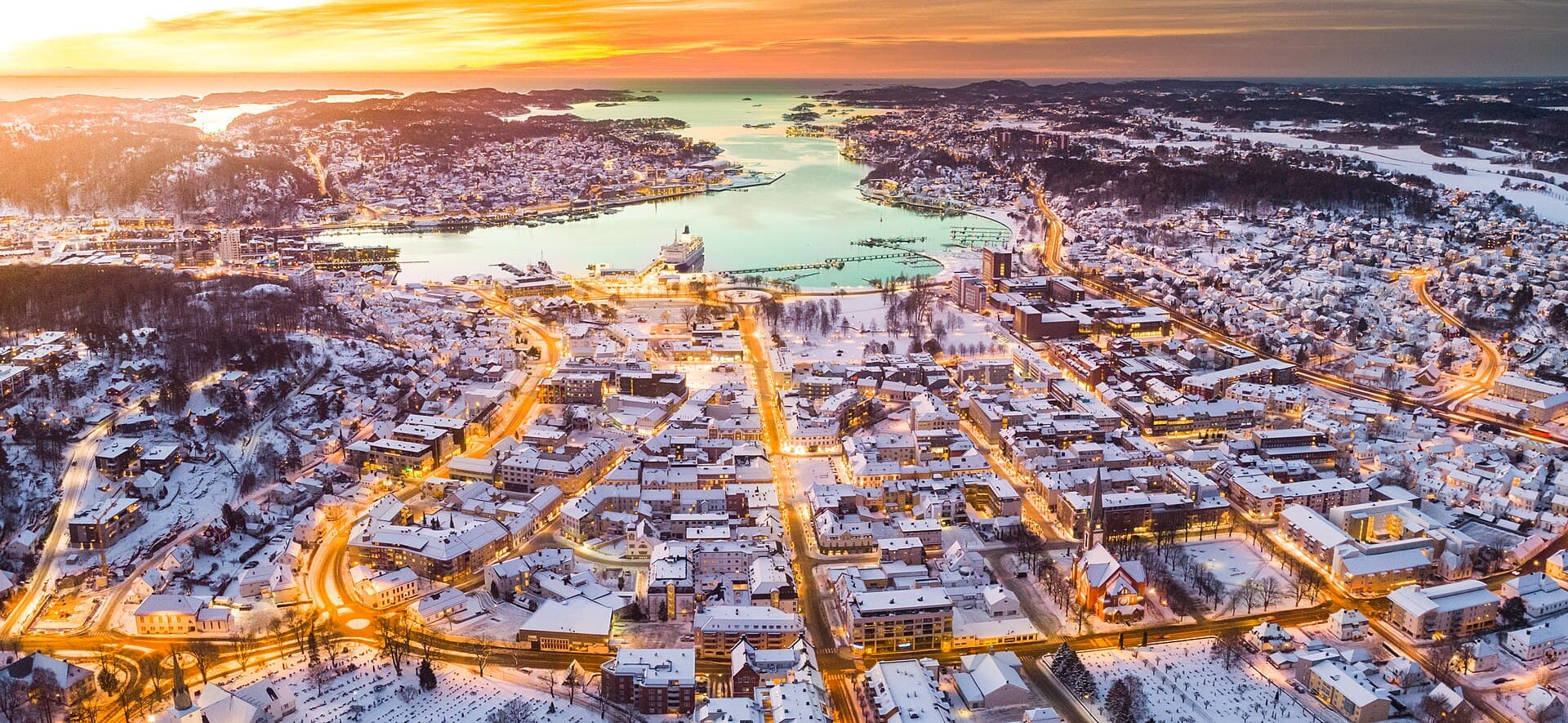 Sandefjord1901 / CC BY-SA 4.0, via Wikimedia Commons
Self-guided audio walking tour of Sandefjord — GPS route, offline playback, story-driven narration in 32 languages.
“Where ancient Viking echoes meet the restless sea.”
Not the postcards. The stories even locals don't know — whispered in your ear, right where they happened.
Norway’s most celebrated Viking ship was unearthed here, yet the identity of its original voyager remains a puzzle, even after recent inquiries.
This magnificent wooden structure once drew European royalty, yet its elegant past concealed a surprising use during a world conflict.
This museum narrates Sandefjord’s controversial past, but a specific, colossal detail inside truly conveys the immense scale of the industry.
Discover every secret of Sandefjord
Every address, every reveal in full — in your ear, right where it happened.
You pick your stops. You walk. The voice reveals what the others miss.


Your self-guided audio tour of Sandefjord is ready — pick your landmarks, choose your language, and start the moment you arrive.
BuyLume has a built-in augmented-reality guide. Hold your phone up and its camera shows the street ahead of you, with a glowing arrow laid over the real view that always points to your next stop — no map to puzzle over, no wrong turns. Like everything in Lume, it works fully offline.
Sandefjord, a coastal city in Norway's Vestfold region, presents an engaging fusion of Viking ancestry, a profound whaling past, and a spirited contemporary atmosphere. Positioned near the mouth of the Oslo Fjord, it is a favored destination, especially during summer, recognized for its expansive coastline, sandy shores, and verdant woodlands.
The city’s character has been sculpted by its deep maritime connections, from the ancient longships of the Vikings to the formidable whaling vessels that once made Sandefjord the most prosperous city in Norway. Today, it balances its historical narrative with a lively cultural landscape, offering visitors opportunities to explore museums, art, and outdoor pursuits.
With a compact and easily traversed city center, Sandefjord invites exploration on foot, revealing charming wooden houses alongside modern architecture, bustling harbor areas, and a welcoming ambiance that renders it an ideal location for both repose and revelation.
Sandefjord's story reaches back thousands of years, with archaeological evidence indicating human habitation for at least 3,000 years. Ancient rock carvings at Haugen Farm, dating from 1,500–500 BCE, stand as the largest petroglyph site in Vestfold county, depicting ships and other symbols. The region was a significant Viking settlement, and in 1880, the world-renowned Gokstad ship, a 9th-century longship, was unearthed from a burial mound in Sandefjord. This extraordinary discovery, now housed in Oslo, provides vital insights into Viking shipbuilding and burial customs.
Sandefjord officially received its city charter in 1845. By the 19th century, it began to gain recognition as a health resort, with the establishment of Sandefjord Kurbad in 1837. This spa quickly became a popular destination, attracting royalty and prominent figures from across Europe for its various treatments.
However, it was the whaling industry that truly transformed Sandefjord, particularly in the late 19th and early 20th centuries. For over 50 years, the city served as the global nerve center for modern whaling, spearheading expeditions to the Antarctic and manufacturing essential equipment and vessels. At its zenith, Sandefjord was home to 25 whaling companies and became the wealthiest city in Norway. The Framnæs shipyard, established in 1878, played a crucial role in this era, constructing numerous whale catchers and other ships. The industry's affluence brought significant economic growth and modernization to the town, with Sandefjord's crews comprising a substantial portion of the Norwegian whaling fleet.
After World War II, as whale populations diminished, the final season of Norwegian Antarctic whaling occurred in 1967, and the industry gradually receded. Today, Sandefjord has diversified, focusing on shipping, tourism, and service industries, while safeguarding its profound history through attractions like the Whaling Museum and the Gokstad Mound.
Begin your exploration at the Whaling Museum (Hvalfangstmuseet), Europe's only museum solely dedicated to whaling. Here, you will find extensive exhibits, artifacts, and a striking full-size blue whale replica. Adjacent to the museum, the Southern Actor is a fully operational whale-catcher from the 1950s, offering a tangible link to Sandefjord's industrial past.
Delve into Viking history at the Gokstad Mound, the burial site where the celebrated 9th-century Gokstad ship was discovered. While the original ship resides in Oslo, the mound itself is a significant historical landmark with informative displays. For a visual of the Viking vessel, head to the harbor where the Gaia, a replica of the Gokstad ship, is often moored.
Stroll through the city center to admire the architecture, including well-preserved wooden houses and examples of National Romantic Art Nouveau. The Whaling Monument, a slowly rotating bronze sculpture near the harbor, serves as a powerful memorial to the city's whaling heritage. For a dose of art and expansive views, visit Midtåsen Sculpture Park, the former estate of a shipping magnate, featuring Knut Steen's bronze sculptures and a glass pavilion.
Those who appreciate nature can explore the extensive coastline. Enjoy the many beaches like Ramdal, Vøra, and Langeby, or hike along the Coastal Trail (Kyststien) on the Østerøya and Vesterøya peninsulas, offering over 100 kilometers of marked trails and scenic vistas. A short drive away, Mølen offers a distinctive pebble beach, geological formations, and ancient burial cairns.
The most opportune time to visit Sandefjord is during the summer months, from June to August, when the weather is most conducive to outdoor activities and sightseeing. July and August offer the warmest and most consistent temperatures, ideal for swimming, boating, and savoring the city's lively ambiance. Anticipate average temperatures around 16-17°C, with warmer days reaching up to 20°C. The shoulder seasons of late spring (May) and early autumn (September) also provide agreeable conditions with fewer crowds and often better value for accommodation.
While winter is milder than many parts of Norway, with average temperatures around freezing, it is a quieter period, focusing on indoor cultural pursuits and embracing the 'hygge' lifestyle. Sandefjord experiences rainfall throughout the year, so it is always prudent to pack layers, regardless of the season.
Sandefjord is readily accessible by various modes of transport. Sandefjord Airport, Torp (TRF), provides connections to several European cities, with a complimentary shuttle bus linking to Torp train station for onward travel to Sandefjord and Oslo. The city is also well-connected by train and bus from other parts of Norway. For those traveling from Sweden, Color Line operates a ferry service between Sandefjord and Strömstad, with several daily departures.
Once in Sandefjord, the city center is compact and easy to navigate on foot, making walking an excellent way to explore. Local buses provide a comprehensive network for discovering the city and surrounding Vestfold region, with tickets available on the bus or via travel cards. Taxis are also available, with a stand at the train station. The local currency is the Norwegian Krone (NOK), and credit cards are widely accepted, though carrying some cash is always advisable.
Sandefjord in Korean, in Chinese or in Hebrew — and 29 more languages, every stop narrated by a native voice. The widest language range of any self-guided audio tour.
Available in: