Dodona Manor
Esta distinguida casa en Leesburg lleva un nombre de antigua profecía, insinuando las importantes decisiones que una vez se forjaron entre sus muros.
La historia completa se desbloquea en el tour
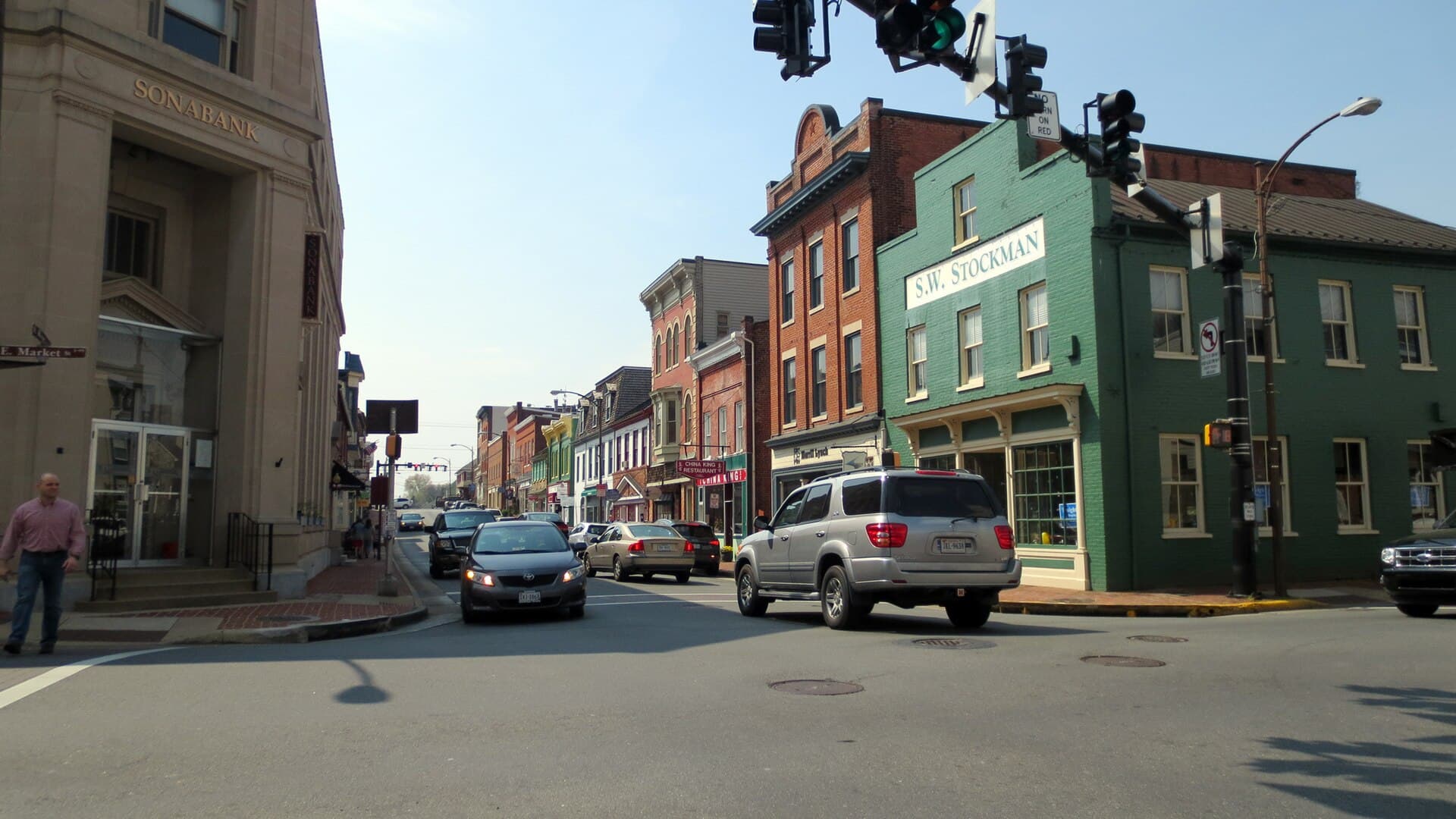 Wallygva / CC BY-SA 3.0, via Wikimedia Commons
Tour de audio autoguiado de Leesburg — ruta GPS a pie, reproducción offline, narración en 32 idiomas.
“Donde los ecos de la historia se mezclan con las tranquilas historias de los viñedos, un lugar de carácter perdurable.”
No las postales. Las historias que ni los locales conocen — al oído, justo donde ocurrieron.
Esta distinguida casa en Leesburg lleva un nombre de antigua profecía, insinuando las importantes decisiones que una vez se forjaron entre sus muros.
Una vivienda de Leesburg, construida en 1853, guarda una conmovedora narrativa de afecto, conflicto y un enigma sin resolver.
Durante la Guerra Civil, esta estructura de Leesburg sirvió como punto focal para los oficiales confederados, y un diario desenterrado décadas después ofreció un vistazo a su existencia diaria.
Descubre todos los secretos de Leesburg
Cada dirección, cada revelación al completo — a tu oído, justo donde ocurrió.
Eliges tus paradas. Caminas. La voz te revela lo que los demás ignoran.

Tu tour de audioguía por Leesburg te espera — elige tus lugares, tu idioma y empieza al llegar.
ComprarLeesburg, Virginia, es una ciudad donde la herencia colonial se desarrolla junto a la vida contemporánea. Situada al pie de la montaña Catoctin y cerca del río Potomac, se erige como la ciudad incorporada más grande dentro del condado de Loudoun. Su centro histórico, con sus aceras de ladrillo y estrechas calles coloniales, late con una energía genuina, ofreciendo un sentido de lugar que muchos desarrollos más nuevos se esfuerzan por recrear.
Más allá de su atractiva apariencia, Leesburg sirve como nexo tanto para los entusiastas de la historia como para aquellos que buscan comodidades modernas. Es un lugar donde se pueden explorar edificios históricos bien conservados que albergan tiendas y restaurantes distintivos, o aventurarse a las bodegas y centros ecuestres cercanos. La ubicación estratégica de Leesburg, aproximadamente a 33 millas al oeste-noroeste de Washington, D.C., ha moldeado su identidad durante siglos, desde un cruce vital en el siglo XVIII hasta una próspera área suburbana hoy en día.
El área que se convertiría en Leesburg vio el asentamiento europeo comenzar alrededor de 1740, con los plantadores de marea moviéndose y estableciendo grandes granjas. Muchas de las Primeras Familias de Virginia, incluyendo los Carters, Lees y Masons, se encontraban entre estos primeros colonos. La génesis de la ciudad se remonta a algún momento antes de 1755, cuando Nicholas Minor adquirió tierras en la intersección de Old Carolina Road (ahora U.S. Highway 15) y Potomac Ridge Road (ahora Virginia Highway 7) y estableció una taberna. En 1757, cuando se formó el condado de Loudoun, Minor nombró a la incipiente colección de edificios 'George Town' en honor al Rey Jorge II. Sin embargo, este nombre fue de corta duración; al año siguiente, en 1758, la Asamblea General de Virginia fundó oficialmente la ciudad de Leesburg en las 60 acres de Minor, renombrándola para honrar a la influyente familia Lee, específicamente a Thomas Lee.
La ubicación estratégica de Leesburg cerca del río Potomac significó que desempeñó un papel importante en varios conflictos. Durante la Guerra de 1812, sirvió como refugio temporal para documentos federales cruciales, incluida la Declaración de Independencia y la Constitución, cuando Washington, D.C. estaba bajo ataque. La Guerra Civil trajo aún más turbulencia, con Leesburg cambiando de manos con frecuencia entre las fuerzas de la Unión y la Confederación. Fue el sitio de la Batalla de Ball's Bluff, una victoria confederada en 1861, que ahora se conserva como un parque regional y uno de los cementerios nacionales más pequeños de América. La ciudad también sirvió como base de operaciones para el Coronel John S. Mosby y sus Rangers partidistas.
En el siglo XX, Leesburg continuó evolucionando, convirtiéndose en el hogar de figuras notables como el General de la Segunda Guerra Mundial George C. Marshall, el arquitecto del Plan Marshall, y la personalidad de radio Arthur Godfrey, quien donó tierras para el primer aeropuerto de la ciudad. El distrito histórico de la ciudad fue incluido en el Registro Nacional de Lugares Históricos en 1970, reconocido como uno de los centros de Virginia mejor conservados y atractivos. De una pequeña ciudad agrícola, Leesburg se ha transformado en un área suburbana próspera, experimentando un crecimiento significativo en las últimas décadas, particularmente a lo largo de la Dulles Greenway y la Ruta Estatal 7 de Virginia. Hoy en día, mantiene su papel como centro de gobierno y comercio para el condado de Loudoun, al mismo tiempo que fomenta una animada escena artística y cultural.
Comience su exploración en el Centro Histórico de Leesburg, donde las aceras de ladrillo le invitan a pasear entre la arquitectura colonial, federal y georgiana bien conservada. Aquí descubrirá una variedad de tiendas distintivas, restaurantes, cafés y cervecerías. Busque los murales públicos, como el mural 'Discover the Charm' en el estacionamiento de Liberty Street y el mural 'Journey to Freedom' en el Loudoun Museum, que representa el papel de Leesburg en el Ferrocarril Subterráneo.
Justo fuera del centro de la ciudad, Morven Park ofrece una mansión histórica del siglo XVIII, jardines y extensos senderos para caminar en sus 1,000 acres. Fue el hogar de un exgobernador de Virginia y ahora funciona como museo y centro ecuestre. Otro sitio histórico significativo es Dodona Manor, la casa del General George C. Marshall, que está abierta como museo.
Para profundizar en la historia local, visite el Loudoun Museum en el centro de Leesburg, que presenta exposiciones cambiantes sobre el pasado de la zona. La Thomas Balch Library es un recurso valioso para la historia local y la genealogía, y también sirve como sitio de investigación del Ferrocarril Subterráneo. Los entusiastas de la Guerra Civil pueden visitar el Ball's Bluff Battlefield Regional Park, que conserva el sitio de una batalla significativa y uno de los cementerios nacionales más pequeños de América.
Más allá de la historia, Leesburg ofrece una próspera escena artística y musical, con galerías, un jardín de esculturas y el Tally Ho Theatre que alberga eventos. El condado de Loudoun circundante también es conocido por su región vinícola, con numerosos viñedos que ofrecen degustaciones y vistas panorámicas.
Las épocas más agradables para visitar Leesburg para actividades de clima cálido son desde finales de abril hasta junio y nuevamente desde principios de agosto hasta mediados de octubre. Durante estos períodos, puede esperar temperaturas agradables, generalmente entre 65°F y 86°F (18°C y 30°C), con menor humedad. Mayo, junio, septiembre y octubre son particularmente recomendables, ofreciendo un buen equilibrio de días soleados y condiciones moderadas ideales para explorar. Los veranos pueden ser calurosos y húmedos, especialmente en julio, mientras que los inviernos son fríos, siendo enero el mes más frío.
Leesburg se encuentra aproximadamente a 33 millas al oeste-noroeste de Washington, D.C. La Dulles Greenway, una carretera de peaje privada, conecta Leesburg con el Aeropuerto Internacional de Dulles. Una vez en la ciudad, hay estacionamiento disponible en múltiples lotes, garajes y estacionamiento en la calle con parquímetro. Para moverse por el centro, considere usar servicios de carritos de golf como Cart Wheels.
Para aquellos interesados en la exploración guiada, The Very Virginia Shop ofrece recorridos históricos a pie gratuitos los sábados y domingos a las 12 p.m. La Thomas Balch Library también ofrece recorridos a pie gratuitos, incluyendo un Tour de Leesburg y un Tour de Registros Históricos del Tribunal del Condado de Loudoun. Además, hay una aplicación gratuita de autoguía 'Tour Leesburg App' disponible para teléfonos inteligentes. Muchas empresas y atracciones locales se concentran en el distrito histórico del centro, que es transitable a pie.
Si está considerando mudarse, tenga en cuenta que los residentes de Leesburg tienden a quedarse por un período más largo, alrededor de 10 a 12 años, lo cual es más que muchos otros suburbios del norte de Virginia. Para la configuración de servicios públicos, la electricidad es proporcionada por Dominion Virginia Power o Northern Virginia Electric Cooperative (NOVEC), y el gas por Washington Gas. Los servicios de agua y alcantarillado son administrados por la Ciudad de Leesburg.
Leesburg en coreano, en chino o en hebreo — y 29 idiomas más, cada parada narrada por una voz nativa. La mayor variedad de idiomas de cualquier audioguía autoguiada.
Disponible en: