Mine Shaft Tavern
Beneath the lively music and clinking glasses of Madrid's most famous tavern, some say the previous patrons never truly departed.
Full story unlocks in the tour
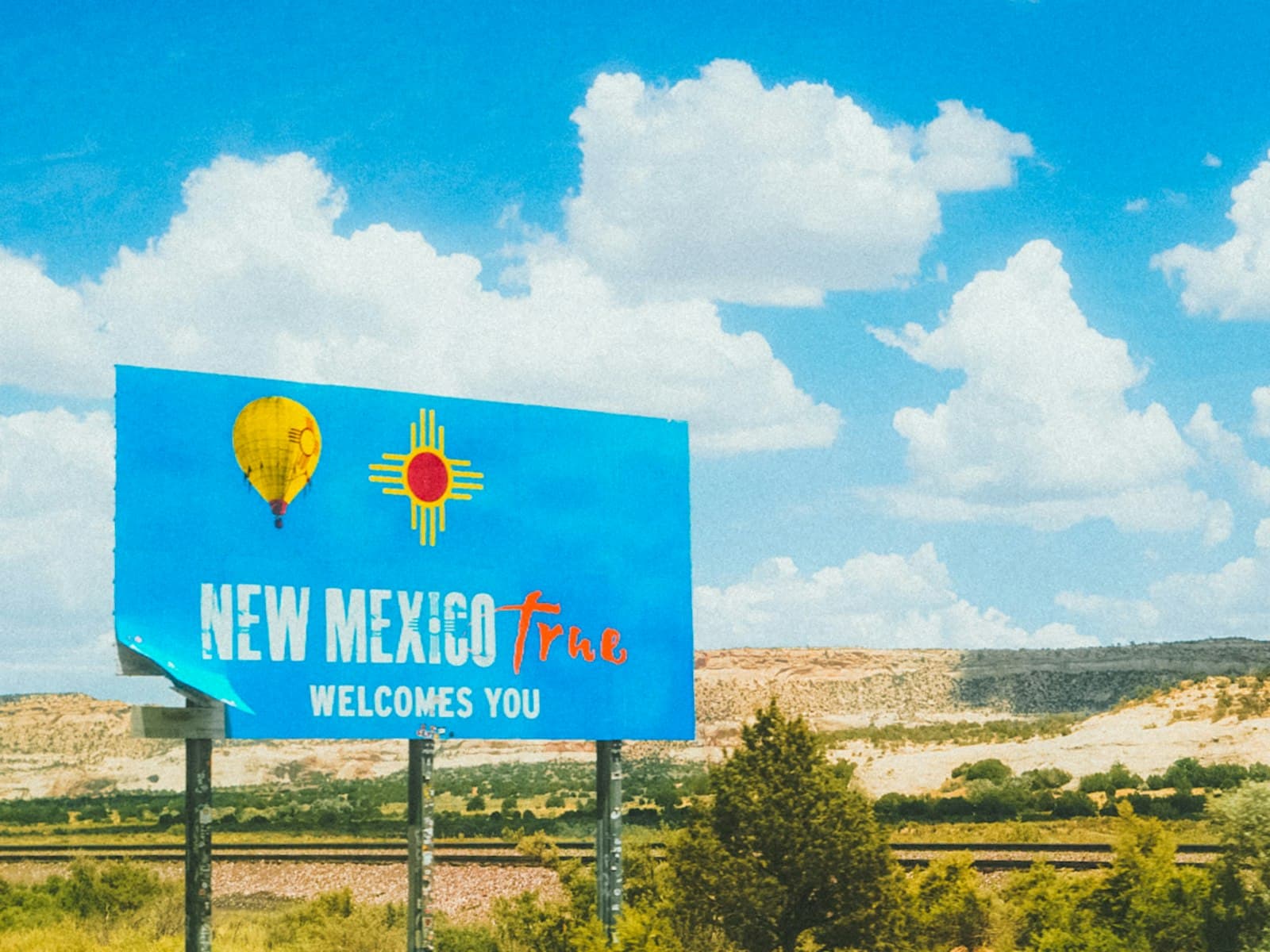 Photo: Jeffrey Keenan / Unsplash
Self-guided audio walking tour of Madrid — GPS route, offline playback, story-driven narration in 32 languages.
“Where the spirit of coal country meets the soul of an artist colony, and the past is always present.”
Not the postcards. The stories even locals don't know — whispered in your ear, right where they happened.
Beneath the lively music and clinking glasses of Madrid's most famous tavern, some say the previous patrons never truly departed.
Take a stroll down Madrid's main thoroughfare, and you might just encounter a couple who have been walking these streets for over a century.
Many of Madrid's colorful homes, now art galleries and shops, were once part of a meticulously planned company town. But some of these structures hold a more chilling secret.
Discover every secret of Madrid
Every address, every reveal in full — in your ear, right where it happened.
You pick your stops. You walk. The voice reveals what the others miss.


Your self-guided audio tour of Madrid is ready — pick your landmarks, choose your language, and start the moment you arrive.
BuySituated in the mineral-rich Ortiz Mountains along New Mexico State Road 14, Madrid (pronounced MAD-rid) is a town with a compelling narrative of boom, bust, and lively rebirth. Once a bustling coal mining community that peaked with a population of 3,000, it transformed into a near ghost town when the mines closed in the 1950s. Today, this distinctive village, located on the scenic Turquoise Trail between Albuquerque and Santa Fe, has been resurrected as a thriving artist colony, drawing visitors with its eclectic shops, galleries, and a palpable sense of history.
Madrid's charm lies in its blend of rugged individualism and artistic spirit. The colorful storefronts that line Main Street were once company houses, now repurposed to showcase local ceramics, folk art, metalwork, and photography. The town's small population, around 250-300 residents, embraces its quirky character, making it a haven for day-trippers and travelers seeking an authentic New Mexico experience.
Beyond its artistic allure, Madrid offers a glimpse into its industrial past, with remnants of its mining heritage preserved in places like the Old Coal Town Museum and the historic Mine Shaft Tavern. It's a place where history resonates from adobe walls, and the creative energy of its residents keeps the spirit of this resilient town alive.
## From Coal Gulch to Company Town Madrid's origins trace back to the early 1800s with the discovery of coal deposits in the Ortiz Mountains, making it the oldest coal mining area in New Mexico. The area, initially known as "Coal Gulch," saw small-scale mining by Native Americans for turquoise and lead as far back as 1,500 years ago, followed by Spaniards seeking gold and silver. However, it was the arrival of the Santa Fe Railroad in the 1880s that truly ignited the coal boom.
By 1892, the yield from the mines was significant enough to warrant a 6.5-mile railroad spur, connecting Madrid to the main line. This led to the establishment of Madrid as a quintessential company town. The Albuquerque and Cerrillos Coal Company, which took ownership in 1906, meticulously managed almost every aspect of its 3,000 residents' lives, providing housing (some of which were wood-framed cabins brought by train from Kansas), medical care, and even its own currency. Under the leadership of Oscar Huber, who became superintendent in 1919, Madrid became a model mining town, with elementary and high schools, a hospital, a company store, and an Employees' Club that fostered community activities.
## The Bright Lights and the Dark Days Madrid truly shone in the 1920s and 30s, not just for its coal production, which peaked at over 180,000 tons in 1928, but for its spectacular Christmas light displays. The town's electric plant, owned by the coal company, provided free electricity, enabling miners to adorn every building with elaborate light shows and nativity scenes. This tradition earned Madrid the nickname "Christmas City" and attracted visitors from across the country, with TWA airlines even rerouting flights for passengers to marvel at the spectacle. During this era, Madrid also made history with the first illuminated baseball park west of the Mississippi, home to the Madrid Miners, a farm team for the Brooklyn Dodgers.
The demand for coal, however, began to dwindle after World War II as natural gas and diesel replaced coal as primary fuels. By 1954, the Albuquerque and Cerrillos Coal Company ceased operations, and Madrid's population rapidly dispersed, leaving behind a virtual ghost town. The entire community, including some 200 houses, schools, and mineral rights, was even advertised for sale in the Wall Street Journal for $250,000, though there were no takers at the time.
## Rebirth as an Artist Colony Madrid remained largely abandoned for two decades. However, in the early 1970s, Oscar Huber's son, Joe, began renting and selling the old company houses individually. This attracted a new wave of residents: artists, craftspeople, and free-thinkers drawn by the inexpensive properties and the unique, quiet mountain setting. They breathed new life into the historic structures, converting them into galleries, studios, and shops.
Today, Madrid is a thriving artist community and a popular stop along the Turquoise Trail National Scenic Byway. While its population remains small, around 250-300, its artistic spirit thrives, and many of its historical buildings have been restored or preserved. The town continues its beloved Christmas light tradition, albeit on a more modest scale, and hosts various events throughout the year, celebrating its unique blend of mining heritage and artistic renaissance.
Madrid's main attraction is its lively Main Street, a walkable stretch of colorful storefronts housing over 40 independent galleries and shops. Here, you can browse unique ceramics, folk art, metalwork, photography, and wearable art, often directly from the artists themselves. Many shops are happy to discuss custom orders or national shipping.
Do not miss the historic Mine Shaft Tavern, known for its long bar, live music on weekends, and a menu featuring local favorites like green chile. The tavern also houses a small mining museum, offering a glimpse into Madrid's past. For a deeper dive into the town's coal-mining heritage, visit the Old Coal Town Museum.
For those interested in the paranormal, Madrid is widely considered haunted. Consider a ghost tour to explore the Mine Shaft Tavern, the Engine House Theatre, and other locations with reported supernatural activity.
If you're visiting in December, experience the revived Christmas Parade and Town of Lights, a modern nod to Madrid's historic holiday displays. Nearby, the Cerrillos Hills State Park offers opportunities for hiking and exploring the region's natural beauty and earlier mining history.
The best times to visit Madrid for comfortable weather are mid-April to mid-June and mid-August to mid-October, offering warm days and cool nights. Summers can be hot but are manageable with shade and cold drinks. December is a special time to experience Madrid's famous Christmas Parade and Town of Lights, though parking fills up quickly. Spring and fall also bring ideal temperatures for exploring the galleries and surrounding scenic byways.
Madrid is located on New Mexico State Road 14, the Turquoise Trail National Scenic Byway, approximately 40 minutes south of Santa Fe and an hour north of Albuquerque. Parking is generally free along NM-14/Main Street, but be mindful not to block private driveways. While most galleries accept cards, it's wise to carry small bills for tips or smaller vendors. Cell service in Madrid can be unreliable to nonexistent, so be prepared to hop between Wi-Fi networks in local cafes and restaurants if you need to communicate. The town sits at an elevation of over 6,000 feet, so remember to hydrate and use sunscreen, even on cooler days. There are no large hotels in Madrid, but a few Airbnbs are available for those wishing to stay overnight.
Madrid in Korean, in Chinese or in Hebrew — and 29 more languages, every stop narrated by a native voice. The widest language range of any self-guided audio tour.
Available in: