Marang's Name Origin
The name 'Marang' isn't just a pretty sound; it tells a story of an early Chinese entrepreneur and his bustling trade.
Full story unlocks in the tour
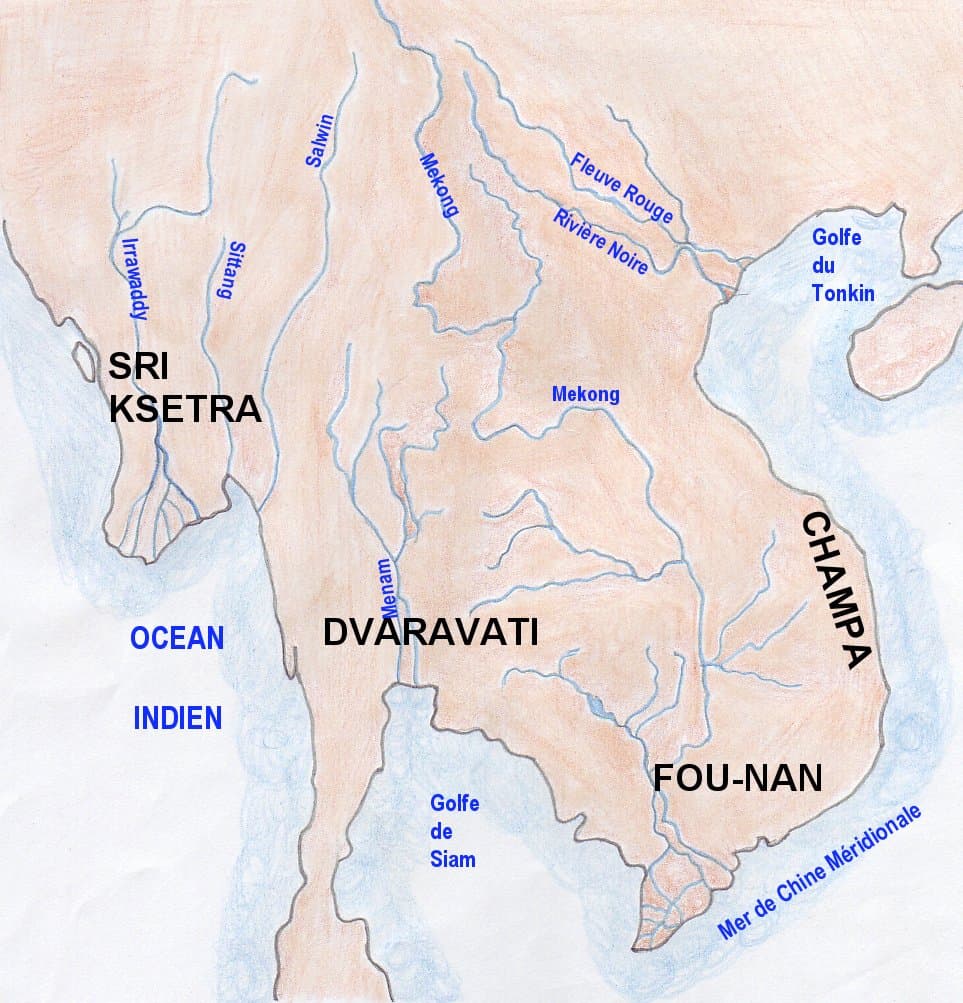 Emmanuel de Chambost (France) / public domain, via Wikimedia Commons
Self-guided audio walking tour of Marang — GPS route, offline playback, story-driven narration in 32 languages.
“Where the river meets the sea, and traditions linger in the breeze.”
Not the postcards. The stories even locals don't know — whispered in your ear, right where they happened.
The name 'Marang' isn't just a pretty sound; it tells a story of an early Chinese entrepreneur and his bustling trade.
Before its modern transformation, Marang had a nickname that painted a vivid picture of its humble beginnings.
There's a heritage candy in Marang, made for centuries, that involves a unique leaf for wrapping.
Discover every secret of Marang
Every address, every reveal in full — in your ear, right where it happened.
You pick your stops. You walk. The voice reveals what the others miss.


Your self-guided audio tour of Marang is ready — pick your landmarks, choose your language, and start the moment you arrive.
BuyLume has a built-in augmented-reality guide. Hold your phone up and its camera shows the street ahead of you, with a glowing arrow laid over the real view that always points to your next stop — no map to puzzle over, no wrong turns. Like everything in Lume, it works fully offline.
Marang, a coastal town in Terengganu, Malaysia, extends an invitation for a tranquil escape, weaving together natural splendor and enduring traditions. Positioned along the South China Sea coast, approximately 20 kilometers south of Kuala Terengganu, it serves as a departure point for serene islands like Kapas Island and Gemia Island.
Once a small fishing village, Marang retains a calm atmosphere, dotted with verdant foliage and traditional Malay houses where an older way of life persists. The town's economy finds its roots in a lively fishery and a growing tourism sector, welcoming visitors to experience a quieter, more authentic facet of Malaysia.
The origins of Marang's name are intertwined with its earliest economic activities. Legend suggests the town was named after a Chinese entrepreneur, known simply as 'Ma,' among the first to settle in the area. He established racks, locally termed 'rang,' for drying fish and squid. Consequently, the area became known as 'Ma rang,' eventually evolving into 'Marang.' Another theory proposes the name derived from a local figure, Syed Muharram, as pronounced by the local populace.
Marang's administrative history traces back to the reign of Baginda Omar (1839–1876), the ninth Sultan of Terengganu. During this era, noblemen were appointed to govern riverine districts, Marang included, and collect taxes on behalf of the Sultan. This system significantly enhanced tax collection and local administration efficiency, marking a departure from the earlier practice where village heads held sole tax collection powers.
In 1912, professional District Officers replaced the nobility-based administration, and the Marang District Office Building was erected in 1915. However, a reorganization in 1923, led by British Adviser J.L. Humpherys under Sultan Sulaiman Badrul Alam Shah, dissolved the riverine districts. Marang and Merchang were then grouped with Kuala Berang and Kuala Terengganu into a new Central Dependency.
For many years, Marang remained a modest fishing village, characterized by just two rows of wooden houses, earning it the moniker 'cowboy town.' It became a favored stopover for backpackers drawn to its rustic character and simple wooden shophouse architecture. Yet, the mid-1990s witnessed swift development and modernization within Terengganu's tourism industry. Many of these traditional wooden structures in Marang were dismantled and replaced with contemporary concrete shop lots, though the fishing village itself has largely endured.
Marang offers a range of experiences, from tranquil natural settings to glimpses into local rhythms of life. A highlight is Kapas Island, reachable via Marang Jetty, celebrated for its clear waters and abundant marine life, ideal for snorkeling and diving. Nearby Gemia Island presents equally pristine conditions.
For a different perspective, embark on a Marang River Cruise. These unhurried boat trips navigate through luxuriant mangrove forests, providing chances to observe local wildlife such as birds, monitor lizards, and monkeys. The cruise often includes a pause at Jenang traditional village, where you can witness villagers crafting coconut sugar and weaving attap roofs, and perhaps even observe monkeys trained to gather coconuts.
The Marang fishing village itself offers a picturesque scene, perfect for photography, capturing the daily routines of fishermen and their vessels. The Marang Night Market (held on Fridays and Sundays) provides a lively setting to immerse oneself in local culture and cuisine, offering a taste of traditional dishes like Nasi Dagang, Keropok Lekor, and Satar.
While in the area, you might also consider a visit to Kelulut Beach for a restful interlude or exploring Bukit Temiang for outdoor activity. The Seberang Marang Mosque stands as another notable structure in town.
The most favorable time to visit Marang is during the dry season, which typically extends from March to October. Through these months, expect abundant sunshine and calm seas, perfect for beach activities, island excursions, and water sports. The water temperature is also warmer during this period, particularly from April to July.
Conversely, the northeast monsoon season, from November to February, brings heavier rainfall and a moderate risk of flooding, especially in low-lying areas near the Marang River. Some beach resorts on the east coast may even close during these months. For warm-weather pursuits, mid-January to mid-March is also considered an excellent window.
Reaching Marang is straightforward, as it lies approximately 20 km from Kuala Terengganu. Local buses or taxis from Kuala Terengganu can take you to Marang Jetty, a key departure point for Kapas and Gemia Islands. Public transportation within Marang itself is limited, so renting a car or scooter is suggested for independent exploration. Alternatively, ride-hailing services or engaging a local guide are options.
When visiting, it is important to honor local customs and traditions. Modest attire is advisable, particularly in rural areas and when entering religious sites; remember to remove your shoes before entering homes and mosques. Use your right hand when eating or offering objects to others as a gesture of courtesy. Pack lightweight, breathable clothing, swimwear, sunscreen, insect repellent, and comfortable walking shoes. A waterproof bag can prove useful for island excursions and beach activities. The local currency is the Malaysian Ringgit (MYR).
Marang in Korean, in Chinese or in Hebrew — and 29 more languages, every stop narrated by a native voice. The widest language range of any self-guided audio tour.
Available in: